Why Some People Age Better Than Others

November 6, 2026

November 6, 2026
I had a grandmother who lived to 94. She was still driving right up until the end, traveling, taking care of her great grandchildren, and living a remarkably active, independent life. She was mentally sharp, engaged with the world around her, and never seemed particularly limited by her age.
But she wasn't consciously trying to age well. She wasn't following a longevity protocol or making any particular effort to extend her healthspan. She was just living her life.
And yet, we all know people who begin slowing down decades earlier, struggling with chronic disease, declining mobility, cognitive impairment, and the loss of independence.
So why do some people age so much better than others? How much comes down to genetics, and how much can we actually influence?
We tend to think about aging as a relatively predictable process. We get older, lose muscle, become less physically capable, and face an increasing risk of chronic disease.
But people don't age at the same rate. Some of us experience significant decline much earlier than others.
There isn't one explanation for these differences. But research points to several important factors.
We inherit genetic variations that influence our susceptibility to cardiovascular disease, diabetes, dementia, and other conditions associated with aging. Some people are also genetically predisposed to exceptional longevity.
A 2026 study published in Science suggests genetics may play a much larger role in how long we live than previously thought. Researchers found that when deaths from external causes, such as accidents and infections, were excluded, genetic differences could explain approximately 50% of the variation in lifespan.
That doesn't mean our genes determine half of our individual lifespan, or that lifestyle accounts for the other half. But it does suggest that genetics may play a larger role in longevity than previously appreciated.
Some people retain better cardiovascular fitness, insulin sensitivity, muscle function, and cognitive capacity than others.
Metabolic health is particularly important. Our ability to regulate blood sugar, respond to insulin, and store energy efficiently influences our risk of diabetes, cardiovascular disease, and other chronic conditions.
And metabolic deterioration can begin long before symptoms appear.
In a landmark study published in The Lancet, researchers found that people who eventually developed type 2 diabetes showed differences in insulin sensitivity and blood glucose as far back as 13 years before diagnosis.
Chronic inflammation also contributes to these differences. As we age, persistent low levels of inflammatory activity become more common, a phenomenon known as inflammaging. This inflammation can interfere with normal cellular function, contribute to insulin resistance, and participate in the development of age-associated diseases.
Importantly, inflammation is both influenced by and capable of influencing metabolic dysfunction.
Diet, exercise, sleep, smoking, alcohol consumption, stress, social relationships, and access to
healthcare all influence how we age.
These factors don't operate independently. Poor sleep can reduce insulin sensitivity. Physical inactivity contributes to muscle loss and reduced cardiovascular fitness. Social isolation can affect mental health, stress, and daily behavior.
Over decades, these influences can accumulate.
And that may be one of the most important distinctions between people who age well and those who don’t: their bodies have experienced different combinations of genetic risk, disease, environmental exposures, and protective influences throughout their lives.
The encouraging part is that many of these influences are modifiable. We can't change the genes we inherited, and we can't prevent every consequence of aging. But there's substantial evidence that we can influence our risk of disease, preserve physical and cognitive function, and improve our chances of remaining healthy later in life.
Today, we have more insight into our biology than ever before. We have better diagnostics, more sophisticated technologies, and more ways to measure and influence what's happening inside our bodies.
But for all these advances, the fundamentals of healthy aging haven't really changed. Most of these tools and technologies are simply giving us new ways to understand and influence the same biological systems that have always mattered.
And while the science and technology will continue to advance, the things we should be paying attention to aren't likely to change all that much.
So where should we focus our attention?
Better health starts with better feedback.
You already know the basics: eat well, move often, prioritize sleep and manage stress. But how do you know what’s actually working for your body?
That’s where glucose comes in. Glucose is one of your body’s most important health signals, influenced by everyday choices like what you eat, how you move, how you sleep and even how you manage stress. Stelo makes that signal visible with 24/7 glucose insights, helping you uncover patterns you might otherwise miss.
With personalized insights and built-in coaching, Stelo helps connect the dots between your habits and your body’s unique responses, so you can make more informed choices and build habits that support lasting health.
Less guessing. More knowing.
See what your glucose can tell you with Stelo.
At Eudēmonia Summit this weekend? Visit Stelo by Dexcom at booth #821.
Muscle loss is one of the most consequential changes associated with aging.
As we lose muscle and strength, everyday activities can become more difficult. Walking, climbing stairs, carrying groceries, and getting up from the floor all require physical capabilities that tend to decline with age.
But muscle is also one of our most important metabolic organs.
After we eat, skeletal muscle is responsible for a substantial proportion of the glucose removed from circulation in response to insulin. Healthy muscle helps regulate blood sugar and maintain insulin sensitivity.
Interestingly, muscle quality matters alongside muscle size.
A 2024 meta analysis examining 33 resistance training studies found improvements in glucose regulation that weren't consistently explained by increases in muscle mass.
That suggests muscles can become metabolically healthier even without growing substantially larger.
Maintaining muscle mass, strength, and mobility throughout life. How you approach this will depend on your age, health, and current physical abilities, but the goal remains the same: preserve the strength and physical capacity to remain active, independent, and capable as you get older.
Cardiorespiratory fitness is one of the strongest predictors of long-term health outcomes.
It reflects how effectively our heart, lungs, blood vessels, and muscles deliver and use oxygen during physical activity.
In a study involving more than 122,000 adults, researchers found a strong association between higher cardiovascular fitness and lower mortality.
The relationship remained evident among adults aged 70 and older.
Although observational research cannot establish precisely how much improving fitness extends lifespan, it consistently identifies cardiovascular fitness as an important marker of health.
Maintaining cardiovascular fitness and staying physically active throughout life. The type, intensity, and amount of exercise will vary depending on your age, health, and physical abilities, but the objective is to preserve your endurance, keep your cardiovascular system healthy, and make regular movement part of your everyday life.
One of the reasons people age differently is that their metabolic function doesn't deteriorate at the same rate.
Some maintain good insulin sensitivity, healthy blood sugar regulation, and relatively little fat accumulation within metabolically important organs. Others develop insulin resistance, excess visceral fat, and chronic metabolic dysfunction.
These differences have implications far beyond diabetes.
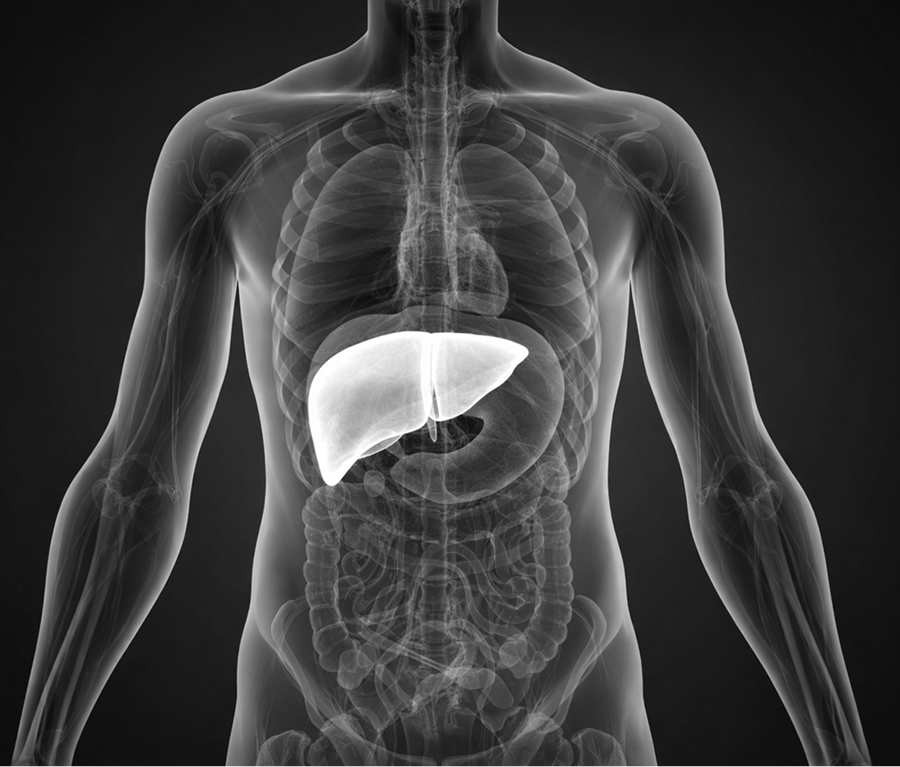
Excess visceral fat and fat within the liver are associated with increased cardiovascular and metabolic disease risk. And inflammation within dysfunctional fat tissue can further interfere with insulin signaling.
Body weight alone doesn't reveal these changes.
In a cohort analysis, researchers found that most participants who eventually developed diabetes belonged to a group whose body weight remained relatively stable during the years preceding diagnosis.
Their weight wasn't changing dramatically, but their metabolic function was deteriorating.
The encouraging news is that improving metabolic health remains possible later in life.
In the landmark Diabetes Prevention Program, an intensive lifestyle intervention involving dietary improvements, physical activity, and modest weight loss reduced diabetes incidence by 58% over approximately three years among adults at elevated risk.
Among participants aged 60 and older, the reduction was 71%.
Maintain a healthy body composition, particularly by limiting excess visceral fat. Exercise regularly, follow a diet rich in minimally processed plant foods, and monitor established metabolic risk factors, including blood sugar, blood pressure, and cholesterol.
Normal blood sugar is reassuring, but it doesn't capture every aspect of metabolic health.
Cardiovascular disease is a major reason people experience declining health and independence as they age.
Atherosclerosis, the gradual accumulation of plaque in our arteries, can develop over decades without producing noticeable symptoms.
Elevated blood pressure, atherogenic cholesterol particles, smoking, diabetes, and other risk factors contribute to this process.
And the consequences extend beyond the heart.
Cardiovascular disease and its risk factors can affect circulation to the brain, kidneys, and other organs, potentially contributing to cognitive decline and impaired physical function.
Prevention becomes particularly important because risk reflects not just our current measurements, but years of exposure.
Know your blood pressure, cholesterol, and blood sugar levels. Discuss individual cardiovascular risk and appropriate treatment with your physician, avoid tobacco, and follow a dietary pattern that supports vascular health.
Screening and preventive healthcare also matter. Detecting and treating established risks early can help prevent complications that might otherwise affect health for decades.
Sleep is one of the most important aspects of health and has a direct influence on several biological processes involved in healthy aging.
It affects insulin sensitivity, glucose regulation, cardiovascular function, immune activity, and cognitive performance. Not to mention, mood, energy, and discipline.
In a randomized clinical trial, researchers restricted sleep in 38 otherwise healthy women for six weeks.
Even without meaningful changes in body fat, participants experienced a measurable reduction in insulin sensitivity.
The findings illustrate how metabolic function can deteriorate independently of weight gain or obvious changes in physical health.
Chronic stress can compound these problems through its effects on sleep, blood pressure, mood, eating patterns, and physical activity.
Most adults should aim for seven to nine hours of sleep nightly. Maintain consistent sleep habits, address persistent sleep disturbances, and find sustainable ways to manage psychological stress.
Maintaining cognitive function is one of the most important aspects of aging well.
Genetics influence our susceptibility to dementia and other neurological conditions, but lifestyle, cardiovascular health, and environmental exposures also contribute.
The 2024 Lancet Commission identified 14 potentially modifiable dementia risk factors, including physical inactivity, elevated LDL cholesterol, high blood pressure, diabetes, hearing loss, depression, and social isolation.
Researchers estimated that these factors collectively account for approximately 45% of dementia cases at the population level.
That doesn't mean any individual can prevent dementia by addressing all 14 factors. But it suggests that a meaningful portion of dementia risk may be preventable or delayed.
Maintain cardiovascular health, exercise regularly, address hearing and vision problems, remain intellectually engaged, and continue learning throughout life.
What we’re about to see in cognitive health and neuroprotection with peptides, stem cells, and other technologies is exciting, so keep an eye on that space.
One of the more overlooked influences on healthy aging is the quality of our relationships.
Social connection is associated with better mental health, healthier behaviors, and lower mortality risk.
In a meta analysis examining 148 studies involving more than 300,000 participants, researchers found that people with stronger social relationships had approximately 50% greater odds of survival over the study periods.
The finding doesn't prove that social relationships directly extend lifespan by a particular amount. But it places social connection among the important factors associated with long term health.
Relationships also help give meaning to the years we live.
Maintain close friendships, spend time with family, participate in community activities, and cultivate interests that keep you engaged with other people.
Social connection deserves the same deliberate attention we give to exercise, nutrition, and sleep.
The World Health Organization defines healthy aging in terms of maintaining the functional ability that enables well being in older age.
That's an important distinction.
Healthy aging isn't simply about having favorable biomarkers or avoiding a particular diagnosis. It's about maintaining the physical and mental capacity to continue living the life we want.
And that helps answer our original question: Why do some people age better than others?
Part of the answer is genetics. Some people inherit biological advantages that influence their susceptibility to disease and potentially their longevity.
Part of it is the different rates at which their cardiovascular, metabolic, muscular, immune, and neurological systems change over time.
And part of it is the cumulative influence of their behaviors, environments, healthcare, and life experiences.
These factors interact across decades. Some people benefit from more favorable circumstances and fewer health risks. Others experience conditions that accelerate disease or reduce their ability to maintain physical and cognitive function.
There's also an element of chance. People who make excellent health decisions can still become seriously ill, while others remain remarkably healthy despite behaviors that would generally increase their risk.
But while we cannot guarantee how well we'll age, we can influence many of the factors that shape the process.
Building and maintaining muscle, protecting cardiovascular and metabolic health, exercising regularly, sleeping well, addressing preventable disease risks, and maintaining strong social relationships can all improve our prospects for healthy aging.
And these aren't things we need to start thinking about when we turn 70.
The physiological capacities that help us remain healthy in later life are developed and maintained over decades.
We may not all have the same genetic advantages or life circumstances, but there are meaningful steps we can take to improve our chances of remaining healthy, independent, and engaged well into old age
November 6, 2026

October 30, 2026

October 23, 2026

October 16, 2026

September 30, 2026

September 29, 2026

September 24, 2026

September 24, 2026

September 18, 2026