Preventative Health
Nutrition
Blood sugar
Alcohol Q&A with Robert Lustig

July 9, 2026
July 9, 2026
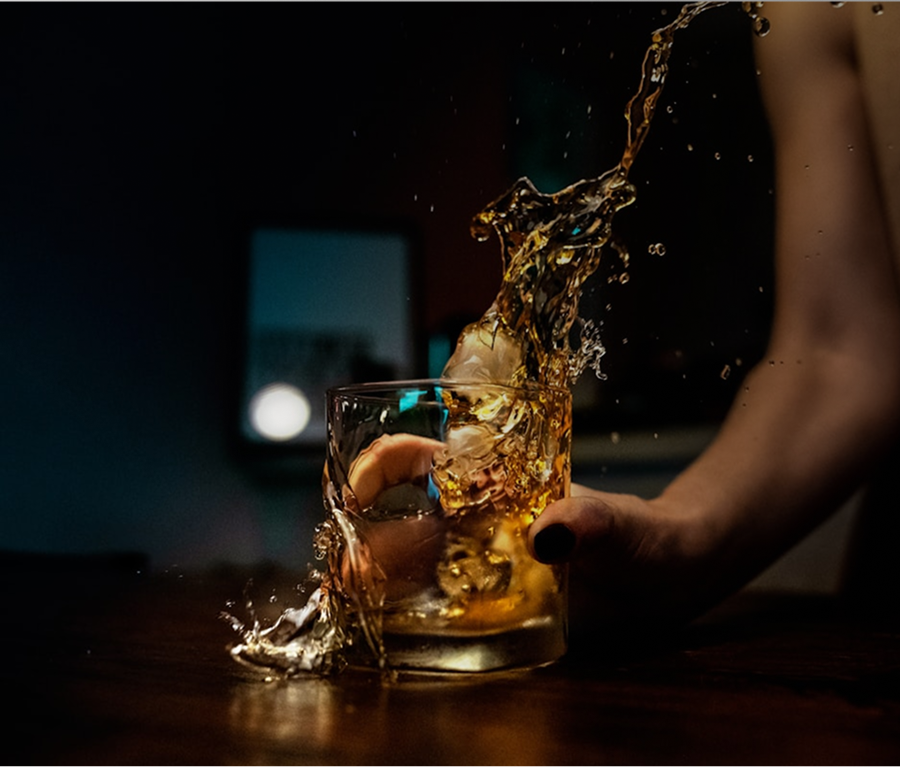
Last week, we dove into alcohol. From its impact on sleep, hormones, cancer risk, and aging, we looked at the biology behind one of the world’s most common habits.
Our goal wasn't to discourage you from a glass of wine. It was simply to understand the tradeoffs and biological costs that come from drinking. The more you know, right?
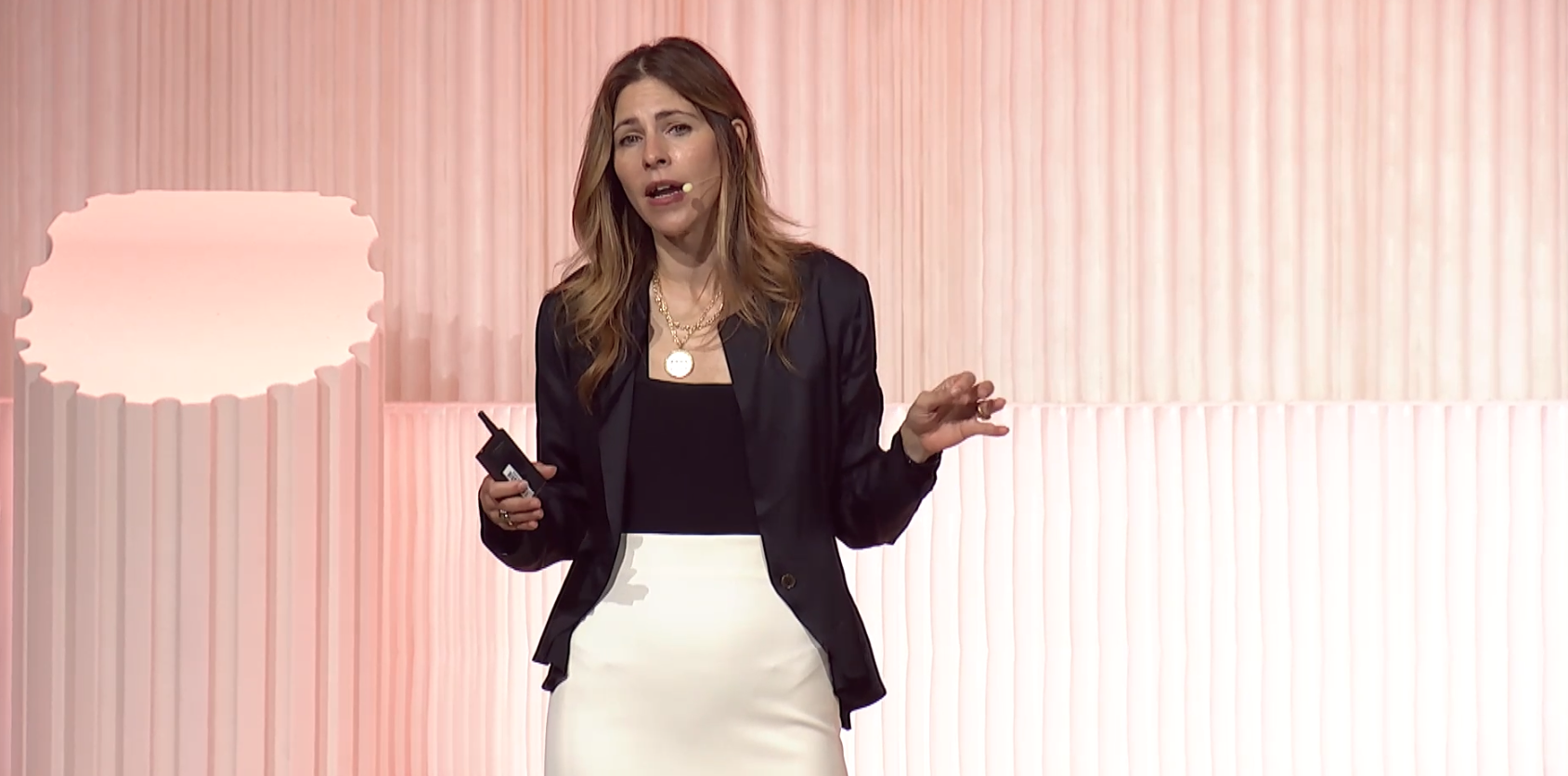
Robert H. Lustig, M.D., M.S.L., is Emeritus Professor of Pediatric Endocrinology, and a Member of the Institute for Health Policy Studies at UCSF. He is the author of Fat Chance (2012), The Hacking of the American Mind (2017), and Metabolical (2021).
Today, he tackles your biggest questions about alcohol.
Very good question.
No one knows for sure. The one thing we know is that there is no amount of alcohol that is “good” for you. But we still don’t know the volume and frequency that is “bad” for you. Likely, every one is different.
Here are the things that determine long-term toxicity:
As to whether they can recover, the answer is: yes, if they haven’t scarred their livers or their brains. If they have, then that scarring is not reversible.
Sadly, you are not overthinking this. There’s no such thing as a “safe” alcohol level. At one point in time, scientists thought a little alcohol was “good” for you—kept your body’s liver defense systems on their toes. This has since been debunked.
Several scientists thought the resveratrol in grape skins would act as an antioxidant and increase longevity by increasing sirtuins in mitochondria. That has also been debunked; you’d have to drink about 12 liters of wine a day to get enough resveratrol.
There’s no “good” amount of alcohol.
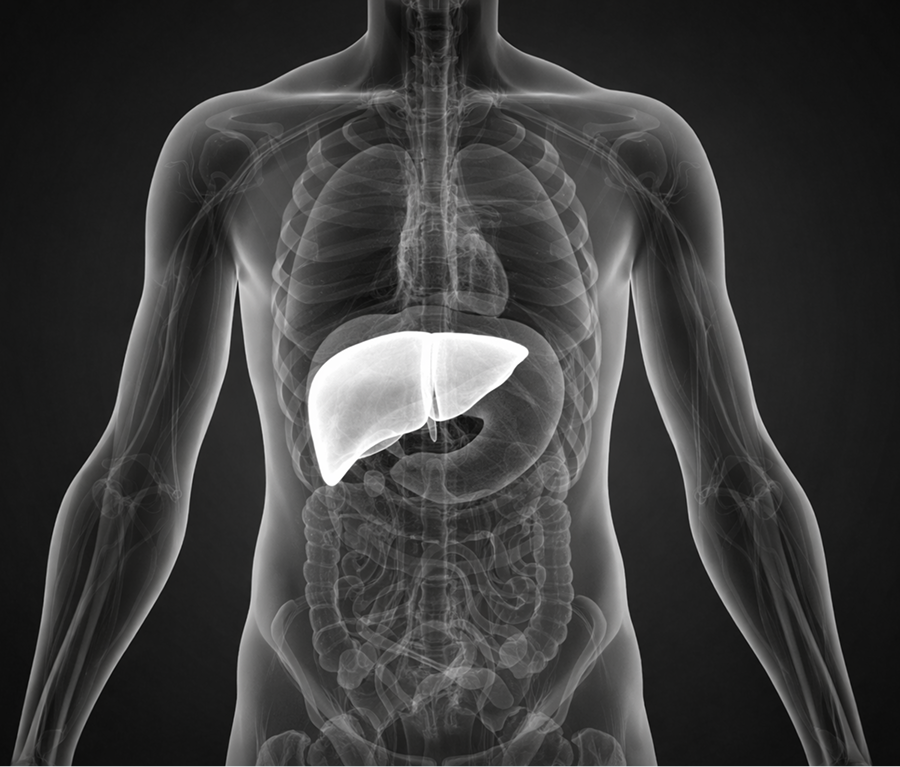
The question of if there’s a “bad” amount is different for everyone (see answer to Question 1). While one glass of wine per night rarely meets that threshold, two glasses just might. One way to find out is to have an ALT (alanine aminotransferase) level performed. This is a blood test on a standard chem panel. The upper cutoff is 25. Anything over 25 is fatty liver until proven otherwise, and is likely due a combination of alcohol and sugar consumption.
The liver enzyme alcohol dehydrogenase decreases with age. This means older people clear alcohol from the bloodstream less effectively. So it takes less alcohol to get you drunk as you get older. Also, people's muscle mass tends to decline with age, so there’s less ability to clear alcohol into tissues.
Alcohol kills neurons. No doubt about it.
Alcohol is a major Reactive Oxygen Species (ROS) generator, and these kill neurons. Period. Alcohol consumption is associated with every neurodegenerative disease, but especially Alzheimer’s Disease. Plus, alcohol is addictive, so reduction in consumption gets harder and harder. In the last 20 years, alcohol addiction has gone up 40% overall, and up 101% in women ages 35–60. This is an unmitigated disaster.
See Question #2. Red wine does have resveratrol, which is a weak antioxidant. But there isn’t enough in red wine to justify the hype. This was a ruse promulgated by the alcohol industry to keep you drinking
The views expressed by our expert are entirely their own. There is no financial, professional, or organizational affiliation between the expert featured in this Q&A and our sponsor.
Disclaimer: This newsletter is provided for educational and informational purposes only and does not constitute providing medical advice or professional services. The information provided should not be used for diagnosing or treating a health problem or disease, and those seeking personal medical advice should consult with a licensed physician.

October 16, 2026
September 30, 2026

September 29, 2026

September 24, 2026
September 24, 2026

September 18, 2026
September 11, 2026
September 4, 2026

August 29, 2026