Preventative Health
Nutrition
Blood sugar
Fasting Q&A with Cynthia Thurlow

June 24, 2026

June 24, 2026
Last week, we did a deep dive into fasting. We explored what happens inside the body when food is temporarily removed from the equation, from changes in insulin and blood sugar to cellular repair, metabolic flexibility, and longevity.
Fasting is one of the oldest health practices in human history, and one of the most debated. While it isn't a cure all, the science suggests it can be a powerful tool when used appropriately.
If you missed it, you can still catch up.
But questions, as always, remain. So for those, we’ve brought in a real expert.
Cynthia Thurlow is a nurse practitioner, two-time TEDx speaker, and internationally recognized expert in perimenopause, menopause, and women's metabolic health. She is the host of the top-rated Everyday Wellness podcast, CEO and founder of the Everyday Wellness Project, and author of The Menopause Gut: Balance Your Microbiome to Reclaim Your Health in Midlife and Beyond.
With over 25 years of clinical experience and a TEDx talk surpassing 15 million views, Cynthia is dedicated to translating cutting-edge research on the gut-hormone axis and women's longevity into practical strategies that empower women to thrive in midlife and beyond.
Today, she tackles your biggest questions about fasting.
To be perfectly transparent, a significant portion of women pursuing prolonged fasting protocols are fundamentally poor candidates due to too many hormetic stressors. Certainly in women with poor metabolic health or those that are significantly obese or overweight, having a compressed feeding window can be helpful in reducing calories.
For the majority of women, the sought-after longevity advantage, such as autophagy, improved metabolic flexibility, and cellular rejuvenation, can be effectively achieved via less physiologically taxing strategies like consistent resistance training, time-restricted feeding, and metabolic supportive nutrition. Incorporating extended fasts as a recurring longevity habit is very bio-individual. I, oftentimes, caution my lean patients—especially those that are not sleeping, managing their stress, or are already chronically underfueling their bodies.
Fasting has long been recognized as a powerful tool for supporting the body’s natural renewal processes, helping promote metabolic balance, cellular cleanup, and healthy aging.
Research has also shown that extended fasting, particularly around 72 hours, may help stimulate stem cell regeneration and increase the circulation of stem cells involved in the body’s repair response. This is one reason fasting has become such a popular practice among those focused on longevity and cellular health.
That’s where Stemregen fits in.
Stemregen’s plant-based formulas are designed to support the release and circulation of stem cells from your bone marrow, adding a fasting-like regenerative process to your wellness practices, alongside exercise, quality sleep, and meditation.
Code is active through July 17.
Certainly. One of the most significant issues we face is that broad enthusiasm for intermittent fasting often overlooks the unique physiological needs of women, as well as bio-individual ones. During perimenopause and menopause, intensive protocols like skipping breakfast, exercising in a fasted state, or consistently utilizing narrow feeding windows, can inadvertently spike cortisol, drive muscle wasting (catabolism), and exacerbate the sleep issues that are already causing systemic instability.
Additionally, women with histories of disordered eating or disordered relationships with food, those who are underweight, or women who are pregnant or nursing should prioritize metabolic safety over restriction. It is quite ironic that the women most eager to adopt fasting as a corrective measure are frequently those whose high stress levels make it an unsuitable intervention.
I remind my patients that fasting is a hormetic stressor, so if you are not sleeping well, are under stress, are under-fueling, or are over-exercising, etc, it is not the right intervention
As glucose levels decrease and ketone synthesis accelerates, the brain undergoes a fuel substrate shift. Specifically, beta-hydroxybutyrate (BHB) serves as an incredibly efficient, clean-burning energy source that frequently optimizes cognition and mental clarity. There is also release of counter-regulatory hormones, like norepinephrine that can add to the mental acuity experience.
For many women, especially those navigating cortisol dysregulation, this catecholamine surge represents a compensatory stress response rather than a state of peak performance. So again, we have to take these hormonal shifts in the context of each individual patient and their history, inclusive of stress levels, sleep, nutrition, exercise, life stage (perimenopause/menopause, etc)
Fasting-mimicking protocols offer a reasonable strategy for those seeking cellular rejuvenation and autophagy without the physiological strain of a strict water fast.
Dr. Valter Longo’s research provides a scientific foundation for FMD. By maintaining a caloric intake between 800 and 1,100 for 5 days, the FMD effectively triggers IGF-1 reduction while providing sufficient fuel/energy to temper the cortisol spike often provoked by a traditional water fast. However, the reduction in IGF-1 is transient. You typically need to do 3 consecutive months of FMD to see epigenetic changes.
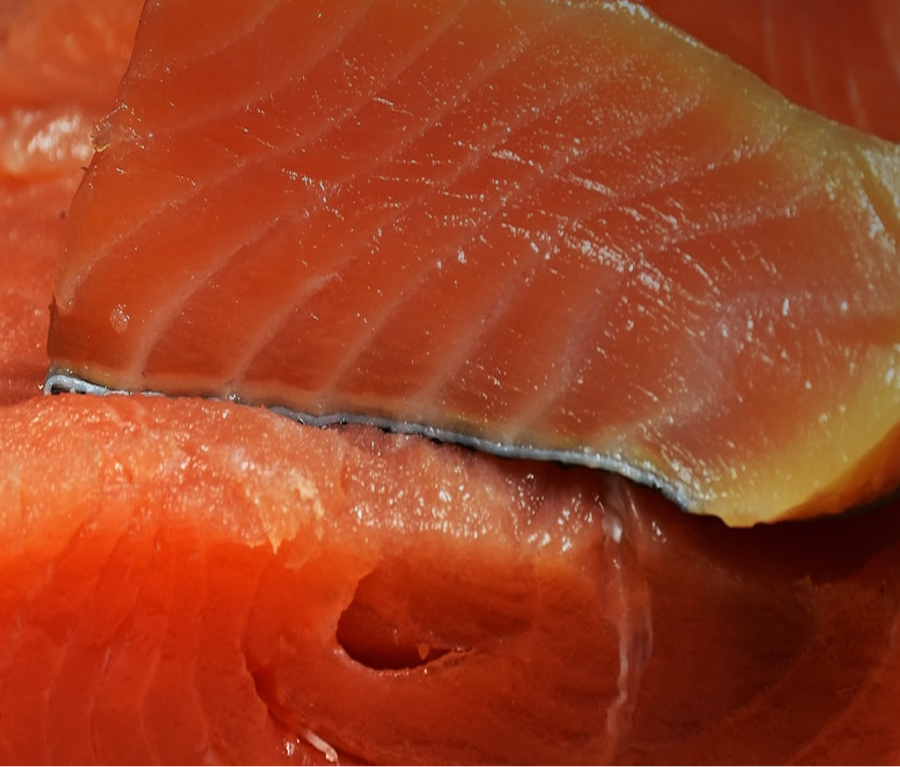
The sardine fast serves as a nutrient-dense, practical option that supplies essential omega-3s, selenium, and high-quality protein; this is a reasonable option for women needing to support lean muscle mass and thyroid health. However, it is vital to recognize that 5 days of significant caloric reduction remains a notable stressor for most women.
And for women navigating perimenopause and menopause, where cortisol may already be dysregulated, the clinical success of either FMD or a sardine fast depends heavily on metabolic timing and bio-individual needs.
The views expressed by our expert are entirely their own. There is no financial, professional, or organizational affiliation between the expert featured in this Q&A and our sponsor.
Disclaimer: This newsletter is provided for educational and informational purposes only and does not constitute providing medical advice or professional services. The information provided should not be used for diagnosing or treating a health problem or disease, and those seeking personal medical advice should consult with a licensed physician.

September 30, 2026

September 29, 2026

September 24, 2026

September 18, 2026
September 11, 2026

September 4, 2026

August 29, 2026

August 21, 2026

August 15, 2026