Fitness
muscle
Supplements
Blood sugar
Electrolytes
Electrolytes Q&A with Dr. Nick Norwitz

April 17, 2026

April 17, 2026
Electrolytes have bulldozed their way into the conversation and have taken a primary seat at the wellness table alongside protein, creatine, and fiber. The global electrolytes drink market is worth over $40B, and is projected to double by 2034.
That’s a lot of expensive salt.
Last week, we explored electrolytes: what they are, if we really need them, and why the market is exploding.
Dr. Nick Norwitz graduated valedictorian from Dartmouth College, where he majored in cell biology and biochemistry. He earned his PhD in Human Metabolism from the University of Oxford and completed his MD at Harvard Medical School.
During his training, a personal health struggle ignited a deep passion for metabolic health and a mission to empower others on their individual health journeys. Nick has since become a leading voice in the metabolic health space, best known for the intellectual rigor and clarity of his educational content, which reaches millions worldwide. He also authors a best-selling newsletter at StayCuriousMetabolism.com.
Today, he answers your questions.
Electrolyte imbalance symptoms are often broad and nonspecific. For example, low sodium may present with headache or fatigue; low potassium with constipation or heart palpitations; and low magnesium with muscle cramps or weakness.
Importantly, these symptoms have many potential causes, so their presence alone does not confirm an electrolyte disturbance. This nonspecificity makes electrolyte imbalances difficult to identify and manage based on symptoms alone.
A practical approach is careful, hypothesis-driven self-observation: If a suspected imbalance is corrected, do symptoms reliably improve, and is the pattern reproducible? Laboratory testing can be helpful, but serum electrolyte levels are dynamic and may not accurately reflect the electrolyte status of various organs. Therefore, cautious and systematic personal experimentation may offer the most useful insights.
Table salt is sodium chloride, so if you are relatively low on sodium, adding salt to food—either to taste or slightly beyond—can be a reasonable strategy. However, electrolytes extend beyond sodium and include potassium and magnesium.
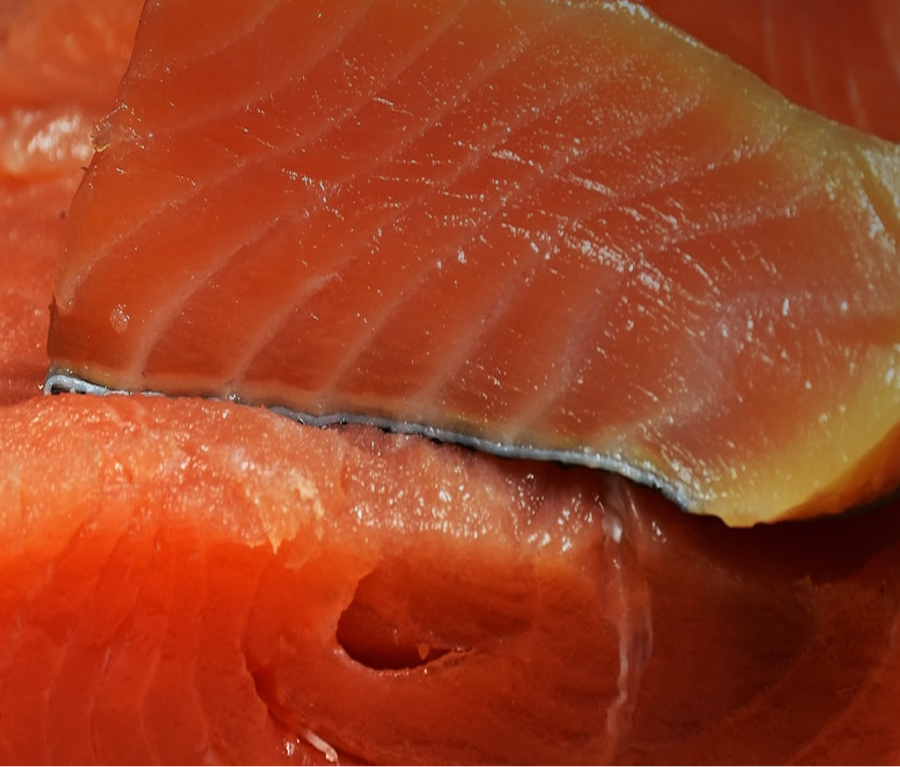
Potassium is found in a wide range of foods, not just bananas (~420 mg per medium banana), but also salmon (~400–600 mg per 3 oz), bacon (~150–200 mg per 2 slices), zucchini (~300 mg per cup cooked), guava (~400–700 mg per cup), and avocado (~700–1,000 mg per avocado). Magnesium is abundant in foods like dark chocolate (~60–70 mg per ounce) and especially pumpkin seeds (~150–170 mg per ounce).
Obtaining electrolytes from whole foods is a valid approach and may be preferable for some. However, electrolyte supplements offer advantages in both convenience and dosing precision—particularly if you are experimenting to find your “sweet spot” for a given electrolyte. For example, one teaspoon of a potassium-rich salt substitute (such as a “low-sodium” salt) can provide roughly 1,800 mg of potassium—comparable to about four bananas. For individuals targeting a daily intake of around 3,500 mg of potassium, this can make meeting those goals significantly easier.
This seemingly simple question is, in reality, enormously complex. A common misconception is that a high-sodium diet universally increases blood pressure. In fact, it has long been recognized that sodium restriction does not lower blood pressure in all individuals. This raises an important question: Why do responses to sodium vary so widely?
One proposed explanation involves body fat. Fat tissue is not merely inert energy storage; it is an active endocrine organ that secretes hormones influencing multiple systems, including the kidneys and central nervous system. One such hormone, leptin, is elevated in individuals with excess body fat and has been shown to alter vascular structures including at the blood–brain barrier. This may initiate downstream effects that increase blood pressure and contribute to salt sensitivity.
As a result, individuals with obesity may be more likely to experience increases in blood pressure with higher sodium intake. In this context, moderating sodium intake—including from electrolyte supplements—may be reasonable. However, this is not a universal rule. Individual responses can vary, and personal experimentation can be informative.
If increasing sodium intake raises blood pressure, that signal may be meaningful. Conversely, in lean, active individuals, sodium restriction may provide little benefit. Ultimately, the relationship between sodium and blood pressure is highly individual.
Electrolyte supplements are fine for kids. Sports drinks are mostly sugar with no real hydration advantage—just strong marketing. Start with water. If adding electrolytes helps them drink more or feel better, that’s reasonable.
For most kids, sports drinks add little beyond extra sugar.
Disclaimer: This newsletter is provided for educational and informational purposes only and does not constitute providing medical advice or professional services. The information provided should not be used for diagnosing or treating a health problem or disease, and those seeking personal medical advice should consult with a licensed physician.

October 16, 2026

September 30, 2026

September 29, 2026

September 24, 2026

September 24, 2026

September 18, 2026
September 11, 2026

September 4, 2026

August 29, 2026