Preventative Health
Inflammation
Supplements
Antioxidant
The Glutathione Issue

June 4, 2026
June 4, 2026
Glutathione is one of the most important molecules in your body. Your cells make it and spend it every second. Your liver leans on it constantly. Your mitochondria rely on it to manage the oxidative stress that comes with producing energy. Your immune cells depend on it to function properly.
Glutathione sits at the center of how your body handles stress at the cellular level. When that system isn’t optimized, things tend to break down. Your metabolism suffers, your immune function becomes less efficient, and your recovery slows down.
Calling glutathione an antioxidant is technically correct. But it’s an undersell, because glutathione also:
When researchers call it the “master antioxidant,” they’re pointing to how central it is within that network.
Your body can produce plenty of glutathione when conditions are right. Fortunately or unfortunately, “conditions being right” usually means the same handful of inputs we keep coming back to: food, sleep, exercise, alcohol, stress.
In health, nothing trumps lifestyle.
But we can support glutathione in a few ways. Let’s dig into the what, why, and how of it all.
Glutathione is a small molecule your body makes from three amino acids: cysteine, glutamate, and glycine. Cells make it throughout the body, so you don’t need to consume glutathione itself, but you do need adequate nutrient intake to support its production.
Two things matter here.
First, where it lives. Glutathione isn’t really circulating in your blood. It’s inside your cells, at much higher concentrations than you’ll ever see on a lab test. Most of it sits in the fluid of the cell. A meaningful portion is inside the mitochondria, where a lot of oxidative stress is generated in the first place.
Second, what makes it work. The key part of the molecule is a sulfur group from cysteine. That sulfur is what actually does the job. It neutralizes free radicals, binds to toxins and heavy metals, and helps recycle other antioxidants so they can keep working.
Glutathione also isn’t static. It’s constantly being recycled.
In its active form, it handles oxidative stress. In the process, it becomes oxidized. Your body then recycles it back into its active form so it can keep going.
This cycle runs all day. When it’s working well, most glutathione stays in its active state. When it’s overwhelmed, more of it gets stuck in its oxidized form.
That shift is a useful marker of rising oxidative stress. It shows up in the ratio of GSH (active glutathione) to GSSG (oxidized glutathione). It is widely used in research and specialized testing, but it’s not easy to measure outside of specialized settings.
What you can track is total glutathione in whole blood. It won’t give you the full picture, but it gives you something to watch over time.
Oxidation is what happens when molecules lose electrons and become unstable.
In your body, this is happening all the time. Normal processes like making energy create unstable molecules called free radicals. These molecules are missing an electron, so they pull electrons from other parts of your cells, like membranes, proteins, or DNA.
When they do that, they damage those structures. And over time,that damage builds. It affects how cells function, how they repair themselves, and how they age.
An antioxidant steps in and gives up an electron to neutralize those free radicals before they can do that damage. It helps prevent or reduce oxidative damage in the body.
That’s the entire job. Glutathione stands out because it’s not just used once and gone. It’s part of a continuous cycle inside your cells, staying active, being restored, and supporting other antioxidants along the way.
Free radicals (more precisely reactive oxygen species) are constantly being generated by normal cellular processes, especially energy production in your mitochondria. Left unchecked, they damage DNA, proteins, and cell membranes. Glutathione neutralizes them before that damage can build. This is the most talked about function of glutathione, and the reason it’s called the “master antioxidant.”
Glutathione is part of an interconnected antioxidant network. It helps regenerate oxidized vitamin C. Vitamin C can help recycle vitamin E, allowing these antioxidants to keep working.
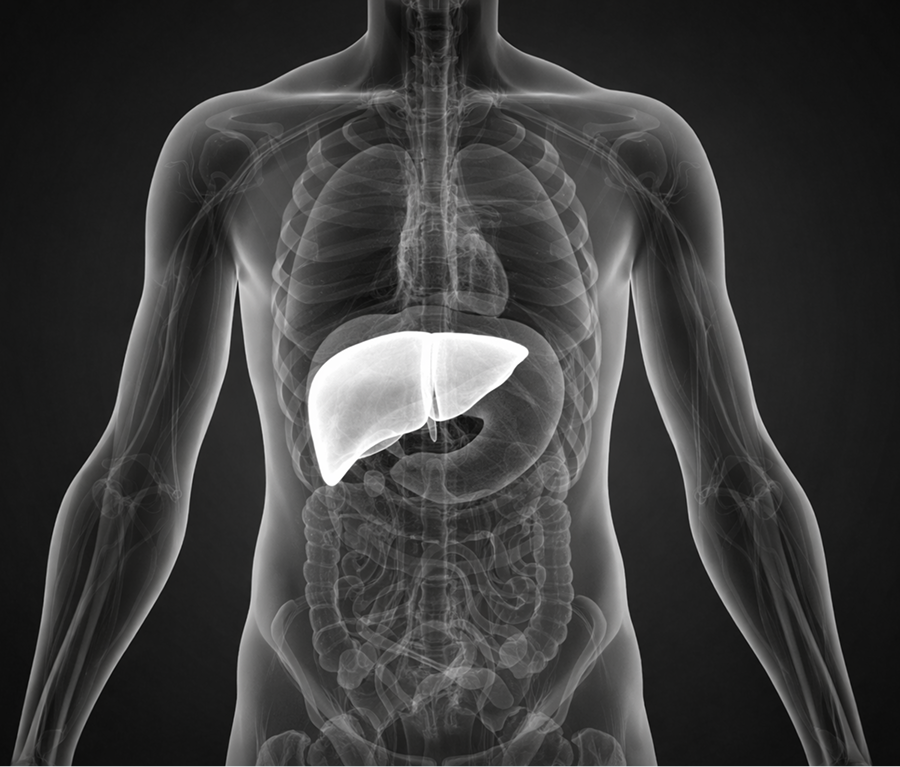
Glutathione is a key part of phase II liver detoxification. It can attach to certain reactive compounds, which often makes them more water-soluble and easier for the body to eliminate through bile or urine.
Without that step, many of these compounds stick around longer than they should and are more likely to damage cells.A well-known example is acetaminophen. When you take Tylenol, your body produces a toxic byproduct called NAPQI. Glutathione neutralizes it. In an overdose, glutathione gets depleted, and that’s when damage happens. The hospital treatment is NAC, a precursor that helps your body rebuild glutathione quickly enough to keep up.
Your immune cells rely on adequate glutathione to function. It helps them generate the oxidative bursts used to kill pathogens, while also protecting them from the damage that process creates. When levels are low, immune response weakens, recovery slows, and susceptibility to infection increases.
Your mitochondria produce ATP, your cellular energy currency. They’re also one of the main sources of free radicals. Glutathione concentrates inside mitochondria to neutralize those byproducts and prevent them from damaging the machinery that produces your energy in the first place.
Glutathione plays a role in DNA replication and helps repair oxidative damage over time. This is one of the reasons it shows up so often in aging and cancer research.
A lot of responsibility for one molecule. And all of it depends on your ability to produce and recycle it fast enough to keep up.
Could Glutathione Be One of the Missing Pieces in How You Feel and Age?
Glutaryl™ was developed to help solve one of the biggest challenges in wellness: effective delivery and absorption of the body’s master antioxidant, glutathione.
Most people think about energy, sleep, recovery, and aging as separate issues. But underneath all of them is one thing: oxidative stress.
Everyday exposures like pollution, poor sleep, processed foods, alcohol, chronic stress, and even intense exercise can generate more free radicals than the body can comfortably keep up with. Over time, this oxidative burden can affect how you feel, how you recover, and how you age. That’s why maintaining healthy glutathione is essential.
Glutathione is an extremely fragile molecule, and many traditional delivery methods struggle to deliver it effectively.
That’s the idea behind Glutaryl™, a multi-patented topical glutathione designed with a unique approach to support absorption for convenient, everyday use at home.
When the body is better supported against oxidative stress, everything functions a little better.
Use code Eudemonia for 15% off through July 15.
Glutathione levels and synthesis tend to decline with age, and many studies find lower levels in older adults.
Some of it is genetic and unavoidable (key synthesis enzymes slow with age). But a lot of it is lifestyle.
Here are the big drains.
In some studies, glutathione levels in the lungs and airway lining fluid were reduced by about 80% in chronic alcohol abuse, and alcohol also increases glutathione demand in the liver. Even moderate, regular drinking puts noticeable pressure on the system.
Both produce massive oxidative loads that pull glutathione out of the lungs and bloodstream.
Cortisol and inflammatory signaling burn through glutathione. Long-term stress reliably lowers cellular GSH levels.
Sleep is when your body resets oxidative balance. Chronic short sleep has been shown to reduce glutathione peroxidase activity (the enzyme that uses GSH to neutralize peroxides), and insomnia patients consistently show worse GSH:GSSG ratios than healthy sleepers
Regular Tylenol or NSAID use draws on glutathione reserves over time.
Diabetes, autoimmune disease, fatty liver, and cardiovascular disease are all associated with depressed glutathione levels.
A lot of glutathione decline is preventable. Aging accelerates it, but most of the damage comes from the same modern stressors that affect everything else: alcohol, sleep loss, chronic stress, environmental load, processed food.
The fixes are familiar, which is good news.
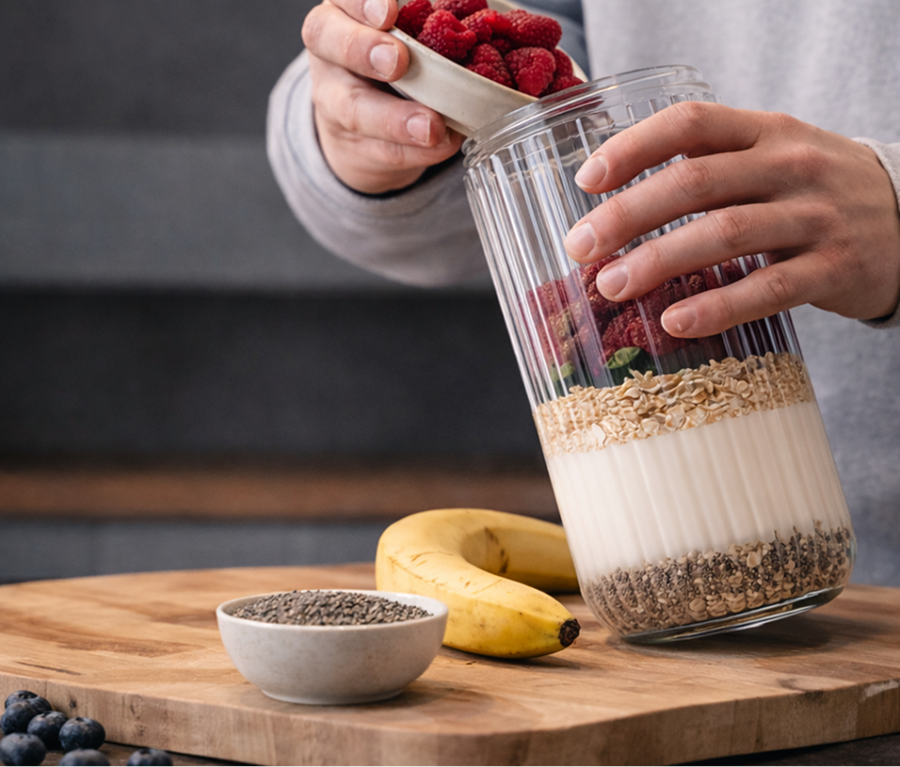
When people talk about “eating for glutathione,” what they usually mean is supporting your body’s ability to produce and recycle it.
You’re not topping it off directly. You’re feeding the system that makes it.
Your body builds glutathione from three amino acids: cysteine, glycine, and glutamate. But cysteine is usually the bottleneck. If it’s low, production slows, even if glycine and glutamate are available. That’s what you’re really trying to support.
From there, a few levers matter.
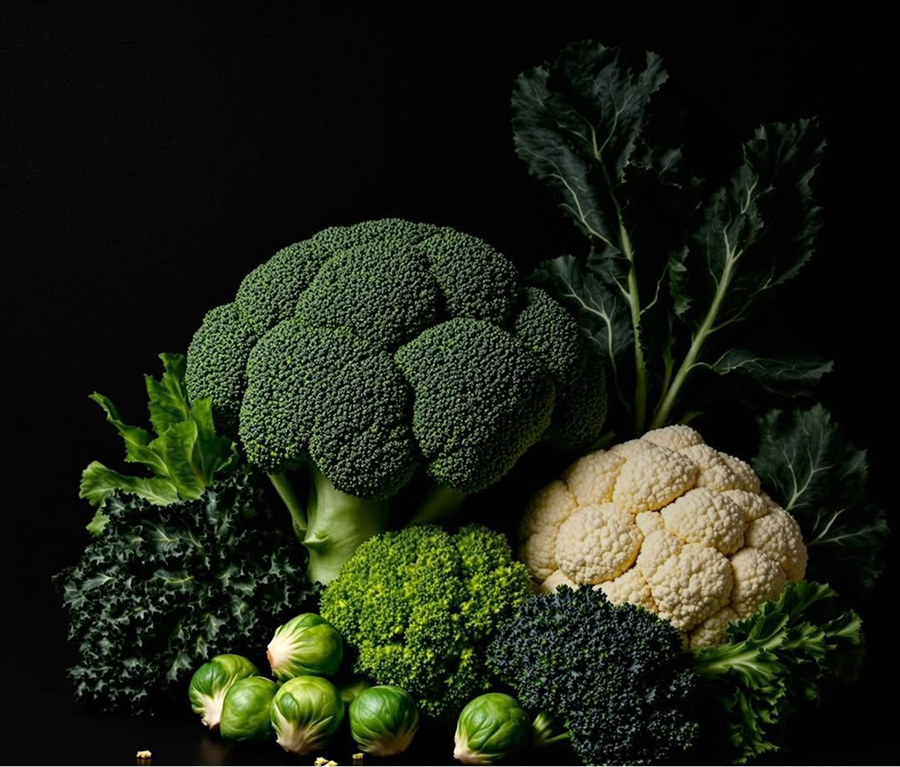
Broccoli, cauliflower, Brussels sprouts, kale, cabbage. These don’t give you glutathione directly. They contain compounds that activate Nrf2, which signals your body to produce more of the enzymes that make and use glutathione. Light steaming preserves more of them than boiling.
Raw broccoli sprouts are probably the most potent food lever for turning glutathione production on. You don’t need a huge amount. A small handful of broccoli sprouts a day is enough to get most of the benefit, especially if you’re consistent.
Garlic, onions, leeks, shallots. These don’t provide glutathione directly, but they supply sulfur compounds that support the chemistry behind it, especially the cysteine side of the molecule. Those compounds are formed when you chop or crush them, so let them sit for a few minutes before cooking, and avoid prolonged high heat.
Glutathione production depends on adequate protein intake, especially enough cysteine. Whey is a particularly cysteine-rich option, while eggs, fish, poultry, and some plant foods also contribute to the amino acids needed to make glutathione.
Selenium is a cofactor for glutathione peroxidase, the enzyme that actually uses glutathione to neutralize peroxides. Without enough selenium, that part of the system slows down. Brazil nuts are the most concentrated source. One or two per day is enough.
Vitamin C helps recycle glutathione back to its active form after it’s been used. Bell peppers, kiwi, and citrus are all good sources.
One misconception worth clearing up: foods that contain glutathione, like asparagus, avocado, and spinach, don’t deliver much of it intact. Digestion breaks it down before absorption. What you’re really after are the precursors and cofactors, not the molecule itself.
Cooking matters more than people think. Heat degrades many of these compounds. Lightly steamed beats boiled. Raw, where appropriate, beats cooked.
Regular training increases glutathione over time. The brief oxidative stress from exercise signals your body to produce more of its own antioxidants, including glutathione. This is one of the real adaptations that compounds with consistency. Extreme overtraining without recovery can do the opposite, but that’s not most people’s problem.
You need 7 to 8 hours. Almost everything we talk about eventually comes back to sleep. Glutathione is regenerated during sleep. Your brain’s clearance systems are more active. Inflammatory load comes down. There’s no supplement stack that compensates for chronic short sleep, including NAC.
Already covered, but worth reinforcing. Alcohol is one of the most common and preventable drains on glutathione. Your body uses it up quickly to process alcohol and its byproducts. Knowing that tends to change the calculation a bit.
Glutathione isn’t something you top off. It’s something your body is constantly producing, using, and recycling. If that system is working, you’re covered most of the time.
But there are stretches where demand goes up. Travel, poor sleep, alcohol, stress. In those moments, the system can get stretched a bit.
That’s where supplementation starts to come into the picture.
For a long time, oral glutathione was dismissed as ineffective, because digestion breaks it down before absorption. That view has softened.
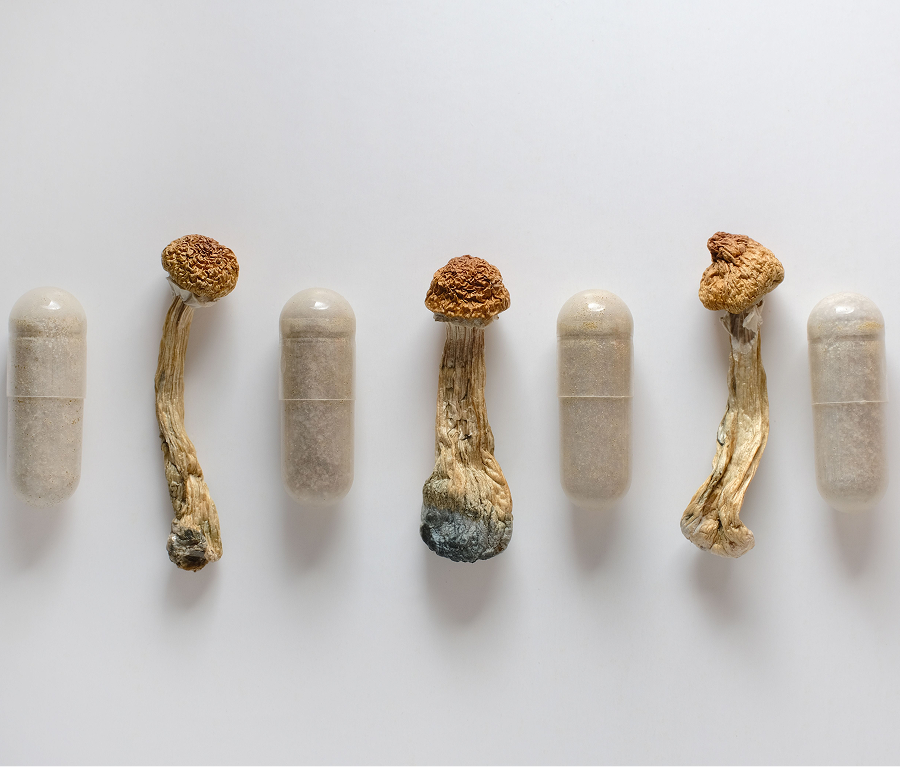
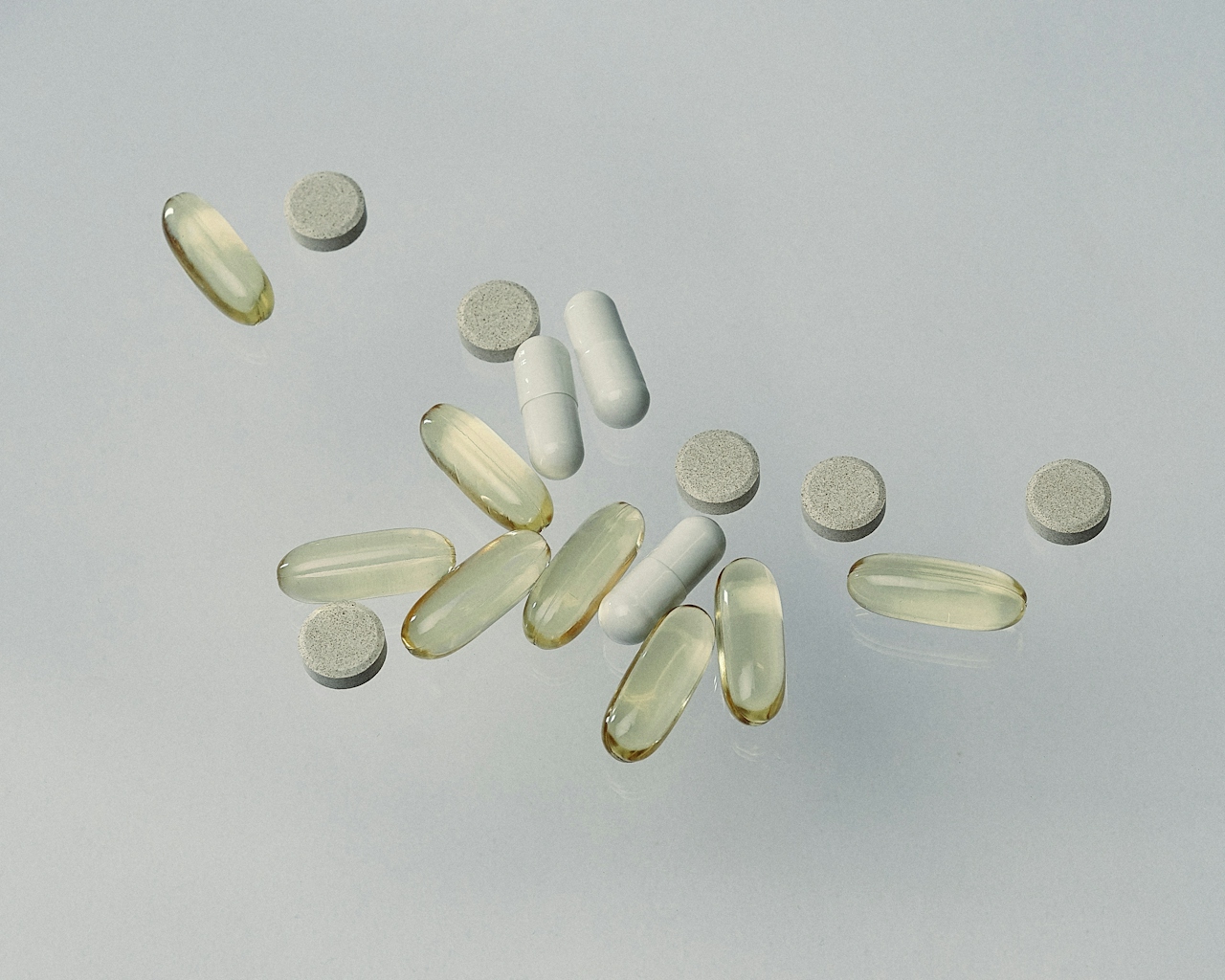
An RCT out of Penn State found that standard oral glutathione raised whole blood levels modestly over six months. Liposomal forms appear to perform better. Encapsulation in phospholipids protects the molecule through digestion and improves uptake. In one study, 500 to 1000mg daily raised blood glutathione by roughly 40% in two weeks, along with increases inside immune cells.
But it’s still additive. It doesn’t fix a weak production system, and it doesn’t integrate into the recycling loop the same way endogenous glutathione does. Think of it as a layer you add when you want more coverage, not a replacement for the foundation.
NAC has the strongest overall case. It’s a stable, well-absorbed precursor to cysteine, which your body then uses to build glutathione inside cells, where it actually does its work. You’re not trying to push glutathione into the bloodstream. You’re giving your body the limiting input it needs to produce it where it’s needed.
The clinical data here is deep. NAC has been used for decades in medicine, most notably as the standard treatment for acetaminophen overdose. The entire mechanism is restoring glutathione fast enough to prevent liver damage. In everyday use, the effects are less dramatic, but directionally consistent. Typical doses are 600 to 1,800 mg per day.
If you’re going to do one thing, this is probably it.
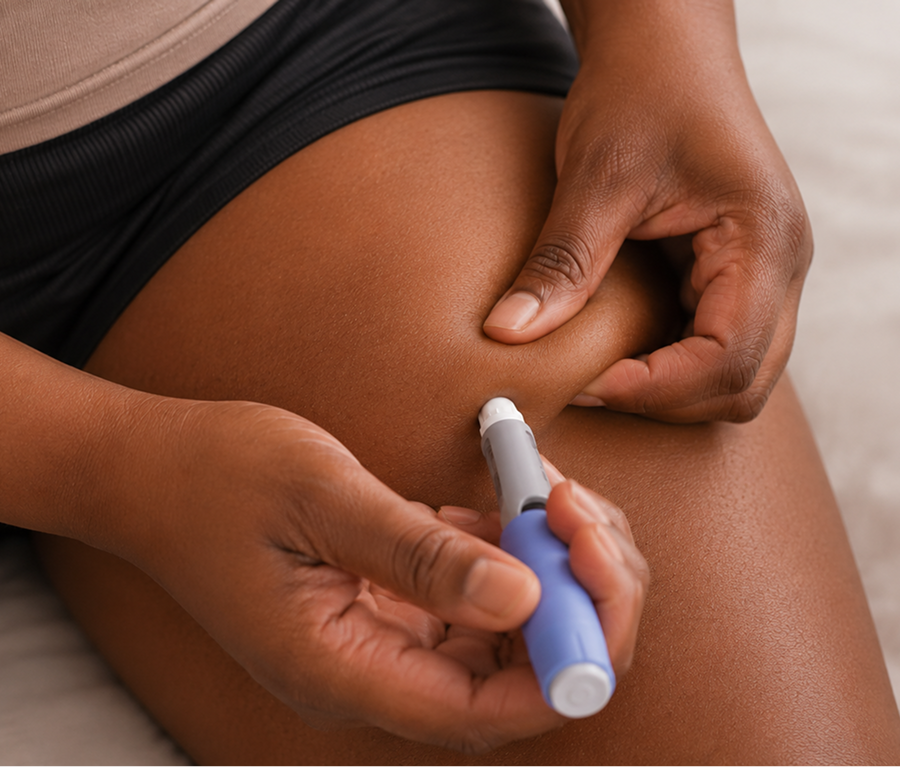
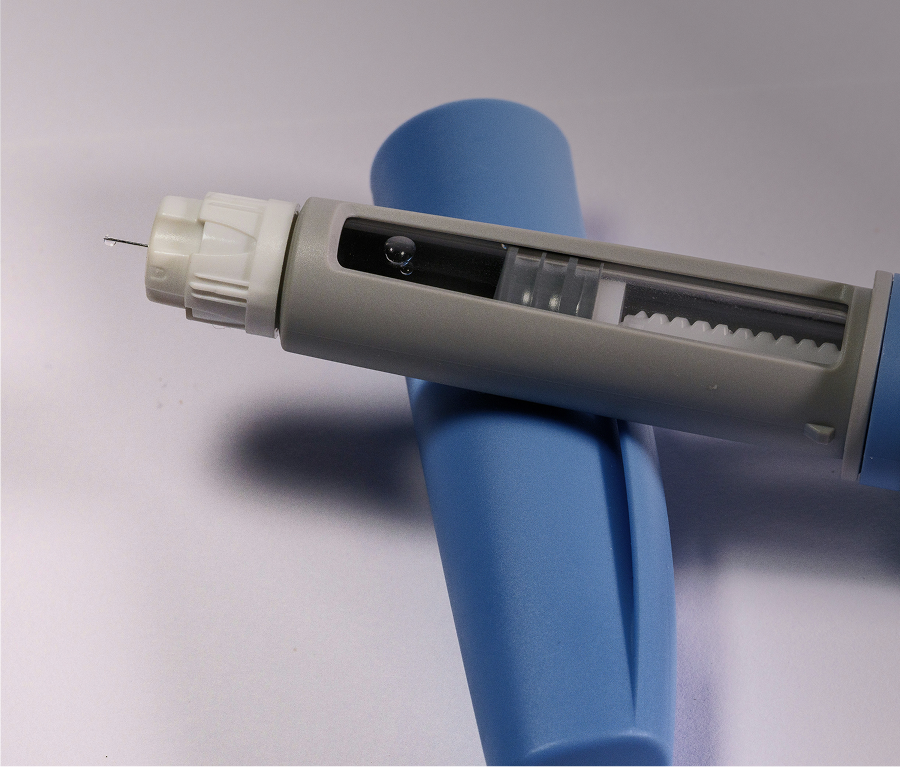
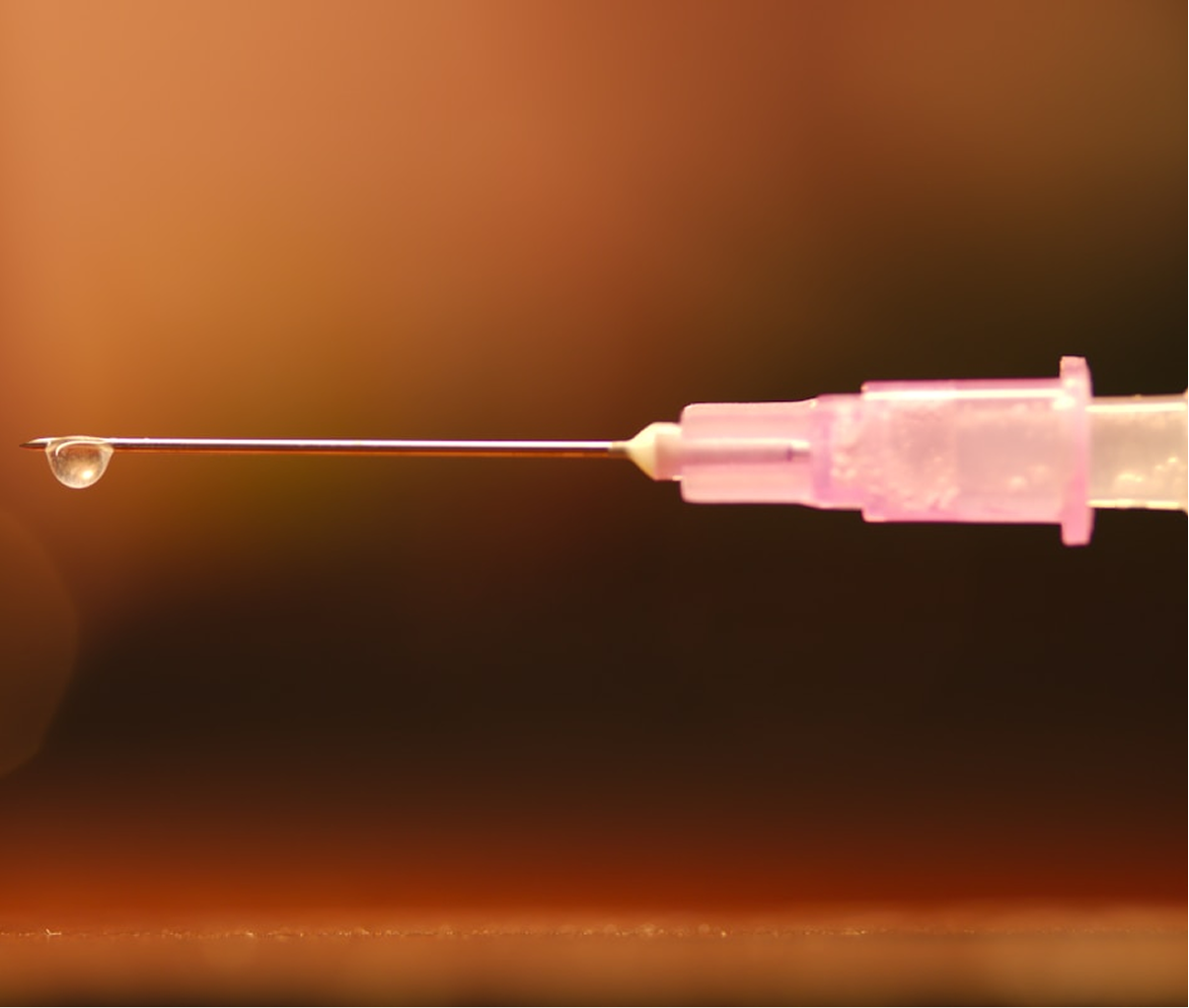
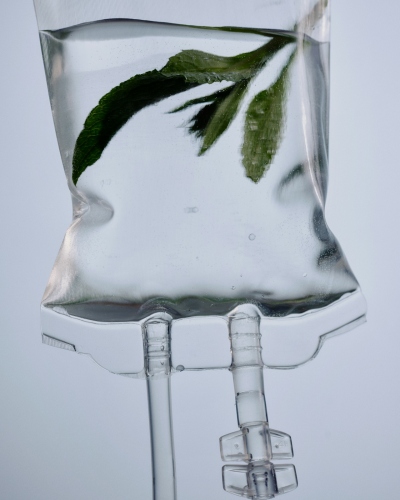
IVs and injections do exactly what they’re supposed to do. They bypass digestion and create a rapid increase in circulating glutathione. That’s why they’re used clinically, when you need to raise levels quickly and meaningfully.
But most glutathione does its work inside cells, not in the bloodstream. And getting it from the blood into cells isn’t straightforward. So a spike in circulating glutathione doesn’t necessarily translate to a large or lasting increase where it matters. What you get is a short-term bump, not a change in your underlying capacity.
Before a trip or a high-stress stretch, when you’re heading into a period where oxidative load is going up, this may help buffer that. But as a routine “immune boost,” the evidence is thin. I’d think of it as a tool for specific situations, not something to rely on regularly.
The usual caveat applies. Sleep, alcohol, diet, and stress will move this more than supplementation will. Supplements work best as the last layer on top of a system that’s already functioning well.
So do you focus on supporting your body’s ability to produce glutathione, do you supplement it directly, or do you use it more strategically when demand is high?
The honest answer is yes to all three, in roughly that order.
Supporting production comes first and does most of the work. How you eat, how you sleep, how much you drink, how much stress you carry around. Those are the levers that actually change what your body is able to do on its own. Glutathione isn’t something your body struggles to make. Most of the time we just create the conditions that make it harder.
After that, supplementation starts to make more sense. NAC fits cleanly into that picture. It supports production, the mechanism is straightforward, and the evidence is deep. Liposomal glutathione is more of an add-on. It can move levels, but it’s not doing the same thing. The two aren’t redundant.
And then there’s the situational piece. Before a long flight, after a stretch of bad sleep, coming off illness, or anytime I know demand is about to go up . . . that’s when I find myself trying to boost with a shot or an IV.
Disclaimer: This newsletter is provided for educational and informational purposes only and does not constitute providing medical advice or professional services. The information provided should not be used for diagnosing or treating a health problem or disease, and those seeking personal medical advice should consult with a licensed physician.
September 30, 2026

September 29, 2026
September 24, 2026

September 18, 2026
September 11, 2026

September 4, 2026

August 29, 2026

August 21, 2026

August 15, 2026