The Community Q&A with Steve Gross
October 30, 2026

October 30, 2026
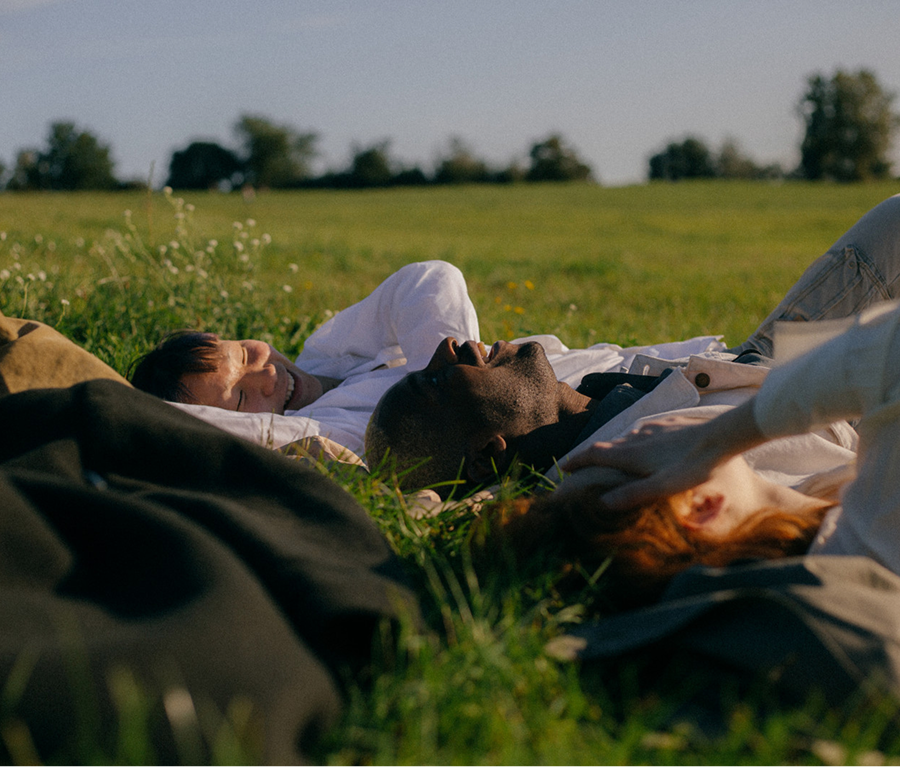
Last week, we explored something that sits at the heart of Eudēmonia: community.
We spend so much time thinking about the things we can do individually to improve our health. What we eat, how we move, how we sleep. But the people we surround ourselves with can have an equally profound influence on how we feel and how well we age.
And unlike so many aspects of health, the benefits of community aren’t something we have to work particularly hard to enjoy. Spending time with people we care about is one of life’s great pleasures. It just happens to be good for us, too.
If you missed it, you can catch up on The Community Issue.
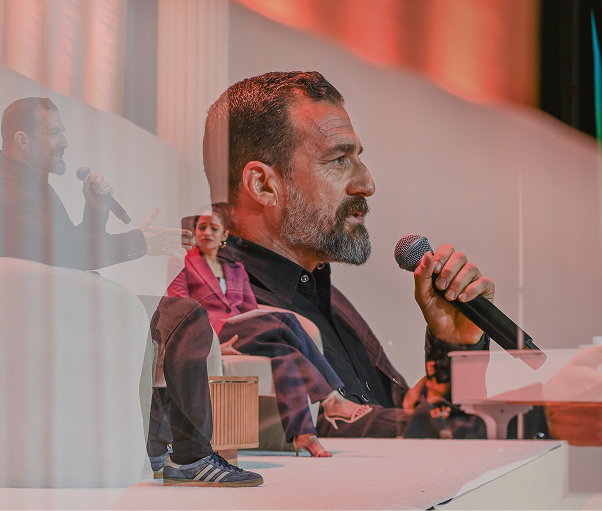
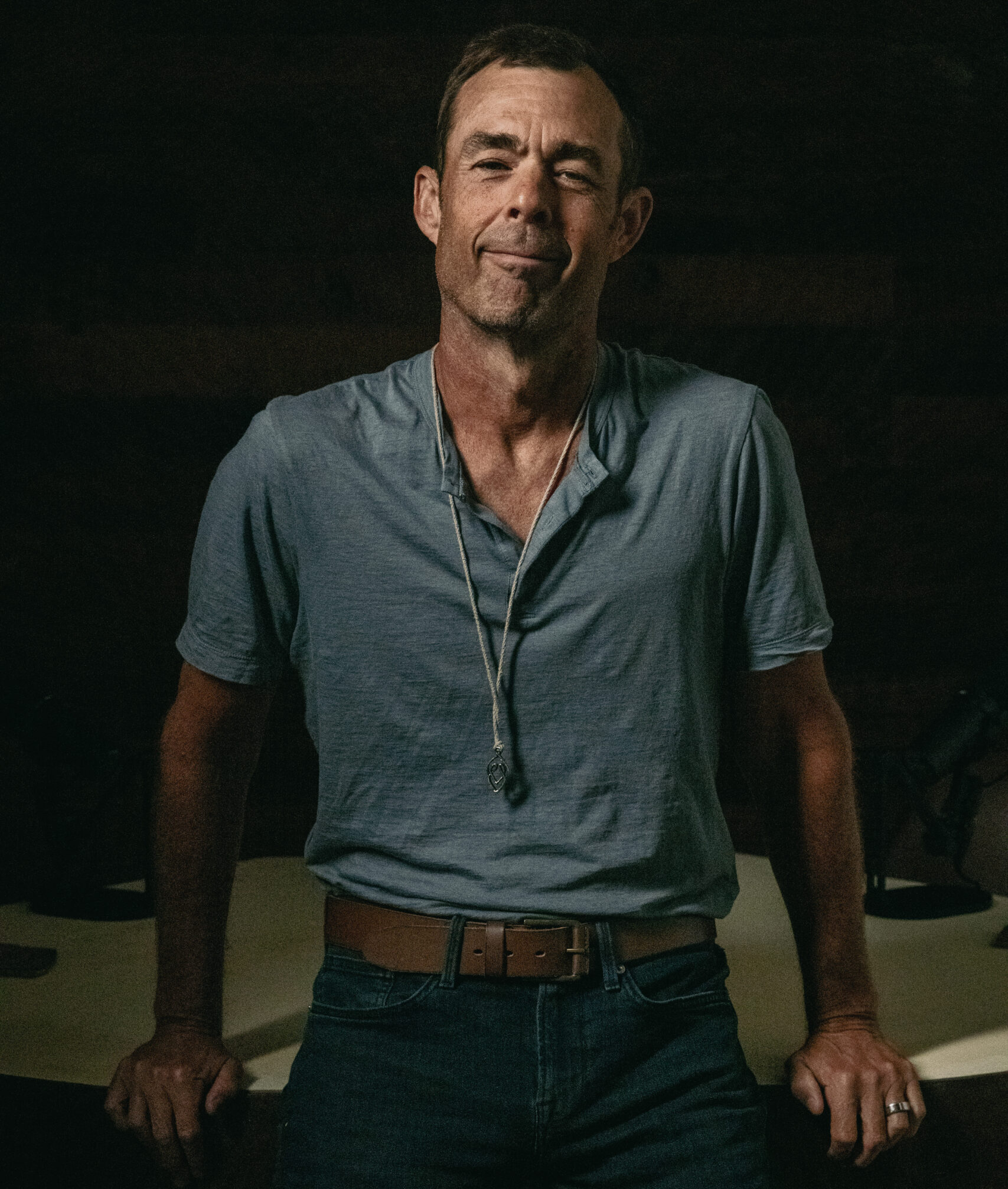
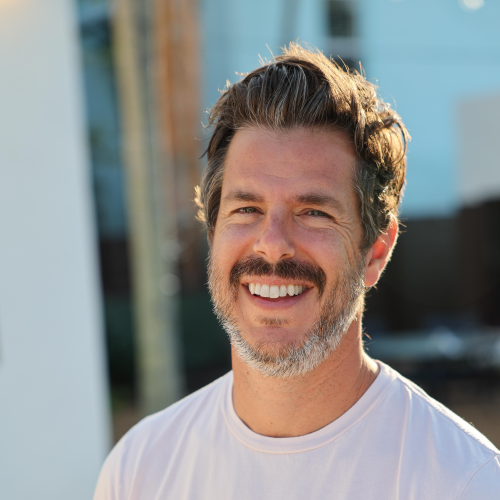
Steve Gross is the founder and chief playmaker of The Life is Good Playmaker Project, dedicated to demonstrating how the power of play can build healing, life-changing relationships. For over 30 years, Steve has pioneered and led movements for innovative, play-based, trauma interventions for communities around the world. His work has been featured in Forbes, recognized by international trauma experts, and highlighted as an example of the therapeutic power of play in the longtime #1 New York Times bestseller, The Body Keeps the Score.
We have a habit of separating emotional health from physical health. It’s like we think of our emotions as these mysterious, invisible things floating around between our ears, while our physical health is the stuff that happens in the rest of our bodies.
Emotional health is physical health.
Our brain is an organ. That is why I like to think about our “mental health” as simply our “brain health.” Every emotion we experience involves real, measurable biological changes. When we feel joy, love, fear, anger, or sadness, our brain and body are busy doing all kinds of things. Neurotransmitters are being released, hormones are fluctuating, neural circuits are firing, and our nervous system is responding.
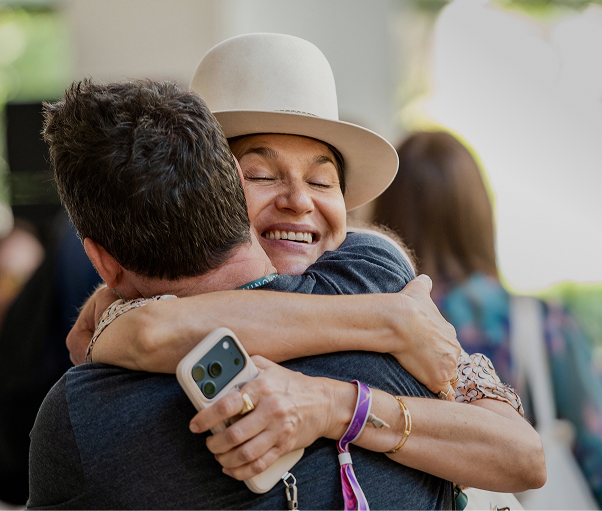
When you're embarrassed, your face turns red. When you're scared, your heart races. When you're grieving, you literally ache. And when someone you love gives you a comforting hug, you can physically feel your body relax.
One of the most powerful things we can do for our health is to connect with other humans. It doesn’t cost a thing, doesn't require a prescription, and usually comes with only a few unpleasant side effects. Unless of course, you connect with me.
We humans are herd animals.
When we're hanging out with people who see us, who value us, who make us smile and laugh, awesome stuff happens in our body. Our heart rate slows down. Our blood pressure drops. We produce less cortisol and our brains throw a party and gift us with our daily “dose” (Dopamine, Oxytocin, Serotonin, and Endorphins).
Our brains know that we can’t survive on our own. So when we are surrounded by our “tribe”, we have a physical experience of feeling protected, loved, valued, and part of something bigger than our little ol’ selves. And when that happens, our bodies don’t have to work so hard to protect us from danger.
The opposite happens when we feel isolated and lonely. Being—or feeling—alone can be perceived as a threat to our very survival. When this happens our stress response is activated and prolonged. Sleep suffers. Inflammation increases. And over time, the risks of heart disease, stroke, depression, and premature death all rise.
From an evolutionary perspective, it makes a lot of sense. For most of human history, getting kicked out of your tribe wasn’t just a bummer; it was a death sentence. People don’t just need each other emotionally; we need each other biologically—especially when we are really young.
Kids don't come into the world knowing how to survive or calm themselves down when life gets tough. They can’t even do it when things are easy. They develop these capabilities through consistent relationships with loving, attuned, and responsive adults.
And play is the single best way to build those relationships.
Vibrant is the precision clinical laboratory that partners with providers to deliver a more complete understanding of their patient.
Through comprehensive testing, clinically meaningful insights, and an integrated experience, Vibrant empowers providers to make more confident decisions.
Visit Vibrant at Eudēmonia to see how precision testing can bring more clarity to care. On Friday, November 6, Vibrant will be giving away a copy of Andrew Huberman’s new book, Protocols.
When it comes to friendships, I think quality matters more than quantity.
Just knowing that you have people in your life who love you, care about you, and who you could call at 3:00 in the morning if you needed them can be incredibly grounding.
It's kind of like when you were a little kid playing alone in your room, knowing your parents were somewhere in the house. Even though they weren't actually with you, they were with you.
Solitude can feel wonderful. Feeling isolated doesn’t.
It might be worth asking yourself why you don't see your friends more often and what you can do about it.
Maintaining friendships takes effort. The older we get, the busier we get, and the harder it is to spontaneously get together with people. And as the old saying goes, failing to plan is planning to fail.
If having good friends is important to you—and from a health and well-being perspective, it absolutely should be—then it's worth making a concerted effort to get together with them more often. And if they live far away, there's always the phone, FaceTime, or a good old-fashioned text thread to stay connected between visits.
Think about it this way. If you want to stay physically healthy, you probably inconvenience yourself by making time to exercise. You schedule workouts, go to the gym, or drag yourself out for a walk when you'd rather be sitting on the couch.
Well, research tells us that the quality of our relationships is an even better predictor of our long-term health and happiness. So doesn’t it make sense to be as intentional about making time for friends as it does to make time to work out?
Nobody expects to stay physically fit by going to the gym twice a year. So why should we expect our relationships to thrive without investing more time into them?
So my advice would be to spend as much time as possible with the people you care about and who care about you.
I promise you won’t regret it.
First off, I'd let them know that introverts are awesome, and that there’s absolutely nothing about being introverted that needs fixing. The goal isn’t to become more extroverted. It’s to become more connected. Because introverts, just like extroverts, need meaningful relationships to thrive.
How they go about building those relationships can look very different. For some introverts, the thought of going to a big party, attending a networking event, or striking up a conversation with a complete stranger at the grocery store can seem like torture. But having dinner with a couple of good friends, grabbing coffee with a coworker, or taking a walk with a neighbor might not feel so hard.
I'd encourage them to start small. Forget about trying to become the life of the party. Just think about one person you'd enjoy spending a little more time with. Give them a call. Invite them to catch a movie, check out that new sushi place down the street, or play a game of pickleball.
I’d also encourage them to play.
One of the cool things about play is that it gives people a way to connect without having to work so hard. When you're doing something you enjoy with another person, there’s less pressure to be interesting, entertaining, or conversational. You're just two people doing something together.
I did this all the time when I was working with shy kids. Instead of sitting across from them trying to force a conversation, I’d play a game with them. Sometimes we'd go long stretches without saying a word. Inevitably, eventually, a few words would be uttered. Then a few more. And before we knew it, we were having a full-fledged conversation!
Last, I'd share something I saw years ago that really stuck with me—a sign hanging in an office that read: “Welcome. Please make yourself uncomfortable.”
When I asked the owner about it, he asked me if I’d ever accomplished anything meaningful in my life by staying comfortable.
Some of the most important things in life require us to stretch a little. To take a chance. To risk feeling awkward, vulnerable, or unsure of ourselves. That’s where growth happens.
I'm certainly not suggesting that introverts need to push themselves into situations that feel overwhelming or pretend to be someone they're not. But I do think there's something powerful about discovering that we're capable of more than we thought we were.
When you’re a kid, you see the same people every day. You see them at school, sit next to them in social studies, play with them at recess, and, over time, naturally become friends. You don’t need to schedule coffee three weeks in advance.
As we get older, we start to lose those natural opportunities to connect.
We go to work, come home, figure out what to eat for dinner, handle the tasks of daily life, watch a show, go to sleep, and repeat. Even when we meet plenty of people along the way, we rarely spend enough relaxed, unstructured time together to develop a real connection.
And when we were younger, we’d just walk up to another kid and ask, “Do you want to play with me?” Liking spiders was all the common ground you needed to get a friendship started.
As adults, though, we become more aware of social dynamics, and we’re terrified of rejection. We play it safe. We wait for the other person to make the first move. And when neither of us does, the friendship never gets off the ground.
Besides, just liking spiders isn’t enough anymore. As we get older, we want friends who respect our values, share our sense of humor, appreciate us for who we are, and make us feel comfortable enough to show our true selves. That kind of intimacy takes time.
And then there’s this: starting over sucks.
It’s hard not to compare new friends to old ones. New friendships can’t immediately replicate that effortless familiarity, the “remember that time” stories, the inside jokes, or the feeling of being understood without having to explain yourself.
Those old friends are once-in-a-lifetime friends.
But then again, so are the new friends we have yet to make—if we let ourselves make them
Disclaimer: This newsletter is provided for educational and informational purposes only and does not constitute providing medical advice or professional services. The information provided should not be used for diagnosing or treating a health problem or disease, and those seeking personal medical advice should consult with a licensed physician.
The views expressed by our expert are entirely their own. There is no financial, professional, or organizational affiliation between the expert featured in this Q&A and our sponsor.
October 30, 2026
October 23, 2026

October 16, 2026
September 30, 2026

September 29, 2026
September 24, 2026
September 24, 2026

September 18, 2026

September 11, 2026