Preventative Health
Hormones
Liver
The Alcohol Issue

July 2, 2026
July 2, 2026
Ethanol (also called ethyl alcohol) is the intoxicating ingredient found in all your alcoholic beverages. A glass of wine and a shot of vodka may taste nothing alike, but biologically, your body is responding to the same chemical.
Ethanol is one of the simplest organic molecules that exists, made up of just two carbon atoms, six hydrogen atoms, and one oxygen atom (C₂H₅OH). It is produced naturally through fermentation, when yeast consume sugars from fruits or grains and convert them into ethanol and carbon dioxide. Humans have been harnessing this process for thousands of years, long before we understood the chemistry behind it.
And now, an obvious statement: alcohol makes us feel good.
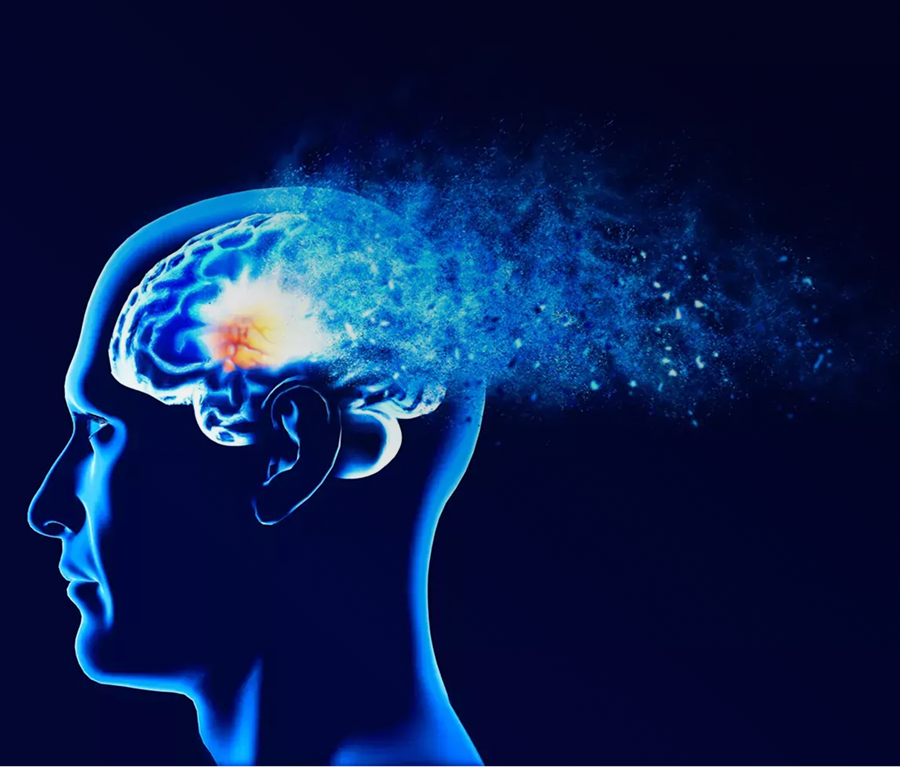
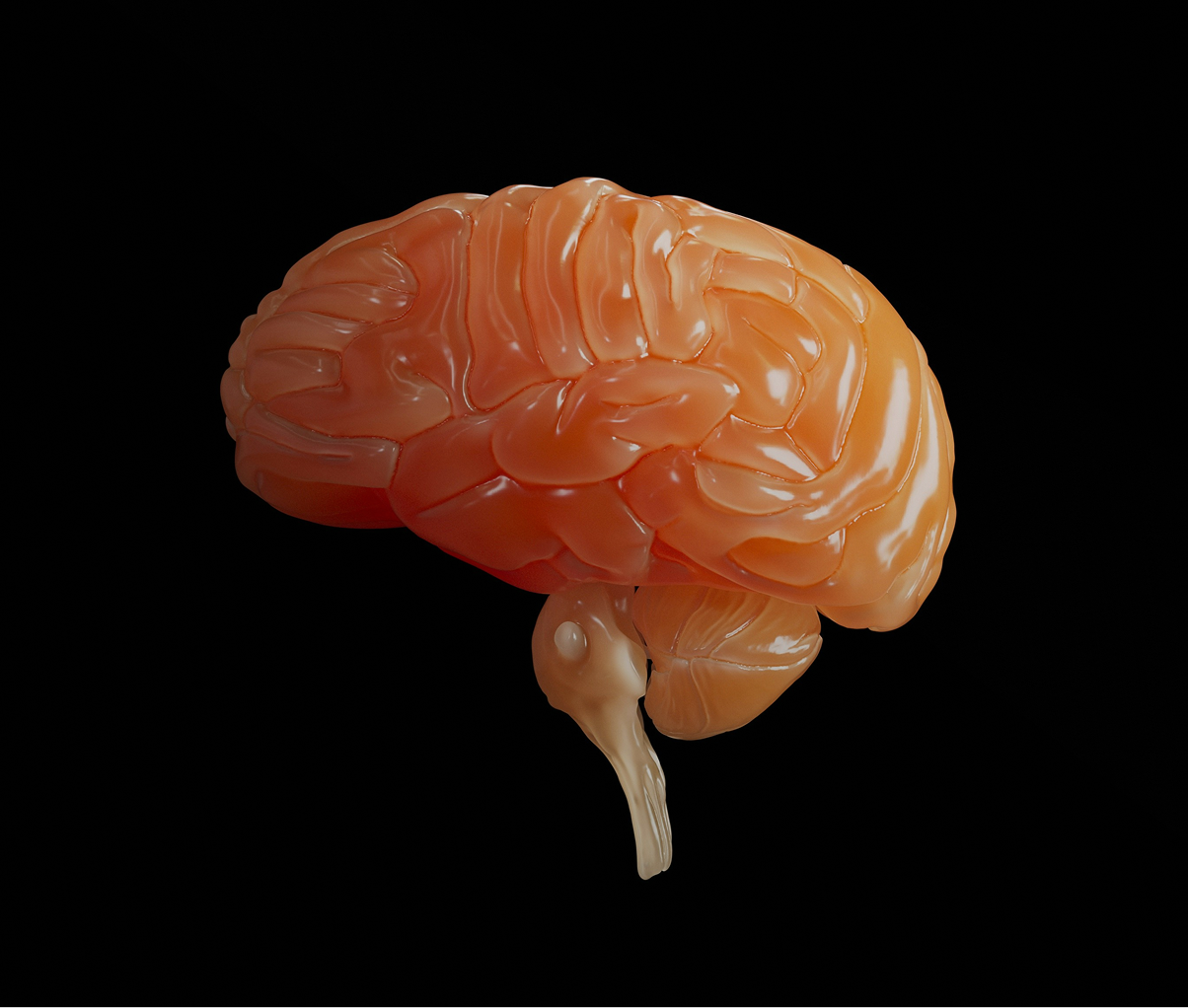
Within minutes of taking a drink, ethanol crosses the blood–brain barrier and begins altering communication between neurons. It enhances the activity of GABA, the brain’s primary inhibitory neurotransmitter, while suppressing glutamate, one of its primary excitatory neurotransmitters. The result is familiar: anxiety softens, muscles relax, thoughts slow, and inhibitions begin to fade.
At the same time, alcohol indirectly increases dopamine release within the brain's reward circuitry. That doesn't necessarily produce euphoria, but it does make drinking feel rewarding, reinforcing the behavior and making us more likely to repeat it.
Alcohol also stimulates the release of endorphins, our body's natural opioids, contributing to feelings of warmth, comfort, and social connection. The internal critic becomes quieter. Social anxiety eases. The stress response is dampened.
All of these things sound (and can be) wonderful. We don’t need to explain why drinking has been so popular throughout human history for celebration, ritual, connection, and escape.
But these benefits come with an important caveat.
The pleasurable effects of alcohol are largely the result of temporarily altering normal patterns of brain signaling. The same neural changes that make you feel calmer and more sociable also slow reaction time, disrupt short‑term memory formation, blunt judgment, impair coordination, and degrade sleep quality. As blood alcohol levels rise, the gap between feeling relaxed and being measurably impaired becomes surprisingly narrow.
This is the central paradox of alcohol. The very mechanisms that make it enjoyable are the same ones that create many of its biological costs.
Unfortunate news for some, but ethanol is not an essential nutrient. Your body has no requirement for it, no storage system for it, and no physiological function that depends on it. In fact, the body treats ethanol differently from virtually everything else we consume.
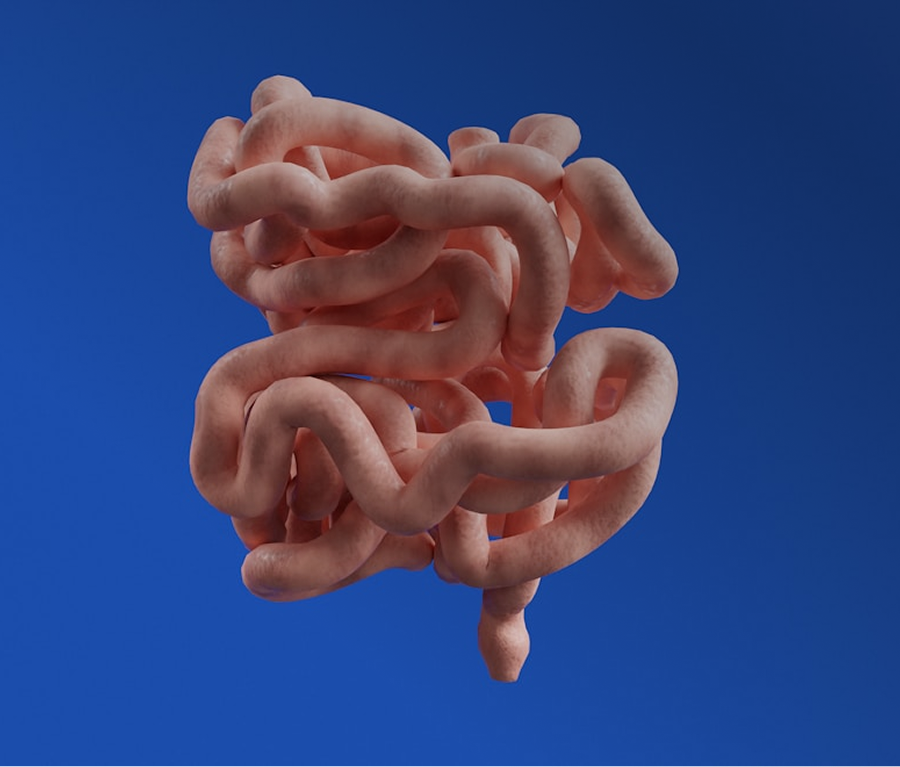
When you drink alcohol, a smaller portion is absorbed directly through the stomach lining, while most of it is taken up in the small intestine. Especially on an empty stomach, it enters your bloodstream within minutes. For many of us, that’s the point.
But the moment ethanol enters your bloodstream, your metabolism shifts priorities. Rather than storing it for later or putting it to work inside your cells, your body immediately begins trying to eliminate it.
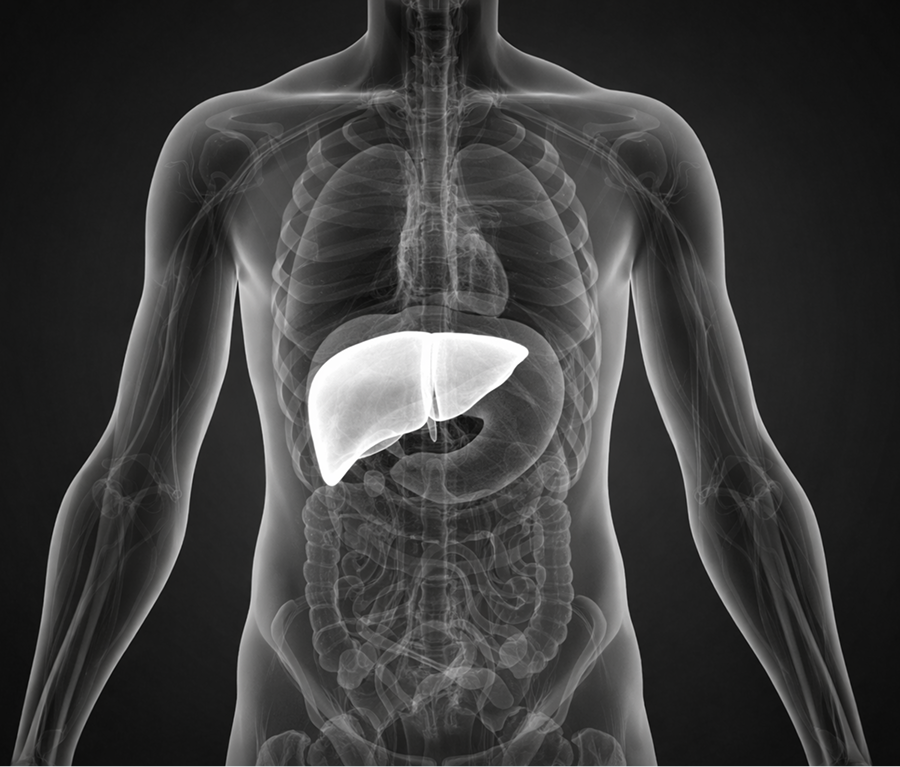
One critical job of the liver is to neutralize compounds that could become harmful if allowed to circulate. Ethanol is at the front of that line. Using an enzyme called alcohol dehydrogenase, the liver converts ethanol into another molecule called acetaldehyde. Acetaldehyde is significantly more toxic than ethanol itself. It readily reacts with proteins, fats, and DNA, generating oxidative stress and interfering with normal cellular function. Left unchecked, acetaldehyde can damage tissues throughout the body.
But the liver has a second line of defense. Another enzyme, aldehyde dehydrogenase, rapidly converts acetaldehyde into acetate, a much less harmful molecule that can eventually be broken down into carbon dioxide and water or used as fuel by cells.
This detoxification process is remarkably effective, but it has limits.
The liver can only metabolize alcohol at a relatively fixed rate, roughly one standard drink per hour for most people, though genetics, sex, body size, medications, liver health, and other factors can shift that number. Coffee, cold showers, exercise, or sheer willpower do not accelerate the process. Until the liver finishes its work, ethanol and its byproducts continue circulating through the body.
If alcohol arrives faster than acetaldehyde can be cleared, the toxins begin to accumulate. That's one reason drinking heavily over a short period is particularly harmful. The body simply can't keep pace.
While this cleanup operation is underway, many of the liver's normal metabolic responsibilities are temporarily pushed aside. Fat metabolism slows. Blood sugar regulation changes. Other toxins and medications may remain in circulation longer. The body's resources are redirected toward eliminating ethanol.
In other words, drinking alcohol doesn't simply add something to your metabolism. It temporarily reorganizes it.
From your body's perspective, ethanol is not food. It is a foreign chemical that must be processed before normal metabolism can resume.
Everything else that follows—from impaired sleep and slowed recovery to oxidative stress, liver damage, inflammation, and increased disease risk—begins with this fundamental biological reality.
For years, the conversation about alcohol and cognitive health was dominated by the same narrative: a drink or two each night was unlikely to do much harm. Recent research has made that picture considerably less reassuring.
This shouldn't be entirely surprising. The question isn't whether alcohol affects the brain; it clearly does. The more important question is whether those effects disappear completely once the alcohol is gone.
Increasingly, the evidence suggests they don't.
A 30-year study that followed 550 adults for decades found that higher alcohol consumption was associated with a greater risk of hippocampal atrophy, a form of brain shrinkage affecting the region responsible for memory formation and spatial navigation. Most notably, the association wasn’t limited to heavy drinkers. Participants consuming 14–21 units of alcohol per week (roughly 7–10) standard drinks, were about 3 times more likely to show hippocampal atrophy than abstainers.
That’s the range many public health guidelines have historically described as moderate drinking.
Other studies have reached similar conclusions. Low to moderate alcohol consumption has been associated with subtle reductions in brain volume, particularly in the hippocampus and prefrontal cortex, along with small but measurable declines in executive function and memory that generally become more pronounced as alcohol exposure increases. Certainly, the concern becomes much greater with chronic heavy drinking.
Also, alcohol initially triggers a surge of serotonin and dopamine, the neuromodulators most closely associated with mood, motivation, and reward. That's why the first drink often makes people feel more sociable, energized, and relaxed. But the effect is short-lived. Soon after, serotonin and dopamine activity falls below baseline, leaving people feeling flatter, less motivated, and more inclined to reach for another drink to recapture the feeling.
With repeated drinking, the brain adapts. The dopamine and serotonin surge becomes smaller and shorter, while the subsequent crash becomes longer and deeper. Over time, alcohol delivers less pleasure and more discomfort. Tolerance isn’t simply needing more alcohol to feel drunk. It’s a rewiring of the brain’s reward system that makes sobriety itself feel less rewarding.
To be fair, the evidence is strongest at higher levels of consumption. The research on light drinking remains more nuanced, and many of the observed structural changes are relatively small. But the overall trajectory has become increasingly consistent.
There is no compelling evidence that alcohol benefits the brain. There is instead growing evidence that as exposure increases, so does the biological cost.
One of alcohol’s most overlooked effects is what it does to the body’s stress response.
Regular drinking disrupts the hypothalamic–pituitary–adrenal (HPA) axis, the system that helps regulate cortisol and other stress hormones. Over time, especially with heavier or more frequent use, this can leave people with a more dysregulated stress response, even on days when they aren’t drinking.
The irony is hard to miss. People often drink to relieve stress; in the short term, alcohol works. But repeated drinking appears to recalibrate the stress response itself, leaving people feeling more anxious and more stressed when they’re sober than they otherwise would have been.
Alcohol gradually becomes both the cause of and the perceived solution to the very anxiety it’s being used to treat. That’s one of the biological feedback loops that can quietly pull regular drinking toward dependence.
Alcohol doesn’t just affect the brain and liver. It also changes hormone balance.
One of the primary mechanisms involves aromatase, the enzyme that converts testosterone into estrogen. Alcohol, and particularly its toxic metabolite acetaldehyde, appears to increase aromatase activity in multiple tissues, including the liver and reproductive organs. The result is a shift in the balance between testosterone and estrogen in both men and women.
In women, this increase in circulating estrogen is thought to be one of the key mechanisms linking alcohol to a higher risk of estrogen sensitive breast cancer.
In men, a lower testosterone to estrogen ratio can contribute to reduced libido, increased fat storage, gynecomastia (the growth of breast tissue), and other symptoms commonly associated with low testosterone.
Like many of alcohol’s effects, these hormonal changes become more pronounced with greater and more frequent alcohol exposure. But across all hormonal systems, the pattern is consistent: alcohol creates a short-term state that feels like relief or euphoria, while simultaneously degrading the underlying hormonal infrastructure that produces genuine wellbeing. Elevated cortisol, disrupted testosterone–estrogen balance, and impaired thermoregulation are not side effects of excess. They occur at moderate drinking levels.
The brain also shrinks with alcohol use, in a dose-dependent way. A major UK Biobank study involving more than 36,000 adults found that even people consuming about 1–2 drinks per day showed measurable reductions in cortical gray matter volume and degradation of white matter tracts.
The more alcohol people drank, the more pronounced these structural brain changes became.
Alcohol is classified as a Group 1 carcinogen.
The International Agency for Research on Cancer first classified alcoholic beverages as a Group 1 carcinogen in 1987. What that means is that we have sufficient evidence that alcohol causes cancer in humans.
For female breast cancer, large studies suggest roughly a 7–12% increase in risk for every 10 grams of alcohol consumed per day (about one standard drink) with risk rising steadily as intake increases.
Epidemiologists have estimated that, for a non‑smoker, drinking about a bottle of wine per week (roughly 1–2 drinks per day) raises lifetime cancer risk by an amount similar to smoking 5–10 cigarettes per week, depending on sex.
The first pathway runs through acetaldehyde, the same toxic compound we mentioned earlier. As soon as ethanol enters the body, it's converted into acetaldehyde, a highly reactive molecule that can bind to DNA and interfere with its normal structure. If that damage isn't repaired correctly, mutations can accumulate, increasing the risk that healthy cells eventually become cancerous.
The second pathway is oxidative stress. Alcohol metabolism generates reactive oxygen species, unstable molecules that damage DNA, proteins, and cell membranes while fueling chronic inflammation. Over time, that repeated cellular injury creates an environment that's more favorable for cancer to develop.
The third pathway is impaired DNA repair. Alcohol interferes with folate absorption and disrupts one carbon metabolism, a network of biochemical reactions essential for DNA synthesis and repair. In other words, alcohol not only increases DNA damage, it also weakens the body's ability to fix that damage.
The cancers most strongly linked to alcohol include cancers of the mouth, throat, esophagus, liver, colorectum, and female breast.
For people who both smoke and drink, the risks become even greater. Tobacco and alcohol don’t simply add to each other's effects. They amplify them. Together, they create substantially more DNA damage than either exposure alone.
Breast cancer deserves particular attention because the relationship appears to begin at relatively low levels of consumption. Even light drinking has been associated with a measurable increase in breast cancer risk, likely in part because alcohol raises circulating estrogen levels. This makes alcohol a challenging public health issue: unlike liver disease, where the greatest risks cluster among heavy drinkers, some alcohol‑related cancer risks start to rise well before most people would describe their drinking as “heavy.”
The dose still matters. More alcohol means more risk. But for several cancers, researchers have not identified a threshold below which the risk clearly disappears. Rather than sitting behind a cliff, the risk appears to scale upward with increasing exposure.
There is, however, an encouraging piece to this story. When people stop drinking, acetaldehyde exposure falls immediately. The body retains a remarkable capacity to recover when the exposure ends.
Partial mitigation for cancer risk comes from adequate folate and B12 intake, which appear to partially offset alcohol's disruption of gene regulation pathways linked to tumor growth 1. This is not a green light to drink—but for those who do, ensuring sufficient B vitamin levels is a reasonable harm-reduction step.
Alcohol is one of the most commonly used sleep aids in the world. The problem is that falling asleep isn't the same as sleeping well.
Alcohol doesn't produce natural sleep. It produces sedation, and then a more fragmented, lower‑quality night of sleep.
During the first half of the night, alcohol increases slow-wave sleep and reduces the time it takes to lose consciousness. But as the alcohol is metabolized, the biology changes. Sleep becomes lighter. Wakings become more frequent. The second half of the night becomes increasingly fragmented as the brain rebounds from alcohol’s depressant effects.
The biggest casualty is REM sleep. REM is the stage most closely associated with memory consolidation, emotional processing, creativity, and many of the restorative functions that leave you feeling mentally refreshed the next morning. It's one of the reasons sleep is so critical for brain health.
Alcohol consistently suppresses it, and what's striking is how little alcohol it takes.
Research has found that alcohol doses around 0.5 grams per kilogram of body weight (roughly 2–3 standard drinks for many adults) can measurably reduce REM sleep and delay its onset. This isn’t binge drinking; it’s within what many people would consider an ordinary evening.
That’s why the next morning often feels strangely unrefreshing. Many people blame dehydration, and it certainly contributes. But a substantial part of that grogginess comes from disrupted sleep architecture.
Poor sleep increases stress, anxiety, and emotional reactivity the following day. Those feelings make another evening drink more appealing. The drink helps you fall asleep again, while quietly making tomorrow's sleep a little worse.
It's an elegant feedback loop that taxes one of the body’s most important opportunities to repair itself.
Alcohol's effects on the gut microbiome are direct and reasonably well-documented.
Research consistently shows that chronic alcohol consumption disrupts the balance of the gut microbiome, a state known as dysbiosis. Beneficial bacteria decline while potentially harmful species become more abundant. The result is a microbial community that's less stable, less diverse, and more inflammatory.
Alcohol also weakens the intestinal barrier itself. The lining of your gut is designed to act like a carefully regulated filter, allowing nutrients to pass into the bloodstream while keeping bacteria and bacterial toxins where they belong. Alcohol makes that barrier more permeable.
When that happens, bacterial products, particularly molecules called lipopolysaccharides (LPS), can escape the intestine and enter the bloodstream. The immune system recognizes these molecules as a threat and mounts an inflammatory response.
The effects don't stay in the gut. That inflammation reaches the liver, increasing the burden on an organ already busy metabolizing alcohol. It can also affect the brain through what’s known as the gut–brain axis, contributing to neuroinflammation and altering signaling between the gut, immune system, and central nervous system.
To be fair, most of this research has been conducted in people with chronic, heavy alcohol use. Exactly how much these mechanisms contribute to the health of occasional or moderate drinkers is still being worked out.
But the direction of the biology is remarkably consistent.
This is one area where the evidence is remarkably clear: no alcohol is considered safe during pregnancy.
No type of alcohol, not champagne, not wine, not anything else, is safer than another. Alcohol is a teratogen that passes directly through the placenta to the developing fetus. Because it readily crosses cell membranes, it can disrupt the exquisitely orchestrated processes of fetal brain, organ, and skeletal development.
Fetal alcohol spectrum disorders can cause permanent changes to brain development, craniofacial structure, growth, and organ formation. The effects exist on a continuum, and no safe level of alcohol consumption during pregnancy has been established.
It’s clear that zero alcohol is better for your health than any alcohol.
And low-to-moderate consumption is better than heavy consumption. But it’s not without risk.
The evidence consistently points in the same direction: regular alcohol use, even at socially normal levels of 1–2 drinks a night, increases baseline stress hormones, degrades mood circuitry, shrinks the brain, damages the gut, elevates cancer risk, and disrupts hormonal balance.
That doesn’t mean every drink is catastrophic, or that everyone who enjoys a glass of wine with dinner is destined for poor health. Biology doesn’t work in absolutes. It works in probabilities, cumulative exposures, and trade-offs.
But the body does not like alcohol in its system. It’s taxing. And the more you drink, the bigger the bill.
The goal with this newsletter isn’t to convince you not to drink, but rather show the biological impacts alcohol has on your current and long-term health.
What you do with that information is up to you.
Disclaimer: This newsletter is provided for educational and informational purposes only and does not constitute providing medical advice or professional services. The information provided should not be used for diagnosing or treating a health problem or disease, and those seeking personal medical advice should consult with a licensed physician.
October 16, 2026
September 30, 2026

September 29, 2026

September 24, 2026
September 24, 2026

September 18, 2026
September 11, 2026

September 4, 2026

August 29, 2026