Longevity
Preventative Health
Nutrition
Coffee
Mental Health
Coffee Q&A with Dr. Tim Spector

May 15, 2026

May 15, 2026
Last week, we did a deep dive into coffee. We explored the science behind this magical bean and why it’s a powerful longevity tool.
The good news: coffee is now consistently linked to better health and a longer life, a rare moment where joy and science shake hands.
Which means there’s no bad news, especially for people like me who plan to drink it forever.
If you missed it, you can catch up on The Coffee Issue.
Still, questions remain. For those, we brought in a true expert.
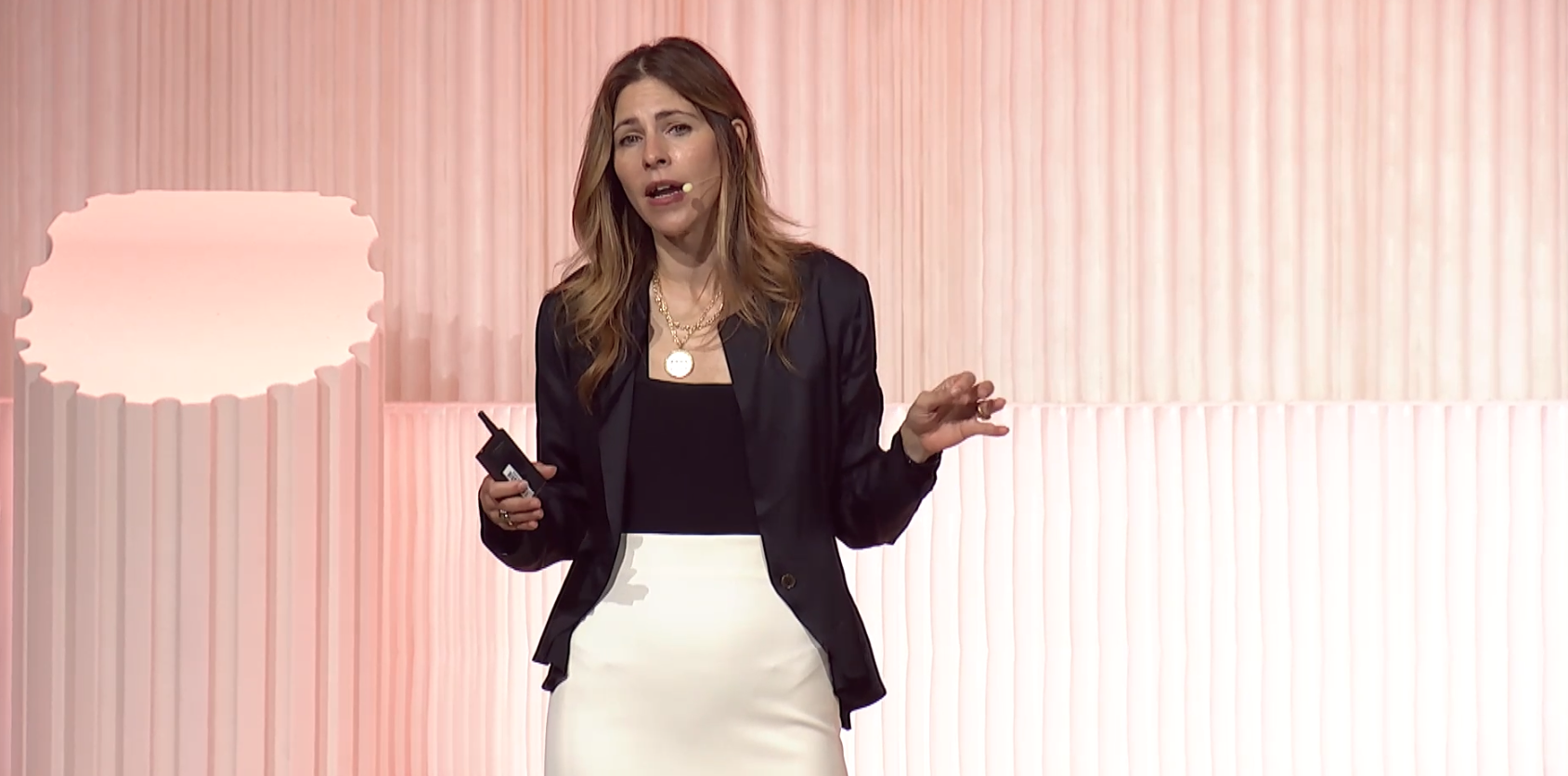
Tim Spector, MD, is professor of epidemiology at King’s College London and co-founder of ZOE, the gut health science company that turns world-leading science into everyday gut-health products. He is the bestselling author of The Diet Myth, Spoon-Fed, Food for Life, Food for Life Cookbook and Ferment.
With a focus on cutting-edge science, and honored with an OBE for his impactful work in fighting Covid-19, Tim stands at the forefront of his field. The original pioneer of microbiome research, he is among the top 100 most-cited scientists in the world.
Today, he’s here to tackle the pressing questions you had about coffee and its impact on your health and lifespan.
The polyphenols seem to be doing much of the heavy lifting when it comes to coffee’s health benefits, but caffeine likely plays a role, too. Recent research suggests that caffeine might be particularly beneficial for brain health. For instance, a recent study found that drinking caffeinated coffee or tea was associated with a reduced risk of developing dementia, whereas decaf versions were not. Caffeine intake has also been associated with a reduced risk of Parkinson’s disease, so it seems it may have a broad neuroprotective role.
Like polyphenols, caffeine acts as an antioxidant and anti-inflammatory, so its effects likely add to the benefits of the polyphenols and other phytonutrients in coffee and tea.
We associate the word “addiction” with harmful substances, and while being addicted can’t be considered a good thing, it doesn’t necessarily mean that an addictive compound is inherently dangerous.
Another example of this is nicotine. While it’s incredibly addictive and not good for you, the damage from smoking tobacco is primarily caused by other toxic compounds produced when burning tobacco. The nicotine just keeps you coming back for more.
While caffeine is certainly addictive, it’s nowhere even close to nicotine, cocaine, or alcohol. So, while being addictive isn’t a positive overall, the downsides are compensated for by the rich cocktail of bioactive compounds in coffee.
How people respond to caffeine is hugely variable. Some people can enjoy a coffee after their evening meal and still sleep soundly, while others know that a coffee after lunch will interrupt their sleep hours later.
Similarly, some people feel incredibly anxious after just a small amount of caffeine, whereas others can drink five cups per day and remain calm.
So the most important thing is to learn about your own tolerance. If it keeps you up, stop drinking it earlier in the day. And if it makes you feel anxious, opt for decaf; the benefits aren’t profound enough to put yourself through psychological anguish every day.
As for quantity, most studies find benefits from “moderate” consumption, which is usually defined as around three cups per day. Benefits tail off above that amount, and there may be a negative impact if you’re consuming vast quantities.
Black coffee is the healthiest way to enjoy it. A splash of milk (dairy or otherwise) is fine, too, although it might reduce the amount of polyphenols you absorb. At the other end of the spectrum, many coffee products now contain syrups, sweeteners, and artificial flavorings, which turn a healthy drink into an unhealthy dessert.
Tea is a good choice as it is also rich in plant compounds; green tea in particular seems beneficial. Other drinks that provide health benefits include fermented options, like kefir and kombucha. Make sure to pick a product without tons of added ingredients, like sugar and flavorings.
Disclaimer: This newsletter is provided for educational and informational purposes only and does not constitute providing medical advice or professional services. The information provided should not be used for diagnosing or treating a health problem or disease, and those seeking personal medical advice should consult with a licensed physician.

September 30, 2026

September 29, 2026
September 24, 2026

September 18, 2026

September 11, 2026

September 4, 2026

August 29, 2026

August 21, 2026

August 15, 2026