Gut Health
Preventative Health
Nutrition
Leaky Gut Q&A with Emeran Mayer
July 21, 2026

July 21, 2026
Leaky gut is one of those topics that almost always generates strong opinions. Some people think it's the root of nearly every chronic health problem. Others dismiss it entirely.
As is often the case, the truth lies somewhere in the middle. Last week, we explored what “leaky gut” (increased intestinal permeability is the technical term) actually is, what the research supports, and why gut health deserves more attention than it often gets.
As expected, that led to a lot of thoughtful questions. We sent the best ones to an expert.
Emeran A. Mayer is a Gastroenterologist, Neuroscientist and Distinguished Research Professor in the Department of Medicine at the David Geffen School of Medicine at UCLA. He is also the Executive Director of the G. Oppenheimer Center for Neurobiology of Stress & Resilience, Co-Director of the UCLA Specialized Center of Research Excellence (SCORE) on Sex Differences, and Founding Director of the Goodman Luskin Microbiome Center at UCLA.
He has had a career-long interest in clinical and scientific aspects of brain–gut microbiome interactions in health and several brain–gut diseases, with a particular interest in the role of stress in these interactions in IBS and IBD. His work has been supported by longstanding NIH funding in these areas. He has published 449 scientific papers, co-edited 3 books and has an h-index of 137 and 76,507 total citations.
In August, his latest book, The Mayer Model: Optimize Your Health and Wellness, will be released. On October 20, the 10th anniversary edition of the best-selling The Mind–Gut Connection will be released. The Mind–Gut–Immune Connection was published in June 2021, and the recipe book Interconnected Plates in 2023. He produced and directed a documentary film for PBS on the mind–gut–immune connection, and was featured in a piece by MasterClass.com on gut health.
And today, he’s tackling the questions you submitted about leaky gut. Let’s get into it.
You may have no symptoms at all, or you may be experiencing non-specific constitutional symptoms such as fatigue, loss of energy, or depression. There are some blood tests like zonulin, zonulin antibodies, lipopolysaccharide (LPS), which have been associated with leaky gut.
I seriously doubt that. The best way to assess psychological factors are still validated questionnaires (to assess stress reactivity, anxiety, depression) and a detailed history-taking.
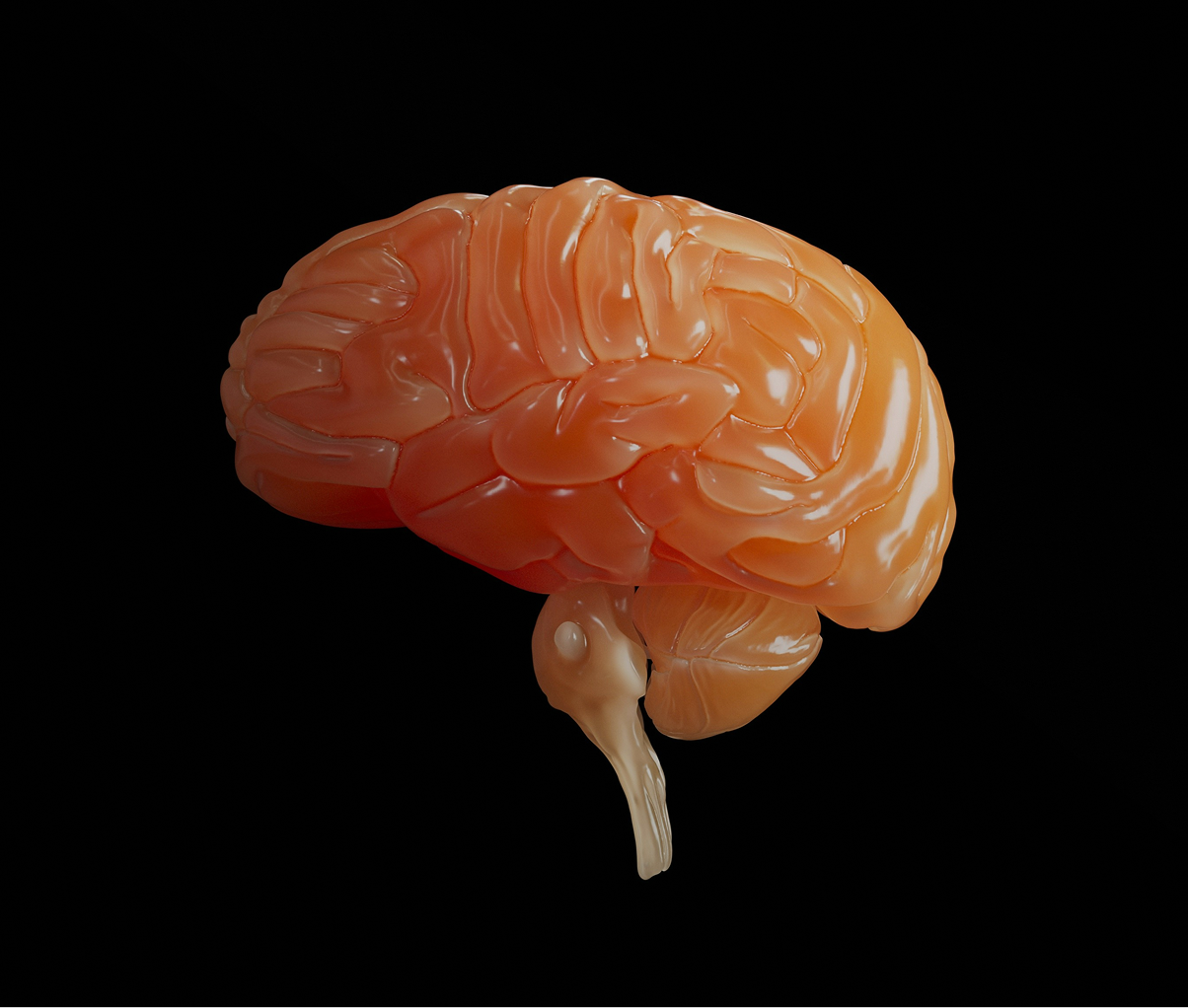
But gut issues can lead to mental health issues, yes. Brain–gut interactions are always bidirectional. Negative emotions and chronic stress are generally reflected in altered gut motility, secretion and blood flow (resulting in symptoms).
On the other hand, chronic inflammation of the gut is a risk factor for the development of compromised cognitive function. Low-grade immune activation in the gut is likely to result in glial cell activation in the brain, neuroinflammation, and ultimately neurodegenerative changes.
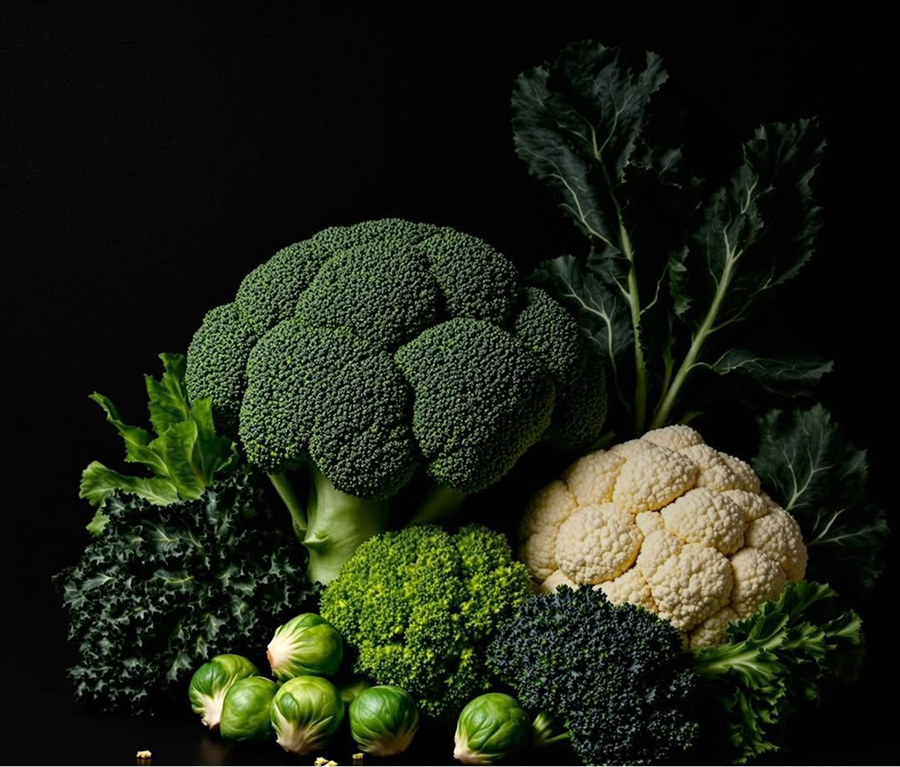
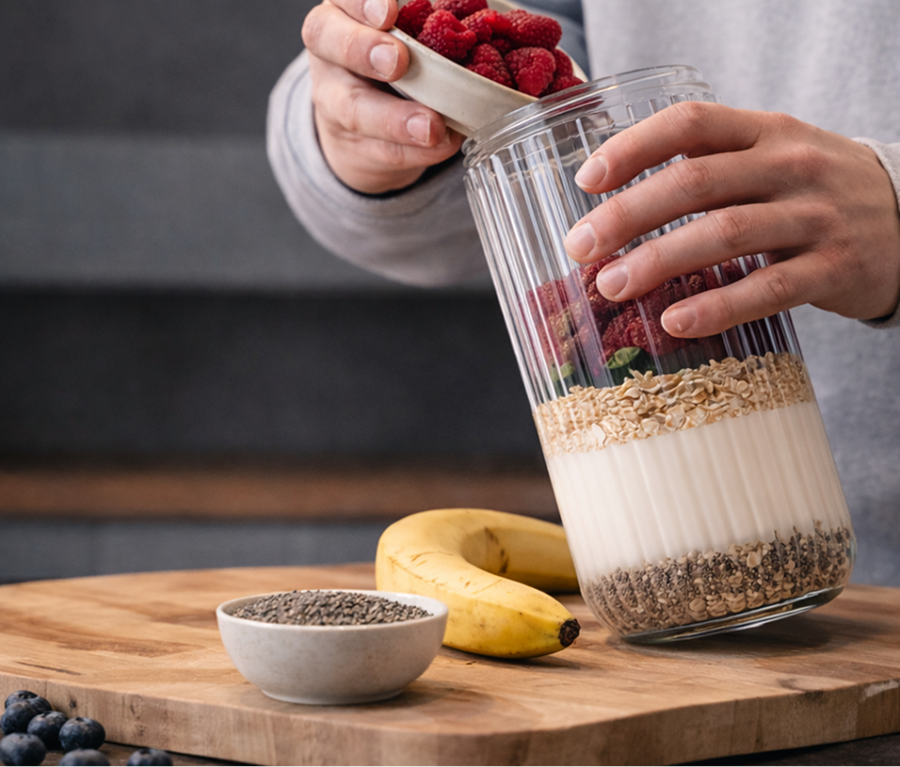
Rather than being about specific foods, it’s the amount and diversity of consumption of complex carbohydrates (fiber) and polyphenols that is important for an optimal gut microbial ecosystem, which assures a strong intestinal barrier (optimal mucus production) and generates anti-inflammatory metabolites like short chain fatty acids, which protect against leakiness of the gut.
So there aren’t specific foods that wreak havoc, but a lack of a diverse plant-forward diet and chemicals added to the food like emulsifiers and stabilizers.
Prebiotics and diverse fiber molecules are definitely the best way for repair. Some evidence also supports beneficial effects of Akkermansia mucinophilia. However, the mainstay of therapy should also be a healthy, microbiome-friendly diet.
Disclaimer: This newsletter is provided for educational and informational purposes only and does not constitute providing medical advice or professional services. The information provided should not be used for diagnosing or treating a health problem or disease, and those seeking personal medical advice should consult with a licensed physician.

October 16, 2026
September 30, 2026

September 29, 2026

September 24, 2026
September 24, 2026

September 18, 2026
September 11, 2026

September 4, 2026

August 29, 2026