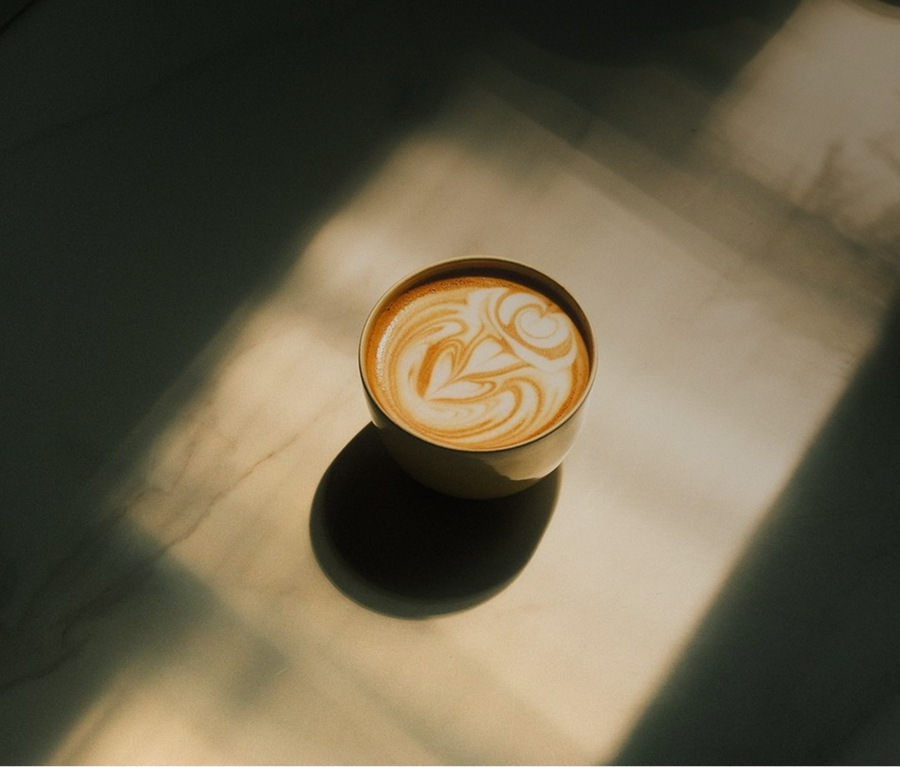
Over two billion cups of coffee are consumed every day around the world. It’s the second most consumed beverage on the planet, next to water.
For centuries, cultures across the globe have gathered around this drink. The Finns. The Italians. The Ethiopians. The Japanese. Long before anyone studied its polyphenols or mapped its effects on longevity, people intuitively understood that coffee was good.
But for a long time, coffee lived in a gray area. Doctors used to warn against it. Too much caffeine, they'd say. It’s bad for your heart; it spikes your cortisol; it stains your teeth (that part is true).
But the science has shifted dramatically.
Over the last decade, study after study has landed in the same place: moderate coffee consumption is associated with living longer. A meta-analysis of 40 studies covering nearly 4 million people found that the sweet spot for all-cause mortality reduction—meaning death from any cause—was around 3–4 cups per day.
At that level, the risk dropped by roughly 15%. Cardiovascular mortality dropped even further. Type 2 diabetes risk fell by nearly 30% among regular coffee drinkers. A 2024 review estimated that habitual coffee consumption was associated with an average increase of 1.8 years of healthspan.
This is data from millions of people across decades. And what’s emerging isn’t just that coffee is safe. It’s that it may be one of the most effective, accessible, and enjoyable longevity interventions available to most adults on the planet.
There’s so much research supporting coffee as a longevity beverage that after reading this, you’ll feel strange not drinking it.
It’s Not Just About Caffeine
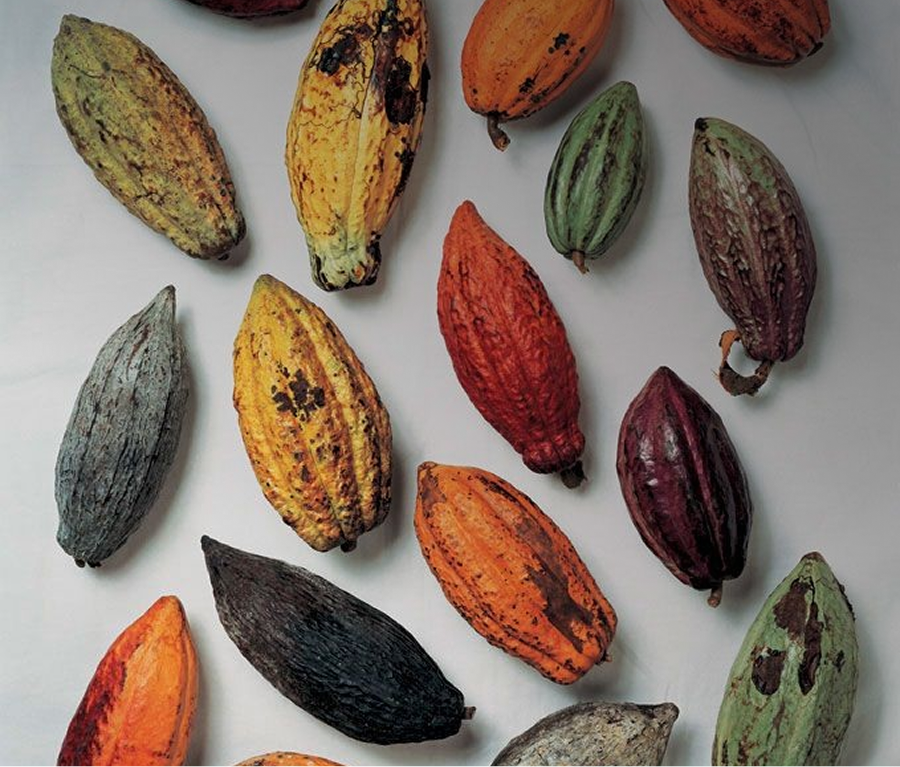
Like its cousin cacao, a big part of the longevity story about coffee is about polyphenols.
And let’s not forget about caffeine, because it matters, too. It blocks adenosine receptors in the brain, promoting alertness and focus. But caffeine is just one of over a thousand bioactive compounds in a single cup of coffee.
Coffee is one of the largest sources of polyphenols in the Western diet—particularly chlorogenic acids, which are potent antioxidants with anti-inflammatory, anti-fibrotic, and metabolic-regulating properties. They modulate cellular pathways involved in aging, disease, and resilience.
A typical cup of coffee contains between 70 and 350 milligrams of chlorogenic acid, making it one of the most concentrated dietary sources of these protective molecules. When you factor in that most coffee drinkers are consuming 2–4 cups per day, the cumulative polyphenol exposure is substantial.
Coffee also contains trigonelline, cafestol, kahweol, melanoidins, and a range of other compounds that contribute to its effects on inflammation, oxidative stress, gut health, and metabolic function. It's not a drug. It's a complex, bioactive food, one that we've been drinking for centuries without fully understanding what it was doing inside us.
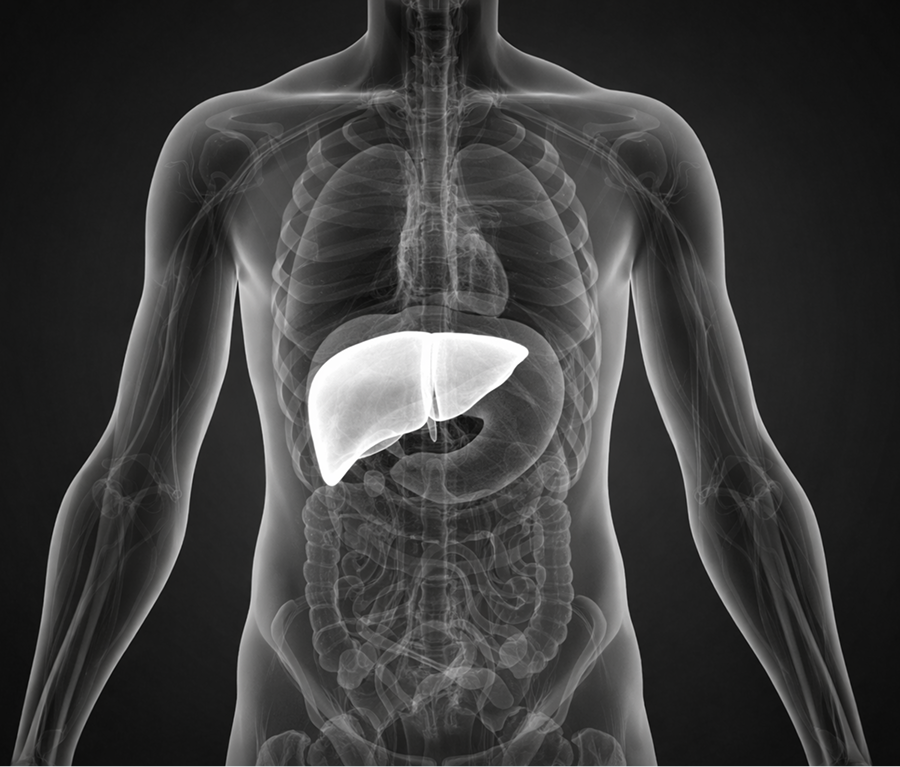
The Magical Bean For Your Liver
If you've read our issue on liver health, you already know that the liver is one of the most important organs for longevity. It governs blood sugar regulation, detoxification, cholesterol metabolism, and inflammation.
Coffee may be one of the best things you can do for it.
The research is remarkably consistent: regular coffee consumption is associated with lower risks of liver fibrosis, cirrhosis, and liver cancer, along with improved liver enzyme profiles—in people both with and without chronic liver disease. Roughly 2–3 cups per day is the range most often linked with meaningful protection, with some studies suggesting additional benefit at slightly higher intakes.
The mechanisms are layered. Coffee’s bioactive compounds activate Nrf2—a master regulator of antioxidant defense—in liver tissue. They improve mitochondrial function and fat oxidation. They reduce markers of liver inflammation and steatosis. In imaging studies on rodents, the liver was the primary organ that responded to coffee ingestion by upregulating protective gene expression.
If you care about metabolic health, blood sugar stability, or long-term liver function, coffee isn't a luxury. It's a lever.
Coffee is Neuroprotective
This is where coffee gets especially interesting for anyone thinking about long-term cognitive health.
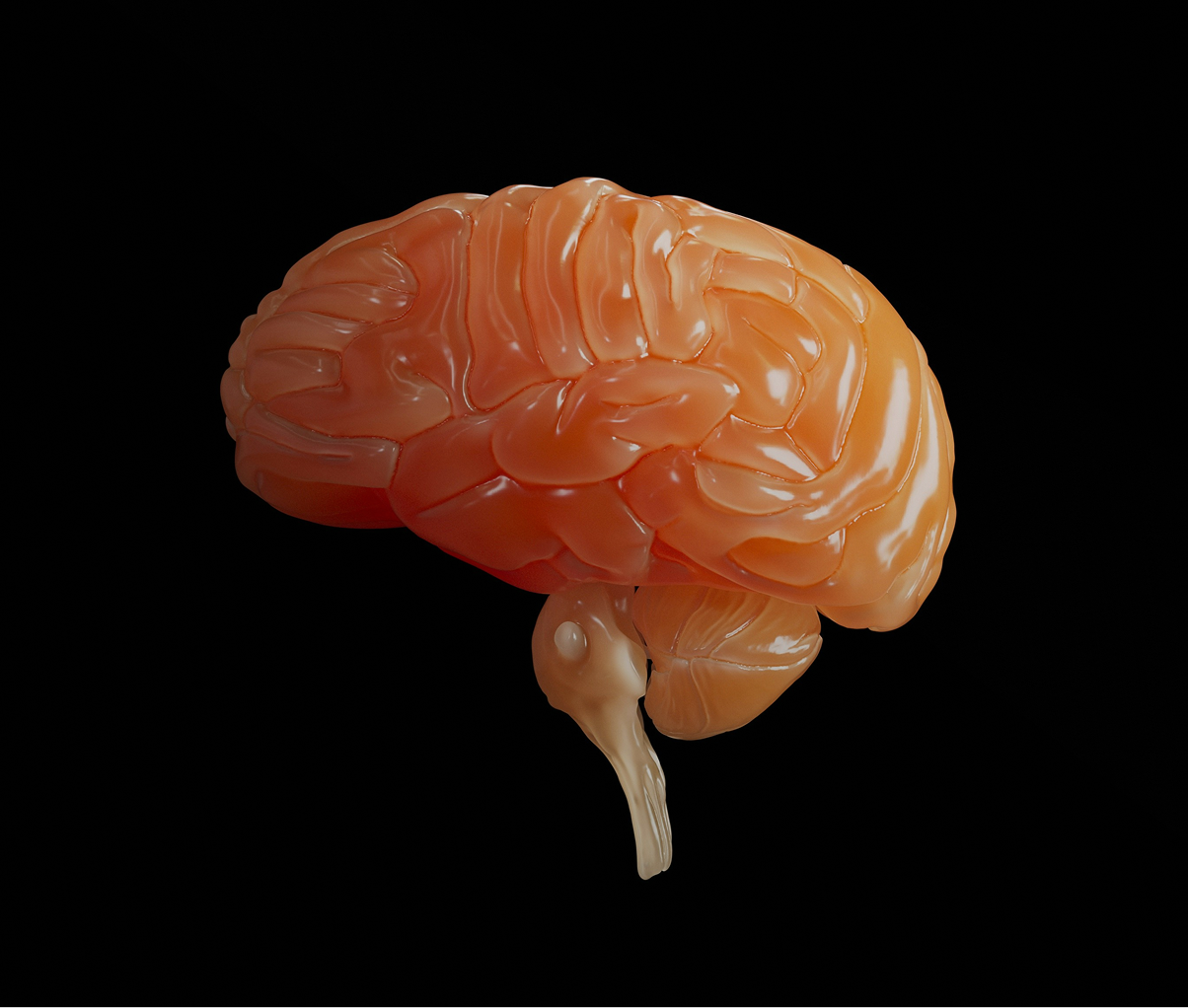
Regular coffee drinking is frequently linked to lower risks of Alzheimer’s disease, Parkinson’s disease, dementia, and age‑related cognitive decline—although the strength and consistency of these associations vary by condition. The inverse relationship appears most robust for Parkinson’s disease, with somewhat more mixed but generally favorable evidence for dementia and cognitive decline.
The neuroprotective effects appear to come from multiple fronts: caffeine blocks adenosine A2A receptors, which helps protect synaptic function and prevents the kind of neuronal damage that underlies memory loss. Chlorogenic acids reduce neuroinflammation and oxidative stress in the brain. And a compound formed during roasting—called phenylindanes—has been shown to inhibit the aggregation of amyloid-beta and tau proteins, the two hallmark pathologies of Alzheimer's disease.
In one study, coffee intake was associated with significantly less amyloid plaque buildup in the brains of older adults. In another, higher coffee consumption was linked to slower cognitive decline and less cerebral amyloid accumulation over a 126-month follow-up period.
Animal studies reinforce the picture. In aging mice, coffee polyphenols decreased inflammatory markers in the brain, increased expression of proteins involved in neuronal repair, and improved long-term memory retention. The effects weren't just about prevention; they pointed toward active protection of aging neural tissue.
We’ve talked a lot in this newsletter about brain health—the overlap between how long we live and how long our minds stay sharp. Coffee appears to protect both sides of that equation.
Coffee and Metabolic Disease
If you've followed our issues on glucose, insulin resistance, and inflammation, this will connect a lot of dots.
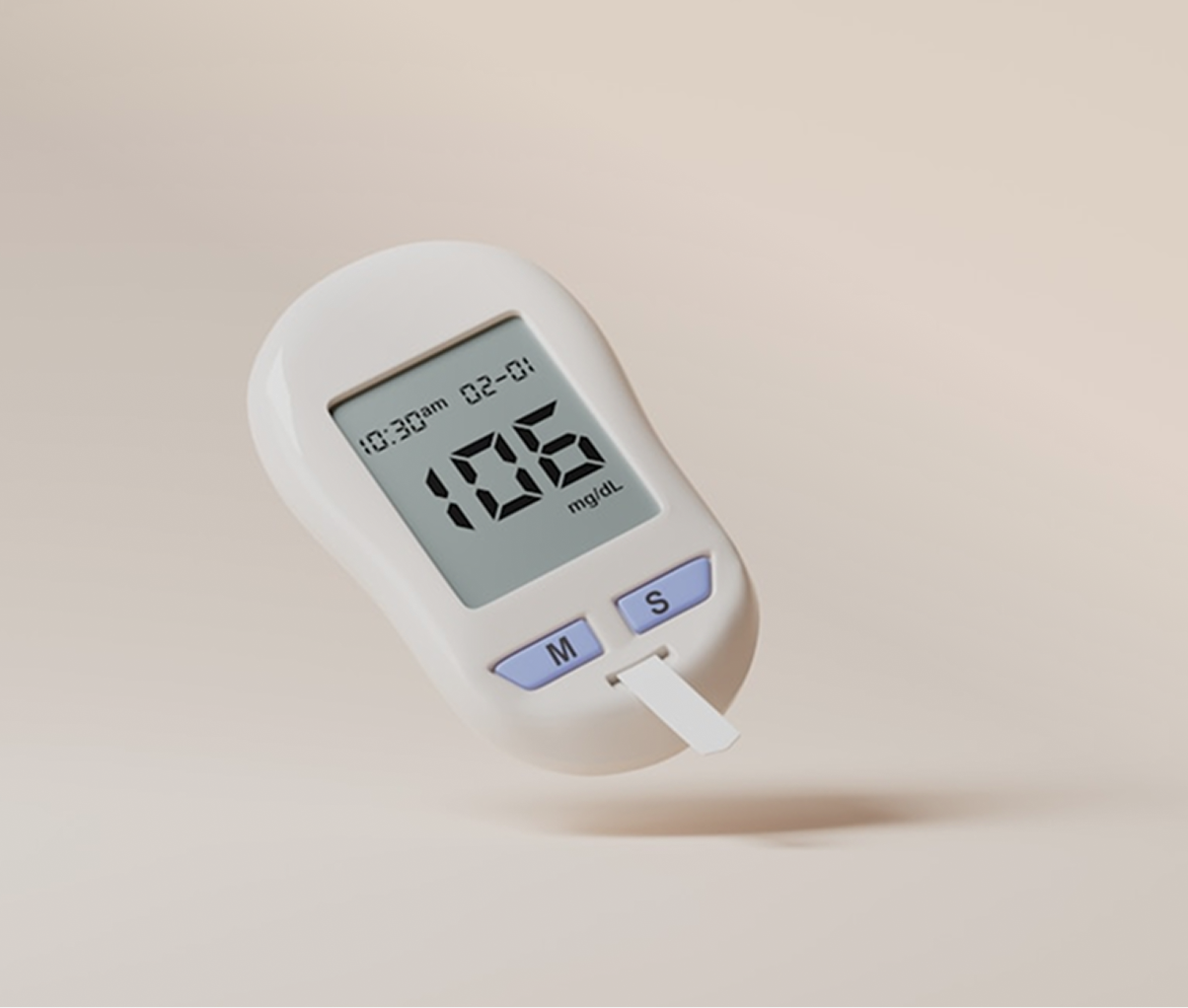
Habitual coffee drinkers show lower rates of type 2 diabetes—by as much as 29% in some meta-analyses. The effect holds for both caffeinated and decaffeinated coffee, which suggests it's a polyphenol story.
Coffee’s chlorogenic acids improve insulin sensitivity, support pancreatic beta-cell function, and help preserve the liver’s ability to regulate blood sugar over time. They also lower C-reactive protein (a key marker of systemic inflammation) by 15 to 20% in habitual drinkers. Lower inflammation, better metabolic control, preserved insulin signaling—these are the exact biological goals of any serious longevity strategy.
There’s also emerging evidence that coffee drinkers naturally take about 1,000 more steps per day than non-drinkers—a modest but meaningful increase in daily movement, which itself is linked to significantly lower mortality.
And here's a finding that connects coffee to another topic we've covered before: the gut microbiome. A large-scale study published in Nature Microbiology found that coffee consumption was strongly associated with the presence and abundance of a specific beneficial gut microbe called Lawsonibacter asaccharolyticus. The relationship was so consistent that researchers could predict coffee-drinking status from gut microbiome data alone with nearly 90% accuracy. Coffee's polyphenols may also act as prebiotics, supporting the production of short-chain fatty acids that reduce inflammation and strengthen the gut barrier.
Light and Sweet? Think Again.
A recent Tufts University study that analyzed data from over 46,000 US adults found that the longevity benefits of coffee were strongest when consumed black or with minimal additions—less than 2.5 grams of added sugar and less than 1 gram of saturated fat per cup.
When people exceeded those thresholds and loaded up on sugar, heavy cream, or flavored syrups, the mortality benefits disappeared.
That should be obvious and it tracks with everything we know about metabolic health. You can't pour a tablespoon of sugar into a longevity drink and expect it to keep working.
Here are some practical guidelines:
- The sweet spot is 2–4 cups per day. Most research converges on this range for maximal benefit, with diminishing returns above 4–6 cups.
- Timing matters. A 2025 study published in the European Heart Journal found that morning coffee drinkers had the strongest association with reduced mortality. Drinking coffee later in the day may interfere with sleep—which, as we’ve discussed extensively, is the foundation of everything.
- Keep it clean. Stick to black coffee or with a small amount of milk or cream. Avoid the sugar-laden coffee drinks that dominate chains and drive-throughs. Those are just desserts.
- Quality matters. Choose organic, single-origin beans when possible. The polyphenol content varies significantly by bean type, origin, and roast. Lighter roasts tend to retain more chlorogenic acid, though darker roasts produce unique compounds like phenylindanes.
- Decaf counts too. Many of coffee's benefits come from its polyphenols, not caffeine alone. If you’re sensitive to caffeine or want to enjoy a cup in the evening, decaf still offers meaningful protection—particularly for liver health and metabolic function.
A Note on Mold and Mycotoxins
Not all coffee is created equal.
Conventionally grown and mass-produced coffee beans are more prone to contamination with mycotoxins, particularly ochratoxin A and aflatoxins—toxic compounds produced by mold that can develop during harvesting, processing, or storage.
These aren’t unique to coffee; they show up in grains, nuts, and dried fruits, too. But given how much coffee most of us consume daily, the cumulative exposure is worth paying attention to.
The levels found in most commercial coffee are generally considered low enough to be safe by regulatory standards. But “safe” and “optimal” aren't the same thing, especially if you're drinking 3 to 4 cups a day and trying to minimize your toxic load.
A few ways to reduce your exposure:
- Choose specialty-grade or third-party tested beans. Brands that test for mycotoxins and source from single-origin farms tend to have significantly lower contamination levels.
- Go organic when possible. Organic beans are less likely to be stored in conditions that promote mold growth, though organic certification alone doesn't guarantee mycotoxin-free.
- Buy whole beans and grind fresh. Pre-ground coffee has more surface area exposed to moisture and air, which can promote mold. Whole beans stored in an airtight container in a cool, dry place are your best bet.
- Avoid bargain-bin blends. Mass-produced blends that source from multiple regions and mix large batches are more likely to include lower-quality beans that weren't sorted or processed as carefully.
It's not a reason to stop drinking coffee. It's a reason to drink better coffee.
Coffee Is Amazing
Congratulations. If you didn’t know before, now you can enjoy your (mostly) black coffee with the knowledge that you’re protecting your liver. You’re reducing inflammation. You're feeding your gut. You're shielding your brain. And you're nudging the odds of a longer, sharper, more vital life in your favor.
Actually, you might not be drinking enough.
I can’t think of a better way to start the day.
Disclaimer: This newsletter is provided for educational and informational purposes only and does not constitute providing medical advice or professional services. The information provided should not be used for diagnosing or treating a health problem or disease, and those seeking personal medical advice should consult with a licensed physician.