Immunity
Inflammation
Oral Health
The Community Issue

October 23, 2026

October 23, 2026
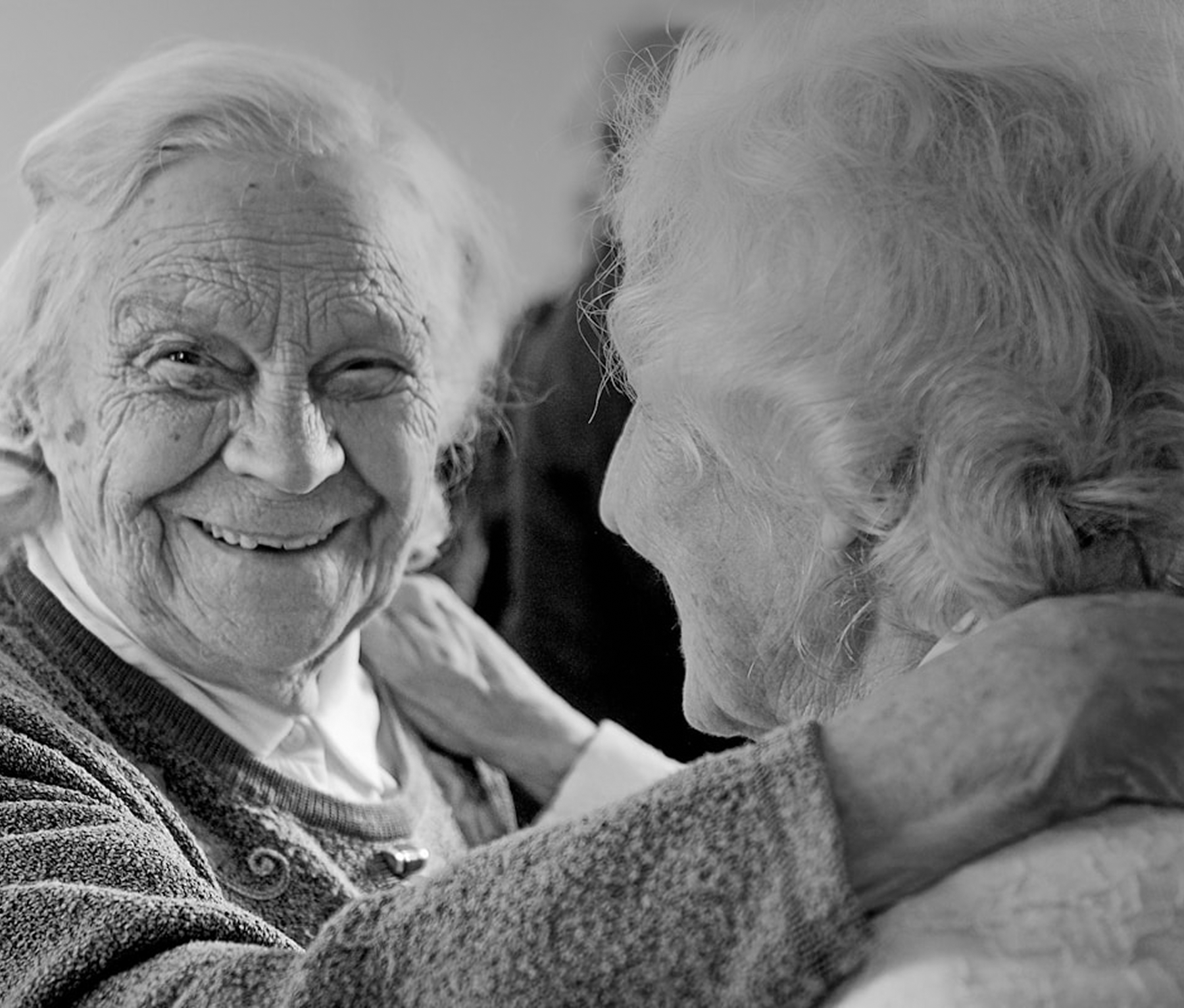
Most people understand that relationships are important to happiness. Spending time with friends, feeling connected to a community, and having people to count on make life more enjoyable. And loneliness can make life considerably less fulfilling. Duh.
But social connection is much more than an emotional need. A growing body of research suggests that the quality of our relationships may have substantial implications for our physical health, our vulnerability to disease, and how long we live.
For most of human history, survival depended heavily on belonging to a group. People relied on one another for protection, food, childcare, and other support. Our brains and bodies evolved in that social environment, and the biological systems that developed alongside it continue to influence how we respond to stress and perceived threats.
Over the past several decades, researchers have begun to better understand the physiological consequences of loneliness and social isolation. The findings are surprisingly significant, particularly given how little attention social health receives compared with exercise, nutrition, sleep, and other established pillars of longevity.
Consider these statistics:
Most of these findings come from observational research, so they don’t establish that loneliness directly causes disease or that stronger relationships automatically lead to longer lives. But the consistency of the associations across different populations and health outcomes has prompted researchers and public health officials to take social connection much more seriously.
One of the more interesting experiments in this field comes from Carnegie Mellon University, where researchers recruited 276 healthy volunteers, assessed their social relationships, and deliberately exposed them to cold viruses.
After receiving nasal drops containing the viruses, participants were quarantined and monitored for signs of illness.
The researchers found that people with more diverse social networks were significantly less likely to develop a cold. Participants with relationships spanning six or more social roles had substantially lower susceptibility than those with only a few types of relationships. Overall, people with the least diverse networks were 4.2 times as likely to develop a cold as those with the most diverse networks.
The distinction between the number of friends someone has and the diversity of their relationships is worth considering.
The researchers examined participation across 12 social roles, including friendships, family relationships, coworkers, neighbors, and community organizations. The findings suggest that participating in different parts of social life may offer benefits beyond maintaining a handful of close relationships, although the study couldn't establish why.
One possible explanation involves how social connection influences the body's stress response.
Chronic loneliness has been associated with changes in cortisol regulation, inflammatory signaling, and immune function. Researchers have also found evidence that persistent loneliness can increase vigilance toward potential social threats, which may contribute to ongoing physiological stress.
These responses may have evolutionary origins. For early humans, isolation meant greater vulnerability to threats and reduced access to protection and resources. Heightened vigilance may have helped people survive when separated from their group.
Today, persistent feelings of disconnection may activate some of those same stress pathways, even when no immediate physical danger exists.
The research is still developing, but it offers a plausible biological explanation for why social relationships are associated with such a wide range of health outcomes.
.
Vibrant is the precision clinical laboratory that partners with providers to deliver a more complete understanding of their patient.
Through comprehensive testing, clinically meaningful insights, and an integrated experience, Vibrant empowers providers to make more confident decisions.
Visit Vibrant at Eudēmonia to see how precision testing can bring more clarity to care. On Friday, November 6, Vibrant will be giving away a copy of Andrew Huberman’s new book, Protocols.
The association between social relationships and mortality is particularly striking.
In 2010, psychologist Julianne Holt-Lunstad and her colleagues published a major meta analysis combining data from 148 studies and more than 300,000 participants.
They found that individuals with stronger social relationships had approximately 50% greater odds of survival during the study periods.
The researchers also compared the magnitude of this association with established mortality risk factors, concluding that social relationships were comparable in importance to several factors routinely addressed through medical care and lifestyle interventions.
That research helped inform the US Surgeon General's landmark 2023 advisory on loneliness and social isolation, which described insufficient social connection as a major public health concern.
The advisory included the widely reported comparison to smoking up to 15 cigarettes daily. It's important to understand that this refers to estimated mortality risk, not identical biological effects. Loneliness doesn't damage the body in precisely the same way smoking does.
The World Health Organization added further urgency in June 2025, reporting that approximately one in six people worldwide experiences loneliness and estimating that it is associated with more than 871,000 deaths each year.
These estimates have important limitations. People experiencing chronic illness or disability may become socially isolated, and factors such as income, education, and existing health conditions can influence both relationships and longevity.
Nevertheless, the evidence suggests social connection deserves consideration alongside other major influences on long-term health.
The potential benefits of social connection extend beyond longevity to the quality of our later years.
The Harvard Study of Adult Development, which began in 1938, has followed participants across decades to better understand the factors associated with health and happiness.
One of its most widely discussed findings is that relationship satisfaction at age 50 was a better predictor of physical health at age 80 than cholesterol levels at 50, according to the study's director, psychiatrist Robert Waldinger.
This doesn't diminish the importance of cholesterol as a cardiovascular risk factor. It suggests that the quality of our relationships may provide additional information about how well we're likely to age.
There's growing evidence of a connection to cognitive health, too.
A 2024 meta analysis involving more than 600,000 people found that loneliness was associated with a 31% higher risk of dementia.
Researchers are exploring several potential explanations, including chronic stress, inflammation, depression, and reduced cognitive stimulation.
Social interaction engages multiple cognitive functions. Conversations require attention, memory, language processing, emotional interpretation, and the ability to respond to new information. Maintaining relationships can provide regular opportunities to exercise these abilities, although researchers haven't established how much this independently affects dementia risk.
More recently, an August 2026 study involving 277,489 UK Biobank participants examined the relationship between loneliness, social isolation, and disease-free life expectancy.
At age 50, men experiencing both loneliness and social isolation were estimated to have 5.8 fewer years free from depression and anxiety than men experiencing neither. The corresponding estimate for women was 3.7 years.
The study also investigated whether healthy lifestyle behaviors could offset these associations.
Healthier habits appeared to reduce some of the additional disease risk associated with social isolation. However, the researchers did not find a statistically significant reduction in the additional risk associated with loneliness.
That distinction is important because loneliness and social isolation aren't the same thing.
Social isolation refers to an objective lack of social contact or relationships. Loneliness is the subjective feeling that our relationships aren't meeting our social needs.
Someone can have a busy social calendar and still feel lonely. Conversely, a person who spends considerable time alone may feel entirely satisfied with their relationships.
Both experiences have been associated with health risks, but they may operate through different mechanisms and require different approaches.
Given the growing evidence linking social connection to health, the decline in time spent with friends is particularly concerning.
Data highlighted in the Surgeon General's 2023 advisory show that Americans ages 15–24 spent an average of approximately 50 minutes per day with friends in person in 2003. By 2020, that figure had fallen to around 40 minutes, a decline of nearly 70%.
Another analysis found that Americans spent approximately 2 hours and 45 minutes per week with friends in 2021, compared with 6.5 hours a decade earlier.
The pandemic contributed to these declines, but the broader trend began before 2020.
Several changes in modern life may help explain it.
Geographic mobility has dispersed families and long-established friendships. Remote work has reduced opportunities for routine social interaction. Digital communication allows people to maintain contact without spending time together physically. And online shopping, delivery services, and home entertainment have reduced the need to leave home for many ordinary activities.
Not all of these changes are necessarily harmful, and digital communication can be especially valuable for maintaining relationships across long distances. But they have changed the circumstances in which friendships develop.
Relationships often grow through repeated interaction. Seeing the same people at work, participating in local organizations, visiting familiar gathering places, or taking part in shared activities creates opportunities for acquaintances to become friends.
When those encounters become less frequent, developing new relationships may require considerably more deliberate effort.
There’s also the question of where people gather.
Sociologist Ray Oldenburg popularized the concept of third places, social environments outside the home and workplace where people regularly interact. Coffee shops, libraries, parks, community centers, and similar spaces can provide opportunities to develop relationships beyond immediate family and coworkers.
These spaces are particularly important because they allow people to participate in community life without needing an invitation or a preexisting friendship. The availability and accessibility of such places may influence how easily people can build and maintain social connections.
The Nitric Oxide Pathway
Leafy greens and beets are loaded with nitrate. Certain bacteria living on the back of your tongue convert that nitrate into nitrite. You swallow it, and some of it becomes nitric oxide, the molecule that tells your blood vessels to relax.
That bacterial step is important. In a 2008 study in Hypertension, drinking beetroot juice dropped systolic blood pressure by about 10 points within a few hours. When participants spat out their saliva instead of swallowing it, the rise in blood nitrite was blocked and the blood pressure drop went with it.
So what happens when you kill those bacteria?
In a 2013 study in Free Radical Biology & Medicine, healthy volunteers used a chlorhexidine mouthwash twice a day for a week. Their mouths’ nitrite production fell by 90%, and their blood pressure rose 2 to 3.5 points, starting within a day. A 2026 review of the chlorhexidine trials found that blood pressure bump showed up in some studies and not others, so treat it as a small, inconsistent effect. Separately, an observational study linked twice-daily over-the-counter mouthwash use to a higher risk of developing prediabetes or diabetes.
Mouthwash still has its place. Chlorhexidine rinses have legitimate clinical uses when a dentist prescribes them for a specific problem. The issue is the daily, reflexive sterilization of a mouth that's mostly working fine.
Keep brushing. Plaque at the gumline is still what starts gum disease, and pathogens still need to be kept in check. The open question is how to support a mouth ecosystem that works for you. We want the right bacteria, and the science of how to get them is young
The research on social health is compelling, but translating it into practical recommendations is more complicated than prescribing a particular amount of exercise or sleep.
There is no established number of friends, hours of social interaction, or community activities that guarantees better health. And because loneliness is subjective, simply increasing the number of people someone sees may not address the underlying problem.
Still, several approaches are supported by research and public health recommendations.
Consistency gives relationships opportunities to develop. Shared activities, recurring gatherings, and regular contact with friends and family can make social connection a more reliable part of everyday life.
The Carnegie Mellon research suggests that diversity of social roles may be associated with health benefits. Community organizations, volunteer opportunities, recreational activities, and local groups can broaden social networks.
Having more contacts doesn't necessarily prevent loneliness. The Harvard findings emphasize the importance of relationships that feel satisfying, supportive, and secure.
Digital communication can help maintain relationships, particularly across distances, but shared activities offer additional opportunities for connection and familiarity.
Volunteering, mentoring, and participating in local organizations create opportunities to develop relationships through shared effort and common interests.
None of these strategies offers an immediate solution to loneliness. Building close relationships takes time, and structural barriers such as mobility limitations, demanding work schedules, caregiving responsibilities, and lack of accessible gathering places can make connection more difficult.
But the research provides a strong argument for treating our social lives as something deserving ongoing attention, rather than something that will simply take care of itself.
Exercise, nutrition, sleep, and preventive medicine remain essential components of a healthy lifestyle. But the science of social connection suggests that our relationships deserve a place alongside them.
They influence health through mechanisms we're only beginning to understand, and their associations with longevity, cognitive function, and mental health are substantial.
Perhaps most importantly, community contributes something that can't be captured by disease risk or mortality statistics.
It improves the experience of everyday life.
The strongest case for investing in relationships isn't simply that doing so might help people live longer. It's that meaningful connection can make the years they have more fulfilling.
And that's an important part of what health is ultimately for.
Disclaimer: This newsletter is provided for educational and informational purposes only and does not constitute providing medical advice or professional services. The information provided should not be used for diagnosing or treating a health problem or disease, and those seeking personal medical advice should consult with a licensed physician.
October 23, 2026

October 16, 2026
September 30, 2026

September 29, 2026

September 24, 2026
September 24, 2026

September 18, 2026

September 11, 2026

September 4, 2026