Brain Energy: Metabolism, Mental Health, and Metabolic Therapies with Chris Palmer, MD.

July 28, 2026

July 28, 2026
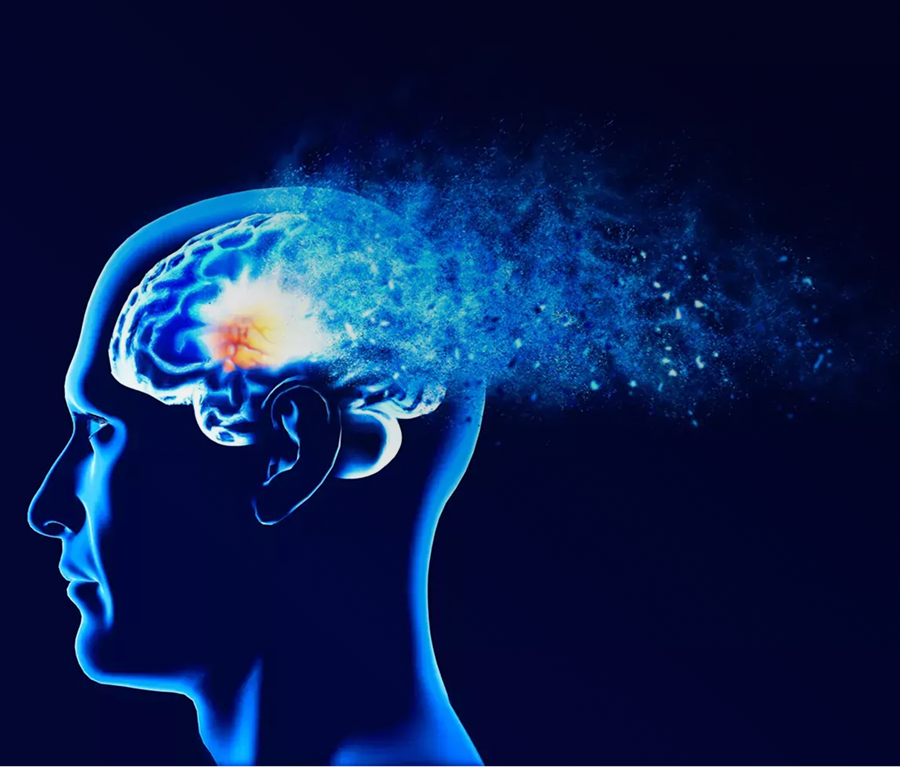
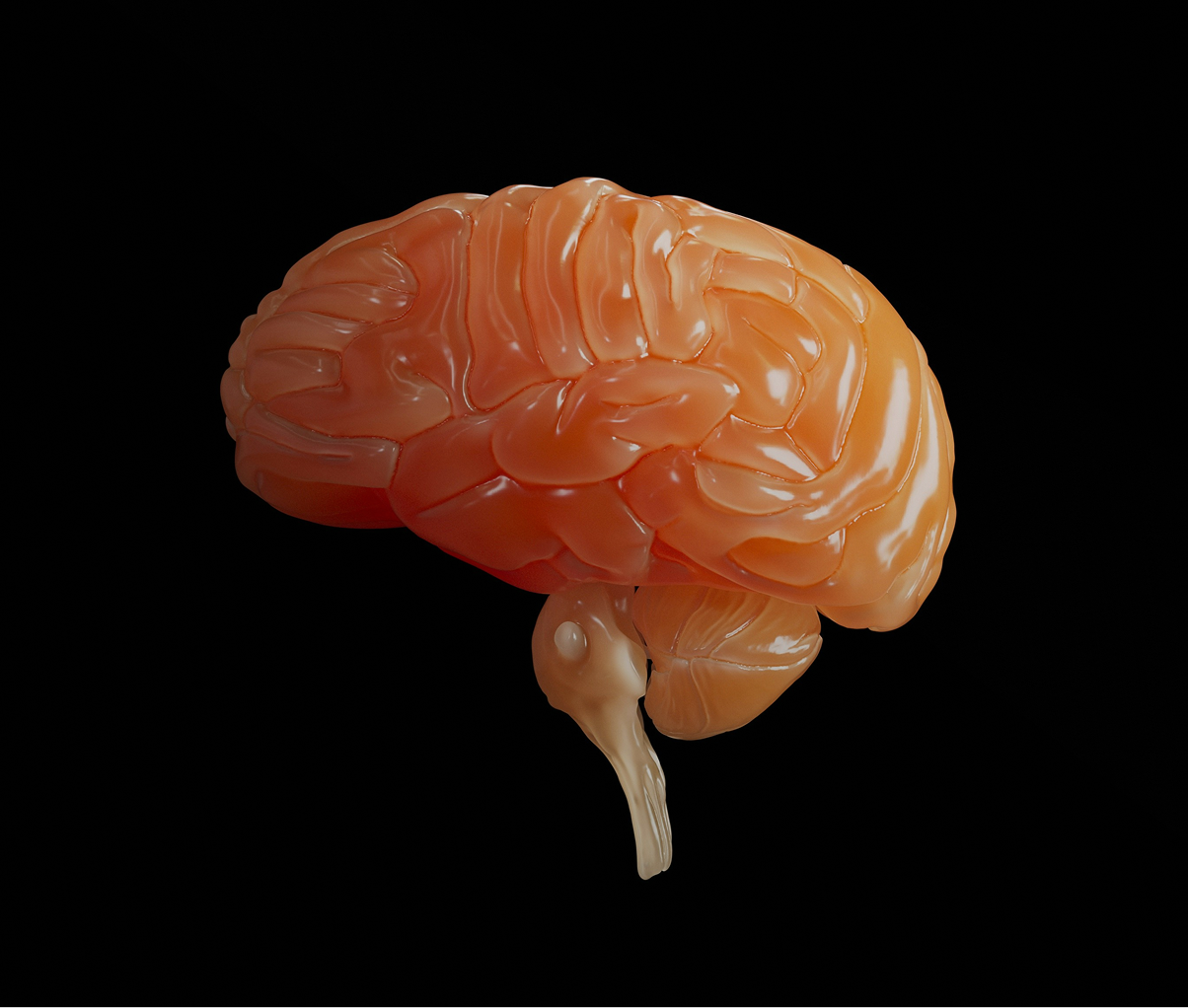
Mental illness and metabolic illness may share a single root. And that root runs through the cell.
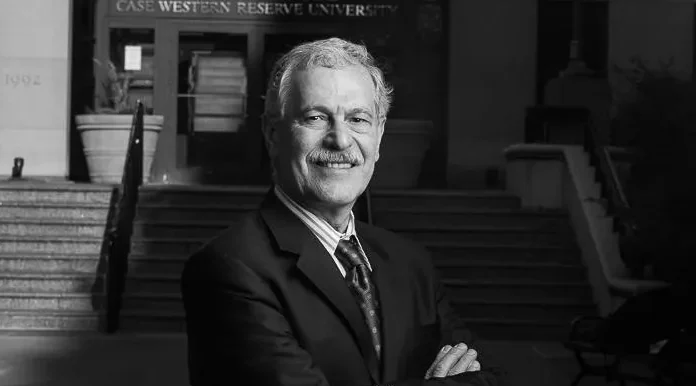
Dr. Palmer is a Harvard psychiatrist and researcher working at the interface of metabolism and mental health. He is the founder and director of the Metabolic and Mental Health Program at McLean Hospital and an Assistant Professor of Psychiatry at Harvard Medical School.
For 30 years, he has held clinical, research, educational, and leadership roles in psychiatry. He is pioneering the use of the medical ketogenic diet to treat psychiatric disorders. In his book Brain Energy, he proposes that mental disorders are metabolic disorders of the brain. The theory has received international recognition.
Palmer is careful about what he is not saying. He is not telling anyone to stop their medication. He’s not claiming one diet fixes everyone. He is saying metabolism affects every cell, including brain cells.
And he is saying the mental health field has ignored that for too long.
So here’s the question Palmer leaves us with: If diet plainly affects the heart, why would the brain be the one organ it can't touch? He doesn't think it is. The research is moving fast, and the implications are large. The next time someone treats mental and physical health as separate problems, ask why.

October 16, 2026

September 30, 2026

September 29, 2026

September 24, 2026

September 24, 2026

September 18, 2026
September 11, 2026

September 4, 2026

August 29, 2026