Preventative Health
Brain health
Inflammation
Supplements
The Omega Fatty Acids Issue

May 22, 2026

May 22, 2026
If you take supplements, it would be surprising if fish oil wasn’t among them. It’s one of the few that most doctors agree on, because it supports heart health, brain function, and reduces overall inflammation. It checks many boxes.
But just taking fish oil doesn't mean you're getting enough. And “enough” is actually measurable.
The Omega-3 Index is a blood test that measures the percentage of EPA and DHA in your red blood cell membranes. It's one of the most well-validated biomarkers we have for long-term health, linked to cardiovascular risk, cognitive decline, inflammation, and all-cause mortality.
The target is an Omega-3 Index of 8% or higher. People in that range have been shown to have roughly a 33% lower risk of death from any cause compared to those with the lowest levels. That’s a big number, yet most Americans don’t come close.
The average Omega-3 Index in the US is somewhere around 4–5%, squarely in the intermediate risk zone. Below 4% is considered high risk, and that's not uncommon either. In Japan, where fish consumption is dramatically higher and cardiovascular mortality is dramatically lower, the average Omega-3 Index is 8–11%. When Japanese Americans adopt a Western diet, their index drops to 4–6% within a single generation, and their heart disease risk rises accordingly.
Omega fatty acids are structural. They’re woven into every cell membrane in your body, concentrated in your brain, your eyes, your heart. Without enough of them, things eventually fall apart. With enough, things work the way they're supposed to. That’s what makes them tricky. You don’t feel them working; you only notice when things stop working.
But this is one of those stories where the science is deep, the confusion is real, and the practical takeaways are actually pretty simple.
Let's get into it.
Omega fatty acids (most commonly omega‑3, omega‑6, and omega‑9) are a family of polyunsaturated fats that your body cannot produce on its own. They're essential, meaning they must come from food.
There are three that matter most:
This is a fatty acid found primarily in fish and algae. EPA helps with inflammation, modulates immune responses, and supports cardiovascular function. EPA‑rich omega‑3 supplements have shown particular effectiveness for reducing depression in several clinical trials, especially when EPA makes up most of the omega‑3 dose.
This is a fatty acid, also from fish and algae. It's the predominant fatty acid in the brain, where it helps with cognition and eyesight. Your brain runs on DHA the way your car runs on fuel; without it, performance drops.
This is the plant-based omega-3, found in flaxseeds, chia seeds, and walnuts. Your body can convert ALA into EPA and DHA. But the conversion rate is brutally low—roughly 2–10% for EPA and less than 1% for DHA. This is why you can eat all the flaxseed in the world and still be deficient in the omega-3s that matter most.
Then there’s the omega-6 side of the equation. Omega-6 fatty acids, especially linoleic acid, are found in abundance in seed oils—soybean, corn, sunflower, safflower, cottonseed. They're essential too.
But here's the problem: the modern diet has flooded us with omega-6 while starving us of omega-3.
Human beings evolved on a diet with an omega-6 to omega-3 ratio of roughly 1:1. The typical Western diet today is closer to 15:1 or 20:1. That imbalance promotes chronic low-grade inflammation, which is a driver of nearly every disease of aging.
Industrial‑scale extraction and refining of seed oils only took off in the last century. In the US, soybean oil went from virtually nonexistent in 1900 to becoming the most consumed edible oil today, contributing a sizable share of total calories. This shift has dramatically changed the fatty‑acid landscape of the modern diet compared with most traditional eating patterns.
Omega-3s and cardiovascular health is where the research is deepest. EPA and DHA modulate lipid metabolism, reduce inflammation, improve endothelial function, lower triglycerides, and support healthy blood pressure.
A recent meta-analysis found that EPA and DHA significantly reduced the risk of heart attack by 11%, cardiovascular death by 8%, and the need for coronary procedures by 10%. Effects were even stronger in patients already taking statins, suggesting omega-3s and statins work on different but complementary pathways.
As mentioned above, Japanese populations, with their high fish intake and average Omega-3 Index of 8–11%, have among the lowest cardiovascular mortality rates in the world, despite higher rates of smoking and hypertension than many Western nations
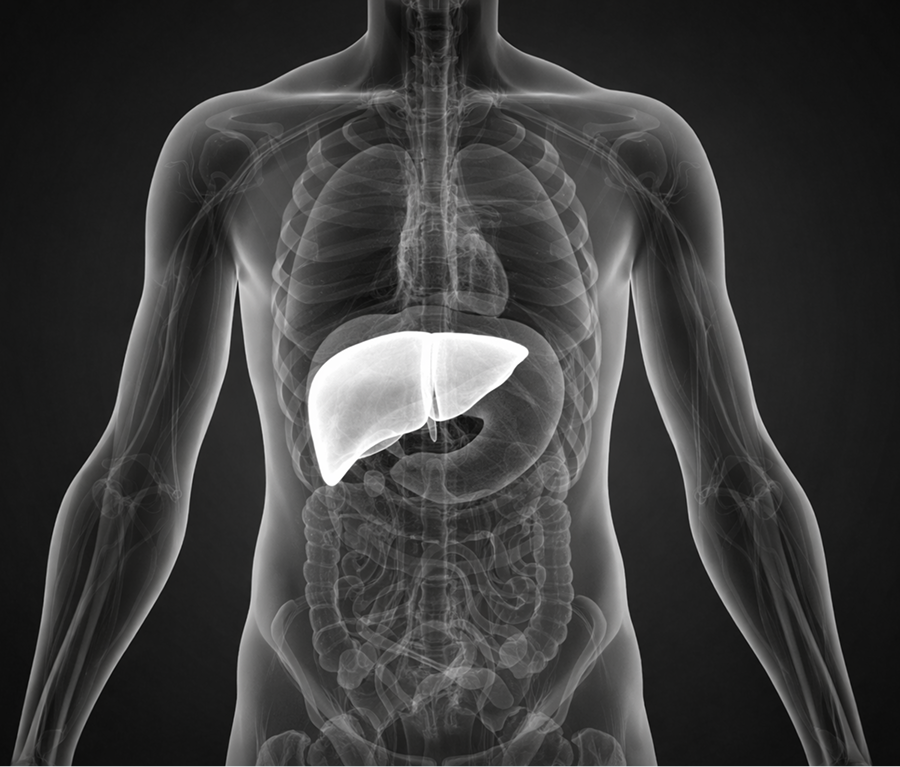
Cholesterol, blood sugar, triglycerides, energy metabolism . . . they all converge in the liver. And it turns out omega-3s play a meaningful role in that story.
Here's the short version: when omega-3 intake is chronically low and omega-6 intake is chronically high, the body tilts toward a state of persistent, low-grade inflammation. That inflammation doesn't just affect your arteries or your joints. And when the liver is inflamed, its ability to process fat, regulate glucose, and respond to insulin starts to degrade.
This is the metabolic loop we explored in The Liver Issue. Excess energy—particularly from refined carbohydrates and fructose—gets converted to fat in the liver. Triglycerides rise. Fat accumulates inside liver cells. And as the liver becomes fattier, it becomes increasingly resistant to insulin. The cycle feeds itself: insulin resistance drives more fat storage, which drives more resistance.
EPA and DHA intervene at several points in that loop. They lower triglycerides. They've been shown to reduce liver fat in people with metabolic dysfunction-associated steatotic liver disease (MASLD), the condition that now affects roughly one in three American adults.
In overweight middle‑aged men, a higher Omega‑3 Index has been associated with better insulin sensitivity and lower C-reactive protein—a key marker of inflammation. Higher omega-3 blood levels have been linked to a more favorable metabolic profile across multiple large cohort studies.
Omega-3s are not a standalone fix for insulin resistance. But they are a meaningful piece of the metabolic puzzle, especially when combined with the dietary and lifestyle foundations we’ve talked about in previous issues: reducing refined sugar and excess fructose, prioritizing fiber, moving your body, and sleeping well.
If you saw your triglyceride-to-HDL ratio on your last blood panel and it was above 2—or if you know you have a predisposition toward insulin resistance—omega-3 optimization isn’t optional. It's required.
EPA and DHA lower triglycerides, reduce liver fat, and support healthier insulin signaling—three mechanisms that sit at the center of metabolic health. If your triglyceride-to-HDL ratio is elevated, omega-3 optimization should be part of the plan.
Check out the Liver Health Issue.
DHA is the predominant fatty acid in the brain. It’s concentrated in neuronal membranes and synapses, and it's critical for membrane fluidity, neurotransmitter signaling, and synaptic plasticity. When DHA levels drop, cognitive function follows.
A UK Biobank analysis of over 217,000 participants found that higher omega-3 levels were significantly associated with reduced risk of early-onset dementia. A separate meta-analysis incorporating 48 longitudinal studies and over 103,000 participants found that dietary omega-3 intake could lower the risk of all-cause dementia or cognitive decline by roughly 20%, with the strongest effects seen for DHA specifically.
In a randomized trial of older adults with coronary artery disease, 3.36 g/day of EPA and DHA for 30 months preserved cognitive performance to a degree interpreted as slowing cognitive aging by about 2.5 years compared with controls. Two and a half years of brain aging, delayed by a daily supplement.
DHA supplementation appears most effective as a preventive or early‑stage strategy, before substantial cognitive decline and neurodegeneration have occurred. In established Alzheimer’s disease, randomized trials generally show minimal cognitive benefit, suggesting that timing matters: omega‑3s may help slow the trajectory earlier in the disease process but cannot reverse extensive damage.
There’s also an interesting genetic angle. People who carry the APOE4 gene variant—the strongest common genetic risk factor for Alzheimer’s—may be especially dependent on adequate omega‑3 status, yet several studies suggest their brains incorporate DHA less efficiently than those of non‑carriers.
New research is testing different molecular forms of DHA, including LPC‑DHA (lysophosphatidylcholine‑DHA), which appears, in preclinical models, to cross the blood–brain barrier more efficiently than standard triglyceride‑form DHA. A placebo‑controlled trial at the University of Cincinnati is currently comparing LPC‑DHA versus conventional fish‑oil DHA in older adults with mild cognitive decline, measuring CSF DHA and neurodegeneration biomarkers. This is frontier science, and while promising, it is still early‑stage.
Check out the Brain Health Issue.
The reach of omega-3s extends even further.
EPA and DHA don’t just “turn down” inflammation. They help the body finish the job and turn it off properly by being turned into small molecules (often called resolvins, protectins, and maresins) that help clear out immune cells, clean up debris, and return tissues to normal after an inflammatory response. This is different from many common anti‑inflammatory drugs, which mostly block the early steps of inflammation, whereas omega‑3‑derived molecules guide the body through a healthy shutdown and repair phase. That “resolution” system is a key reason omega‑3s are being studied in long‑running inflammatory conditions like heart disease, arthritis, asthma, and inflammatory bowel disease, where having enough EPA and DHA on board may help the body switch off unnecessary, chronic inflammation and let tissues heal, even though the size of the benefit varies by disease and by study.
EPA in particular has shown modest but meaningful benefits as an add‑on treatment for major depression in clinical trials, and people who regularly consume more omega‑3s—especially from fish—tend, on average, to report fewer depressive symptoms in large population studies. Higher blood omega‑3 levels have also been linked with a lower risk of suicidal thoughts in big biobank datasets, a sobering association that highlights how strongly these fats are intertwined with brain chemistry and mood regulation.
DHA is a structural component of the retina. Adequate intake is linked to reduced risk of macular degeneration, one of the leading causes of permanent vision loss.
DHA contributes to the health of cell membranes in the skin, and EPA helps protect against UV-related damage and supports the skin's oil barrier.
Omega-3s support anti-inflammatory processes and immune cell membrane function, contributing to a more balanced immune response—not too weak, not overreactive.
Emerging evidence links omega-3 intake with improved oocyte quality, better embryo development, and reduced anovulation risk, particularly relevant for women conceiving later in life.
You can't understand omega-3 deficiency without understanding omega-6 excess.
Omega-6 and omega-3 fatty acids compete for the same enzymes in the body. When omega-6 intake dominates—as it overwhelmingly does in the modern Western diet—those enzymes favor the production of pro-inflammatory compounds from arachidonic acid, while the anti-inflammatory compounds derived from EPA and DHA are underproduced.
The result is a body in a chronic state of low-grade inflammation. Research has linked high omega-6 to omega-3 ratios with increased risk of cardiovascular disease, cancer, autoimmune conditions, allergies, asthma, obesity, and depression.
The fix isn’t complicated: eat less refined seed oil. Cook with olive oil, avocado oil, butter, or coconut oil instead. Minimize processed and packaged foods, where soybean and corn oil hide in nearly everything. Simultaneously, increase your intake of marine omega-3s through fatty fish and thoughtful supplementation.
You can't supplement your way out of a bad diet. Reducing omega-6 and increasing omega-3 is the strategy.
Check out the Superfoods Issue.
Wild-caught salmon, sardines, mackerel, herring, and anchovies are the gold standard. Aim for 2–3 servings per week minimum. These provide EPA and DHA in their most bioavailable, natural triglyceride form—along with protein, selenium, and other nutrients you won't find in a capsule.
One thing to keep in mind: not all fish are created equal. Farmed salmon can vary significantly in its omega-3 content depending on what the fish were fed. Wild-caught tends to be more consistent. Smaller fish like sardines and anchovies also carry lower mercury and microplastic risk.
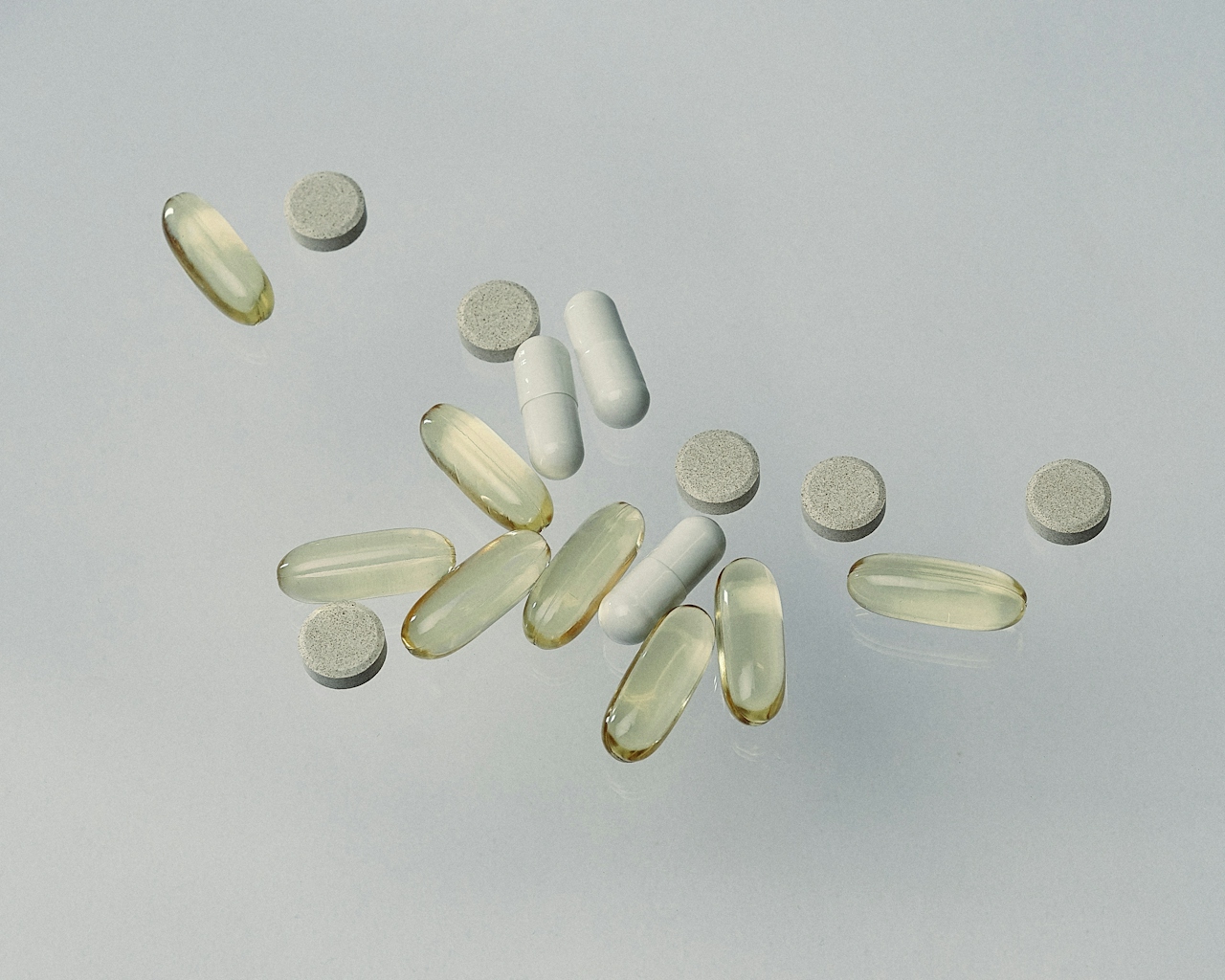
If you don't eat fish regularly (or even if you do), supplementation is worth considering.
A capsule that says 1,000 mg of fish oil may only contain 300 mg of actual EPA and DHA. The rest is other fats. Flip to the back label and look at the combined EPA + DHA per serving.
Most experts recommend 1,000–2,000 mg of combined EPA + DHA daily for general health. Specific conditions may warrant higher doses under medical guidance.
Omega-3s come in different molecular forms. Triglyceride (TG) and re-esterified triglyceride (rTG) forms are generally better absorbed than ethyl ester (EE) forms—research suggests roughly 30–50% higher bioavailability. Look for "TG," "rTG," or "triglyceride form" on the label. If the label just says "fish oil concentrate" without specifying, it's likely ethyl ester.
All omega-3 forms absorb significantly better when taken alongside dietary fat. A meal with some olive oil, avocado, or nuts makes a real difference, especially for ethyl ester supplements, where absorption can drop to as low as 20% on an empty stomach.
If you don't eat fish, algae-derived omega-3 supplements are the best alternative. Algae is where fish get their omega-3s in the first place, so you're just cutting out the middleman. Algae oil naturally provides DHA in triglyceride form, with good bioavailability.
Look for supplements tested by independent organizations like IFOS, NSF, or USP. This verifies purity, potency, and the absence of contaminants like mercury, PCBs, and dioxins.
The Omega-3 Index is a simple blood test that measures the percentage of EPA and DHA in your red blood cell membranes. Unlike a snapshot of what you ate yesterday, it reflects your omega-3 status over the previous 3–4 months.
The target is 8–12%. Below 4% is high risk. Between 4–8% is intermediate. Above 8% is protective. Research has linked an optimal index to a 33% reduced risk of death from any cause compared to those with the lowest levels.
You can order the test online, do it at home with a finger prick, and get results in about a week.
If you’re taking omega-3s, retest every 3–4 months until you reach your target, then annually to confirm maintenance.
Just because you eat fish or take supplements doesn't mean your Omega-3 Index is above 8%. Genetics, body weight, age, sex, and absorption all play a role. The only way to know is to measure it.
Check out the Biomarkers Issue.
There’s a lot of evidence here that omega fatty acids are doing foundational work across some of the most important systems tied to longevity. You may not feel them working, but over time, they shape how your body functions at a cellular level.
The good news is this is measurable. The Omega-3 Index gives you a clear signal. It tells you where you are, and whether what you’re doing is actually working.
From there, it’s relatively straightforward. Adjust your intake through diet or supplementation, and retest.
Keeping your omega levels optimized is preventive health at its best.
Disclaimer: This newsletter is provided for educational and informational purposes only and does not constitute providing medical advice or professional services. The information provided should not be used for diagnosing or treating a health problem or disease, and those seeking personal medical advice should consult with a licensed physician.

October 16, 2026

September 30, 2026

September 29, 2026

September 24, 2026

September 24, 2026

September 18, 2026

September 11, 2026

September 4, 2026

August 29, 2026