Preventative Health
Metabolic Health
GLP-1s: The Benefits We Didn’t See Coming

July 30, 2026
July 30, 2026
GLP-1 medications have become one of the biggest stories in modern medicine. Maybe one of the biggest in the history of medicine.
The companies behind them are generating tens of billions of dollars, with some projecting the market could eventually be worth hundreds of billions annually. There’s buzz that retatrutide, a next-generation GLP medication, could become the first trillion-dollar drug.
While much of the conversation has centered on weight loss, blood sugar, and the growing list of concerns that come with using GLP-1s, something else has been happening.
As researchers have followed millions of people taking these medications, they've started noticing unexpected patterns. Lower rates of certain diseases. Improvements in conditions no one was trying to treat. Signals that suggest these drugs may be affecting far more than appetite alone.
Some of those findings are backed by strong evidence. Others are early observations that need much more research. As always, the truth lies somewhere in the middle.
This week, we're looking at the benefits we didn't see coming from these medications. The unintended, positive side effects that researchers weren't expecting to find. And if these findings continue to hold up, GLP-1s could become just as important for extending healthspan as they are for helping you lose weight.
GLP-1 stands for glucagon-like peptide-1, a hormone your gut naturally releases after you eat. It does a few jobs at once.
It:
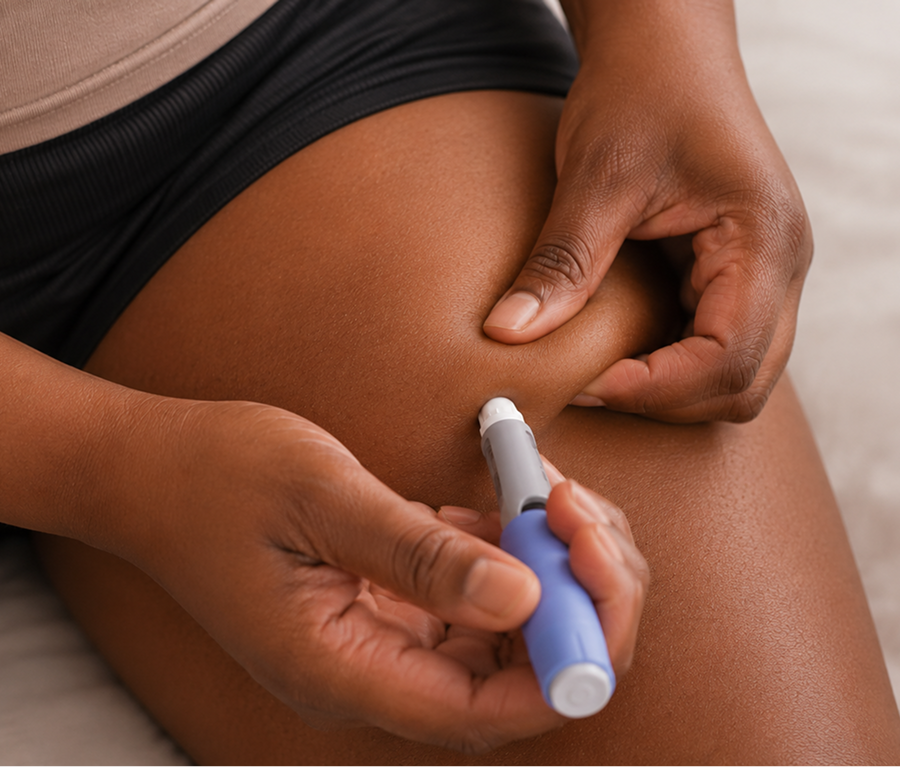
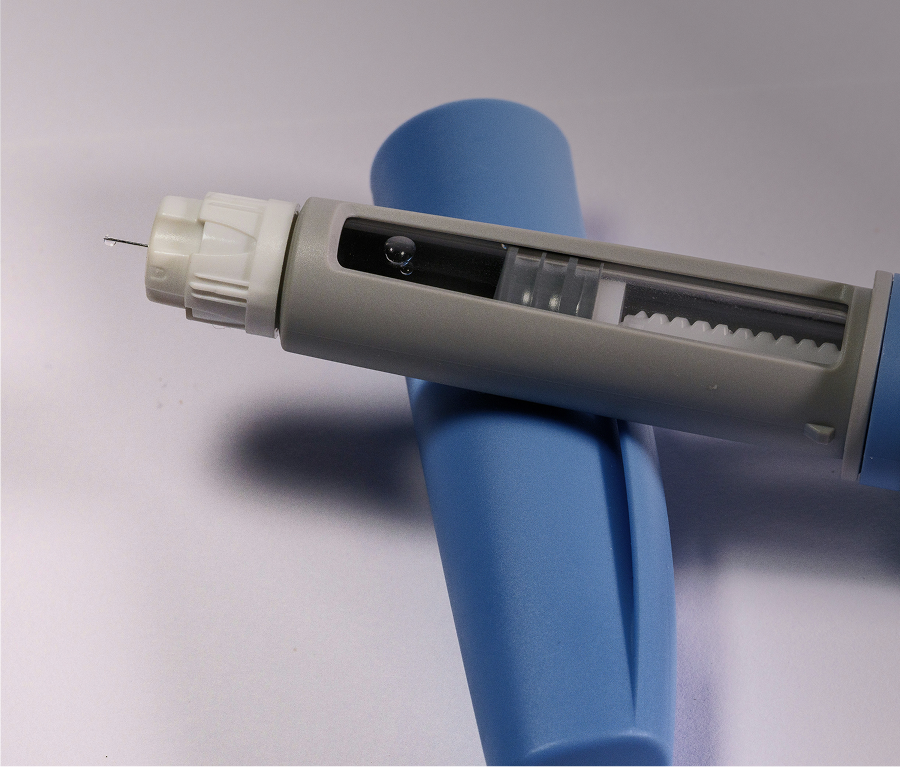
GLP-1 drugs—semaglutide (Ozempic, Wegovy); tirzepatide (Mounjaro, Zepbound); liraglutide (Victoza, Saxenda); and a handful of others—are engineered versions of that hormone, built to mimic its physiological effects while lasting far longer in the body than the original, which breaks down in minutes.
Exenatide, the first GLP-1 drug, was approved for the treatment of type 2 diabetes in 2005. Everything since has been refinement . . . longer-acting molecules, better manufacturing, and eventually tirzepatide, which goes a step further by activating a second hormone receptor, GIP, alongside GLP-1. In trials, that dual mechanism produced weight reductions of up to 22.5%, roughly double what earlier GLP-1-only drugs achieved.
What made these drugs a cultural phenomenon was the obesity element, but that's a downstream use of a hormone system that was never just about body weight. GLP-1 receptors turn out to be expressed throughout the body: in the brain, heart, kidney, liver, gastrointestinal tract, and other tissues, not just in the gut and pancreas.
This is the thread the rest of this piece pulls on.
The GLP-1 conversation is evolving.
GLP-1 medications can be highly effective at reducing body weight. However, not all weight loss comes from fat—a meaningful portion may come from lean muscle, an unintended effect that researchers are increasingly focused on.
Muscle isn't just strength. It’s your metabolic engine and one of the strongest predictors of how well you age.
InfiniWell's Performance & Recovery Protocol pairs BPC Rapid Pro with Strength, a two-part system supporting lean muscle preservation, muscle protein synthesis pathways, and post-exercise recovery.* Built by the team trusted by 25,000+ healthcare professionals, it's designed for anyone who wants to stay strong through every phase of their health journey.
Whether you're on a GLP-1, training hard, or planning to stay capable for decades, protecting muscle is the smartest investment you can make.
Exclusive for Eudēmonia readers: get $50 off the Performance & Recovery Protocol at checkout
The clearest signal is cardiovascular. A meta-analysis of 16 randomized trials covering more than 23,000 non-diabetic adults with obesity found that GLP-1 receptor agonists cut major adverse cardiovascular events—including heart attack, stroke, and cardiovascular death—by 20%. That alone wouldn’t be surprising if it were just downstream of weight loss: less body mass, less strain on the heart, case closed. Except the same analysis ran mediation models and found that 35–55 % of the cardiovascular benefit held even after accounting for how much weight patients had lost.
Something else is going on. Researchers now point to direct anti-inflammatory and endothelial effects. The drugs appear to modify atherosclerotic plaque composition itself, not just the risk factors that lead to it. In heart failure with preserved ejection fraction (a notoriously hard condition to treat) low-dose GLP-1 therapy has been shown to attenuate cardiac and hepatic remodeling independent of weight loss, with tirzepatide specifically reducing left ventricular mass and pericardial fat in ways that don't map cleanly onto the scale.
In January 2025, semaglutide became the first GLP-1 approved to treat kidney disease in people with type 2 diabetes. The approval was based on the FLOW trial, which showed a 24% reduction in major kidney outcomes—including progression to kidney failure, the need for dialysis, and kidney-related death—over three years. Participants also experienced a meaningful reduction in cardiovascular death.
Researchers are still working to understand exactly why. One leading theory is that semaglutide reduces chronic inflammation by lowering CRP and other inflammatory markers, an effect that appears to extend beyond blood sugar control and may help slow the progression of kidney disease.
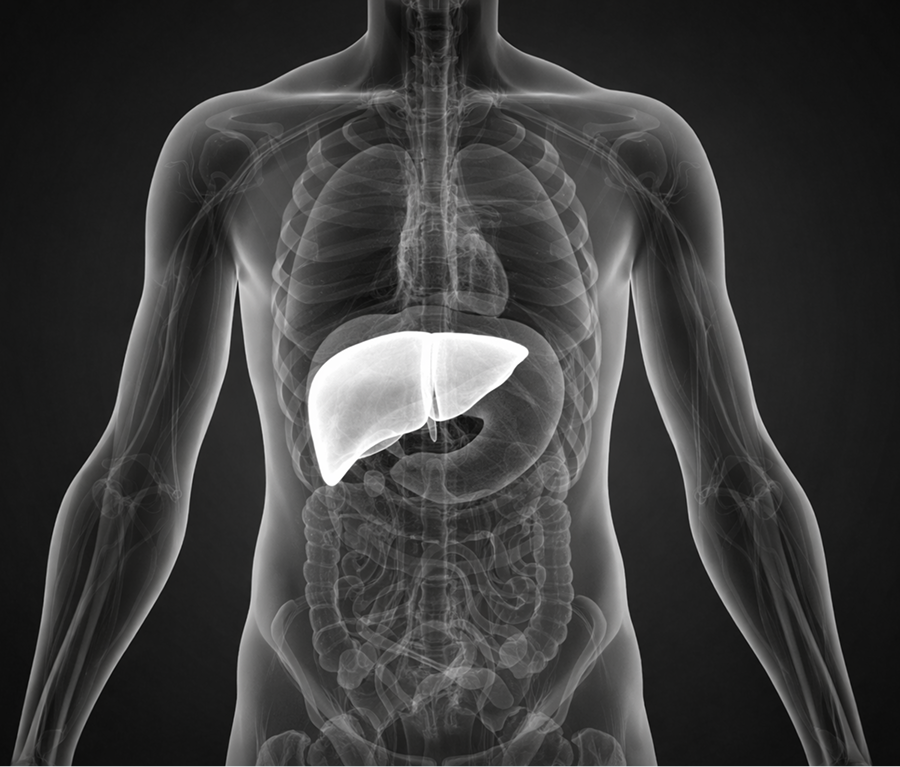
The liver tells a similar story. In August 2025, the FDA granted accelerated approval for semaglutide in MASH (metabolic dysfunction-associated steatohepatitis), the progressive, scarring form of fatty liver disease that used to be a dead end, clinically.
In the phase 3 ESSENCE trial, 62.9% of patients with MASH saw their disease resolve without their scarring getting worse, compared to 34.3% on a placebo. It seems as though this isn't a drug quietly avoiding harm to the liver, it's actively reversing the damage.
This is the part of the research that tends to make even skeptical readers sit up. In January 2025, a team from Washington University and the VA St. Louis Health Care System published an analysis of more than 2 million veterans treated for diabetes over six years. It was one of the largest real-world looks at what these drugs actually do across every organ system, not just the ones they were designed for.
The neurological and psychiatric findings were the most unexpected. People on GLP-1 drugs showed reduced risk of seizures, and reduced risk of substance use disorders involving alcohol, cannabis, stimulants, and opioids. They also had lower rates of suicidal ideation, self-harm, bulimia, and psychotic disorders including schizophrenia, as well as a decreased risk of Alzheimer's and other dementias. A follow-up analysis from the same VA research group found the addiction-related reduction held across every major addictive substance studied, along with lower rates of hospitalization, overdose, and death among veterans who already had a substance use disorder.
Ziyad Al-Aly, the study’s senior author and director of the Clinical Epidemiology Center at VA St. Louis, offered an explanation: GLP-1 receptors are expressed in brain regions tied to impulse control and reward, which may explain why a drug built to quiet appetite is also, apparently, quieting craving more broadly for substances that have nothing to do with food. The effect sizes here are modest, generally in the 10–20% range, and Al-Aly is careful to note that modest doesn’t mean unimportant, especially for conditions like dementia where treatment options remain thin.
The newest and most tentative thread is oncology. In June 2026, researchers at Penn Medicine presented findings from an analysis of over 110,000 women ages 45–80, all with a BMI of 25 or higher, who had had breast imaging within the Penn Medicine system. Women with documented GLP-1 prescriptions had 35.1 % lower odds of developing breast cancer in the full cohort. When researchers built a more rigorously matched comparison group—controlling for age, race, BMI, breast density, and diabetes status—the reduction held at 30.5 %.
The study’s lead author, Elizabeth McDonald, MD, PhD, was explicit that this is observational, not causal. It shows an association, not proof that the drug prevents cancer. But the finding was strong enough that her team is now working to stand up a multisite clinical trial to test whether GLP-1 drugs can actually lower breast cancer incidence in high-risk women, including those with a prior diagnosis. If it holds up under trial conditions, researchers estimate the effect would be somewhat smaller than, but broadly comparable to, existing preventive options like anti-estrogen therapy or bariatric surgery.
The signal doesn’t stop at diagnosis, either. Researchers at Virginia Commonwealth University reviewed records for more than 840,000 women with early-stage breast cancer and found that, among women who also had obesity, GLP-1 users had a 10-year survival probability of 96% versus 88.6% for non-users. Among women with type 2 diabetes, the gap widened further: 96.9% versus 76.4% for those on insulin or metformin instead. A separate Cleveland Clinic analysis found that breast cancer progressed to stage IV in just 10% of GLP-1 users compared to 20% of patients on a different diabetes drug, and that tumors with high expression of the GLP-1 receptor were linked to a 45% lower risk of death.
We need to be careful to note that none of this proves the drug itself is doing the work. It's plausible that GLP-1 users are simply healthier, better monitored, and more metabolically stable to begin with, which is its own explanation for better outcomes. And the picture isn't uniformly rosy: a 2025 review in the Annals of Internal Medicine covering 48 randomized trials found GLP-1 drugs likely have little to no effect on overall risk of obesity-linked cancers. Researchers attribute this contradiction to those trials simply not logging enough breast cancer cases to detect a real signal either way.
None of this makes GLP-1s a panacea, and it's worth being precise about the tradeoffs rather than waving them away.
The best-documented concern is body composition. Depending on the study, 25–40% of the weight lost on these drugs is lean mass, not fat. Resistance training and adequate protein intake meaningfully blunt this, and some case-level data show patients preserving or even gaining lean mass despite substantial fat loss, but it requires deliberate effort. Bone density loss shows up too, particularly in postmenopausal patients, though the effect on actual fracture risk is still unclear.
And then there's the question nobody loves answering: What happens when you stop? Roughly two-thirds of lost weight tends to return within a year after discontinuing treatment, which is the strongest argument for thinking of these drugs the way we think of an ongoing therapy, like blood-pressure medication, not a course of treatment with a finish line.
These drugs got popular for one thing they do. But the data keeps suggesting they're something else entirely: a molecule that reaches into nearly every major organ system, discovered almost by accident to be doing work nobody prescribed it for.
Cardioprotective. Kidney-protective. Possibly liver damage-reversing. Possibly addiction-blunting. Possibly—in a way that's just barely coming into focus—cancer-preventing.
That’s not a reason to treat GLP-1s as risk-free, and it's not a reason to treat every headline as settled science: much of this is still observational, still early, still waiting on the kind of trials that turn "associated with" into "causes." But it is a reason to stop thinking of these as weight-loss drugs with a long list of side effects, and start asking a more interesting question: What else haven't we found yet?
Disclaimer: This newsletter is provided for educational and informational purposes only and does not constitute providing medical advice or professional services. The information provided should not be used for diagnosing or treating a health problem or disease, and those seeking personal medical advice should consult with a licensed physician.

October 16, 2026

September 30, 2026

September 29, 2026

September 24, 2026
September 24, 2026

September 18, 2026
September 11, 2026

September 4, 2026

August 29, 2026