Gut Health
Preventative Health
The Leaky Gut Issue

July 16, 2026
July 16, 2026
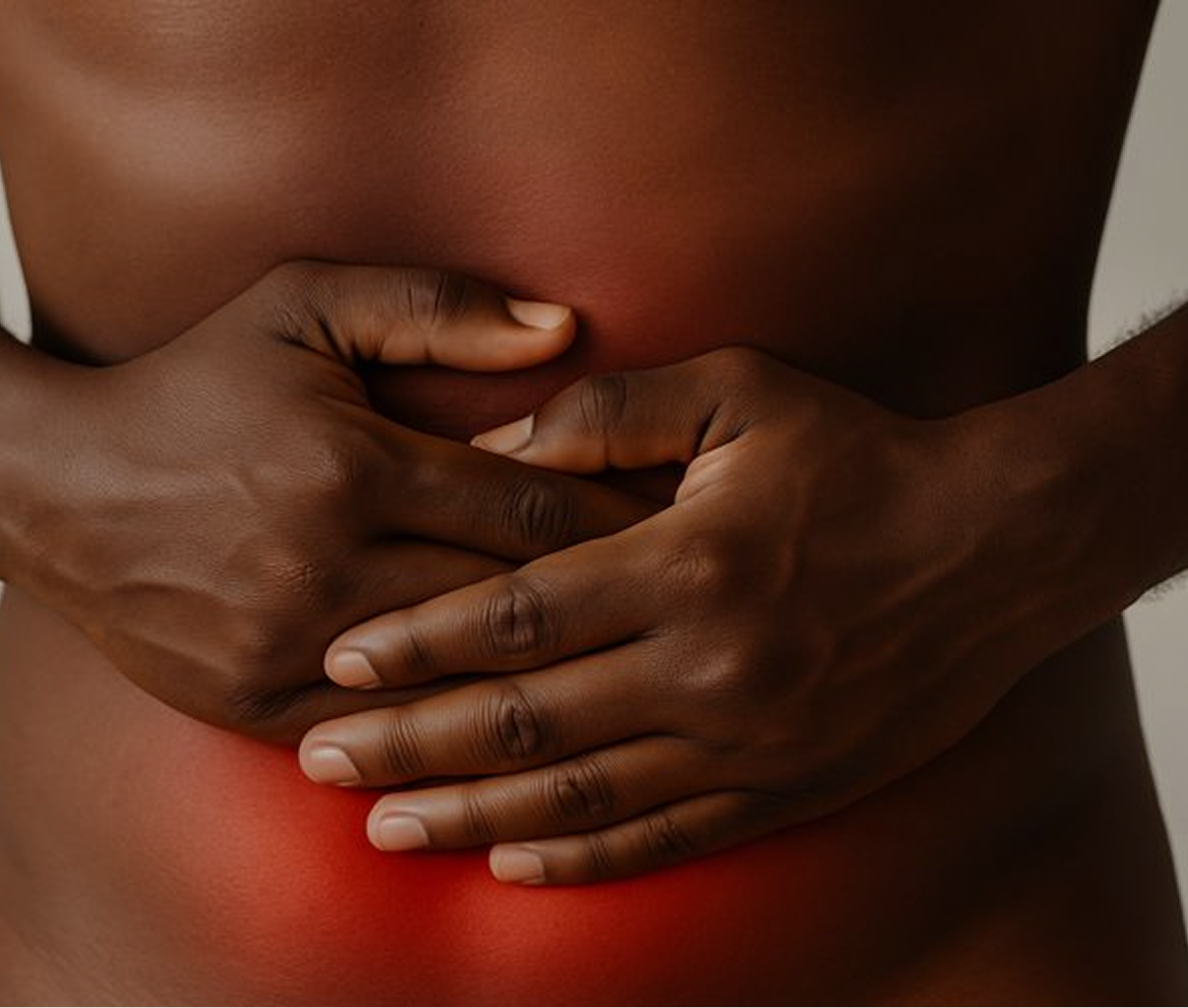
If you're reading this, there’s a good chance you’ve heard the term “leaky gut.”
It gets blamed for everything from bloating and brain fog to autoimmune disease. In some cases, it may play a role. Your gut is one of the most important systems in your body, yet it remains one of the least understood by science. When the gut barrier becomes more permeable than it should be, it can set off a cascade of problems. But like so many things in biology, the critical question is whether leaky gut is the root cause of the problem or a symptom of something else that’s already gone wrong.
Here’s the short version of the problem, before we go any further: mainstream medicine doesn't recognize “leaky gut syndrome” as a diagnosis. But the underlying biology it’s named after—increased intestinal permeability—is real, measurable, and actively studied in serious journals. So this is one of those topics where both the enthusiasts and the skeptics are half right.
The interesting work is figuring out exactly where the line falls between “documented physiology” and “unproven syndrome sold as an explanation for everything.” That line is also where a lot of the testing and treatment industry built around this term gets ahead of what the evidence can actually support, which is worth understanding before you spend money exploring it.
So let’s do that carefully. What is intestinal permeability, actually? Where does “leaky gut syndrome” depart from what the research shows? And once you strip out some of the overreach, what’s actually left to act on?
Before we jump in, this issue is about gut permeability. If you’d like to go a little deeper, you can check out our issue on the Gut Microbiome.
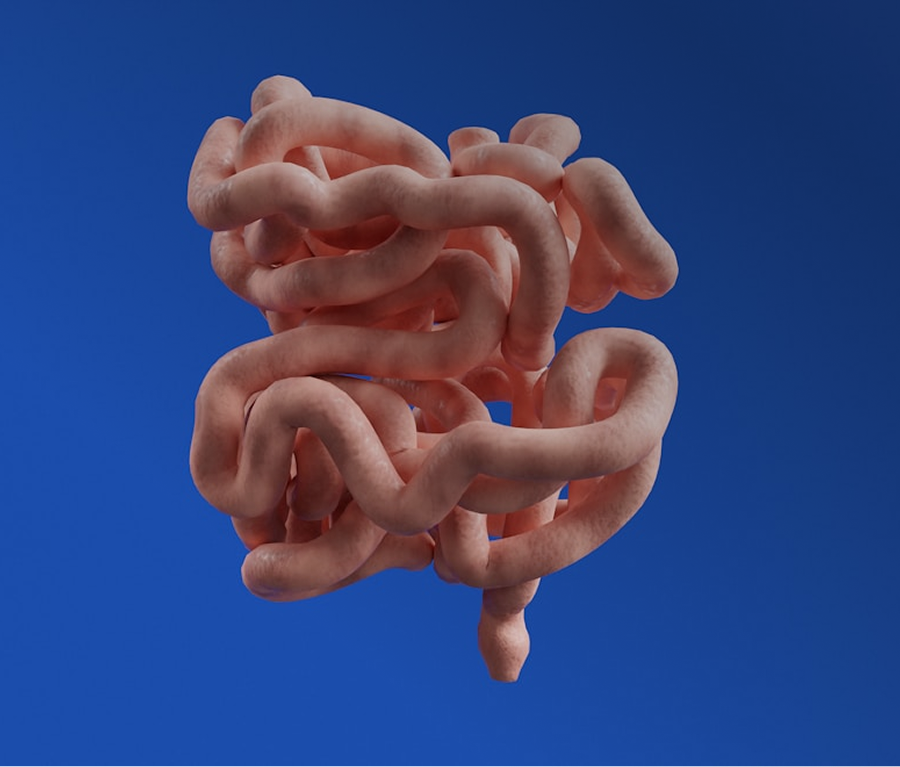
Your intestines have one of the hardest jobs in the body.
Every day, they must absorb water, vitamins, minerals, amino acids, fats, and carbohydrates from the food you eat. At the same time, they have to keep trillions of bacteria, toxins, and potentially harmful substances from entering your bloodstream.
To do this, your intestinal lining acts like a highly selective security checkpoint.
The cells lining your gut sit tightly against one another, connected by structures called tight junctions. These junctions constantly open and close, allowing nutrients to pass while keeping unwanted toxins out.
A healthy gut isn’t completely sealed. It’s selectively permeable. And when those tight junctions become less selective, substances that normally (and should) stay inside the intestine can cross into the bloodstream more easily. The barrier isn’t functioning as efficiently as it should. This is what scientists call increased intestinal permeability.
When bacterial fragments or other molecules cross the intestinal barrier, they can trigger inflammation and immune activity. In some people, this appears to contribute to disease. In others, it may simply be a consequence of an existing illness.
That’s one of the biggest questions researchers are still trying to answer.
Because we’re still learning about the gut microbiome and its role in human health, the science isn’t settled and some of the diagnostics are questionable.
One of the most commonly discussed biomarkers of “leaky gut” is a protein called zonulin. Scientists know that zonulin plays a real role in regulating the tight junctions between intestinal cells, making it one of the few proteins known to directly influence gut permeability.
But researchers who study it closely have flagged serious problems with how zonulin is measured commercially. The antibody tests used in many at-home and functional-medicine lab panels often don’t reliably distinguish zonulin from other, unrelated proteins, which means a “high zonulin” result on a mail-in test may not be measuring what the company selling it claims. Some researchers have gone as far as to argue the field needs to move away from commercial zonulin ELISA tests entirely and toward more rigorous methods, like dual-sugar absorption testing, to get a trustworthy read on gut permeability.
The second place things get oversold is causation. “Leaky gut” is often presented as the root cause of an enormous list of unrelated conditions—anxiety, eczema, chronic fatigue, weight gain. The honest answer is that increased intestinal permeability shows up alongside a number of inflammatory and metabolic conditions, and there’s reasonable evidence for how it could contribute to systemic inflammation. But “associated with” and “seen alongside” is a different claim than “the singular cause of.” Gut permeability is very likely one contributing input among several, not a unifying explanation for whatever ails you.
None of this means the concept is fake. It means the honest version is more modest, and more interesting, than the marketing version.
There’s growing agreement that, whatever the upstream cause, persistently increased gut permeability is a biologically unfavorable state and is worth addressing when it shows up alongside other risk factors.
So having spent time on what to be skeptical of, it’s worth being just as precise about the other side: there’s real, growing, peer-reviewed evidence that gut barrier health influences more than digestion, and mental health is where some of the most interesting research is happening right now.
When the gut barrier is compromised, bacterial byproducts and inflammatory signals gain easier access to circulation, and that inflammation doesn’t stay local. Markers like C-reactive protein and IL-6 that rise with gut inflammation are the same markers repeatedly linked to depression and anxiety risk.
Short-chain fatty acids do the opposite: they can cross the blood–brain barrier, help regulate neuroinflammation, and support the integrity of that barrier too. Systematic reviews and meta-analyses of randomized controlled trials have found that probiotic and gut-microbiome-targeted interventions produce measurable improvements in depression and anxiety symptoms, including in women navigating perinatal, postpartum, and menopausal hormonal shifts. In one of the more striking recent threads, pilot trials in veterans with PTSD found that prebiotic supplementation increased short-chain-fatty-acid-producing bacteria, reduced inflammatory markers, and was associated with an attenuated stress response.
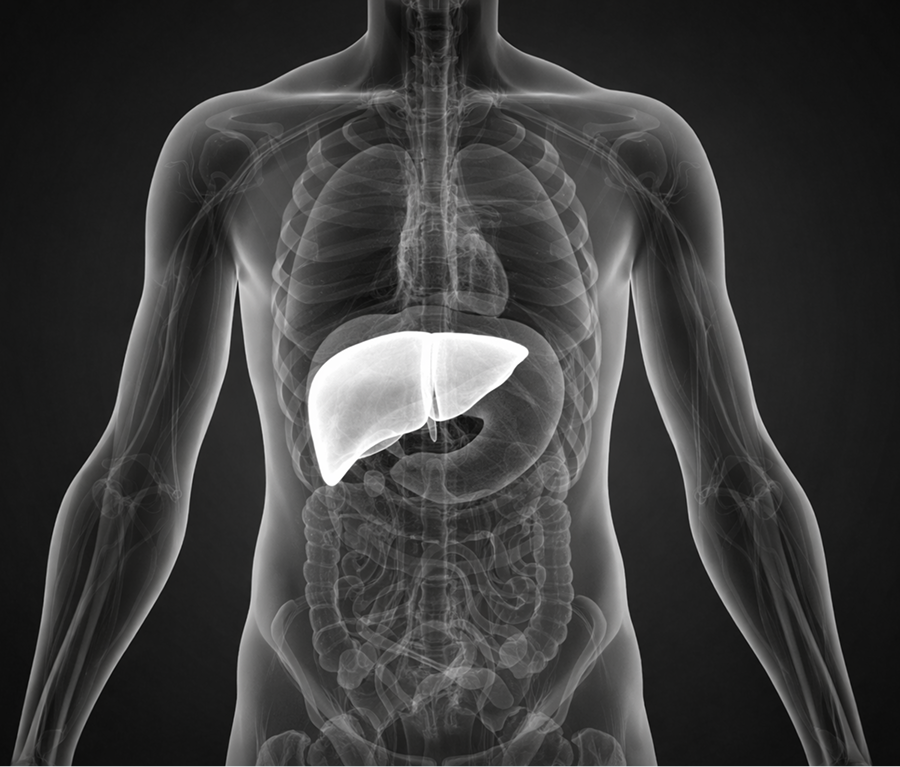
This one has some of the more concrete outcome data. In a trial of adults with metabolic dysfunction-associated steatohepatitis (MASH, the more serious form of fatty liver disease) and liver fibrosis, a structured weight-loss intervention produced significant reductions in zonulin (the permeability biomarker we were skeptical about as a stand-alone diagnostic earlier) alongside clinically meaningful improvements in liver disease severity markers in the large majority of participants. That’s a case where improving the gut barrier tracked directly with a hard clinical outcome, in a disease where permeability is a documented contributor rather than a marketing claim.
This is the condition where “leaky gut” isn’t a controversial framing at all, it’s standard gastroenterology. A pilot trial in patients with ulcerative colitis found that a targeted intervention aimed at improving barrier function produced real reductions in CRP and fecal calprotectin (a well-established marker of intestinal inflammation), along with histological evidence of reduced colonic inflammation and increased expression of gut barrier proteins on tissue biopsy. When permeability is the actual mechanism of a disease, treating it produces outcomes doctors can measure directly, not just symptom relief.
This is a less obvious one, but it’s well-studied: 30–90 percent of endurance athletes experience gastrointestinal symptoms during training and competition, driven partly by exercise-induced increases in gut permeability from reduced blood flow to the intestines during exertion. Randomized, placebo-controlled trials have shown that specific probiotic strains can meaningfully reduce exercise-induced permeability. Structured “gut training” protocols—deliberately practicing fueling strategies before race day—reduce GI symptom severity and may improve performance as a result. If you’re an endurance athlete, gut barrier resilience is a legitimate, trainable performance variable.
Across all four, the honest caveat is the same: this is one real contributing factor among several, not the root cause of everything. But that’s a meaningfully different (and more encouraging) story than the murky-science section above. These effects are being tested in actual randomized trials, published in mainstream journals, in conditions where the underlying mechanism is well-established rather than assumed.
Setting aside the overused claims, there’s decent evidence pointing to a handful of real contributors.
Diets low in fiber and high in ultra-processed food are associated with thinner mucus layers and altered gut barrier function. Fiber feeds the bacteria that produce short-chain fatty acids like butyrate, which is one of the primary fuel sources for the cells lining your colon and plays a direct role in keeping tight junctions intact.
The gut–brain axis is a two-way street. Cortisol and the physiological stress response can measurably increase intestinal permeability, which is part of why gut symptoms so often track with stressful periods of life independent of what you're eating.
Even moderate alcohol intake has a well-documented, direct effect on loosening intestinal tight junctions. This is one of the more consistently replicated findings in this field.
Regular use of ibuprofen, naproxen, and similar drugs is one of the more established causes of increased gut permeability, well before the research on functional medicine protocols existed.
An imbalanced microbiome, whether from antibiotics, poor diet, or infection, changes the metabolic byproducts bacteria produce, which in turn affects how well the barrier holds together.
This is the useful part, and thankfully it doesn’t require a supplement subscription.
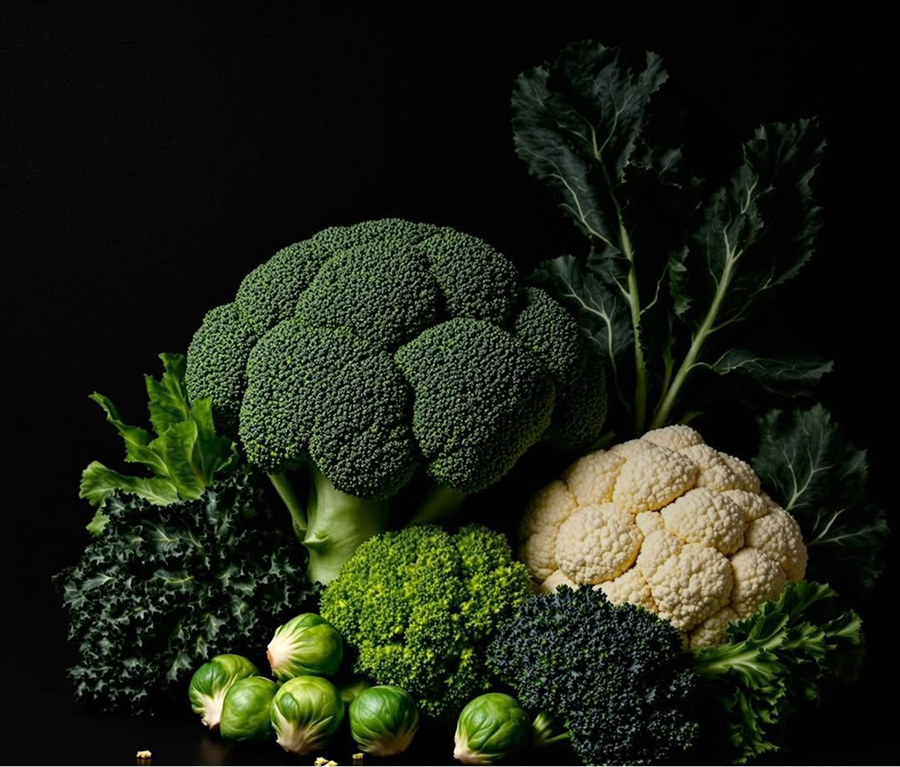
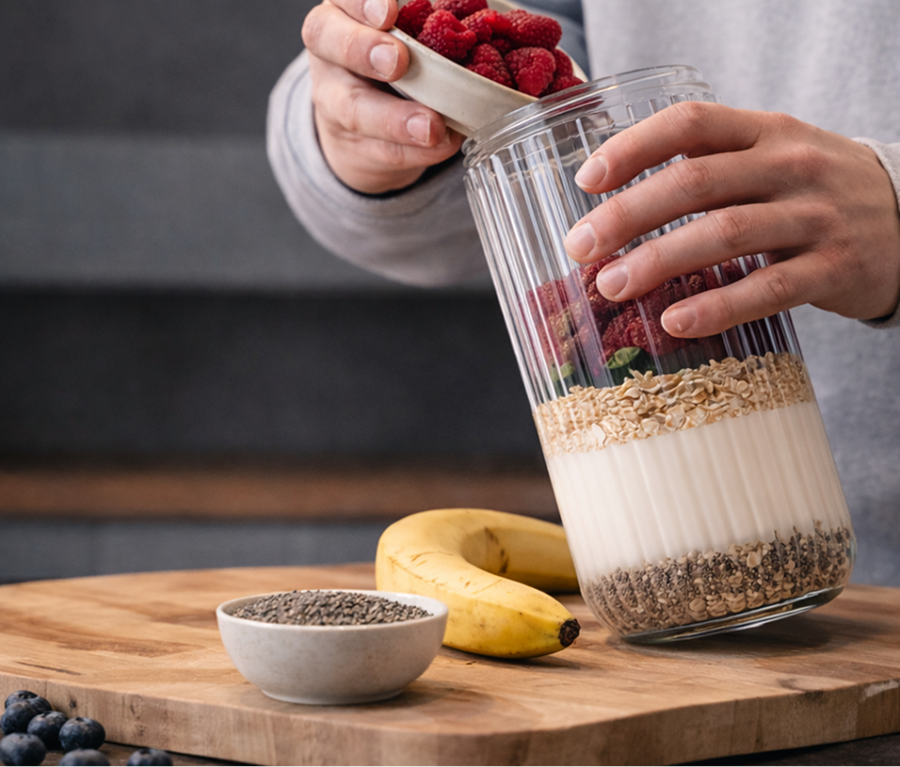
A 2025 systematic review and meta-analysis pooling dozens of clinical trials found that prebiotic fiber and pro/synbiotic supplementation produced a moderate but real reduction in permeability markers. The practical version of this is boring but effective: a wide variety of plant fiber sources feeding a wide variety of bacterial species, rather than one fiber supplement in isolation.
The same body of research shows benefit from probiotic and synbiotic interventions on gut barrier markers, though effect sizes vary a lot by strain and study quality. This is a “reasonable bet, not a guarantee” category of intervention.
Since short-chain fatty acids like butyrate directly nourish colon cells and support tight junction integrity, anything that reliably increases their production helps: fiber intake, resistant starch (cooled potatoes and rice, green bananas), and in some research contexts, direct butyrate or butyrate-precursor supplementation, though human trial data here is still developing.
Given how directly and reproducibly alcohol affects the gut barrier, this is one of the highest-leverage, lowest-ambiguity levers available if permeability is a genuine concern for you.
If you're taking ibuprofen or similar medications regularly for chronic pain, it's worth a conversation with your doctor about alternatives or gut-protective strategies, since this is one of the more well-established drivers of barrier disruption.
Because the stress-permeability link is physiologically real and not just correlational, practices that reliably lower your stress load—sleep, movement, meditations, whatever your actual relaxation response is—belong in the same category as diet when you’re thinking about gut barrier health.
Increased intestinal permeability is real biology with legitimate research behind it. It has been linked to inflammatory, metabolic, and liver diseases, among others. Full stop.
What isn’t well-supported is the idea that “leaky gut” is a single diagnosable syndrome that explains a wide range of unrelated symptoms, or that expensive at-home biomarker tests can accurately tell you is the cause of your health problems.
None of that means gut health isn’t worth paying attention to. It absolutely is. It simply means we should separate what we know from what we hope. If you’re dealing with a chronic health issue, gastrointestinal health deserves consideration as part of the broader picture, alongside the many other factors that can contribute to disease.
For most people, the evidence points toward a fairly simple approach: eat a wide variety of fiber rich foods, limit excess alcohol, be thoughtful about frequent NSAID use, manage chronic stress, and prioritize the everyday habits that support a healthy gut ecosystem. It’s not a flashy protocol. It’s simply where the strongest evidence leads.
Disclaimer: This newsletter is provided for educational and informational purposes only and does not constitute providing medical advice or professional services. The information provided should not be used for diagnosing or treating a health problem or disease, and those seeking personal medical advice should consult with a licensed physician.

September 30, 2026

September 29, 2026
September 24, 2026

September 18, 2026
September 11, 2026

September 4, 2026

August 29, 2026

August 21, 2026

August 15, 2026