Spoiler alert if you missed last week’s deep dive: (dark) chocolate is good for you. Of course, it’s not that straightforward.
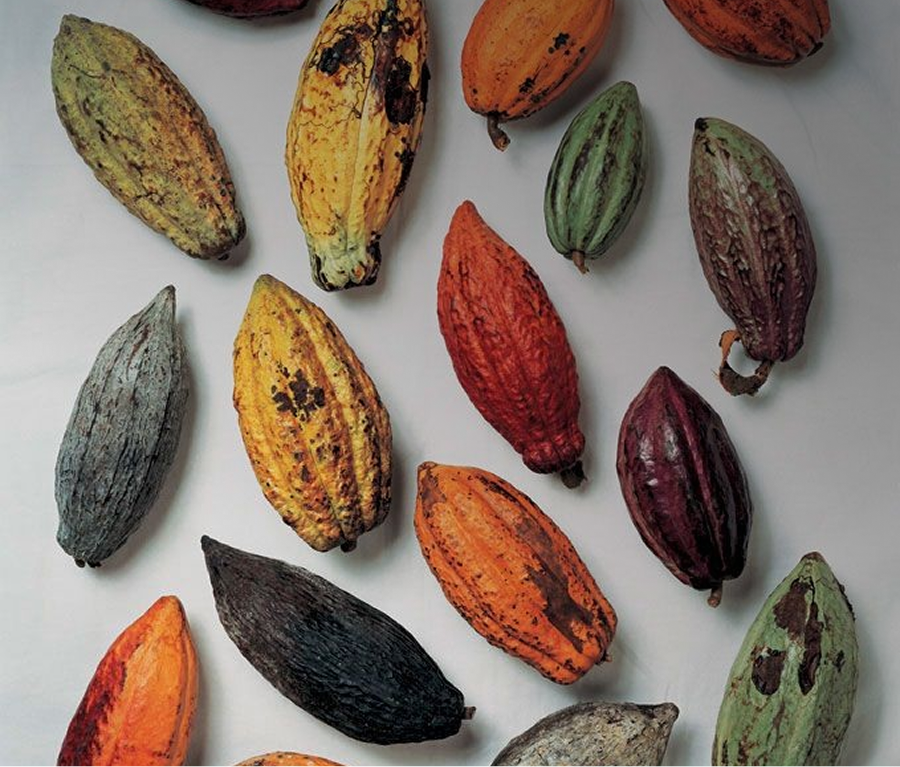
Because it really comes down to cacao. The amounts, the flavanol content, and what’s lost through processing.
We broke down what you’re really getting from most chocolate—and how far that is from the version used in the studies. But luckily, cacao not only fits into a healthy diet; it belongs in one.
Read the Deep Dive
But of course, more questions (and answers) remain, so we brought the best of them to a certified expert on the matter.
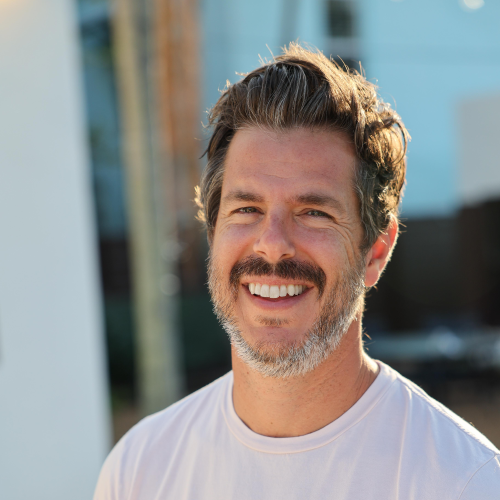
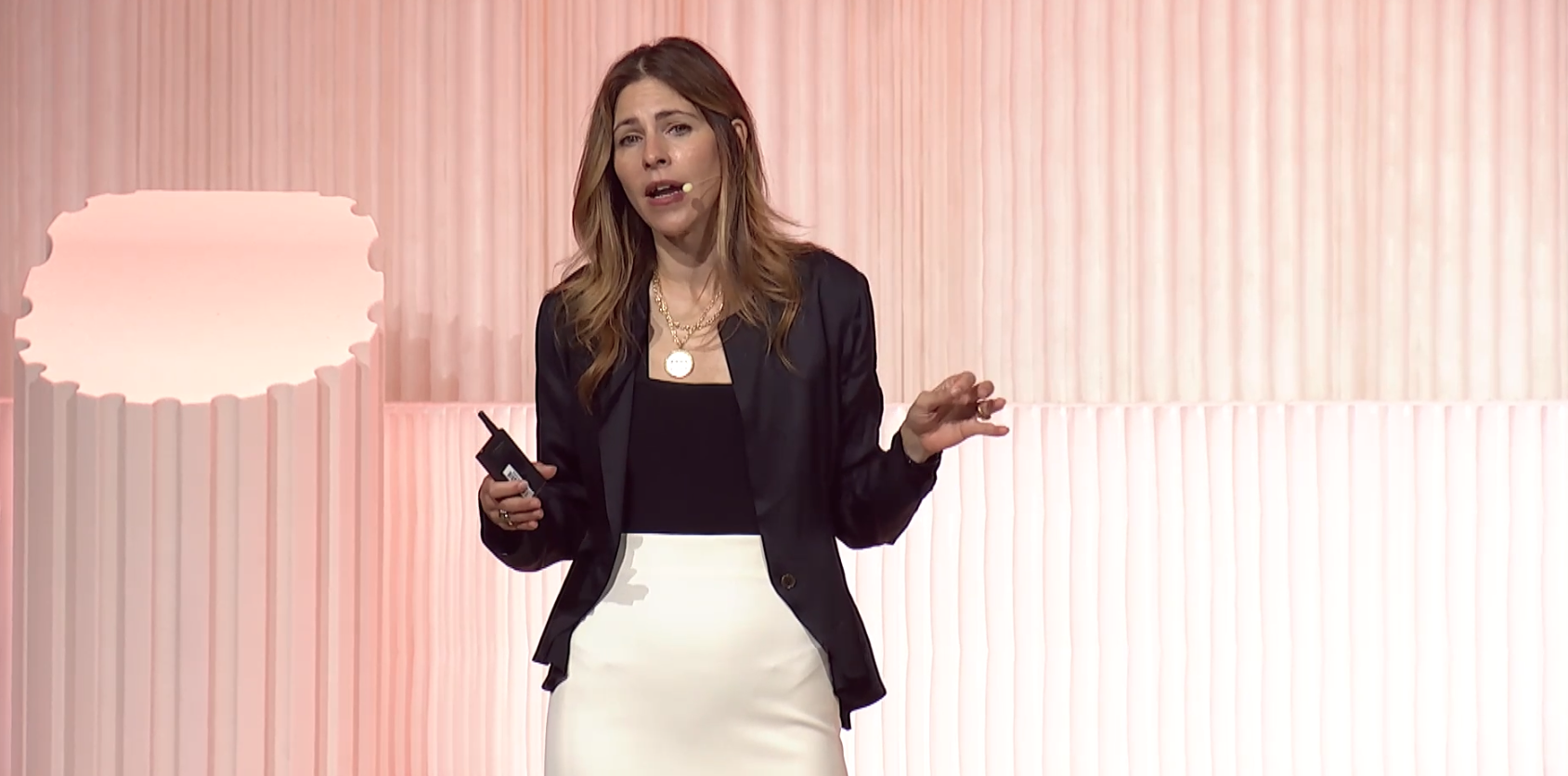
Drew Ramsey, MD, is a board-certified psychiatrist, author, and leading voice in Nutritional Psychiatry and integrative mental health. He is a Fellow of the American Psychiatric Association and the founder of the Brain Food Clinic and Spruce Mental Health. For twenty years, he served as an assistant clinical professor of psychiatry at Columbia University, where he taught and supervised psychotherapy and nutritional psychiatry.
Dr. Ramsey has authored five books, including Healing the Modern Brain, and three e-courses. He is a dynamic speaker, podcast host and educator who has delivered three TEDx talks. His work has been featured by The New York Times, The Wall Street Journal, The Today Show, NPR, and other notable outlets. He lives in Jackson, WY, with his wife and family.
Today, he’s answering your questions about chocolate.
Q.How much dark chocolate per day is too much dark chocolate? Asking for a friend.
I tried to figure this out by visiting a cacao farm in Costa Rica a few years ago. The raw cacao nibs in the pancakes, a sludgy, dark chocolate cacao drink, cacao nibs in the yogurt, parfait and granola . . . and that was just breakfast.
Most people aren’t just eating cacao or even solid dark chocolate. The problem is that we all love caramel and cookie bits, causing us to eat something that is more of a confection than the healthy “food of the gods.”
If you’re sensitive to caffeine and theobromine, the natural stimulating molecules in cacao, dark chocolate could cause you some anxiety or insomnia. Some people are worried about the calories, saturated fat, or even the sugar. But as a Nutritional Psychiatrist, I like the high nutrient density, the amounts of fiber, magnesium, and iron it delivers, and the fact that it is very satiating and satisfying. All to say, let your friend know that a Nutritional Psychiatrist is OK with her eating up to an entire bar of chocolate a day but would encourage her to try more cacao nibs.
Q. How should I eat my chocolate or cacao? In smoothies? In bars? Alone or with meals? As dessert?
These are the great questions of nutritional psychiatry! Yes, please move your chocolate game beyond chocolate bars, chocolate protein bars, and chocolate gelato.
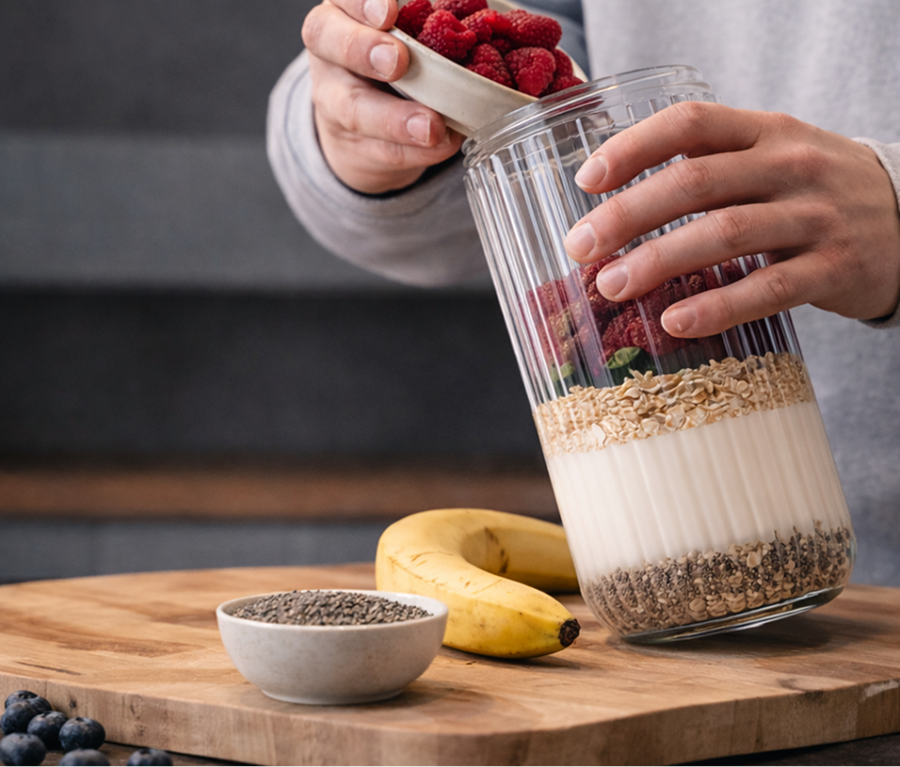
It would be amazing if people got more of their chocolate fix from cacao nibs. I'm particularly a fan of whole dried cacao nibs. Another great use is cocoa powder, where you can control the sweetness and perhaps just use a banana or other fruit instead of sugar or artificial sweeteners.
I tend to enjoy my chocolate on its own, and I like it as a mid-afternoon pick-me-up, leaning into some of the natural stimulant that I need to power through my last four hours of work.
Q. Once and for all, is dark chocolate (with very minimal ingredients) a health food? Or does it live in a grey area? Are there downsides?
Cacao is one of the foods we should explore in nutritional psychiatry when our primary aim is enhancing and preserving brain and mental health. There is extensive research on chocolate and its ability to increase blood flow to the brain and help modulate stress. In nutritional psychiatry, we prioritize nutrient density. Cacao fits the bill with high levels of fiber, iron, magnesium, and nutrients like theobromines.
Dark chocolate plays a special role in nutritional psychiatry because it is such an enticing flavor. I love a dark chocolate peanut butter kefir smoothie. Sourdough cacao pancakes are one of my favorite treats. A handful of cashews and some mini dark chocolate chips are a favorite snack. It is also a great food for appreciating the diversity of flavors found in high-quality dark chocolates around the world.
The downsides we have seen over the last two years include contamination with heavy metals: cadmium and lead. Mostly I think this highlights how responsive our food system is, and our ability as consumers to learn about concerns and find high-quality brands is better than ever before.
A second concern I mentioned earlier is that people see “dark chocolate” but mostly consume sugar and highly processed foods that are just dark chocolate flavored. This flavor is irresistible, leading to overeating a lot of caramel cookie dark chocolate gelato.
Q. How can I make sure I’m getting the absolute healthiest, cleanest, most beneficial dark chocolate or cacao?
I like to find a couple of trustworthy resources that do independent testing. One great thing about our information age is that consumers can demand cleaner, healthier products. When concerns like lead or cadmium or other contaminants arise, the industry knows it must respond, and it does. I look for mid- to higher-tier products with labels I've come to trust. Many people critique labels like USDA organic, but I see it as a brand's attempt to note they are trying to adhere to some of the values around food that I hold dear.
Disclaimer: This newsletter is provided for educational and informational purposes only and does not constitute providing medical advice or professional services. The information provided should not be used for diagnosing or treating a health problem or disease, and those seeking personal medical advice should consult with a licensed physician.