The Aging Q&A with Dr. Jordan Shlain
November 13, 2026

November 13, 2026
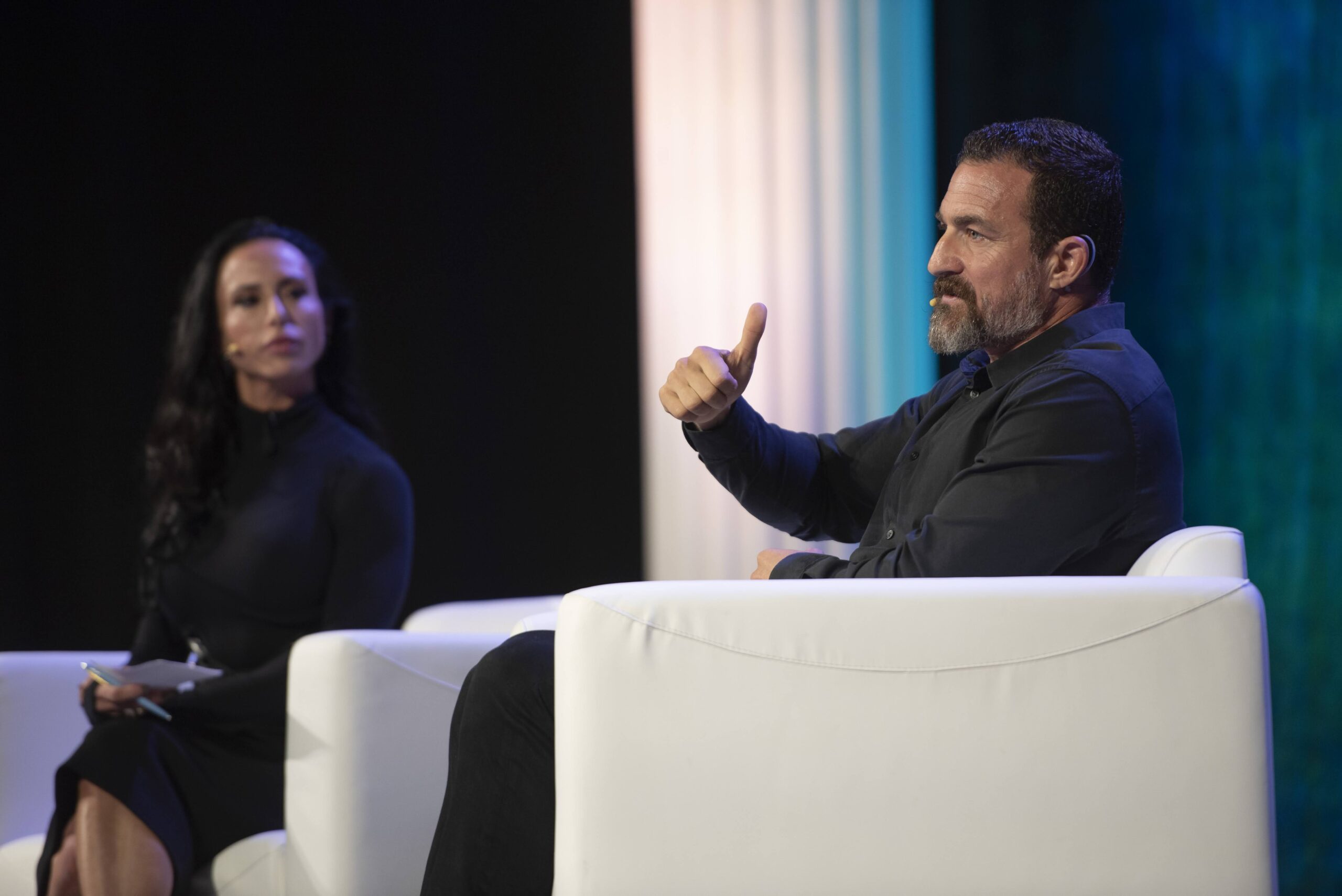
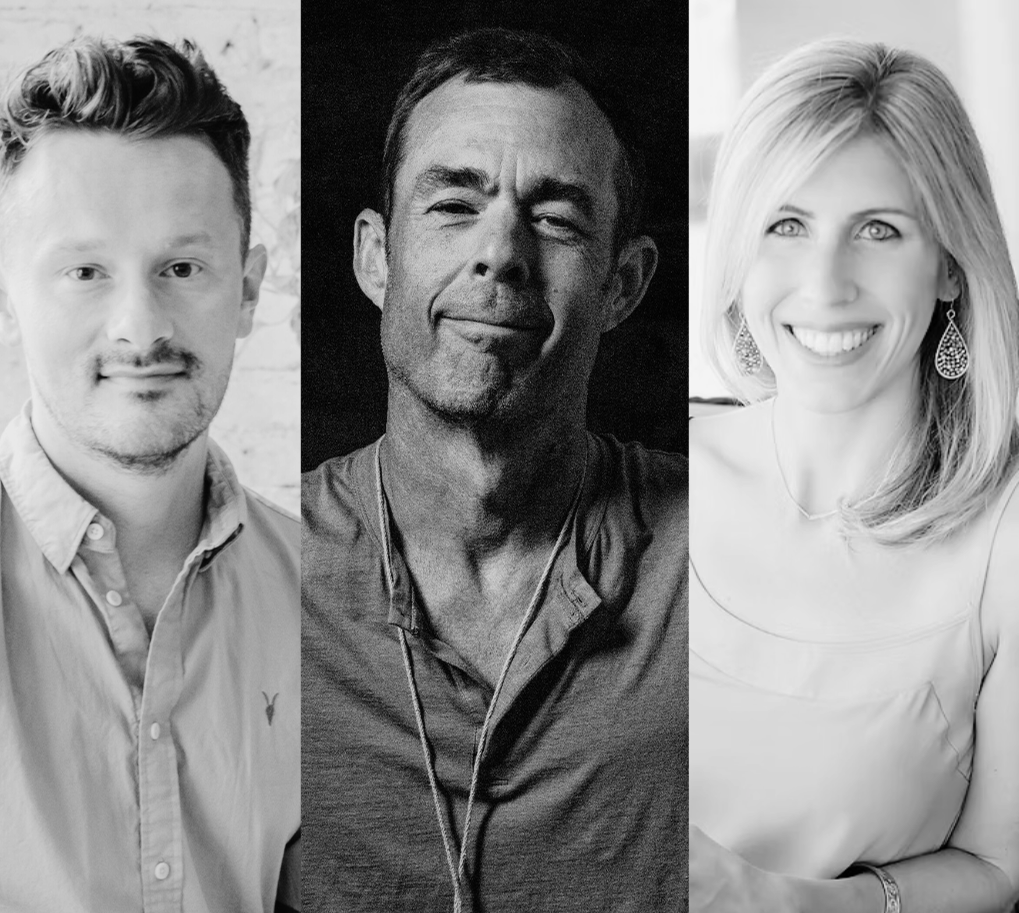
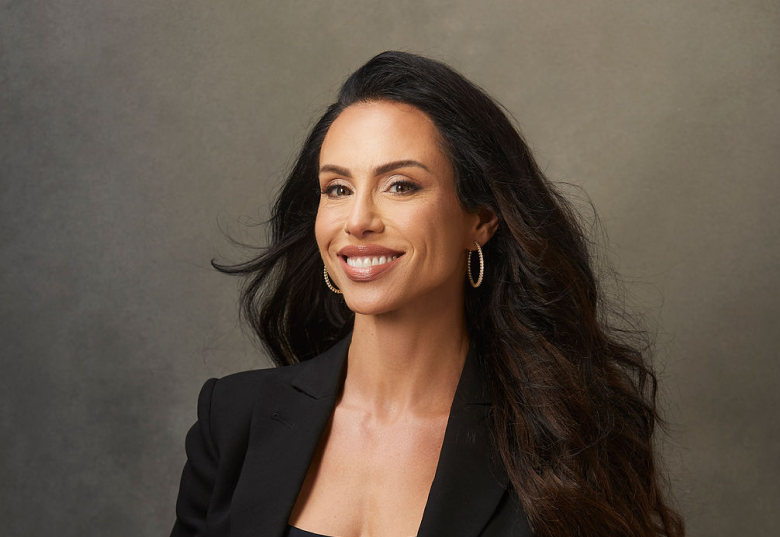
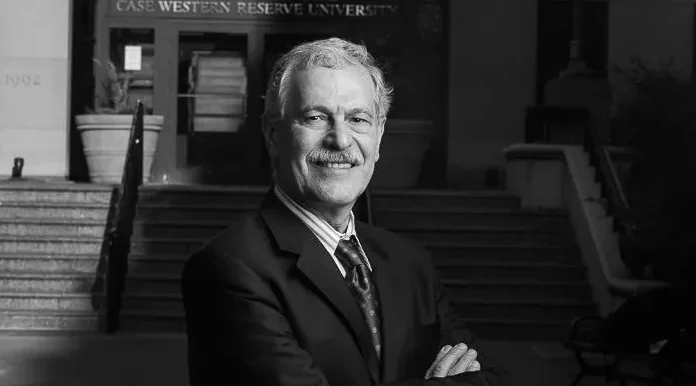
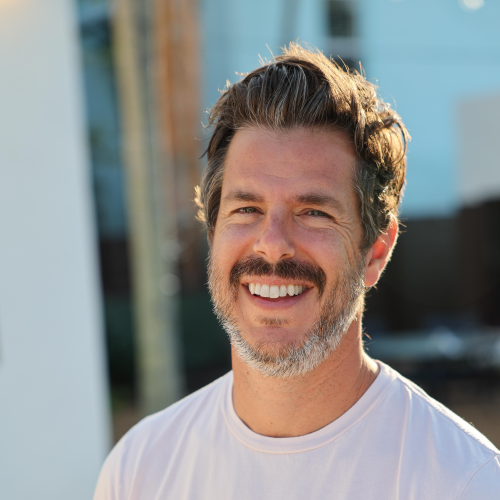
Dr. Jordan Shlain is an early pioneer of concierge medicine and the founder and chairman of Private Medical, which he established in 2002 to build a physician-led model centered on continuity, prevention, and relationship-based care. Under his leadership, Private Medical has grown to seven US offices and built a proprietary network of over 4,000 physicians and specialists across 200 cities worldwide.
Each Private Medical physician cares for approximately 100 patients, creating the time and continuity for proactive, relationship-driven medicine that is increasingly difficult to deliver within the traditional healthcare system. Dr. Shlain and Private Medical were the subject of a feature in The New England Journal of Medicine examining the concierge medicine model and the future of primary care. Beyond Private Medical, he co-founded EatREAL, a nonprofit transforming school food systems nationwide, founded HealthLoop and co-founded DOC.
Rank: insulin sensitivity, then muscle, then leanness. They are not separate dials; they’re one machine viewed from three angles. Insulin sensitivity is the thermostat that tells you whether the whole system is working. Muscle is the furnace; it’s the largest place your body can put glucose, so building it is how you earn sensitivity. Leanness is mostly the reading on the wall, the result of the first two being handled well. If I had one hour a week, I would lift something heavy and walk after dinner, and I would expect the other two to follow.
Better health starts with better feedback.
You already know the basics: eat well, move often, prioritize sleep and manage stress. But how do you know what’s actually working for your body?
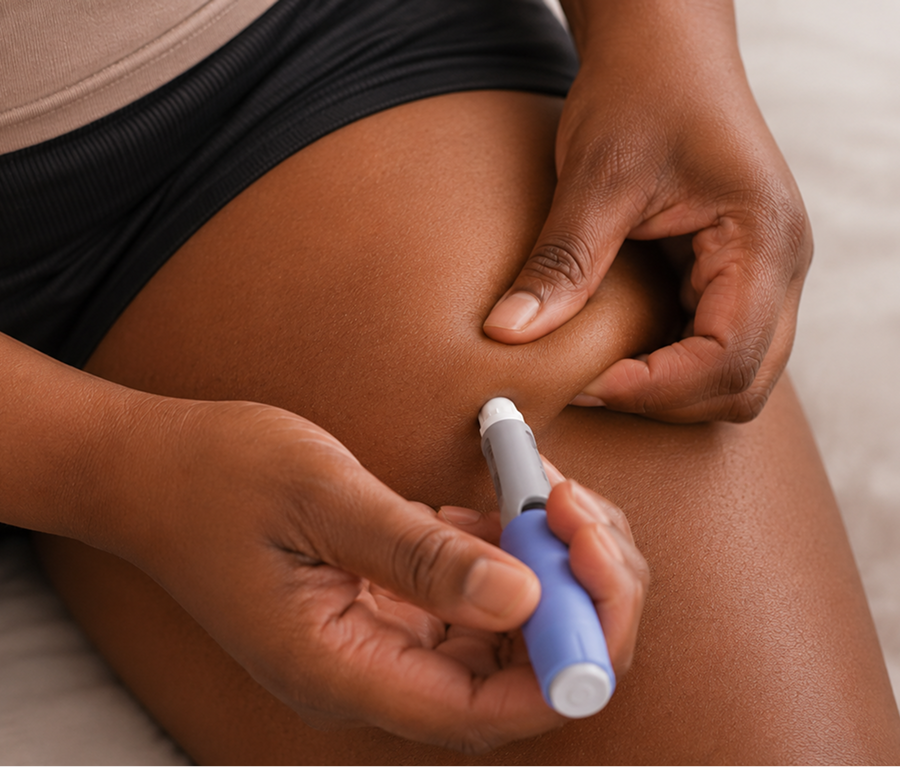
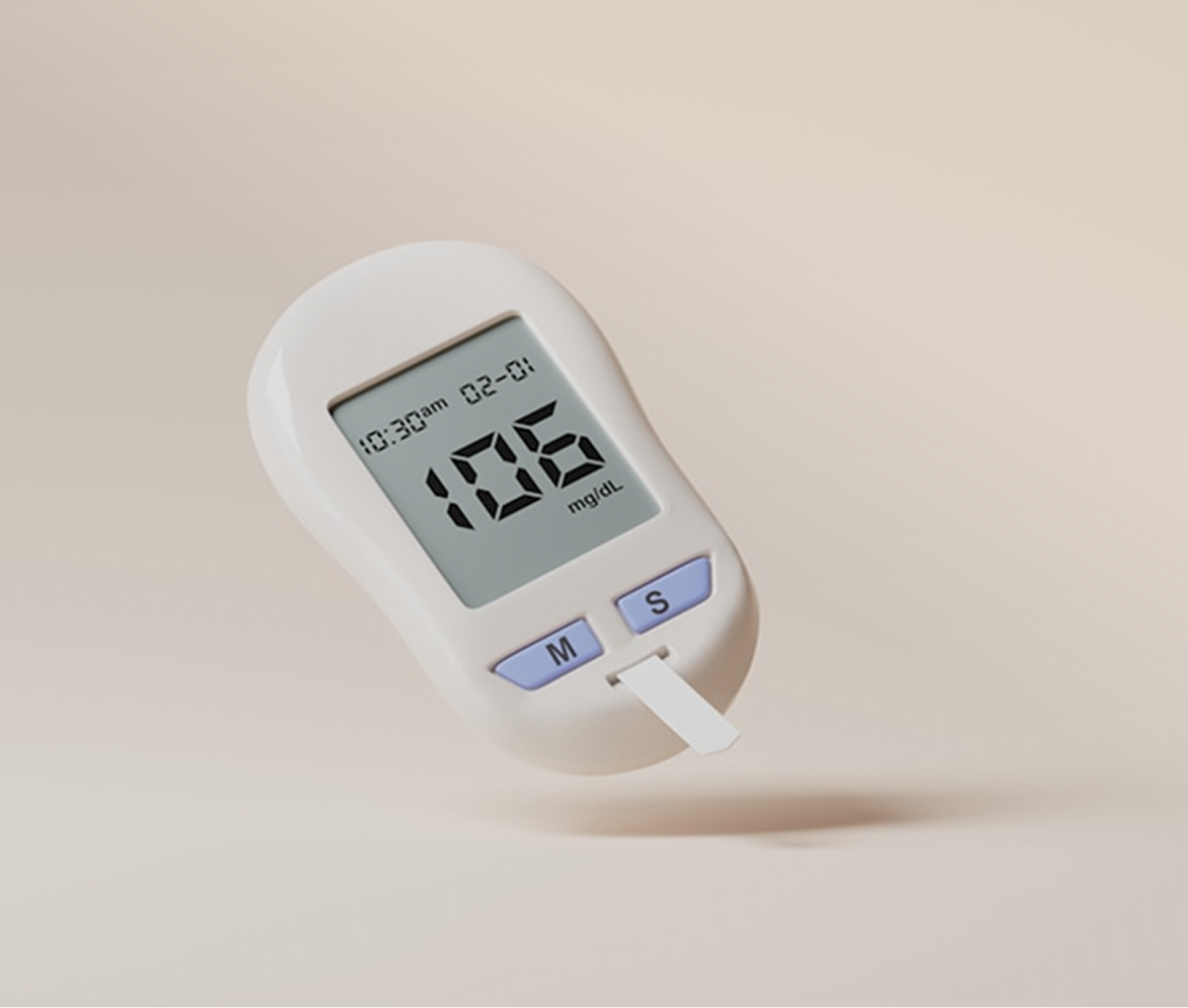
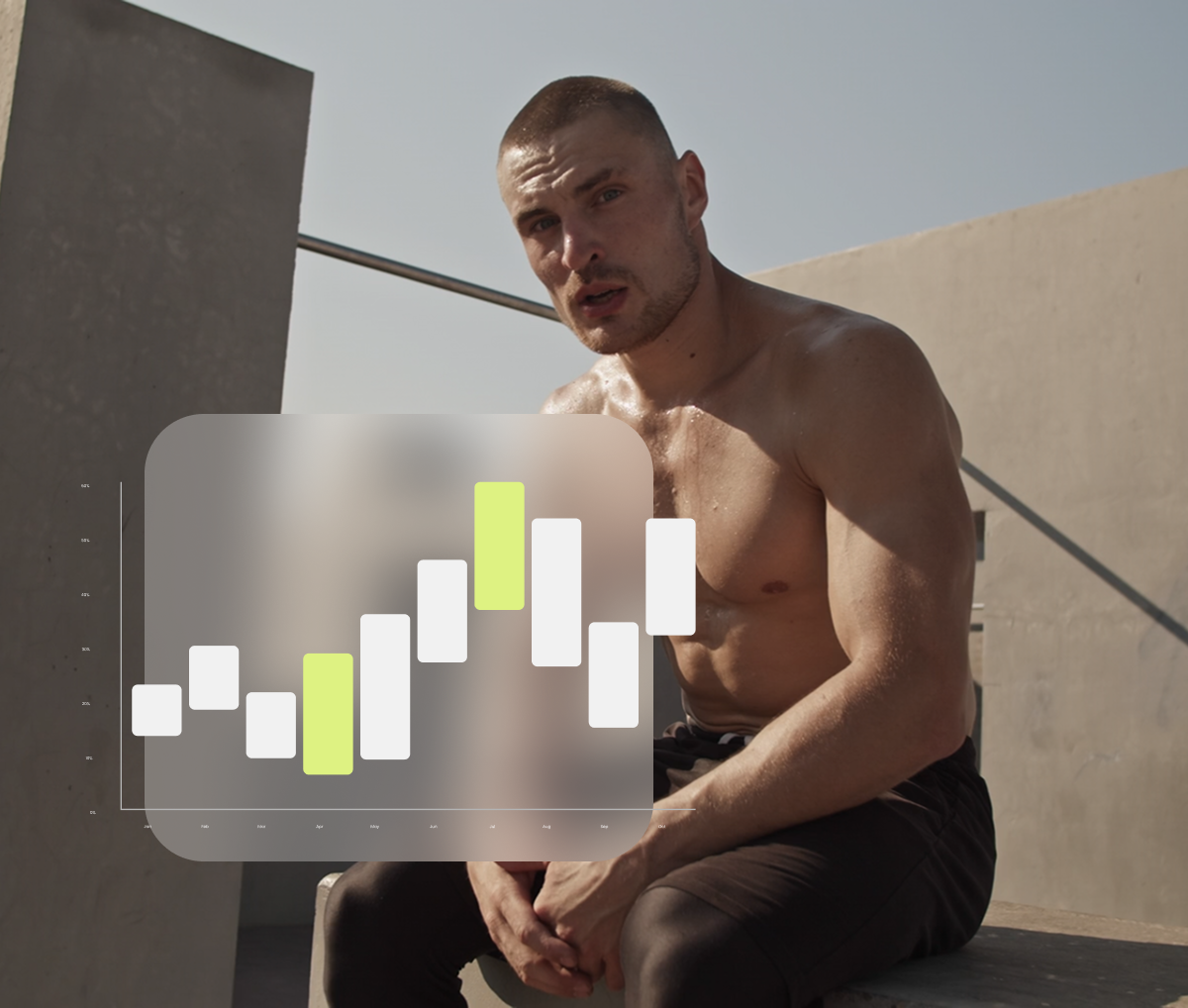
That’s where glucose comes in. Glucose is one of your body’s most important health signals, influenced by everyday choices like what you eat, how you move, how you sleep and even how you manage stress. Stelo makes that signal visible with 24/7 glucose insights, helping you uncover patterns you might otherwise miss.
With personalized insights and built-in coaching, Stelo helps connect the dots between your habits and your body’s unique responses, so you can make more informed choices and build habits that support lasting health.
Less guessing. More knowing.
See what your glucose can tell you with Stelo.
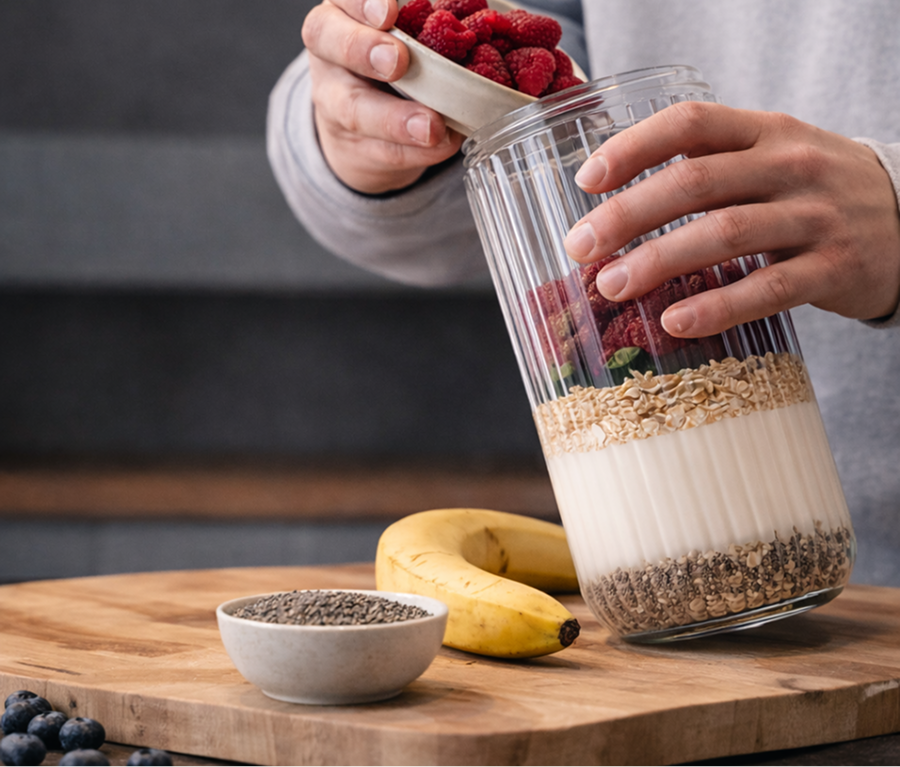
For a healthy person, a glucose monitor is a two-week tutorial, not a lifestyle. You will learn three things: which specific meals spike you (often the “healthy” ones, like oatmeal or a big bowl of rice), how much a short walk after eating flattens the curve, and what one bad night of sleep does to the same breakfast. That is worth seeing once. After that, take it off. The evidence that wearing one long-term improves outcomes in people without diabetes is thin, and I have watched it turn normal physiology into a source of anxiety. Learn the lesson, then live.
More than most people assume. A few short nights and your body handles the same plate of food as if you were several years older and less fit: your muscles take up glucose less efficiently, your hunger hormones tilt toward wanting more, and you reach for the exact foods that make the next day worse. I am confident in the direction of that effect; the precise size varies by study and by person, so I would not quote a number. Think of sleep as the overnight maintenance window. Skip it and the system runs tomorrow on yesterday’s errors.
I would want a few numbers and a few stories.
The numbers: waist relative to height, fasting insulin alongside glucose, triglycerides relative to the good cholesterol, grip strength, and cardiorespiratory fitness. Those tell me more at 45 than cholesterol alone.
The stories: how they sleep, whether they still lift anything heavy, who they eat dinner with, and whether they have something they are curious about that gets them out of bed. But none of those numbers or stories means much in isolation.
What matters is understanding the whole person, knowing their baseline, and recognizing how their health is changing over time. That's why I believe the most important investment you can make in longevity is a long-term relationship with a physician who knows you deeply, thinks ahead, and takes responsibility for connecting the dots. People don't fall off a cliff at 80. They drift, slowly, starting decades earlier. The opportunity is to recognize that drift and change course before small problems become big ones.
And when we were younger, we’d just walk up to another kid and ask, “Do you want to play with me?” Liking spiders was all the
Disclaimer: This newsletter is provided for educational and informational purposes only and does not constitute providing medical advice or professional services. The information provided should not be used for diagnosing or treating a health problem or disease, and those seeking personal medical advice should consult with a licensed physician.
The views expressed by our expert are entirely their own. There is no financial, professional, or organizational affiliation between the expert featured in this Q&A and our sponsor.
November 13, 2026

November 6, 2026

October 30, 2026

October 23, 2026

October 16, 2026

September 30, 2026
September 29, 2026

September 24, 2026

September 24, 2026