Pelvic Health Q&A with Kim Vopni

September 18, 2026
September 18, 2026
Pelvic health sits at the intersection of a surprising number of things: bladder control, bowel function, sexual health, pregnancy, menopause, pain, core strength, and even how comfortably we move through daily life. Yet many of these problems are still treated as embarrassing, inevitable, or simply something people are expected to live with.
Last week, we looked at how pelvic floor health changes over time, and what meaningfully moves the needle when it comes to prevention and treatment.
Because so many women will deal with pelvic health issues at some point in their lives, we received a lot of questions. The ones we didn’t get to in the newsletter, we brought to an expert.
Kim Vopni is known as the Vagina Coach. She is a certified personal trainer, a menopause support practitioner, a published author, and the CEO of a global pelvic health company that is helping women ditch the incontinence pads, lift without fear, and stop planning their life around the bathroom.
Dr. Arnold Kegel is credited with “kegel exercises,” which came as a result of him noticing his patients had pelvic health struggles after birth. He used a biofeedback device called a perineometer to help his patients connect with the group of muscles called the pelvic floor that we can not see. A kegel is a voluntary contract, lift, and release of the pelvic floor. While Dr Kegel is the one credited, it was a dancer and movement therapist from England named Margaret Morris who actually introduced and published foundational pelvic floor muscle training techniques in the 1930s, prior to Dr Kegel's 1948 publication.
We know from more recent research that kegels do work when done correctly and consistently and for the appropriate condition. Most of the research is in relation to stress urinary incontinence and prolapse. We also know from research that the majority of women do kegels incorrectly. That’s not surprising given that they are often told verbally or given a pamphlet or they Google “kegels” without anyone evaluating if they are doing it correctly or not.
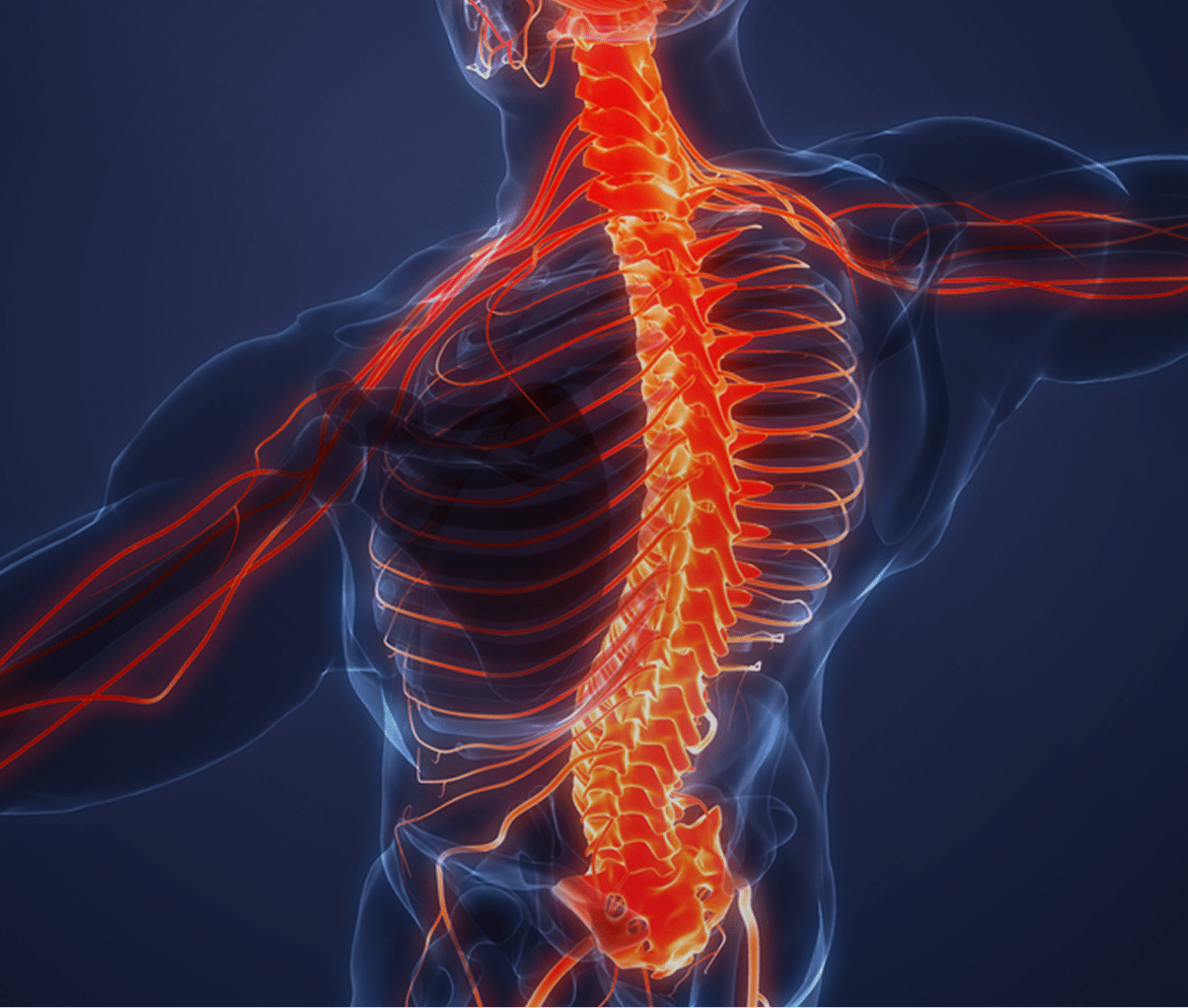
The pelvic floor is a complex system of muscles, tendons, ligaments, and nerves and has a huge blood supply. To think that one exercise would be a cure-all is misguided. We deserve pelvic health education much earlier in life, including guidance on pelvic health physical therapists who should be on our care team.
The other shortcoming of kegels is that they do not train the pelvic floor dynamically. Kegels, even when done correctly, are typically done seated or lying down or “at every red light.” Most of the symptoms women experience happen while exercising or moving about during the day, not while seated or lying down.
Tightness in the pelvic floor muscles is a common contributor to stress urinary incontinence and prolapse. If a person begins a kegel practice without knowing the status of their pelvic floor, they could make things worse by adding more tension, so I always recommend getting an assessment first if possible to see what your pelvic floor needs.
Around the start of menopause (average age is 51), estrogen drops and can exacerbate symptoms of incontinence, prolapse, urgency and frequency, and pelvic pain. I recommend every woman ask their doctor about vaginal estrogen to address the Genitourinary Syndrome of Menopause (GSM), which affects over 80% of women. Research shows that kegels combined with vaginal estrogen improves symptom remission rates for vaginal atrophy (now known as GSM). It is recommended to start vaginal estrogen even before symptoms start as prevention and to keep the tissues healthy, supple, and pain-free.
The pelvic floor does not work alone. It is part of an interconnected system involving the abdominal muscles, posture, stability, and movement. Core to Floor combines EMSELLA and EMSCULPT NEO to address this system more comprehensively, strengthening the pelvic floor while conditioning the abdomen.
Both treatments are non-invasive and require no downtime. EMSELLA stimulates pelvic floor muscle contractions while patients remain fully clothed. EMSCULPT NEO uses high-intensity focused electromagnetic energy and synchronized radiofrequency to build abdominal muscle and reduce fat.
Published studies have evaluated the combined protocol in postpartum women and older adults. In postpartum women, core strength increased 27.9% at three months; 94% reported a stronger pelvic floor, and 97% reported a stronger core. Among adults ages 60 to 79, core strength increased 33.7%, with reported improvements in movement and daily activity. Core to Floor reframes pelvic wellness as whole-body function, supporting stability, movement, confidence, and quality of life.
I began my work in pelvic health with this exact thinking. I witnessed my mom struggle with pelvic health challenges that began after her pregnancies. I have always looked through a prevention lens and felt we were learning about pelvic health much later than we should.
Birth is a very demanding event and people often say it is like running a marathon. It’s more like 5 or 6 marathons. And if we wanted to run a marathon, we would train for it. So why are we not training for birth? My first book Prepare To Push™ took this exact philosophy and introduced the pelvic floor as something to pay attention to. It also teaches women exercises to help prepare the body for birth, as well as how to recover. Recovery is so overlooked in North America and taking inspiration from other cultures around the world is something pregnant women know as well.
I recommend all women start seeing a pelvic floor physical therapist once they become sexually active. I recommend seeing them during your pregnancy and then around 6–8 weeks postpartum. I also recommend this becomes part of your annual health check. Just like we see the dentist once or twice a year for a check-up, even if we don’t have a toothache, we should be seeing a pelvic floor PT once a year for a check-up—even if we have no symptoms—for the rest of our life. This will help reduce pelvic floor challenges, catch them early, and eliminate the silent suffering that affects millions of women around the world.
Breath is essential. Once you understand the connection, it makes all the difference in optimizing the pelvic floor. The pelvic floor is the foundation of the core, yet it has been left out of the conversation. The diaphragm works in synergy with the pelvic floor, the deep abdominals (the transverse abdominis), and the multifidus. This is what I call the core 4.
When we inhale, the diaphragm descends and expands. And what should happen in conjunction with this is that the belly expands and the pelvic floor lengthens and expands. Then as we exhale, the pelvic floor contracts and lifts, the belly naturally draws inwards toward the spine and the diaphragm rises back to its dome shape. This is the normal physiologic relationship of the core 4.
When there is a disruption to this synergy, it can result in core/pelvic floor dysfunction. In order to overcome pelvic floor dysfunction, the first step is to restore this synergy. I teach what I call The Core Breath. This is essentially a kegel but combined with the breath to retrain the synergy. I came up with the term core breath to help highlight that the pelvic floor is part of the core and it works in synergy with the breath.
That pain, pressure and pads are common but should not be accepted as normal or part of aging or because you have had kids or part of being a woman. With the right education (ideally early) and exercise and tissue support, the risk of pelvic floor challenges can be greatly reduced. Suffering has become accepted as normal and that is simply not the case. It is also important to know that it is never too late and there is always opportunity for improvement.
Disclaimer: This newsletter is provided for educational and informational purposes only and does not constitute providing medical advice or professional services. The information provided should not be used for diagnosing or treating a health problem or disease, and those seeking personal medical advice should consult with a licensed physician.
The views expressed by our expert are entirely their own. There is no financial, professional, or organizational affiliation between the expert featured in this Q&A and our sponsor.
September 18, 2026
September 11, 2026

September 4, 2026

August 29, 2026

August 21, 2026

August 15, 2026
August 7, 2026
July 30, 2026