Cortisol Q&A with Dr. David Spiegel
November 25, 2026

November 25, 2026
Last week, we did a deep dive into one of social media’s favorite health villains: cortisol. But cortisol isn’t bad. Your body needs it, in fact.
If you missed The Cortisol Issue, you can still catch up.
And naturally, there were still more questions, so we brought them to an expert.
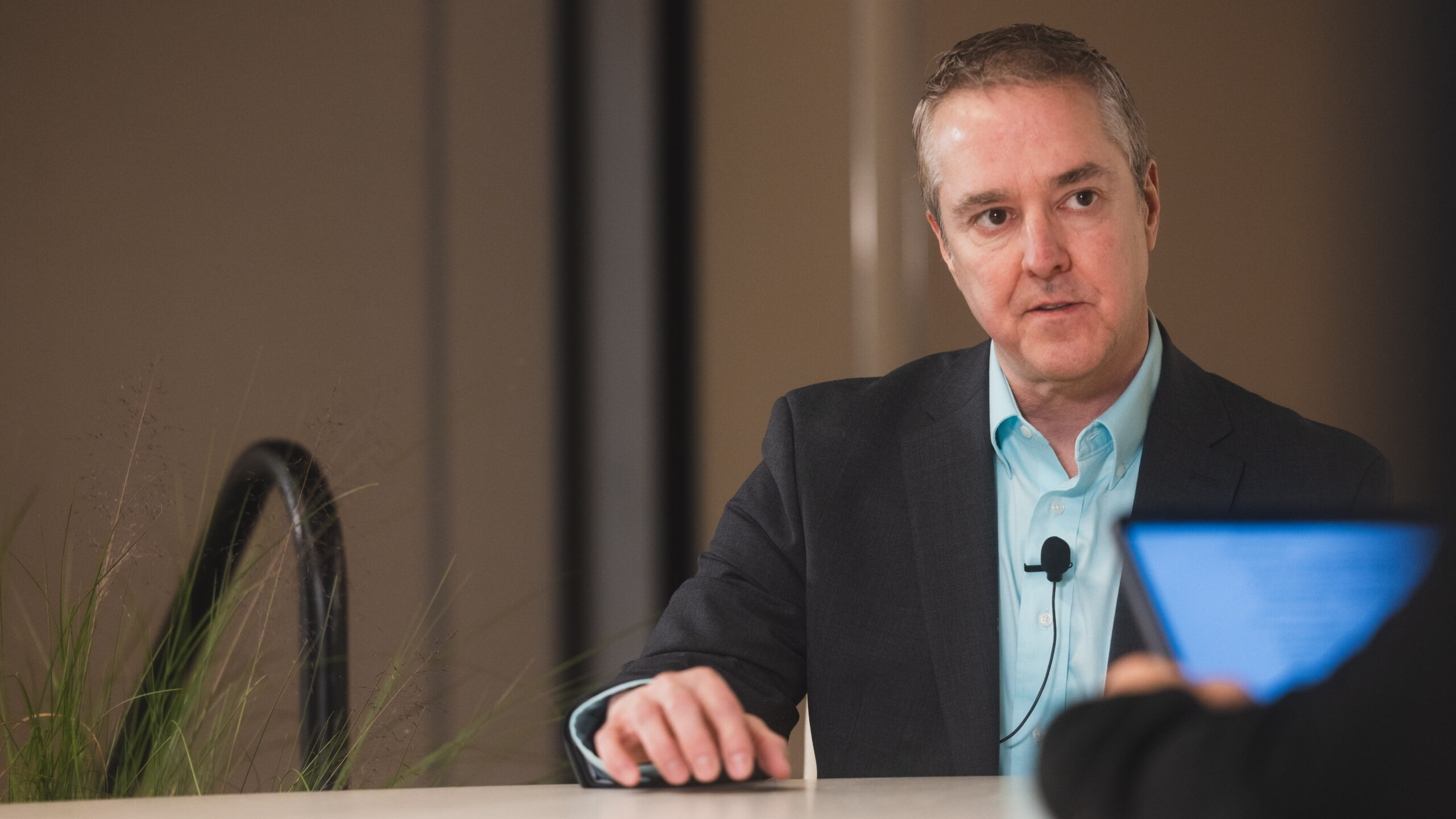
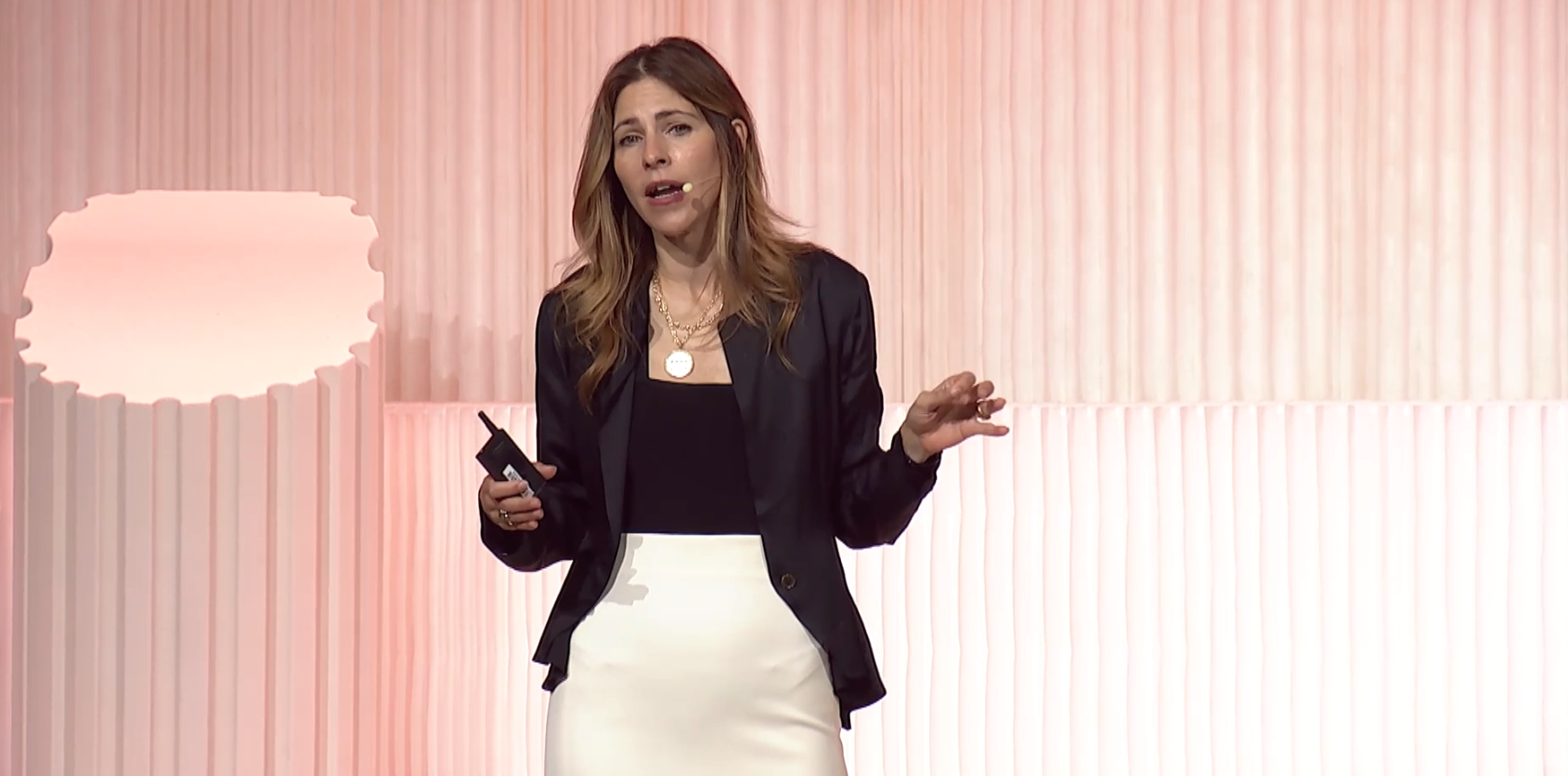
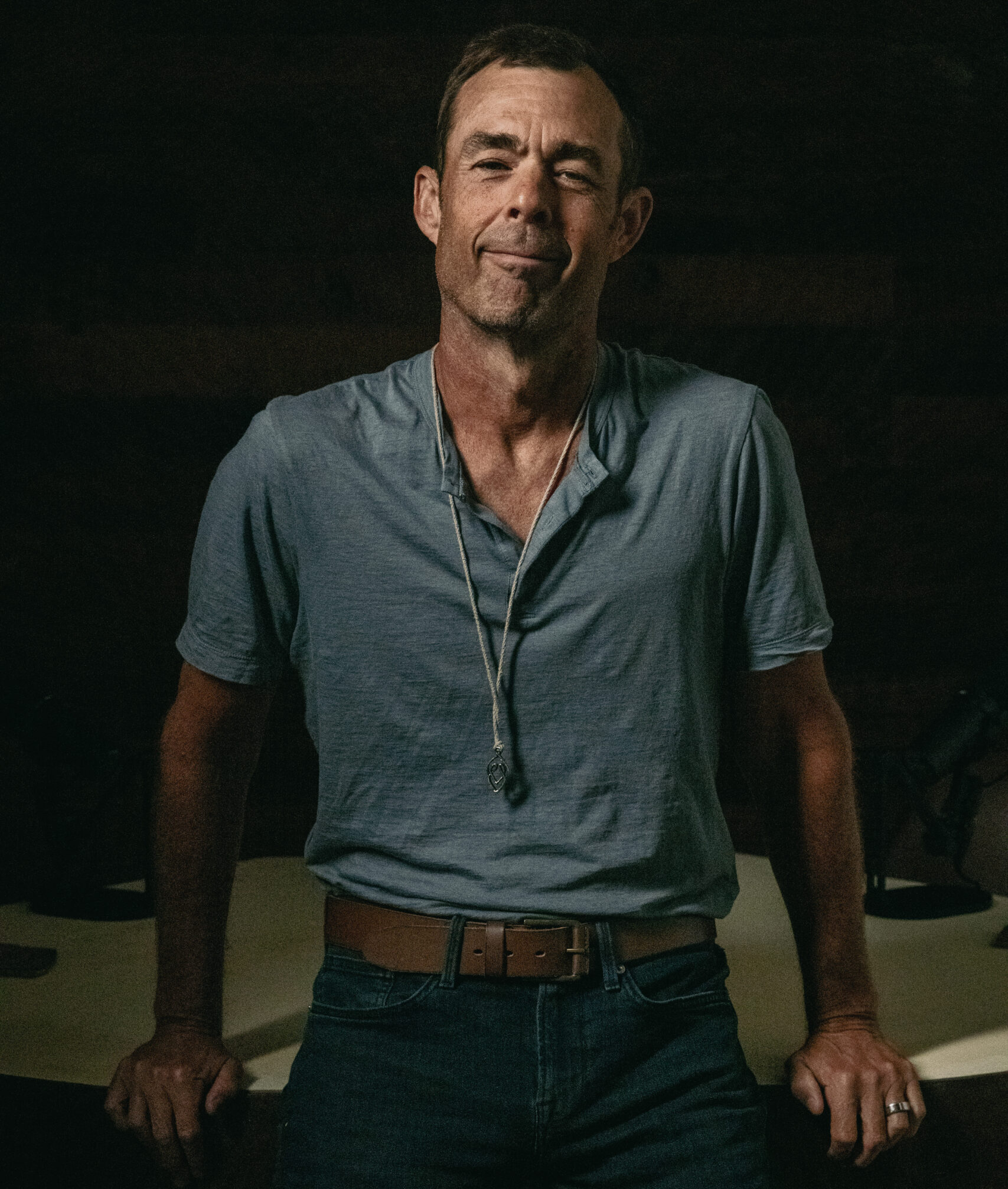
Dr. David Spiegel serves as the Willson Professor and Associate Chair of Psychiatry & Behavioral Sciences at Stanford University School of Medicine. He also holds the role of Director for both the Center on Stress and Health and the Center for Integrative Medicine. With a remarkable body of work, Dr. Spiegel's contributions encompass thirteen published books, 425 scientific journal articles, and 175 book chapters spanning hypnosis, psychosocial oncology, stress physiology, trauma, and psychotherapy for stress, anxiety, and depression.
His pioneering research has garnered support from esteemed institutions, including the National Institute of Mental Health, the National Cancer Institute, the National Institute on Aging, and the National Center for Complementary and Integrative Health, alongside various foundations. He is the past president of the American College of Psychiatrists and the Society for Clinical and Experimental Hypnosis, and is an elected member of the National Academy of Medicine. Dr. Spiegel is also the co-founder and Chief Scientific Officer of the revolutionary self-hypnosis app, Reveri.
I’d start with stress and sleep. What’s been going on in your life lately? How well are you sleeping? Are you waking up already feeling stressed?
Cortisol follows a 24-hour cycle. It starts to rise in the latter part of the night, typically peaks around the time you wake up, and then declines over the course of the day. As one of my colleagues used to say, “He who sleeps, eats.” You go hours without eating while you’re asleep, and one of cortisol’s jobs is to help keep enough glucose in your blood during that time. It also helps make glucose available when you need to fight or flee.
During periods of high stress, cortisol can stay elevated into the afternoon, when it would usually be lower. In some people under ongoing stress, it may also decline more gradually over the course of the day. That daily pattern is sensitive to both stress and sleep, which is why I’d ask about both before ordering a test.
Cortisol isn’t necessarily the villain that it’s made out to be.
It wakes you up, it sharpens your focus, and it helps you rise to the challenges of your day. The trouble is that modern life rarely lets it switch off. When cortisol stays elevated, many individuals notice restless sleep, afternoon energy crashes, stubborn food cravings and a mind that just won’t quiet down.
That's why CellCore Biosciences created two companion formulas for the rhythm of a demanding day. Stress Regulation blends adaptogenic botanicals to support you during your waking hours, when you need to stay grounded and clear. Sleep Restore, its melatonin-free counterpart, offers a pair of calming botanicals to help you wind down naturally at the end of your day. Together, they're a thoughtfully designed day-and-night pairing for people who want to feel more like themselves.
Learn more about CellCore today
It might be, but I’d start at the other end of the night. Are you giving yourself enough time to get a good night’s sleep? You may go to bed at a reasonable hour and still spend the next hour trying to fall asleep. Or you may fall asleep easily but wake up repeatedly. Either way, you’re more likely to feel groggy in the morning.
One thing that can help is learning to self-soothe. That’s what we do with the self-hypnosis exercises in Reveri. If you’re lying awake replaying a conversation or worrying about tomorrow, start by calming your body’s reaction to whatever’s on your mind. When your body settles down, your mind often follows
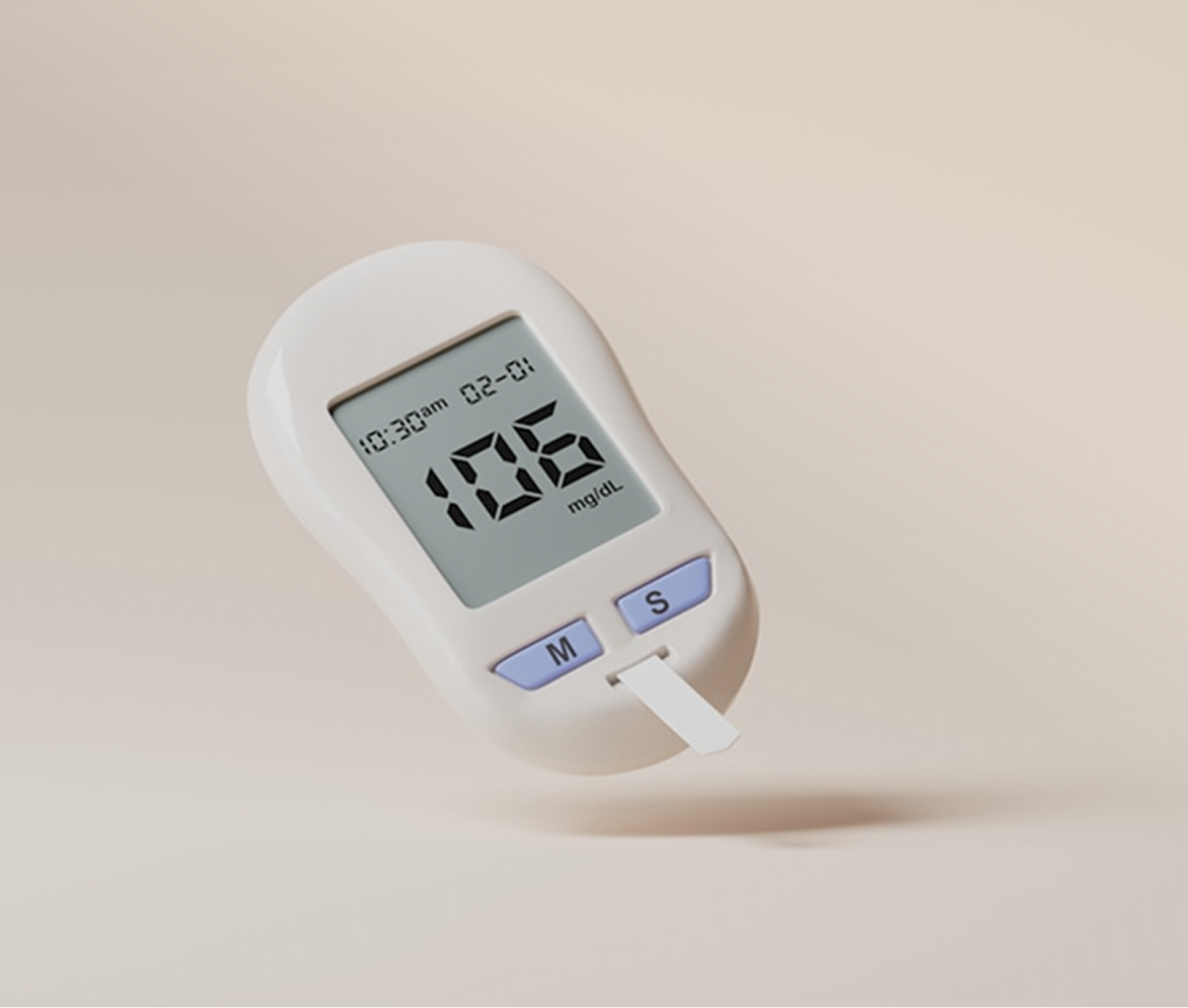
It could be. The real question is whether cortisol is the problem or the result of the problem. Testing isn’t unreasonable, but it’s a little tricky, because the exact time of day or night you take the test will largely determine whether what you find looks normal or abnormal. Cortisol isn’t like cholesterol, where the level stays roughly the same throughout the day and night. If your system is working normally, your cortisol will be markedly higher first thing in the morning than in the middle of the afternoon.
So if you want to know what your cortisol is doing, you probably want to test several times throughout the day. You’re looking to make sure your levels are high in the morning, which they should be, and then low starting in the early afternoon, and staying low through the evening.
It’s not really a dietary issue. It’s clearly related to stress and sleep, so the answer wouldn’t immediately be pharmacological. It would be lifestyle: handle your stress better, and make sure you get plenty of sleep. Use techniques like self-hypnosis to calm yourself, and aim for seven hours a night at minimum, with wind-down time before bed.
Make sure your bedroom is scrubbed of stress. No laptops in bed. Bedrooms are for sex and sleep, and that’s it. You don’t want anything else in there that will tend to arouse you. Give yourself time to fall asleep while still maintaining a reasonable overall sleep time.
It helps to think of cortisol as a stress signal and a physiological stress response. It’s one of the body’s major stress hormones, and it’s there for a reason. It prepares you to fight or flee, and as a glucocorticoid, it maintains glucose in the blood when you can’t eat, such as while you sleep.
So cortisol itself is a good thing, not a bad thing. What matters is how well regulated it is. Do you get more cortisol when you need it, or elevated cortisol when you don’t? The latter signals a maladaptive stress response. And when that happens, the fix lies in normalizing your sleep–wake pattern and managing your stressors better.
The views expressed by our expert are entirely their own. There is no financial, professional, or organizational affiliation between the expert featured in this Q&A and our sponsor.
Disclaimer: This newsletter is provided for educational and informational purposes only and does not constitute providing medical advice or professional services. The information provided should not be used for diagnosing or treating a health problem or disease, and those seeking personal medical advice should consult with a licensed physician.
November 25, 2026
November 20, 2026

November 13, 2026

November 6, 2026

October 30, 2026

October 23, 2026
October 16, 2026

September 30, 2026

September 29, 2026