Longevity
Supplements
Skin health
Collagen Q&A with Saranya Wyles
September 4, 2026

September 4, 2026
Skin aging is not just about wrinkles. It is a story of collagen loss, fibroblast dysfunction, UV damage, inflammation, and a matrix that becomes harder to maintain as we get older. Last week, we dug into the basics of collagen, then explored the new biotech pushing skin aging into very different territory.
If you missed the deep dive, you can catch up here.
Collagen is such a big topic that just about everything we addressed was worthy of its own deep exploration. Which meant there were lots of lingering questions. We brought them to a real expert.
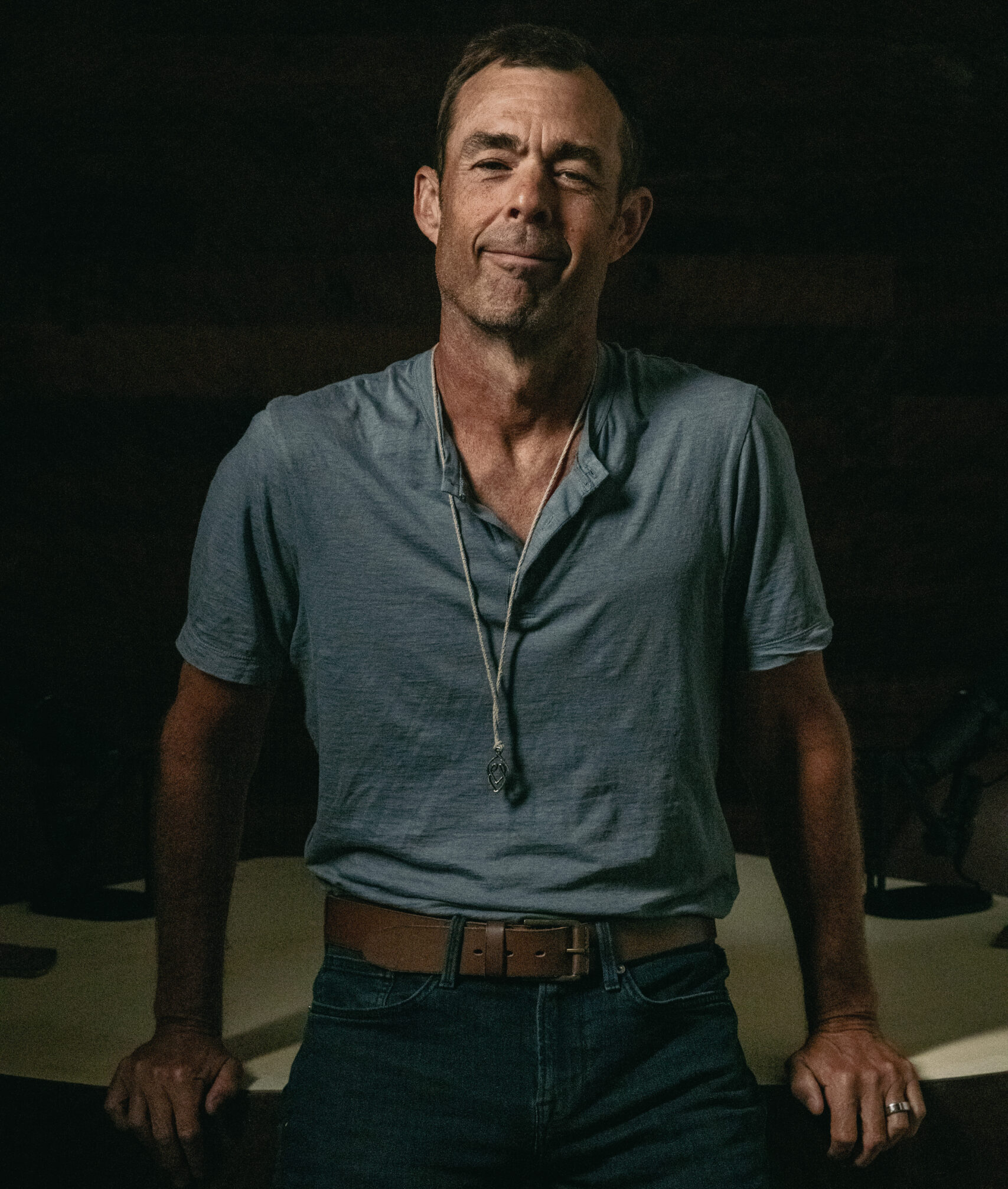
Saranya Wyles, MD, PhD, is a board-certified dermatologist, physician-scientist, and Associate Professor of Dermatology and Regenerative Medicine at Mayo Clinic, where she serves as Medical Director of the Center for Aesthetic Medicine and Surgery and directs the NIH-funded Regenerative Dermatology and Skin Longevity Laboratory. Her research focuses on skin aging, cellular senescence, regenerative medicine, and skinspan™—the concept of extending the years our skin remains healthy and resilient. In 2026, she has brought this work to broader audiences through appearances on The TODAY show, Mel Robbins Podcast and a TEDx Longevity talk on Skinspan, translating emerging longevity science into practical strategies for healthier skin across the lifespan. Her work has been published in leading scientific journals, including Nature Aging, Journal of Investigative Dermatology, and Aging Cell.
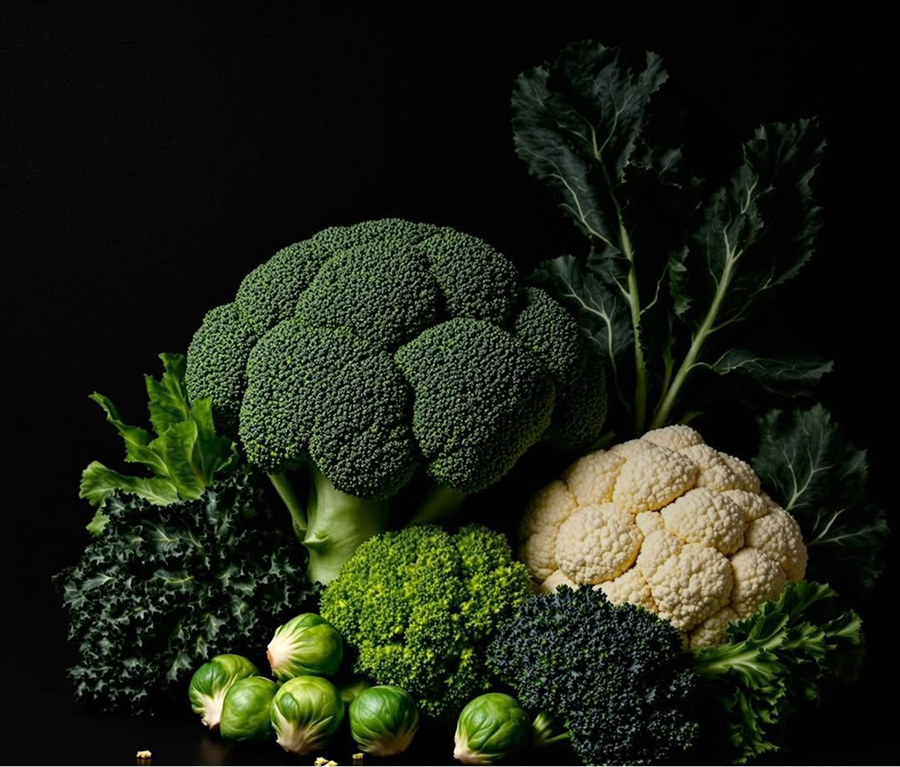
Your diet gives your body the building blocks it needs to make skin matrix proteins like collagen and elastin. Adequate protein provides amino acids, while nutrients such as vitamin C act as essential co-factors for collagen synthesis. A balanced diet with protein from fish, poultry, eggs, dairy, soy, or legumes, along with antioxidant–rich fruits and vegetables, supports that process.
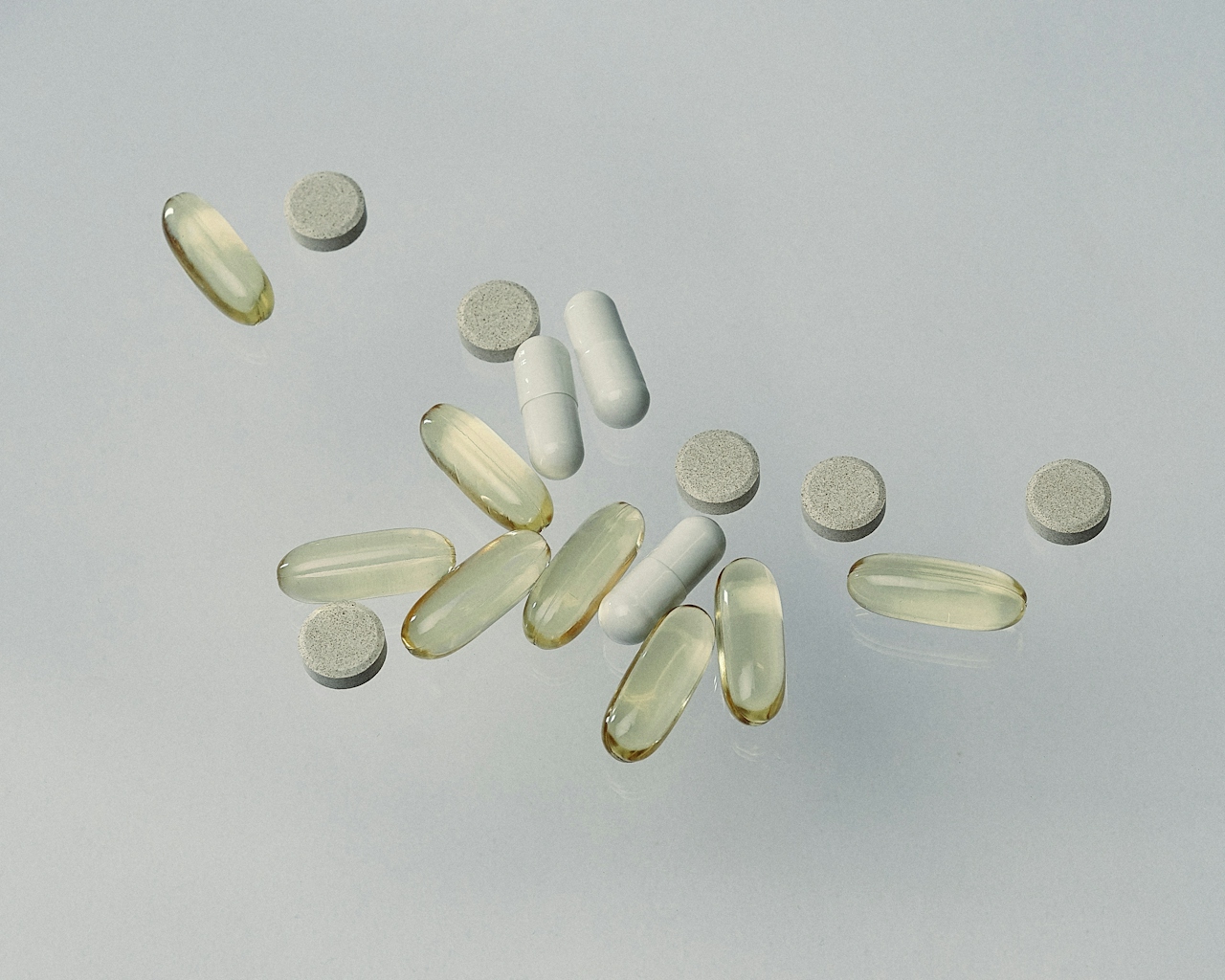
Collagen peptides can also provide a concentrated source of protein and collagen-derived amino acids, but they don't travel directly to your skin. Some studies suggest modest improvements in skin hydration and elasticity, although the evidence is mixed. Bone broth can contribute protein, but its collagen-related amino acid content is highly variable and is not necessarily superior to other protein sources.
Just as important as building collagen is protecting what you already have. Skin collagen declines roughly 1% per year across adult life, while ultraviolet (UV) exposure accelerates collagen breakdown and produces the abnormal dermal changes we call solar elastosis. Daily broad-spectrum sunscreen with re-application, especially while driving in the car, is one of our best-supported “collagen-preserving” strategies.
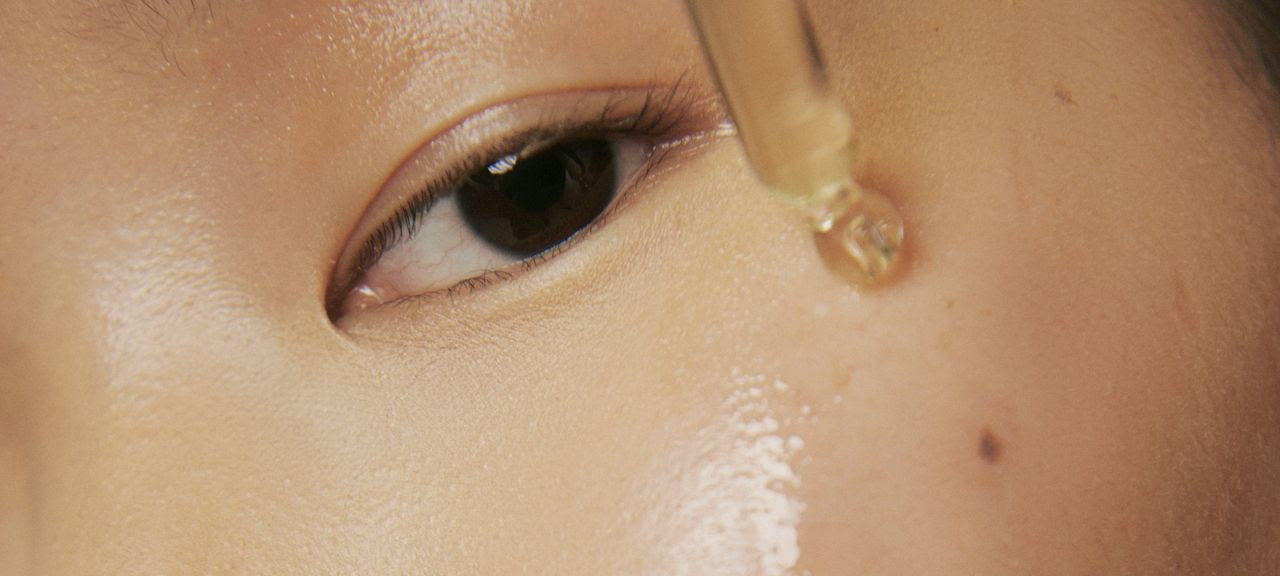
Collagen is what gives skin its firmness, structure, and resilience. But as we age, collagen production declines—and changes at the cellular level can accelerate visible aging. That’s where OneSkin takes a different approach.
Founded by four PhD longevity scientists, OneSkin spent more than a decade researching the biological mechanisms behind skin aging. Their work led to the OS-01 Peptide™, a patented molecule scientifically proven to address senescent cells, or damaged “zombie cells” that accumulate with age and contribute to visible skin decline.
Powered by this technology, OS-01 FACE goes beyond hydration to address a leading driver of visible skin aging. In a double-blind, 12-week clinical study, 100% of users showed improvement in overall appearance, 96% improved visible firmness, 87% improved the appearance of wrinkles, and skin-barrier strength improved by 15%. It’s daily skincare backed by longevity science and designed to help skin look and feel healthier at every age.
Explore the science behind OneSkin and take 20% off with code EUDEMONIA.
In a sense, yes. This process is called glycation. When sugars react with long-lived proteins in your skin, such as collagen and elastin, they can eventually form advanced glycation end products, or AGEs. These modifications cross-link or connect the skin's supportive fibers, making them stiffer, less flexible, and harder to repair. These changes can present as wrinkles, loss of elasticity and other features of aging skin. UV damage can speed up this process.
This doesn't mean you should avoid fruit. Whole fruits come packaged with fiber, vitamins, and polyphenols and are very different metabolically from repeatedly consuming large amounts of added sugars or highly refined, high-glycemic foods. AGEs can also be present in foods themselves, particularly foods cooked with prolonged dry, high heat such as grilling, frying or roasting; boiling and steaming generally produce fewer dietary AGEs. The evidence linking specific dietary changes directly to younger-looking skin is still evolving. I think of this as one more reason to limit added sugars and highly processed foods. Your skin cares.
Yes, although they work in very different ways. Red-light photobiomodulation, commonly around 630–660 nm in the visible light spectrum, and sometimes combined with near-infrared wavelengths, can influence mitochondrial signaling, which is the powerhouse of your cells. In your skin, this can improve fibroblast activity to support collagen production and tissue repair. Studies using 633–660 nm red light have shown improvements in measures of skin rejuvenation and wound healing.
The key is consistency rather than a single treatment. Studies have shown benefit with consistent red-light therapy approximately 3–4 times per week over several weeks. The optimal frequency should be matched to the device.
Lasers can produce a substantially stronger remodeling signal. Non-ablative and ablative fractional lasers create controlled thermal or microscopic injury that triggers wound repair, neocollagenesis (new collagen formation) and dermal remodeling. Other technologies like radiofrequency (RF) microneedling and microfocused ultrasound can also stimulate collagen remodeling through controlled energy delivery at different depths.
There are many (over 28!) types of collagen in the human body. Type I is the predominant collagen in skin and bone; Type III is also abundant in skin and other connective tissues; and Type II is found primarily in cartilage. Most supplements marketed for skin contain hydrolyzed Type I and/or III collagen from bovine (cow), porcine (pig) or marine (fish) sources, while Type II products are more commonly marketed for joint health. Newer recombinant technologies can produce animal-free, human-like collagen through fermentation, although these products are not yet as widely available.
For skin, there isn't convincing evidence that marine collagen is universally better than bovine collagen or vice versa. I would look for a hydrolyzed collagen peptide product with a clearly disclosed dose and independent quality testing, rather than focusing on an exotic source or long ingredient list. Source matters more for allergies, dietary preferences and personal values. For example, marine collagen should be avoided with relevant fish allergies, and bovine, porcine and marine collagen are all animal-derived and therefore not vegan. Products marketed as “vegan collagen” generally provide nutrients or amino acids intended to support your body's own collagen production rather than collagen itself. Overall, supplements may be helpful, but adequate dietary protein, antioxidant-rich foods, and consistent sun protection remain the foundation for supporting collagen production and minimizing collagen degradation.
Disclaimer: This newsletter is provided for educational and informational purposes only and does not constitute providing medical advice or professional services. The information provided should not be used for diagnosing or treating a health problem or disease, and those seeking personal medical advice should consult with a licensed physician.

October 23, 2026

October 16, 2026

September 30, 2026

September 29, 2026

September 24, 2026
September 24, 2026

September 18, 2026

September 11, 2026
September 4, 2026