Cognitive Function
Preventative Health
Brain health
Alzheimer’s Q&A with Dr. Matt Kaeberlein
August 21, 2026
August 21, 2026
There is still no proven way to prevent Alzheimer’s disease. But the old idea that there’s nothing to be done is starting to look increasingly outdated. Risk appears to be more movable than we once thought.
Last week, we took a close look at Alzheimer’s disease, dementia, and brain health. The science around treatment—and more importantly prevention—is beginning to get genuinely interesting.
If you missed the deep dive, you can catch up here.
As always, there are more questions. We brought yours to a real expert, who thinks that in the future, we might be able to delay, or even prevent the onset of dementia in the vast majority of people.
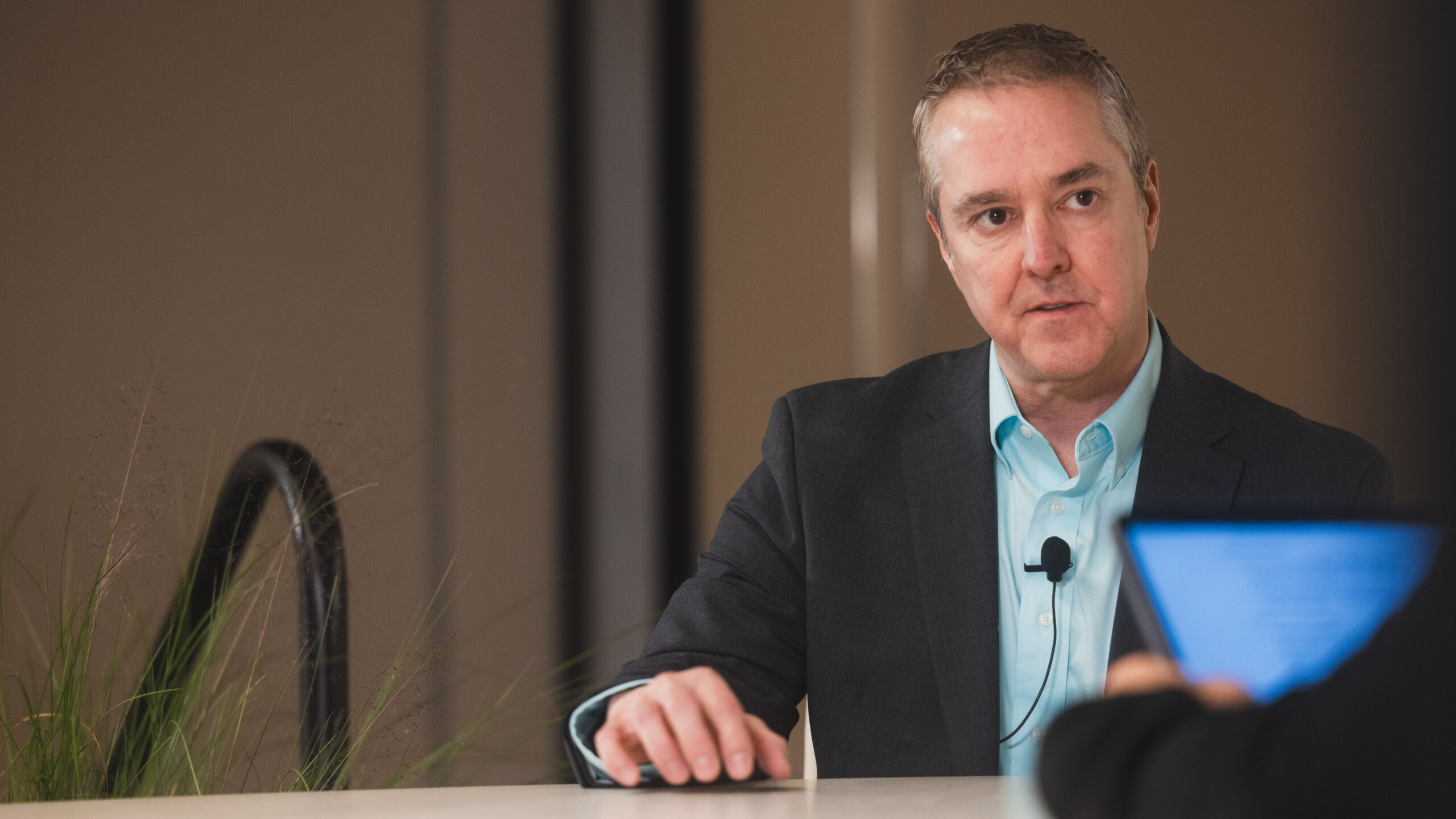
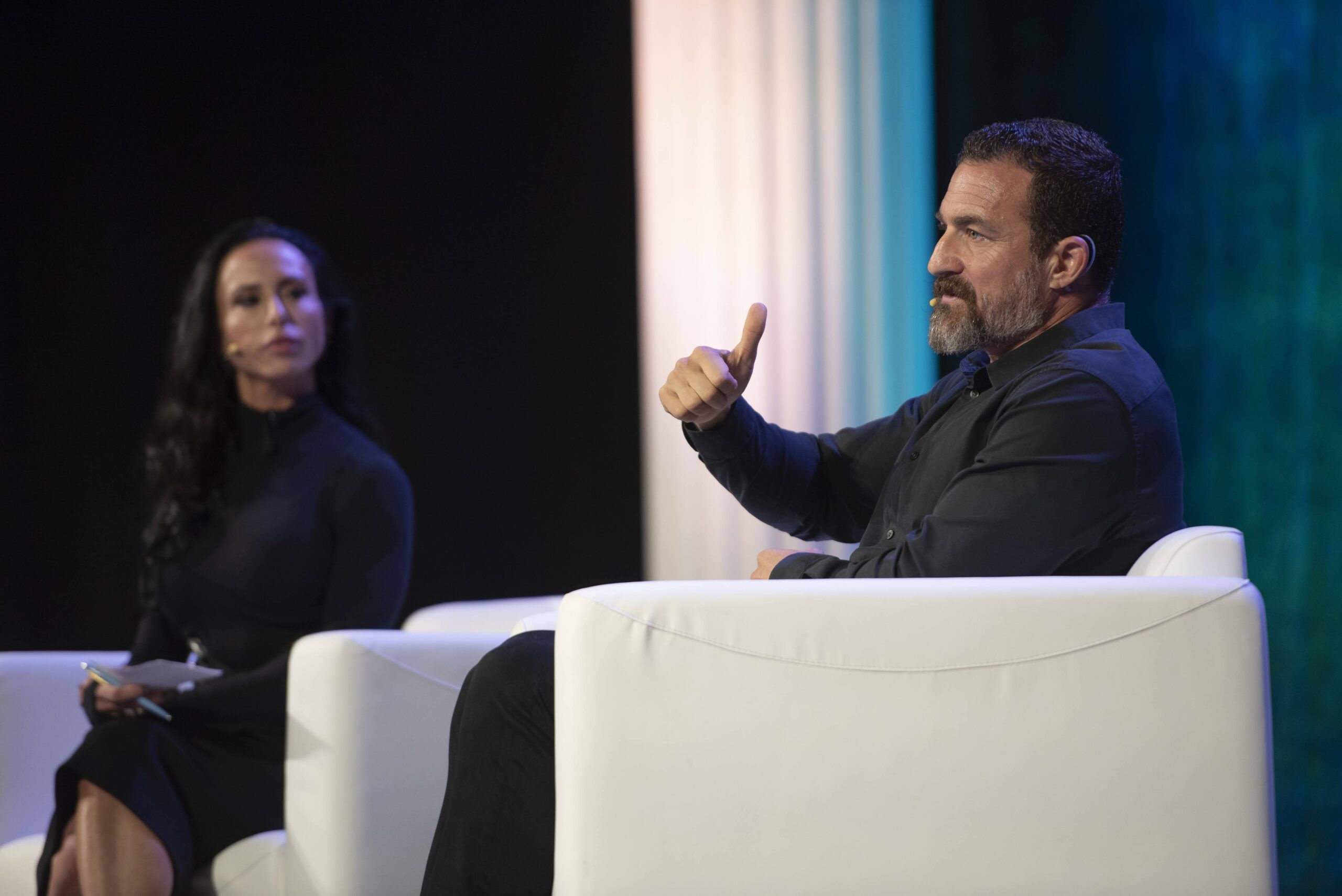
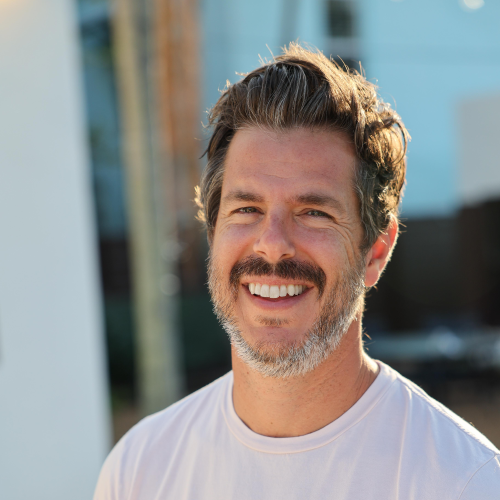
Dr. Matt Kaeberlein is a scientist, entrepreneur, and leading voice in longevity science, with nearly three decades of experience spanning basic research, clinical translation, and company building. His work is focused on advancing human and animal healthspan by targeting the biological processes that drive aging and age-related disease, and by developing technologies to translate this science into practical, scalable healthcare solutions.
Dr. Kaeberlein is an Affiliate Professor at the University of Washington, Founder and Co-Director of the Dog Aging Project and the Dog Aging Institute, and host of the Longevity Science podcast. Dr. Kaeberlein advises venture funds and serves as a strategic advisor to biotechnology, clinical, and consumer health companies. He is a co-founder of companies at the forefront of the longevity field, including Ora Biomedical, which leverages robotics and artificial intelligence for drug discovery, and Optispan, a healthcare technology company focused on delivering scalable, science-based proactive care.
Today, he’s here to tackle your questions about Alzheimer’s, dementia, and brain health.
Having a biologically related family member with Alzheimer’s disease or another form of dementia generally increases your risk. But it does not mean that you are destined to develop dementia yourself.
Every person’s risk reflects a combination of genetic and environmental factors, including lifestyle. In most cases, the genetic component results from the combined effects of many different genetic variants and is difficult to quantify precisely. Some variants, such as APOE ε4, have larger and better-understood effects.
Knowing your genetic risk profile can sometimes be useful for understanding risk, guiding appropriate monitoring, and potentially identifying disease earlier, but genetics are not destiny. Regardless of your genetic predisposition, or lack thereof, there are things you can do to substantially reduce your risk.
Quality nutrition, regular physical activity, good sleep, maintaining social and cognitive engagement, and avoiding smoking and excess consumption of alcohol are all associated with better brain health. It is also important to identify and address medical risk factors, particularly high blood pressure, abnormal cholesterol, diabetes, and other aspects of metabolic and cardiovascular health. These are areas where we have meaningful opportunities to influence dementia risk throughout life
Nootropic peptides are peptides (short chains of amino acids) that are promoted or being studied for their potential effects on brain function, including memory, learning, neuroprotection, and recovery from neurological injury. There are plausible biological reasons why some of these molecules could benefit brain health and perhaps even influence aspects of brain aging, but the current state of the science is truly a mixed bag. Only a few have meaningful human clinical trial data, and even there, the results are often messy or inconsistent.
For example, Cerebrolysin has been studied clinically for conditions such as stroke and vascular dementia, with some evidence of benefit in specific settings. Most of the other peptides marketed as nootropics, however, have little or no high-quality human evidence supporting their use. Most importantly, there is currently no convincing evidence that any nootropic peptide improves long-term brain health or slows brain aging in cognitively normal adults. That doesn’t mean none of them will ultimately prove useful, but the science is not there yet.
If I could give you one piece of advice at 45, it would be to get the fundamentals right and keep doing them for the next several decades. Eat a high-quality diet, exercise regularly, prioritize sleep and social connection, don’t smoke, and avoid excessive alcohol consumption. Just as importantly, pay attention to cardiovascular and metabolic risk factors like blood pressure, cholesterol, blood sugar, and body composition. What protects your heart and metabolic health tends to protect your brain as well.
What matters less than most people think is the shiny-object stuff that gets so much attention among the influencer crowd. Things like hyperbaric oxygen therapy, red light therapy, cold plunges, NAD+ treatments, and most supplements may have interesting biology or specific applications, but we have little evidence that they meaningfully reduce dementia risk or slow brain aging. If you’re neglecting the fundamentals while worrying about the latest brain-health hack, you’ve got the priorities backward
I’m quite optimistic that we will eventually be able to delay or prevent dementia in the vast majority of people, although reversing established disease is a much heavier lift. Current estimates suggest that roughly half of dementia cases may be preventable or delayable by addressing modifiable risk factors, including cardiovascular and metabolic health, physical activity, smoking, hearing loss, and other lifestyle and environmental factors. That tells us there is already a tremendous amount we can potentially accomplish without waiting for a cure.
At the same time, treatment is beginning to change. We now have the first disease-modifying drugs for Alzheimer’s that directly target amyloid beta. Their benefits are relatively modest and they come with important risks and practical limitations, but they demonstrate that it is possible to intervene directly in the underlying disease process. There is also tremendous interest in targeting other aspects of the disease, including tau, inflammation, vascular dysfunction, and metabolic health.
Some experimental approaches are particularly interesting to me, including therapeutic plasma exchange and transcranial magnetic stimulation, as well as interventions that could potentially influence dementia risk through metabolic health, hormonal biology, and mechanisms associated with biological aging. These include appropriately timed hormone therapy around menopause, GLP-1 receptor agonists, SGLT2 inhibitors, low-dose lithium and, more speculatively, rapamycin. None of these is yet established for preventing Alzheimer’s disease, but I think they represent interesting areas for further study. My guess is that the future won’t be a single “cure” for Alzheimer’s. It will involve identifying risk early, reducing it aggressively, detecting disease before substantial damage has occurred, and combining multiple interventions to prevent or progression.
Disclaimer: This newsletter is provided for educational and informational purposes only and does not constitute providing medical advice or professional services. The information provided should not be used for diagnosing or treating a health problem or disease, and those seeking personal medical advice should consult with a licensed physician.

October 16, 2026

September 30, 2026
September 29, 2026

September 24, 2026

September 24, 2026

September 18, 2026
September 11, 2026

September 4, 2026

August 29, 2026