The Mouth Q&A with Dr. Staci Whitman

October 16, 2026
October 16, 2026
I’ve become pretty convinced that the mouth deserves a lot more attention when we talk about health and longevity. Since reading Breath by James Nestor, I’ve seen the benefits of taking oral health seriously in my own life (huge mouth tape devotee) and I’ve gone down the rabbit hole with the research.
Last week, we explored the relationship between the mouth and the rest of the body, including its potential influence on inflammation, cardiovascular health, and even the brain. There’s a lot more to brushing and flossing than keeping your teeth clean.If you missed the deep dive, you can still catch up.
But we didn’t cover everything, and you had questions. Good ones. So we brought them to an expert and Eudēmonia presenter, Dr. Staci Whitman.
Dr. Staci Whitman, DMD, FMCP, is a board-certified dentist and one of the only dentists in the world certified in functional medicine. Her work centers on the oral microbiome, airway health, women's and children's health, and longevity. She is the co-founder of the Institute for Functional Dentistry and has spent the last twenty years showing that the mouth is the gateway to whole-body health.
Her debut book, SPIT: Why Your Mouth—and Its Microbes—Are the Secret to Whole-Body, Lifelong Health, will be released in March 2027. It explores the oral microbiome, an ecosystem that cares for the rest of our body, and what we can do to better support it.
Bleeding gums are the big one. If your scalp bled every time you washed your hair, you’d call someone. Gums get a free pass for some reason, and they shouldn’t. Pink in the sink means the tissue is inflamed and ulcerated, which gives oral bacteria and their byproducts a direct route into your bloodstream. About 4 in 10 American adults over 30 have some degree of periodontitis, and most of them have no pain.
Other clues in the mouth: breath that stays funky after brushing, a thick white coat on your tongue, a dry mouth when you wake up, teeth that zing with cold water, and cavities that keep showing up even though your hygiene and diet are solid. That last one usually points to saliva, pH, or your oral microbiome, and brushing harder won’t fix it.
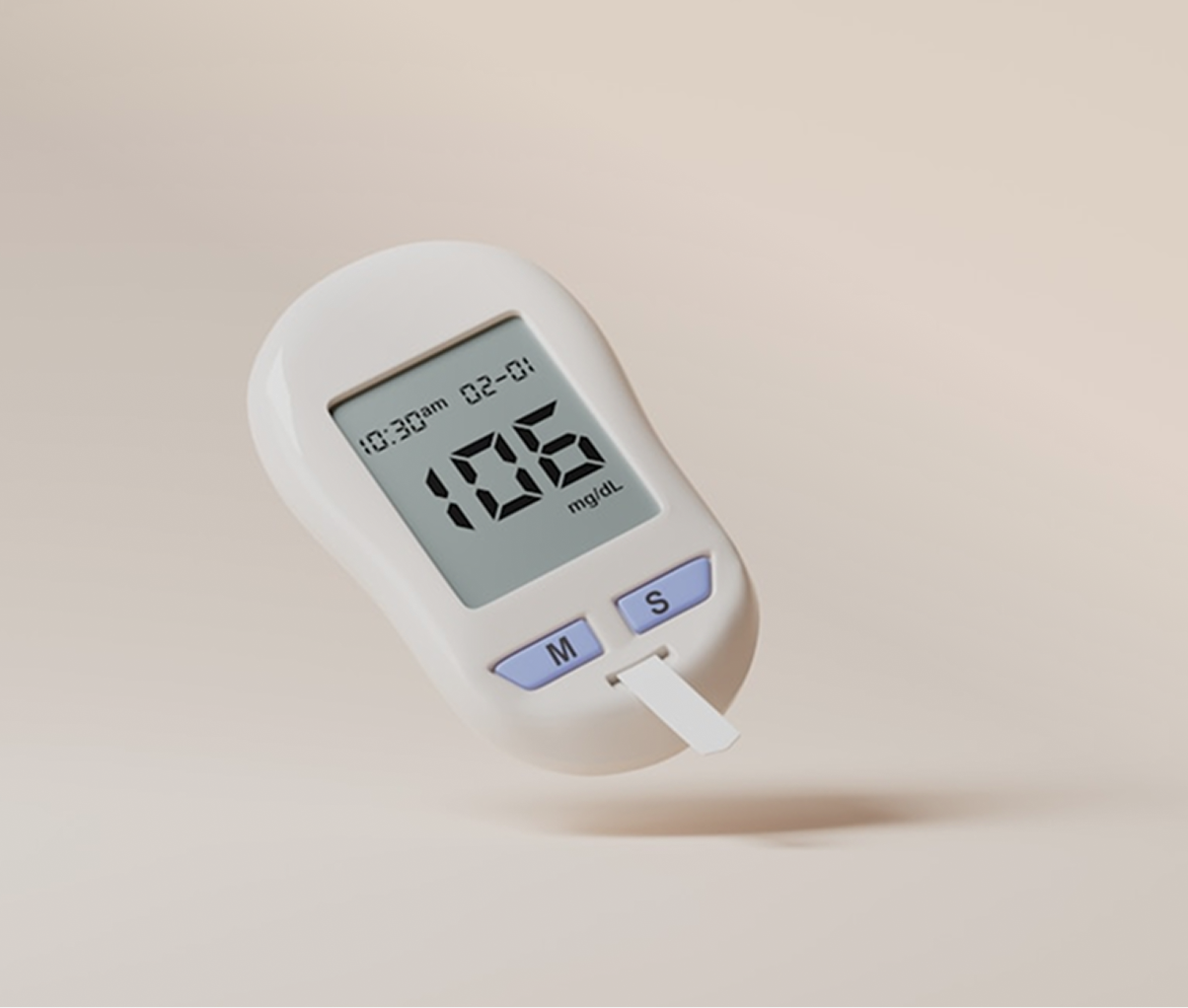
The signals travel, too. Periodontitis and blood sugar run both ways: high glucose fuels gum inflammation, and gum inflammation worsens insulin resistance. In pooled trial data, treating periodontitis lowered HbA1c by about 0.4 percentage points, similar to adding a second diabetes drug. Researchers also keep finding periodontitis alongside cardiovascular disease, adverse pregnancy outcomes, and cognitive decline. Those are associations. Nobody has shown that flossing prevents a heart attack.
We should all consider treating the mouth like a check-engine light. Snoring, grinding, and waking up tired go on the list, because they often trace back to mouth breathing and a compromised airway during sleep.
Your Mouth Is Talking: What Your Smile Can Reveal about Your Healthspan
What if one of the most overlooked signals of how well we age is hiding in plain sight? Oral health plays an important role in everyday life, influencing how comfortably we eat, speak, sleep and smile. Yet the mouth is often treated separately from the broader conversation about healthspan and longevity.
New digital technologies are beginning to change that. Innovations from Invisalign, including the Invisalign Oral Health Scan, can help make aspects of tooth health, gum health, bite and alignment easier for people to see and understand. By creating greater visibility into what is happening inside the mouth, this new technology can enable more informed conversations between people and their doctors and establish a baseline for monitoring oral health over time.
It’s a powerful reminder that living longer isn’t the only goal. Living well should also mean eating comfortably, sleeping well, speaking clearly and smiling with confidence.
Invisalign Oral Health Scans are available at no charge at Eudēmonia Summit.
Please don’t brush immediately after every meal. When you eat fermentable carbohydrates, plaque bacteria produce acid, and the pH at the tooth surface falls below about 5.5 within minutes. Below that line, enamel loses minerals and is temporarily softer. Scrub right then, and it's like you’re sanding a wet painting. Saliva buffers the acid and returns calcium and phosphate to the enamel, which takes 20–30 minutes. So please wait a bit to brush after meals and acidic drinks.
During the day, rinse and chew. Swish with water after meals, snacks, and coffee. Xylitol gum can also help for two reasons. Chewing stimulates saliva, and Streptococcus mutans, the main cavity-driving species, can’t ferment xylitol into acid.
My routine, in order: scrape my tongue, clean between my teeth (floss or a water flosser; I alternate), then brush for two minutes with a soft brush. Twice a day. If you only nail one session, make it bedtime. Saliva flow drops significantly during sleep, and whatever you left on your teeth sits there for eight hours with almost no buffering.
The bigger lever is frequency. Every snack and every sip of something sweet or acidic restarts that acid curve, and your enamel only remineralizes in the gaps between. Three meals beat nine nibbles or pantry fly-bys. And breathe through your nose. Mouth breathing dries the saliva your mouth and teeth depend on and lowers oral pH overnight.
It depends on the bottle, and on why you’re reaching for it.
Antiseptic mouthwash is broad-spectrum. It kills the species linked to gum disease, as well as the beneficial ones. Some of those beneficial species live in the crypts of your tongue and run a pathway most people don't know about, so let me share!
Your salivary glands pull nitrate from your blood (from spinach, beets, arugula, etc.) and concentrate it in saliva. Tongue bacteria convert that nitrate to nitrite. You swallow it, and your body turns it into nitric oxide, which relaxes blood vessels. Human cells can’t do that first conversion step, so we outsourced it to bacteria.
Researchers have tested what happens when you knock out those bacteria. In a randomized crossover trial, adults being treated for hypertension used an antibacterial mouthwash for three days, and their systolic pressure came in 2.3 mmHg higher than with a water rinse. An earlier study in 19 healthy adults found that a week of chlorhexidine cut oral nitrite production by 90 percent and raised blood pressure by 2 to 3.5 mmHg. A 2019 systematic review found a blood pressure increase in four of five human studies.
In a longer-term study, researchers followed 945 overweight adults for three years. People who used mouthwash twice a day or more had a 55 percent higher risk of developing prediabetes or diabetes than less frequent users.
The caveats matter here. The trials are small and short (the randomized one had 15 people), and the three-year study is observational, so it can’t establish cause. Most of the strong data is on chlorhexidine, and over-the-counter formulas vary a lot. Prescription rinses also earn their place for short stretches, like after surgery or during an active gum infection. But "short durations" are the key here.
My take: a daily germ-killing rinse is a habit worth questioning and eliminating. If you need to cover up your breath every day, I’d rather find out why. Perpetual bad breath often signals chronic infection, gut health issues, or active disease.
We separated the mouth from the rest of the body. Medical school on one side, dental school on the other, even separate insurance. Your immune system and your circulation need to be a part of the convo. The same blood runs through your gums and your coronary arteries, and you swallow roughly a liter of saliva a day, bacteria included.
That split shaped how we treat disease. For a century, dentistry got very good at repair. Find the hole, fill the hole, see you in six months. We spent far less time asking why the hole showed up and what imbalance it is telling us. A cavity is often the result of a long story about saliva, diet, how often you eat, how you breathe, genetics, and the balance of your oral microbiome. Fill the tooth without changing the conditions, and you have changed nothing and are likely to be right back in the dental chair soon.
We also went to war on mouth bacteria. Kill 99.9 percent of germs! Your mouth holds around 700 species, and most of them are helpful or harmless. Disease tends to show up when the community shifts and a few acid-producing or inflammatory species take over. The goal is a diverse, stable community, and sterilizing it works against that. We want a thriving, diverse neighborhood.
Dentistry is changing fast, though. More dentists now ask about your sleep, your gut, and your blood work, and I love it. I see strong momentum and appreciate the curiosity and amplification in the health space around the critical need to have an optimized oral environment. Remember, your SPIT matters!
SOURCES
Disclaimer: This newsletter is provided for educational and informational purposes only and does not constitute providing medical advice or professional services. The information provided should not be used for diagnosing or treating a health problem or disease, and those seeking personal medical advice should consult with a licensed physician.
The views expressed by our expert are entirely their own. There is no financial, professional, or organizational affiliation between the expert featured in this Q&A and our sponsor.
October 16, 2026
September 30, 2026

September 29, 2026

September 24, 2026
September 24, 2026

September 18, 2026
September 11, 2026

September 4, 2026

August 29, 2026