Immunity
Inflammation
Oral Health
The Mouth as the Gateway to Health

October 9, 2026

October 9, 2026
Most of us think about oral health in fairly simple terms.
Brush your teeth. Floss. Avoid too much sugar. See your dentist twice a year. Try not to get cavities.
But your mouth is one of the most biologically active environments in the body, home to hundreds of species of bacteria, along with fungi, viruses, and other microorganisms. It is where the outside world regularly comes into contact with your internal biology.
And increasingly, researchers are finding connections between what happens in the mouth and what happens everywhere else.
Periodontal disease has been associated with cardiovascular disease and diabetes. Researchers are investigating connections between oral pathogens and cognitive decline. The bacteria living on your tongue help produce nitric oxide, a molecule involved in vascular health. Even something as simple as whether you breathe through your nose or your mouth can change the environment inside it.
The old idea was that your dentist took care of your mouth and your doctor took care of everything below it.
Biology isn't quite that compartmentalized.
The gut microbiome gets the headlines, but the mouth has one of the most diverse microbial communities in the body. It runs on the same rule as the gut: it needs balance.
A healthy mouth is crowded with organisms that do useful work. Trouble starts when the ecosystem tips and a few problematic species take over. Diet influences it. So do medications, smoking, how much saliva you make, how well you clean, and how you breathe.
A century of oral care was built around a war on germs. Kill the germs. Sterilize the mouth. Use stronger mouthwash. But some of the bacteria we've been carpet-bombing are on our side.
Read about the oral Microbiome
.
Your Mouth Is Talking: What Your Smile Can Reveal about Your Healthspan
What if one of the most overlooked signals of how well we age is hiding in plain sight? Oral health plays an important role in everyday life, influencing how comfortably we eat, speak, sleep and smile. Yet the mouth is often treated separately from the broader conversation about healthspan and longevity.
New digital technologies are beginning to change that. Innovations from Invisalign, including the Invisalign Oral Health Scan, can help make aspects of tooth health, gum health, bite and alignment easier for people to see and understand. By creating greater visibility into what is happening inside the mouth, this new technology can enable more informed conversations between people and their doctors and establish a baseline for monitoring oral health over time.
It’s a powerful reminder that living longer isn’t the only goal. Living well should also mean eating comfortably, sleeping well, speaking clearly and smiling with confidence.
Invisalign Oral Health Scans are available at no charge.
Bleeding gums mean inflammation.
Gingivitis is the early, reversible stage of gum disease. Left alone, it can progress to periodontitis, where the tissue and bone holding your teeth in place start to break down. At that point your gums are a chronic open wound, and bacterial products and inflammatory signals have a door into your bloodstream.
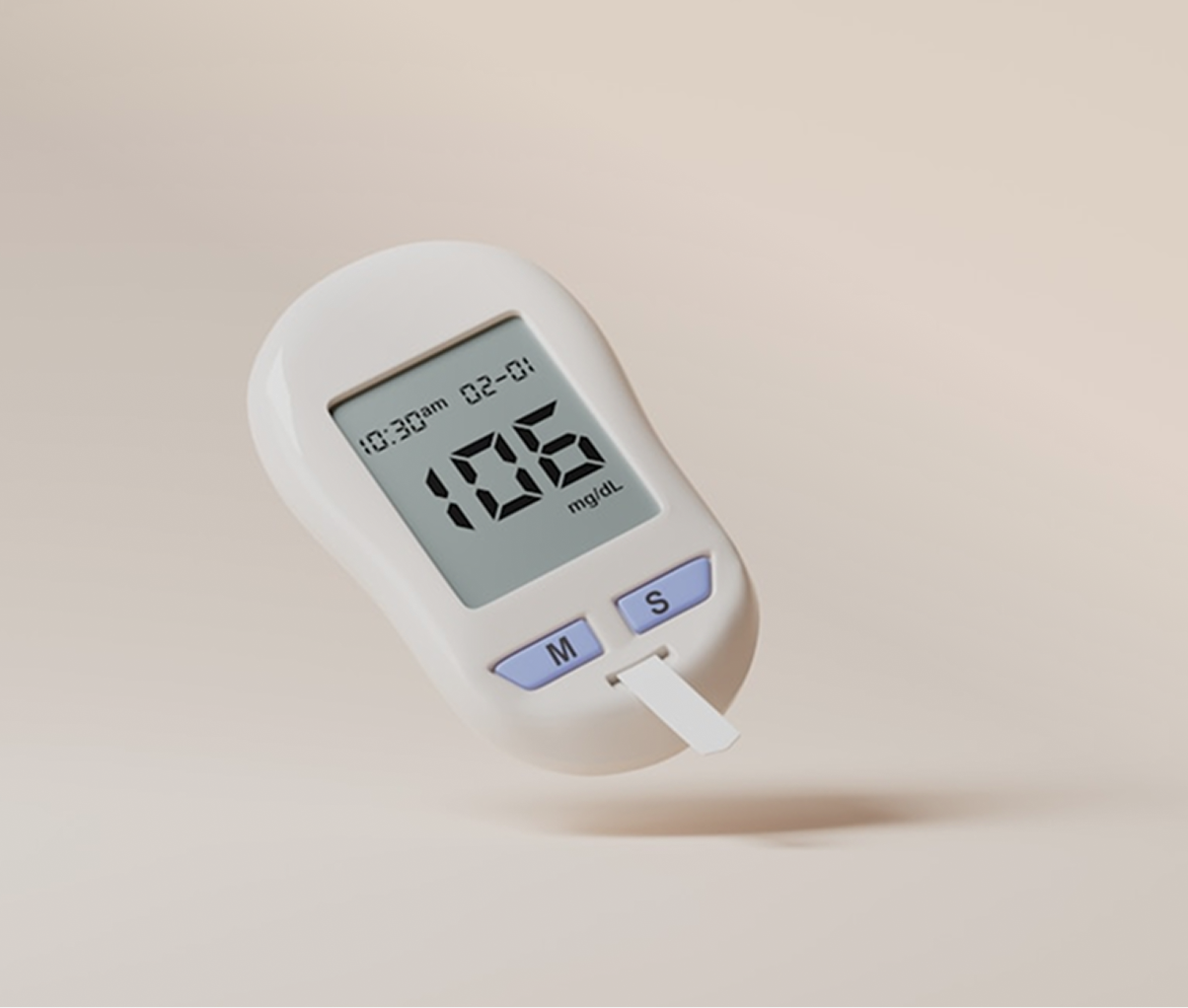
The strongest link to the rest of the body is diabetes, and it runs both ways. Poorly controlled blood sugar makes gum disease more likely and more severe. Treating gum disease seems to help blood sugar in return. A 2022 Cochrane review of 30 trials found that deep cleaning below the gumline lowered HbA1c (a measure of your average blood sugar over about 3 months) by roughly 0.43 percentage points at 3 to 4 months in people with both conditions. The reviewers rated that moderate-certainty evidence. That’s a real metabolic effect.
The heart connection is murkier. The American Heart Association’s 2012 scientific statement found that gum disease and atherosclerosis travel together even after accounting for known confounders, but the data couldn’t show that one causes the other. An updated AHA statement folded in more than a decade of new research and landed in the same place: plenty of association, causality still unproven. Smoking, diabetes, and age drive both conditions, which makes them hard to pull apart.
We wouldn't blame a heart attack on bleeding gums. We'd still treat them as information about what's happening in the rest of your body.
This is the most intriguing thread, and the least settled.
Certain oral pathogens have even been detected in brain tissue from people with Alzheimer's. The organism getting the most attention is Porphyromonas gingivalis, one of the main bacteria behind periodontitis. A 2019 study in Science Advances found it in the brains of people with Alzheimer's, along with its toxic enzymes (called gingipains) at levels that tracked with the disease's hallmark tau tangles. In mice, oral infection with the bacterium spread to the brain and ramped up production of amyloid beta, the protein that forms Alzheimer's plaques.
A company called Cortexyme made a pill that blocks gingipains, the damaging enzymes the bacterium releases. The logic: if those enzymes help drive Alzheimer's, blocking them should slow it down. They gave it to 643 people with mild to moderate Alzheimer's for about a year.
It didn't work. People on the pill lost memory and function at about the same pace as people on a placebo.
There was one hopeful detail. Patients who had the bacterium in their saliva seemed to decline more slowly on the drug. The trial wasn't built to test that group, though, and results like this, pulled out of a trial that failed overall, often disappear when someone tests them properly.
There's no concrete evidence that brushing and flossing prevents Alzheimer's. But the research raises a larger point: chronic inflammation in the mouth may not necessarily stay in the mouth.
Check Out Our Issue on Alzheimer’s
Saliva is super important.
It rinses away food. It buffers the acids that eat enamel. It supplies the minerals your teeth use to patch themselves. It starts digestion and keeps microbial populations in check. When saliva drops, cavity risk climbs fast.
It also carries what’s in your mouth downstream.
You swallow about 1.5 liters of saliva a day, and billions of oral microbes go down with it. Stomach acid kills most of them. A 2019 study in eLife tracked bacterial strains in 470 people and found that oral microbes regularly survive the trip and settle in the gut, even in healthy people. (A smaller study found the opposite, so the debate is still open.) The clearer signal is in disease: people with inflammatory bowel disease and colorectal cancer often carry more mouth bacteria in their gut than they should. Whether that's a cause or a consequence is still unclear.
Making enough saliva gets harder with age, mostly because older people take more medications. More than 400 medications can turn down saliva production, including common antidepressants, antihistamines, and blood pressure drugs. Dehydration contributes, too. So does the way you breathe.
You breathe roughly 20,000 times a day. Your nose warms, humidifies, and filters that air on the way in. Breathe through your mouth and you skip all of it—and dry out the inside of your mouth in the process.
A small study in the Journal of Oral Rehabilitation measured this directly. Volunteers slept with pH sensors in their mouths, wearing nose clips on some nights to force mouth breathing. Average oral pH during sleep dropped from about 7.0 to 6.6 with mouth breathing, and at points it fell as low as 3.6, well past the 5.5 threshold where enamel starts to dissolve. (Only in 10 people, but the direction is still worth knowing.)
The reasons people mouth-breathe vary a lot. Sometimes it's a habit. Sometimes it's allergies or a deviated septum. Sometimes it’s sleep apnea. The right fix depends on which one you’ve got.
This is where mouth tape enters the conversation.
The logic is simple. If your mouth falls open at night, tape keeps it shut and moves your breathing back to your nose. Your mouth stays wet, so saliva keeps protecting your teeth and gums. Your nose filters and humidifies the air, and your sinuses make nitric oxide that likely helps the airway fight off bacteria and viruses. Plenty of people who tape say they wake up with a less parched mouth and feel better rested.
The research is early. A 2025 review in PLOS One found only 10 small studies, and the clearest benefit was in people with mild sleep apnea. The big trials haven't been run yet.
If you try it, use a gentle tape made for sleep and make sure you can breathe easily through your nose. If you snore hard or wake up exhausted, get checked for sleep apnea first.
Leafy greens and beets are loaded with nitrate. Certain bacteria living on the back of your tongue convert that nitrate into nitrite. You swallow it, and some of it becomes nitric oxide, the molecule that tells your blood vessels to relax.
That bacterial step is important. In a 2008 study in Hypertension, drinking beetroot juice dropped systolic blood pressure by about 10 points within a few hours. When participants spat out their saliva instead of swallowing it, the rise in blood nitrite was blocked and the blood pressure drop went with it.
So what happens when you kill those bacteria?
In a 2013 study in Free Radical Biology & Medicine, healthy volunteers used a chlorhexidine mouthwash twice a day for a week. Their mouths’ nitrite production fell by 90%, and their blood pressure rose 2 to 3.5 points, starting within a day. A 2026 review of the chlorhexidine trials found that blood pressure bump showed up in some studies and not others, so treat it as a small, inconsistent effect. Separately, an observational study linked twice-daily over-the-counter mouthwash use to a higher risk of developing prediabetes or diabetes.
Mouthwash still has its place. Chlorhexidine rinses have legitimate clinical uses when a dentist prescribes them for a specific problem. The issue is the daily, reflexive sterilization of a mouth that's mostly working fine.
Keep brushing. Plaque at the gumline is still what starts gum disease, and pathogens still need to be kept in check. The open question is how to support a mouth ecosystem that works for you. We want the right bacteria, and the science of how to get them is young
In the 1970s, NASA studied hydroxyapatite, the calcium phosphate mineral that makes up about 97% of your enamel, as a way to replace the mineral astronauts lost in zero gravity. A Japanese company bought the rights and put it in toothpaste in 1980. Japan approved it as an anti-cavity ingredient in 1993.
Fluoride makes enamel tougher against acid. Hydroxyapatite works more like a patch: tiny particles stick to the tooth and fill early weak spots with the same mineral your teeth are made of. It’s also safe to swallow.
The evidence is smaller than fluoride’s, but it's real. In an 18-month randomized trial in adults, it prevented cavities about as well as fluoride toothpaste. If you'd rather skip fluoride, it's a legitimate option.
Most of it is the stuff your dentist has been saying for years, with a few updates.
None of this is glamorous. That's usually how it goes with health.
Every day, food, air, bacteria, saliva, and chemical signals pass through your mouth. And what happens there doesn’t necessarily stay there.
That’s why a healthy mouth is such a big domino. Take care of it, and you’re one step ahead when it comes to illness, disease, and overall health. It’s also something you can physically feel. A fresh, healthy mouth feels good. An unhealthy one is, at the very least, annoying, and at its worst, a real problem.
The good news is that taking care of it is pretty simple. Boring, maybe. Tedious, sometimes. But simple. And it’s one of those small pieces of daily hygiene that can have an outsized impact.
Brush well. Clean between your teeth. Take care of your gums. Pay attention to how you breathe. And don’t wait for something to hurt before you start paying attention.
Your mouth is the entrance to your body. Keep the entrance clean.
September 30, 2026

September 29, 2026
September 24, 2026
September 24, 2026

September 18, 2026
September 11, 2026

September 4, 2026

August 29, 2026

August 21, 2026