Brain health
Cognitive Function
Food
Nutrition
Omega Fatty Acids Q&A with Dr. Tommy Wood

May 29, 2026

May 29, 2026
Last week, we did a deep dive into omega fatty acids. The good news: omega fatty acids are one of the few areas in nutrition where there’s remarkably strong scientific agreement. Higher omega-3 levels are consistently linked to better long term health and a lower risk of disease.
The not-so-good news: most people are nowhere near optimal levels, even people who think they eat pretty healthy.
If you missed it, you can still catch up on The Omega Fatty Acids Issue.
Dr. Tommy Wood is a neuroscientist, elite-level professional nerd, and performance consultant to world-class athletes, including multiple F1 drivers. He received an undergraduate degree in biochemistry from the University of Cambridge, a medical degree from the University of Oxford, and a PhD in physiology and neuroscience from the University of Oslo.
Tommy is an Associate Professor at the University of Washington, where his research focuses on brain health across the lifespan including therapies for brain injury in newborns, prevention and treatment of adult brain trauma, and the factors that contribute to long-term cognitive function and cognitive decline. He is the author of The Stimulated Mind: Future-Proof Your Brain From Dementia and Stay Sharp at Any Age.
In reality, you can make almost any dietary pattern more or less beneficial in terms of Omega-3s and the balance of Omega-3 to Omega-6. Both a keto and a vegan diet, for example, can easily be low in Omega-3s.
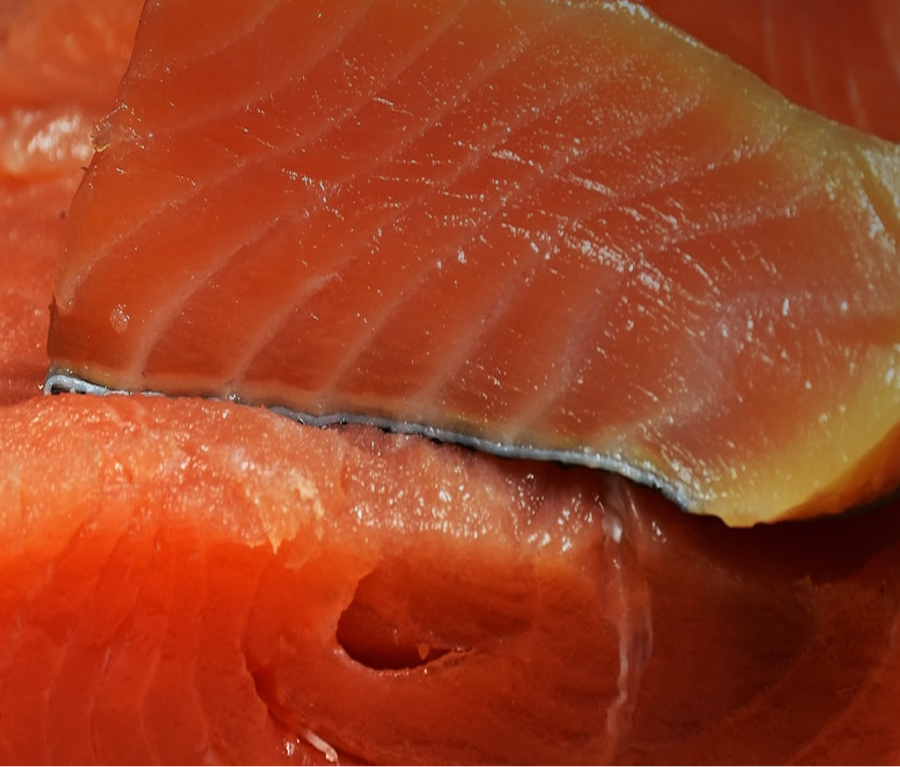
I think this can be relatively easy to navigate, though. The best evidence suggests that eating 2–4 servings of seafood per week is associated with significant reductions in the risk of diseases like dementia, which tracks with similar studies that find a lower risk of dementia in those with higher levels of Omega-3 in the blood. However, it’s worth mentioning that seafood contains many beneficial nutrients beyond just Omega-3s.
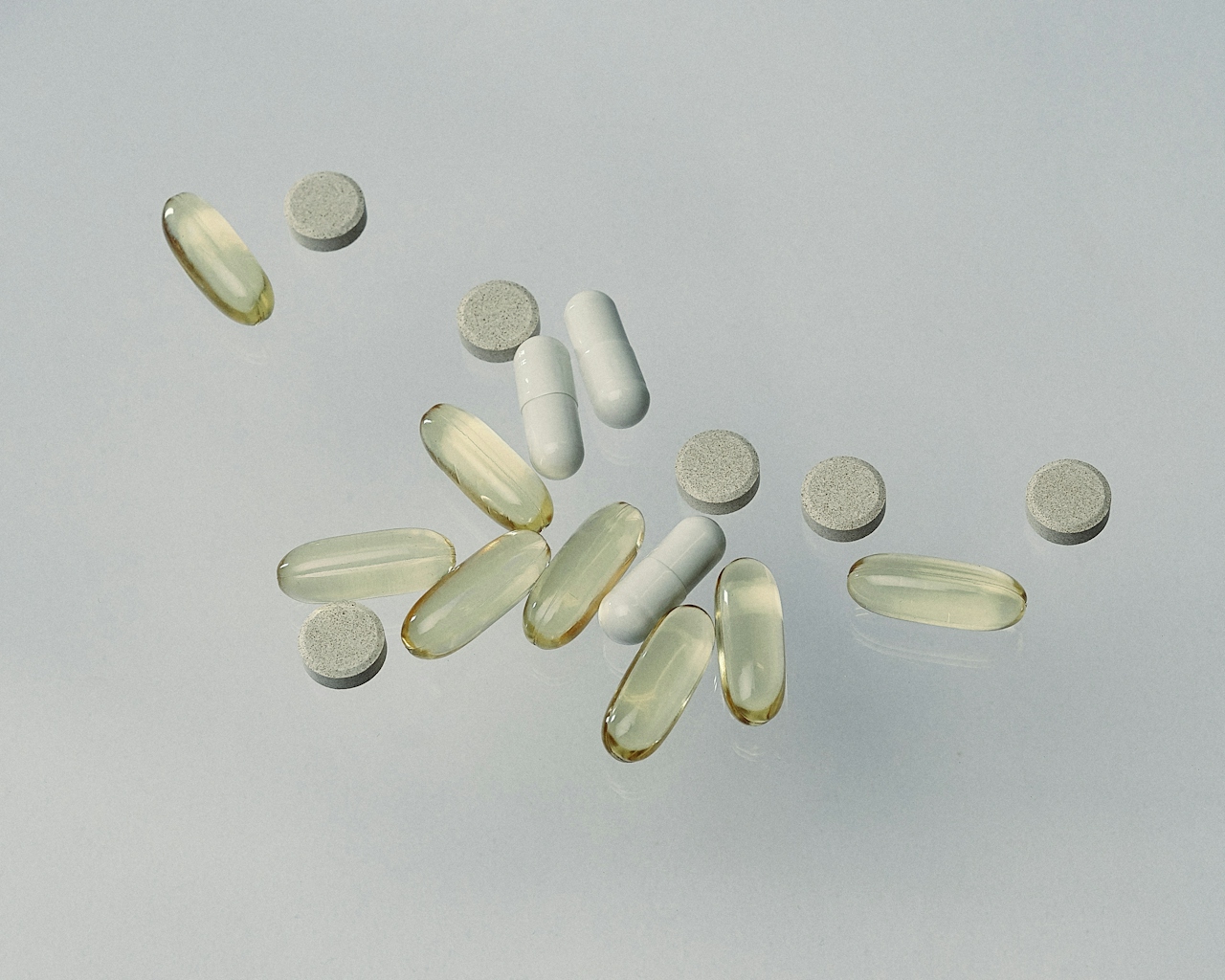
If you don’t eat seafood at least a couple of times per week, I’d consider an Omega-3 supplement. The exact form of the Omega-3s (e.g., phospholipid forms like those found in krill oil versus triglyceride forms found in fish oil) matters less than has been suggested on social media, as long as you get it from a reputable company that does testing for contaminants. Any good supplement company should be able to send you a certificate of analysis for quality and purity.
If you follow a plant-based diet, you can get an algae-based Omega-3. While it’s true that some plant foods contain Omega-3s, these tend to be the shorter-chain ALA that the body has to convert to the longer Omega-3s like EPA and DHA, which is usually an inefficient process. So it’s likely that most people will fall short if they’re not consuming any EPA or DHA at all. If you supplement, aim for around 0.5–1g per day each of EPA and DHA.
As a brain guy, there are some core nutrients that are fairly consistently associated with an increased risk of cognitive decline and dementia if we don’t consume enough of them. Omega-3s are included in that list. Omega-3 status is also important for cardiovascular risk. Omega-3s support both the structure and functioning of the brain as well as being precursors for anti-inflammatory compounds in the body.
If we put the lifestyle medicine pillars at the base of this pyramid—exercise, sleep, social connection, nutrition, stress management, and avoiding toxins (smoking, excessive alcohol etc)—then ideally Omega-3 status will just get rolled into a nutrient-dense diet. If you eat a health-supporting nutrient-dense diet but don’t consume any long-chain Omega-3s like EPA/DHA, then maybe I would put them in the middle of the pyramid. They certainly seem to be more important than the majority of other longevity supplements, which might sit at the top of the pyramid and are much more context-dependent.
It’s very rare for there to be absolutes in nutrition, and you can eat a diet that contains almost any food and still have fantastic long-term health. At the same time, I’d try to minimize foods rich in refined oils, especially if they’re heavily processed or fried. Though part of this is because those foods can be high in Omega-6s that can compete with the benefit of Omega-3s, it’s also important because these foods tend to be nutrient-poor, high in calories, and easy to overeat.
Importantly, though, most of the time I also wouldn’t worry about the Omega-3 or Omega-6 content of foods that either we don’t eat a lot of or that don’t contain a large total amount of those types of fats. Promoting the Omega-3 content of grass-fed beef, for example, doesn’t make much sense because beef is a poor source of Omega-3s no matter how it is raised (most of the fat in beef is monounsaturated and saturated). The same could be said for most other meats and eggs; these will never be our primary sources of Omegas. Other foods will be much more important on that front.
Without knowing a little bit about their diet, probably not. However, you might be able to infer a little bit based on some of the benefits we’ve seen from randomized trials of fish oil or Omega-3 supplementation. For example, meta-analyses of randomized controlled trials have found that Omega-3s significantly decrease triglycerides and markers of inflammation such as CRP. They also can help to improve recovery from exercise and may improve the maintenance or gain of muscle mass in response to resistance training.
Omega-3s can also improve symptoms in individuals with depression. In those at risk of cognitive decline, Omega-3s can help to slow cognitive decline but only if they also have good B vitamin status (e.g., good B12 and folate levels and/or a homocysteine below 11 μmol/L). So if you struggle with any of those symptoms or have elevated CRP or triglycerides on a blood test without other clear causes, it’s possible that Omega-3s may help. If supplementing for these reasons, doses of at least 2g/day (combined DHA+EPA) tend to be most beneficial.
You’re right. This is a highly polarized topic. To be honest, any discussion should be long and nuanced and it’s hard to say that we definitively know the “truth.” The best evidence I think we have suggests that the risks of seed oils are largely overblown.
This discussion usually revolves around linoleic acid (LA), the primary Omega-6 fat in most seed oils. When you look at how much LA is in our bodies—all of which comes from the diet—there’s no correlation with higher LA levels and higher risks of cardiovascular disease or death. There are some people who will argue that older trials suggest that it takes many years for the negative effects of seed oils to take hold, with a suggestion that they may increase the risk of cancer, for example. However, this finding wasn’t statistically significant in those trials, and it hasn’t been replicated.
There’s also no good evidence that seed oils drive inflammation, though you could make a mechanistic argument that some of the compounds produced by heating seed oils (i.e., by frying) may inhibit some of the benefits of Omega-3s. This is interesting but largely relies on studies in mice, which rarely provide information that is directly relevant to humans.
I think dietary patterns will always win out, and seed oils are most commonly enriched in the diet as part of nutrient-, protein-, and fiber-poor hyperpalatable foods. It’s probably this full picture that’s more of an issue than just the seed oils themselves. We do know that the balance of Omega-3 to Omega-6 in the diet is related to a number of health outcomes, and I would make the argument that including lots of refined fats—regardless of their source—in the diet is probably not the best plan because they’re nutrient poor and calorie dense.
So while I wouldn’t make seed oils a major calorie source for those reasons, I also don’t think we need to completely avoid them or introduce stress into our eating by trying to make sure we don’t consume them at all. If you’re eating some seafood and other nutrient-dense foods while minimizing high intakes of fried foods and highly-refined fats, that’s probably all you need to do.
Disclaimer: This newsletter is provided for educational and informational purposes only and does not constitute providing medical advice or professional services. The information provided should not be used for diagnosing or treating a health problem or disease, and those seeking personal medical advice should consult with a licensed physician.

September 18, 2026

September 11, 2026

September 4, 2026

August 29, 2026

August 21, 2026

August 15, 2026

August 7, 2026

July 30, 2026