Antioxidant
Nutrition
Supplements
Glutathione Q&A with Dr. David Perlmutter

June 12, 2026

June 12, 2026
Last week, we did a deep dive into glutathione. We explored why this small molecule has earned the nickname “the master antioxidant,” and how it plays a central role in detoxification, cellular repair, immune function, and healthy aging.
Your body already knows how to make glutathione. It’s built into human biology for a reason. Nearly every cell in your body depends on it. But stress, poor sleep, aging, environmental toxins, alcohol, illness, and modern life in general can deplete it faster than we replenish it.
Which means the conversation around glutathione isn’t really about chasing some miracle molecule. It’s about supporting one of the body’s most important defense systems before it starts falling behind.
If you missed it, you can still catch up.
Dr. David Perlmutter is a Board-Certified Neurologist and six-time New York Times bestselling author whose work focuses on the intersection of neurology, nutrition, and brain health. A Fellow of the American College of Nutrition, he serves on its Board of Directors and on the Editorial Board of the Journal of Alzheimer’s Disease.
His books, including the #1 bestseller Grain Brain, have been published in 32 languages and sold over a million copies. Dr. Perlmutter lectures globally at leading institutions and has been featured on major media outlets including 20/20, CNN, The Today Show, and Oprah. His contributions have earned him numerous national and international awards for clinical innovation and leadership.
His upcoming book, Brain Defenders, focuses on the pivotal role of microglia, the brain’s immune cells, in protecting, repairing, and reprogramming the brain for lifelong resilience, and is now available for pre-order.
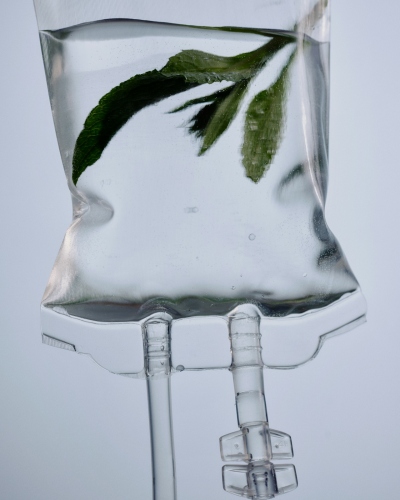
He is also one of the pioneers in intravenous glutathione therapy. Today, he’s devoting his time to answering your questions about glutathione.
I have no doubt that it’s doing something, at least biochemically. Glutathione is central to antioxidant defense and immune-cell function. But there’s not enough evidence to say it meaningfully “prevents getting sick.”
One human randomized control trial of oral glutathione found increased body glutathione stores and reported that natural killer cell cytotoxicity increased more than twofold in the high-dose group at 3 months. Liposomal glutathione studies also show increases in glutathione and immune markers.
But that is not the same as proving fewer colds, fewer infections, or longer life. For IV glutathione specifically, evidence is thinner.
Could Glutathione Be One of the Missing Pieces in How You Feel and Age?
Glutaryl™ was developed to help solve one of the biggest challenges in wellness: effective delivery and absorption of the body’s master antioxidant, glutathione.
Most people think about energy, sleep, recovery, and aging as separate issues. But underneath all of them is one thing: oxidative stress.
Everyday exposures like pollution, poor sleep, processed foods, alcohol, chronic stress, and even intense exercise can generate more free radicals than the body can comfortably keep up with. Over time, this oxidative burden can affect how you feel, how you recover, and how you age. That’s why maintaining healthy glutathione is essential.
Glutathione is an extremely fragile molecule, and many traditional delivery methods struggle to deliver it effectively.
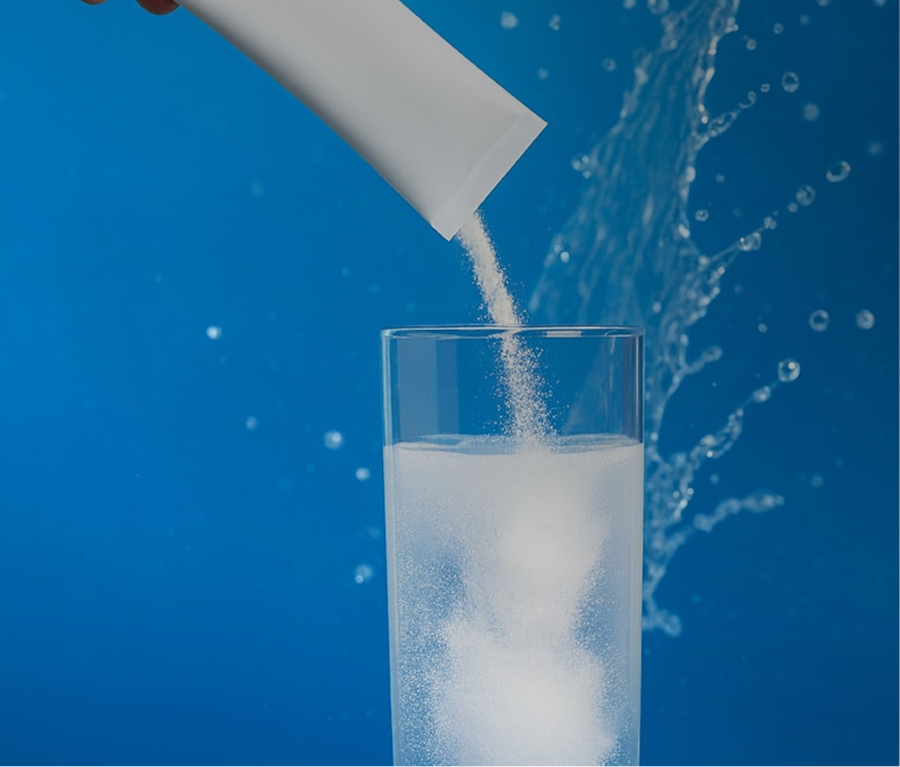
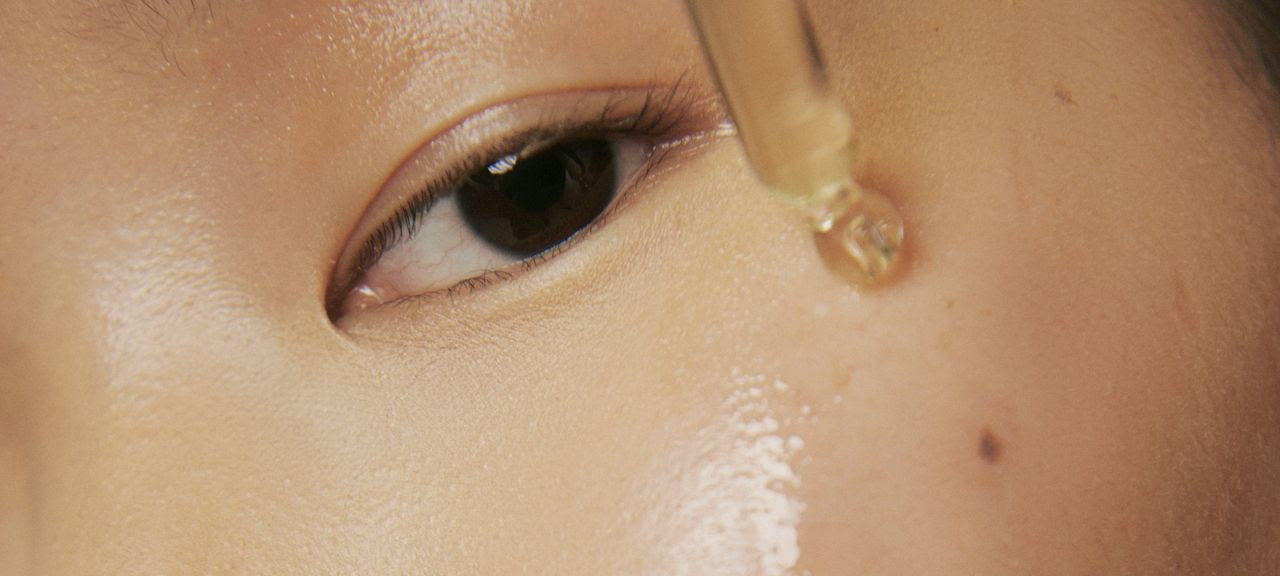
That’s the idea behind Glutaryl™, a multi-patented topical glutathione designed with a unique approach to support absorption for convenient, everyday use at home.
When the body is better supported against oxidative stress, everything functions a little better.
Use code Eudemonia for 15% off through July 15.
Glutathione has a beautiful mechanistic story: “master antioxidant,” detoxification, mitochondria, immune resilience, aging. The National Cancer Institute defines it as an antioxidant, free-radical scavenger, detoxifying agent, and cofactor for glutathione peroxidase.
Conventional medicine is less enthusiastic because doctors usually want hard clinical endpoints: fewer infections, better survival, improved disease outcomes. These are the kinds of data that are revealed by clinical studies. Right now, the strongest data show changes in measurable biomarkers, not consistent disease-prevention outcomes in people.
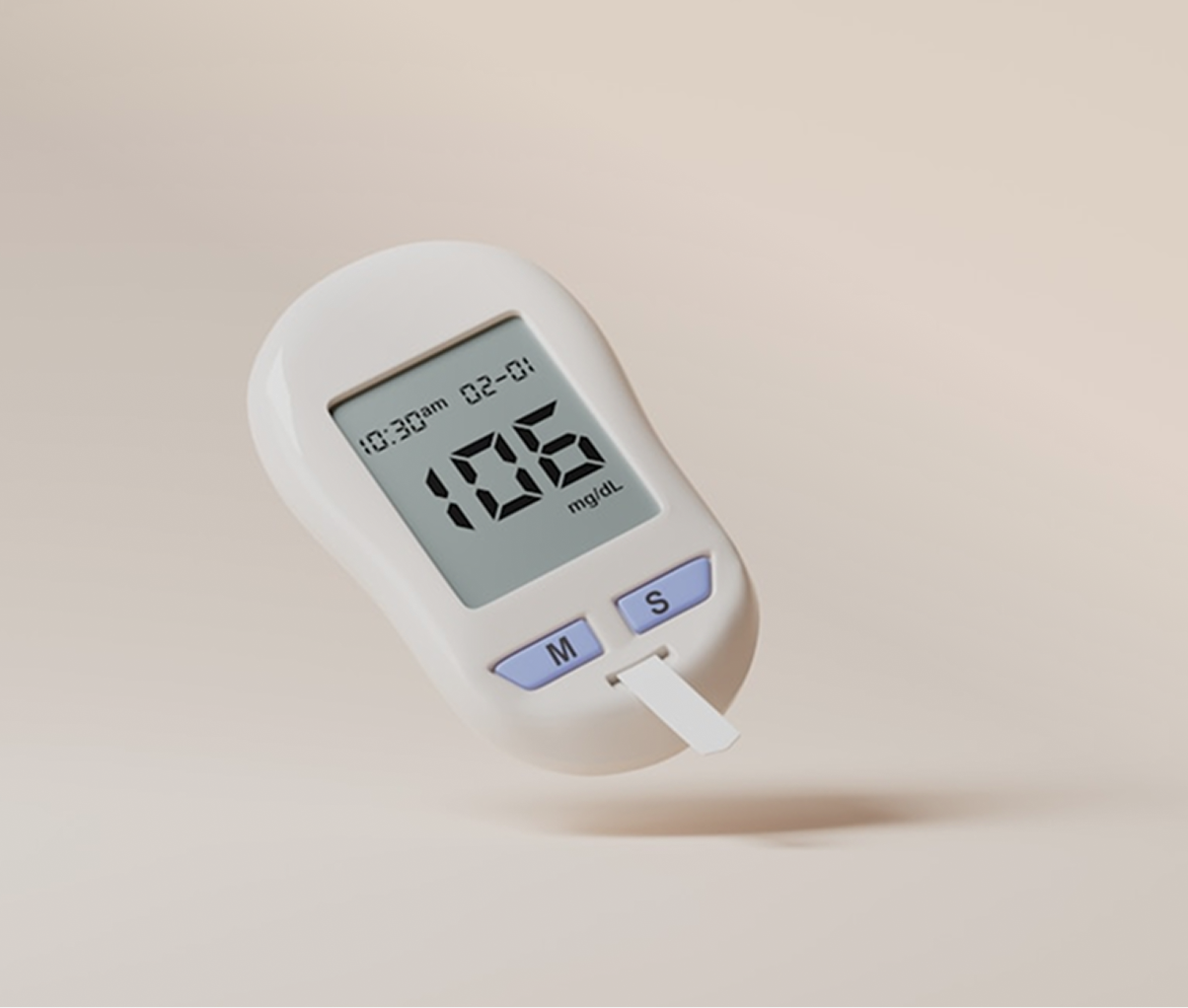
Yes, but interpretation is tricky. You can measure reduced glutathione (the active form), usually in whole blood or red blood cells. Better than a single number is the redox picture. This looks at the comparison between active, reduced glutathione and its oxidized form. Beyond these measurements, there are other lab studies that are indirect markers of glutathione status, including: GGT, cysteine status, oxidative stress markers such as 8-isoprostane, inflammation markers, HbA1c—and my favorite, fasting insulin levels. These tests are often referred to as “surrogate markers” of glutathione status.
Both genetics and our lifestyle choices influence our glutathione status. From a genetics perspective, the gene GCLC encodes for the first rate-limiting enzyme in glutathione synthesis. And an array of genetic variants in this gene pathway can influence synthesis, recycling, or detoxification capacity. But genes are not destiny.
Glutathione production depends heavily on the availability of cysteine, glycine, glutamate, selenium, riboflavin, and magnesium—along with protein adequacy, exercise, sleep, toxin load, alcohol, glycemic control, and inflammation. This means that beyond genetics, our lifestyle choices are highly influential in terms of glutathione status.
So while I wouldn’t make seed oils a major calorie source for those reasons, I also don’t think we need to completely avoid them or introduce stress into our eating by trying to make sure we don’t consume them at all. If you’re eating some seafood and other nutrient-dense foods while minimizing high intakes of fried foods and highly-refined fats, that’s probably all you need to do.
There is no universally accepted protocol. A reasonable evidence-based approach would be to test first if possible, correct diet/lifestyle inputs, then consider a time-limited trial and retest. Human studies often use oral glutathione around 250–1,000 mg/day, while GlyNAC studies use glycine plus NAC to restore precursor availability. That said, a 2023 randomized trial in older adults found GlyNAC improved glutathione deficiency, oxidative stress, mitochondrial dysfunction, inflammation, physical function, and aging-hallmark measures over 16 weeks. That’s compelling data as these are fundamental goals for health and well-being.
The views expressed by our expert are entirely their own. There is no financial, professional, or organizational affiliation between the expert featured in this Q&A and our sponsor.
Disclaimer: This newsletter is provided for educational and informational purposes only and does not constitute providing medical advice or professional services. The information provided should not be used for diagnosing or treating a health problem or disease, and those seeking personal medical advice should consult with a licensed physician.
September 24, 2026

September 18, 2026
September 11, 2026

September 4, 2026

August 29, 2026

August 21, 2026

August 15, 2026
August 7, 2026
July 30, 2026