Preventative Health
Nutrition
Blood sugar
The Fasting Issue

June 18, 2026

June 18, 2026
The average American now eats across a window of 15 to 16 hours per day. Many people eat across nearly every waking hour. We’re eating as soon as we get up in the morning until right before we go to sleep.
And yet for roughly 99.9% of human evolutionary history, that pattern was physically impossible.
So what's happening biologically when we eat around the clock? What happens when we stop?
The central idea is that periods without food may trigger repair mechanisms modern humans rarely experience anymore. Your biology behaves differently when food disappears for long enough and it’s not constantly dedicating resources to digestion.
And researchers are increasingly interested in what those changes might mean for metabolic health, inflammation, aging, cellular repair, and disease risk.
In today’s issue, we look into what fasting actually does inside the body, what the evidence seems to support, where the uncertainties still are, and why going a few hours without food may not be the biological emergency many of us have been conditioned to believe it is.
Fasting isn’t a diet. It’s a physiological state.
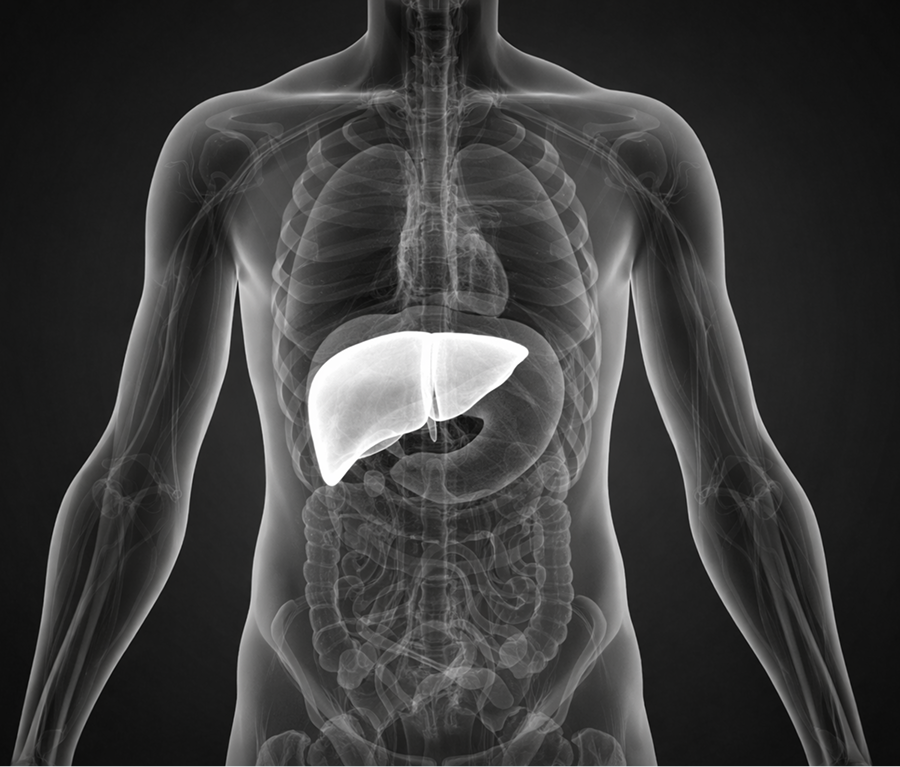
When you eat, your body enters a fed state. Insulin rises, signaling cells to take in glucose for immediate energy. Your liver stores some of the extra glucose as glycogen, and if more energy keeps coming in than your cells need, the surplus is packaged away as fat. During this time, digestion, hormone signaling, and liver metabolism all lean toward one main task: getting incoming nutrients used, stored, or burned.
As time passes after a meal and you stop eating, the balance gradually shifts. Insulin drops, and your liver begins releasing stored glycogen back into the bloodstream. Your fat cells start releasing fatty acids. Over hours, your body moves from mainly burning glucose to burning more fat—with longer fasts, more ketones as well.
That metabolic pivot (from the fed state to the fasted state) tends to show up somewhere around 10–14+ hours after your last meal. Until you cross that threshold, you're mostly just digesting.
This matters, because a lot of people think they're "fasting" when they stop eating at 9pm and have breakfast at 7am. That’s only about a 10‑hour break. You’ve definitely given your system a rest, but for many people that’s still on the shallow end of the fasting pool. The more distinctive metabolic fasting responses, like a stronger shift toward burning stored fat and making more ketones, tend to ramp up after you’ve spent more time running down your liver’s glycogen stores.
Because many people eat from morning to night, with snacks in between, they may barely touch that deeper fasting zone on a typical day.
For most of our existence as a species, food was intermittent by default. You ate when you found or caught something. Winters meant scarcity. Long hunts meant hours without food. Some days, there was nothing. The idea of 3 structured meals plus 2 snacks plus a protein shake was not a feature of Paleolithic life.
Our metabolic system was built to function well within that environment, not just to tolerate it. This is the core evolutionary argument for fasting: when food stops coming in for long enough, the body appears to shift resources away from constant digestion, growth, and nutrient storage and toward repair, recycling, and cellular maintenance.
Our metabolic system evolved for cycles of feeding and not feeding. And some researchers believe the fasting state activates these ancient biological pathways that benefit us in multiple ways.
The question is whether our bodies actually need that downtime, or whether we can stay “open” indefinitely without consequence. A growing body of evidence says we can't.
Before we get into specific mechanisms, it helps to know one big idea: your biology runs on a schedule.
Every cell in your body keeps time with its own circadian clock. It’s not just the master clock in your brain’s suprachiasmatic nucleus responding to light; your liver, gut, pancreas, fat tissue, and muscles all have local clocks of their own, quietly ticking away.
Those clocks sync themselves to signals from the outside world. One of the strongest signals is when you eat.
Your liver's clock, for example, anticipates when food is coming and prepares insulin sensitivity, bile production, and glucose metabolism accordingly. When you eat in alignment with your circadian biology (most of your food in daylight hours, with very little or nothing late at night), your metabolism is working with the grain of your circadian biology instead of against it.
When you eat at midnight or stretch your eating across a 16‑hour window that spills into every corner of the day, those clocks start to slip out of sync. Your liver is running its daytime programs at night, when it should be powering down. Insulin responses are weaker in the evening than in the morning, and gut motility slows at night. So if you keep piling on calories late, your body may still be finishing last night’s dinner by the time you’re sitting down to breakfast.
The circadian angle is probably the most underappreciated dimension of meal timing. Time‑restricted eating, even without deliberate calorie cutting, can improve metabolic markers in part because it brings eating back into sync with the body’s clocks.
In a 2018 study, the researchers put men with prediabetes on a 6‑hour eating window that wrapped up by 3:00 p.m., without changing their total calories. After five weeks, compared with a control schedule that spread the same calories over 12 hours, the early‑window group had lower fasting insulin, lower blood pressure, and better insulin sensitivity. Same calories—just different timing. That’s circadian biology doing work.
And there are a couple more reasons not to eat late at night.
Pancreatic beta cells (the cells that make and release insulin) carry melatonin receptors. As melatonin rises in the evening, it signals those cells to dial back insulin secretion. Eat a large meal at 10:00 p.m., and you’re asking your body to handle a glucose load with a muted insulin response, so blood sugar runs higher and clears more slowly. The same meal eaten at noon, when melatonin is low and insulin responses are stronger, generally costs your metabolism less.
Eating close to bedtime also appears to work against the brain’s waste‑clearance system. The glymphatic network, which helps flush out metabolic debris, including amyloid‑beta and tau proteins linked to neurodegeneration, is most active during deep sleep. It likely runs best when you’re in solid, uninterrupted sleep rather than actively digesting a heavy meal. Finishing eating at least 2–3 hours before bed isn’t just good sleep hygiene, it’s probably good brain maintenance, too.
Fasting has long been recognized as a powerful tool for supporting the body’s natural renewal processes, helping promote metabolic balance, cellular cleanup, and healthy aging.
Research has also shown that extended fasting, particularly around 72 hours, may help stimulate stem cell regeneration and increase the circulation of stem cells involved in the body’s repair response. This is one reason fasting has become such a popular practice among those focused on longevity and cellular health.
That’s where Stemregen fits in.
Stemregen’s plant-based formulas are designed to support the release and circulation of stem cells from your bone marrow, adding a fasting-like regenerative process to your wellness practices, alongside exercise, quality sleep, and meditation.
Code is active through July 17.
0–4 hours: You’re in the fed state. You’re digesting and absorbing your last meal, insulin is up, blood glucose is being cleared, and your body is focused on using and storing incoming nutrients.
4–8 hours: Insulin starts to fall. Your liver begins releasing stored glycogen to maintain blood sugar. You feel fine, probably not hungry yet.
8–12 hours: Glycogen stores are getting lower. Fatty acid release from adipose tissue is increasing. Your body is starting to mix more fat into its fuel blend. This is the gray zone where most people break their overnight fast.
12–16 hours: In many people, liver glycogen is now significantly lower. Fat oxidation and ketone production are clearly rising, though the exact timing varies widely with diet and activity. This is often where fasting starts to feel “different,” as your body leans more heavily on stored fuel.
16–24 hours: Ketone levels continue to climb. Cellular energy‑sensing pathways like AMPK become more active while growth‑promoting signals through mTOR ease off. Together, those shifts nudge cells toward conservation and cleanup modes, including more autophagy signaling compared with the fed state.
24+ hours: Autophagy is robustly activated. Growth hormone surges (partly to preserve lean mass). Inflammatory markers begin to fall. The cellular repair programs are running at full capacity.
Each of these mechanisms deserves its own explanation, so let's go through the ones that matter most.
Insulin sensitivity is essentially how responsive your cells are to insulin's signal. Highly sensitive cells need less insulin to get the same job done. Resistant cells need more, so the pancreas produces more, and chronically elevated insulin drives a cascade of downstream problems: fat accumulation, inflammation, impaired fat burning, and eventually type 2 diabetes.
As we covered in our fiber issue, insulin resistance is one of the first dominoes in the metabolic cascade. Fix it, and a lot of other things improve on their own.
Fasting improves insulin sensitivity through two mechanisms:
These 2 protein complexes are worth understanding because almost everything interesting about fasting biology runs through them.
mTOR is a growth signal. When nutrients are plentiful, mTOR is active, telling cells to build proteins, replicate, and grow. It's essential. You want mTOR active after a workout when you're building muscle. But chronically active mTOR, running 24 hours a day because food never stops coming in, suppresses autophagy and accelerates some of the cellular processes associated with aging.
AMPK is essentially the opposite. It activates when cellular energy is low. AMPK switches cells into conservation and repair mode. It triggers fat oxidation, mitochondrial biogenesis, and autophagy. It also inhibits mTOR directly.
Fasting tips this balance toward AMPK. So does exercise. So does cold exposure (covered in our heat and cold exposure issue). These aren't coincidences. They're all forms of controlled biological stress that activate the body's adaptive repair programs. Hormesis, as we've discussed before.
The mTOR–AMPK balance probably explains why constant eating, even of healthy food, may not be ideal for long-term cellular health. Your cells need both modes. Growth and repair. Fed and fasted. The problem is that for most people right now, the growth and fed signals never turn off.
Autophagy, a term derived from the Greek words for “self” and “eating,” is the process by which cells break down and recycle damaged proteins and worn out cellular components. It functions as an internal cleanup and quality control system.
Yoshinori Ohsumi won the Nobel Prize in Physiology or Medicine in 2016 for mapping the molecular machinery of autophagy. His work established that autophagy is a fundamental biological process, and that its disruption is linked to cancer, neurodegeneration, and accelerated aging.
During the fed state, mTOR suppresses autophagy. When nutrients are plentiful, the cell has no reason to eat itself. During fasting, as mTOR gets suppressed and AMPK rises, autophagy is allowed to run.
What does that mean?
The caveat: almost all of our understanding of autophagy in fasting comes from animal studies. We know the pathways. We know fasting activates them. But we don't yet have robust human trials directly measuring autophagy in tissue and correlating it with clinical outcomes. The mechanism is established. The human clinical magnitude is less certain.
That said, the mechanism is real, and the logic is sound. Your cells need downtime to clean house. Autophagy is how they do it.
The popular understanding of ketones is that they're an alternative fuel your body makes when carbohydrates aren't available. That's true but incomplete.
Beta‑hydroxybutyrate (BHB), the main ketone in your blood when you fast, is both a fuel and a signal. It can nudge cells to switch on built‑in stress‑protection and anti‑inflammatory programs. BHB also crosses into the brain easily and can power neurons, which may help explain why some people feel clearer and more focused when they’re in a fasted or ketogenic state.
The brain can run efficiently on ketones. In the context of Alzheimer’s risk, researchers such as Dale Bredesen and others have suggested that ketones may be neuroprotective, partly because they can provide an alternative fuel when brain glucose metabolism starts to falter in early neurodegeneration. Evidence from small trials and mechanistic studies is still preliminary, but the mechanism is plausible enough to take seriously.
For most people, the subjective experience of mild ketosis during fasting is the clearest evidence something real is happening. The brain fog that accompanies extreme hunger is different from the mental clarity that often arrives around hour 16 to 18 of a fast. That shift isn't placebo. It's your brain running on a different, and for many people, cleaner-burning fuel.
Chronic low-grade inflammation is one of the central drivers of aging and metabolic disease.
Fasting can lower some inflammation markers in people, but it doesn’t do this in a simple, guaranteed way for everyone. In one line of experiments, a Mount Sinai team showed that, during short fasts in mice, many circulating monocytes (a type of white blood cell that helps drive inflammation) pulled back into the bone marrow and went into a kind of low‑activity “standby” mode, then flowed back into the blood once feeding resumed. Taken together, the human and animal data suggest that fasting can give parts of the immune system a temporary break and reshape how inflammatory cells behave. But how much this helps and for whom is still being worked out.
The BHB ketone connection matters here too: it can turn down a key inflammatory switch in the body. That may be one way longer fasts and calorie‑cutting help calm inflammation in diseases like rheumatoid arthritis, although the research in people is still early and not all of the benefits can be pinned on ketones alone.
The honest picture: fasting reduces inflammation. The magnitude in humans, across different fasting protocols, varies. And it's hard to disentangle fasting's effects from the caloric restriction that often accompanies it.
Time-restricted eating (TRE), often called intermittent fasting, is when you limit your daily food intake to a specific window, often 8–12 hours, and fast during the remaining hours. A typical example is eating between 10:00 a.m. and 6:00 p.m., creating a 16-hour fasting window overnight.
It’s important to note that time-restricted eating is not the same thing as calorie restriction. You can follow a 16:8 schedule while eating the same number of calories you normally would. The goal isn't necessarily to eat less. It's to give your body a longer break from processing food.
The research is mixed. Some studies of intermittent fasting and time‑restricted eating show improvements in weight, fasting glucose, and insulin sensitivity, especially in people who are overweight or have type 2 diabetes. Others find more modest benefits, or no clear advantage over regular calorie‑reduced diets when total calories are matched. One likely reason is that many people naturally eat fewer calories when they compress their eating window, so it’s hard to disentangle the effects of fasting itself from the effects of simply eating less and losing weight.
Another reason is timing. Our bodies appear better equipped to handle food earlier in the day than late at night.
In other words, it’s not just how long you fast. It’s also when you eat. A 16:8 schedule that ends at 6:00 p.m. may produce different results than one that ends at midnight. The fasting window matters, but the clock matters too.
As covered above, the biology changes at each stage of a fast. At 24 hours, glycogen is gone, ketones are climbing, and autophagy is running. Push into 48–72 hours and appetite actually starts to quiet down. Most people report feeling less hungry at hour 60 than hour 20. This is also where electrolytes become non-negotiable. Sodium, potassium, magnesium. Let those slip and you'll feel it. Most multi-day fasts that go badly trace back to this.
Five‑day fasts (or fasting‑mimicking diets) are where formal clinical trial data start to get stronger. A 2015 trial put participants through three monthly 5‑day fasting‑mimicking cycles and found significant reductions in IGF‑1, fasting glucose, blood pressure, C‑reactive protein, and central fat, with some markers still improved months later. That’s some of the best current human evidence that periodic multi‑day fasting‑style interventions can shift metabolic and aging‑related risk markers in ways that go beyond what’s been documented so far with simpler daily time‑restricted eating.
Refeeding is the main real risk at 5 days. After a long fast, cells are low on key electrolytes, and a sudden insulin surge when you eat can drive phosphate, magnesium, and potassium into cells, dropping blood levels and, in severe cases, triggering dangerous heart rhythms or neurological problems. It’s rare in healthy people after short fasts but documented after multi‑day fasts, especially in those who are undernourished. To reduce risk, break the fast slowly with small, easy‑to‑digest meals and avoid a big carbohydrate load as your first meal.
A 24-hour fast once or twice a month is accessible and well-supported. A 3–5 day fast quarterly is a different animal. Water, juice, broth: the format matters, and so does having a doctor or practitioner in your corner—someone who can check your labs and manage the refeed.
Developed by Valter Longo and his team at USC, the FMD is a 5-day protocol, eating around 800–1,100 calories per day from a specific macronutrient profile designed to keep mTOR suppressed and autophagy elevated while providing some food. Longo's human trials showed improvements in IGF-1 (a growth factor linked to accelerated aging), fasting glucose, blood pressure, and CRP after 3 monthly cycles. This is one of the few fasting protocols with actual multi-cycle human trial data on longevity-relevant biomarkers.
It's best for people who want the benefits of prolonged fasting without the safety concerns of total food abstinence.
People with a history of disordered eating. Fasting can be a socially legitimized form of restriction, and the line between “intermittent fasting as a health practice” and “restriction as a control mechanism” is not always clear. If you have any history of anorexia, bulimia, or orthorexia, talk to a clinician before experimenting with fasting.
Pregnant or breastfeeding women. Caloric and nutrient demands are elevated. This isn't a context for voluntary restriction.
People with type 1 diabetes or those on insulin. Fasting can cause dangerous hypoglycemia. This needs physician oversight.
People who are significantly underweight or malnourished. The whole premise of fasting's benefits assumes adequate nutrient stores to draw on. If you don't have them, fasting is pure deprivation.
Adolescents. Still growing. Not the time to experiment.
People with certain thyroid conditions or adrenal insufficiency. Fasting stresses the HPA axis. Some conditions don't tolerate that well.
This isn’t an exhaustive list. If you have any metabolic condition, take any medication affecting blood sugar, or have any reason to think your nutritional status is compromised, check with a doctor before starting any fasting protocol beyond a normal overnight fast.
Here's a practical read on the evidence.
A 12 to 16 hour overnight fast is probably a reasonable baseline for most healthy adults. Finish eating by 8:00 p.m., and don't eat until 8:00–10:00 a.m. This captures the circadian alignment benefit and allows the body to complete a metabolic fasting cycle most nights. It’s not extreme. It’s closer to what human biology probably expects.
Earlier eating windows show stronger effects than later ones. If you want to compress your eating window further, shift it earlier. Eat from 8:00 a.m. to 4:00 p.m. rather than noon to 8:00 p.m. The circadian biology strongly favors this, even though it's socially less convenient.
Fasting-mimicking diets, done quarterly, are one of the better-evidenced intensive approaches. The 5-day FMD protocol has actual human trial data behind it. Doing it 3–4 times a year while eating well otherwise is a reasonable interpretation of the current evidence.
Protein intake in your eating window matters. Whatever window you choose, 1.6 to 2.2g of protein per kg of body weight per day, spread across your eating period, protects muscle mass and supports the anabolic phases your body needs.
Fasting isn’t magic. But the science is promising. It's also genuinely interesting biology that most people in the modern world never access simply because they never stop eating long enough to let the machinery run.
Here's what we can say with reasonable confidence.
Your body was built to alternate between feeding and fasting. It has programs that run in the fasted state that simply cannot run when food keeps arriving. For most people, experimenting with longer fasting periods, under the right circumstances, is worth considering. The effects are often noticeable, both in how you feel and in what shows up on your bloodwork.
Fasting produces real, measurable metabolic effects. Its longevity benefits are biologically plausible and strongly supported by animal research. But whether those mechanisms ultimately translate into a meaningfully longer human lifespan remains an open question.
In many ways, as this newsletter proves, we're all participating in the world's longest longevity trial right now. Fasting seems like a genuine tool for overall metabolic health.
Uncomfortable? Yes. Important? We’ll see.
Disclaimer: This newsletter is provided for educational and informational purposes only and does not constitute providing medical advice or professional services. The information provided should not be used for diagnosing or treating a health problem or disease, and those seeking personal medical advice should consult with a licensed physician.

October 16, 2026

September 30, 2026

September 29, 2026

September 24, 2026

September 24, 2026

September 18, 2026
September 11, 2026

September 4, 2026

August 29, 2026