Chocolate is healthy. But only if you do it right.
Real chocolate, in its least processed form, is one of the most remarkable foods in all of nutrition. Buried inside the cacao bean is a pharmacy of compounds that affect your heart, your brain, your mood, your blood pressure, and even the bacteria in your gut.
Flavanols that support vascular function. Theobromine that gently stimulates the nervous system. Polyphenols that act as antioxidants and influence inflammation.
Most of what we call chocolate today is something else entirely. "Chocolate" in the modern world has been stripped of those compounds and loaded with sugar, fat, and additives. What started as one of nature's most powerful superfoods got turned into candy. And candy is not healthy (sorry).
But it’s worth taking a closer look at what cacao actually does in the body, why it earned its reputation, and what gets lost through processing. So let's dig into why cacao earned the nickname “food of the gods” and how to use it in a way that genuinely supports your health.
Food of the Gods
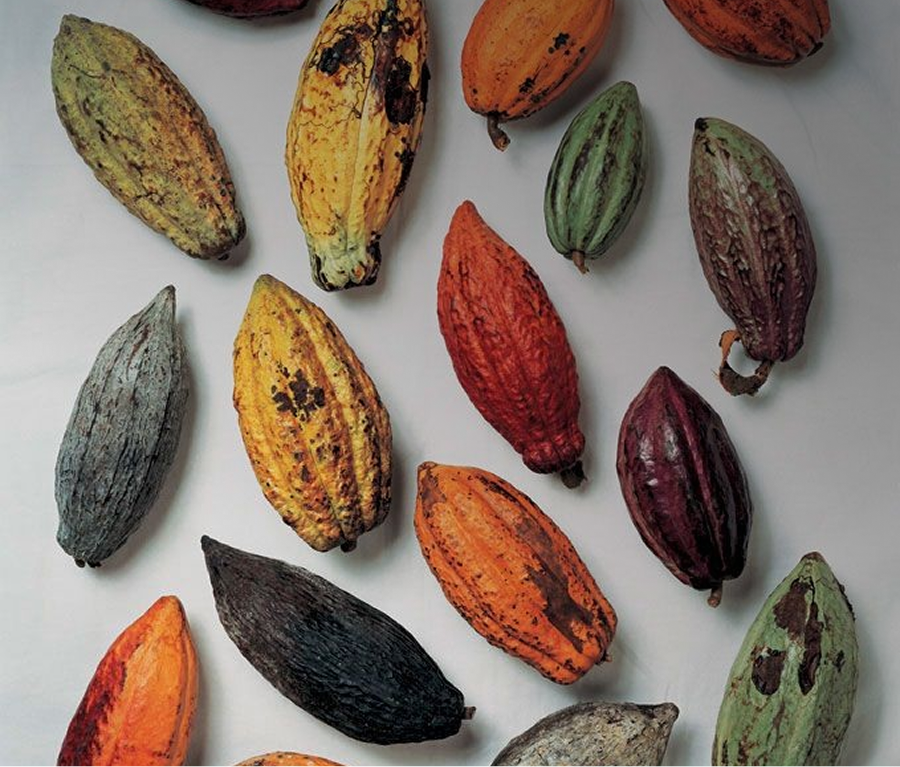
The scientific name for the cacao tree is Theobroma cacao. Theobroma translates from Greek as "food of the gods." And that's a reflection of how civilizations have treated this plant for thousands of years.
The story started around 1900 BC in what is now Mexico, where ancient ceramic vessels have been found with traces of cacao and its active compound theobromine. By around 1500 BC, the Olmecs were already fermenting, roasting, and grinding cacao into a drink. The same basic process is still used today by high-end chocolate makers.
But it was the Maya who elevated cacao into something sacred. They called it "Ka'kau," revered the beans as a gift from the gods, and included cacao drinks in celebrations, marriage negotiations, and burial offerings. Mayan artwork depicts gods sprouting from cacao pods. In their cosmology, the cacao tree sometimes represented the World Tree—the axis connecting the underworld, the physical world, and the heavens. This wasn't a snack. It was a spiritual centerpiece.
The Aztecs took things further. Cacao beans became money. You could buy food, goods, or even slaves with them. And the drink, xocolatl or “bitter water,” was restricted to royalty, warriors, and traders. It was consumed cold, frothed, and bitter.
The Aztecs also used cacao medicinally. Straight, unsweetened cacao was used for digestive issues and other conditions. There was a simple logic behind it: the more bitter something tasted, the more powerful it was.
By the time European colonial documents began cataloging these practices, researchers had identified over 100 medicinal uses for cacao and chocolate across Mesoamerican and early European traditions. When the Spanish brought cacao back to Europe, the bitter drink didn’t catch on until they added sugar. And that single decision—sweetening what had been consumed as medicine for millennia—is essentially the fork in the road that separates “chocolate as health food” from “chocolate as candy.”
Antioxidant Powerhouse
Cacao is one of the most antioxidant-rich foods on the planet. And that’s because of the extraordinary concentration of polyphenols—a broad family of plant-based compounds with potent antioxidant and anti-inflammatory properties. Cocoa beans contain roughly 6–8% polyphenols by dry weight, which is a remarkably high concentration for any whole food.
Cacao is especially rich in a subclass called flavanols—including catechins, epicatechins, and procyanidins. These are the same types of compounds found in green tea, red wine, and berries, but cacao delivers them in far greater quantities. One study found that dark chocolate's total polyphenol content significantly exceeded that of acai, blueberry, cranberry juice, and even pomegranate juice. Cacao may be the single most polyphenol-dense food available.
Let’s look at what the research shows that cocoa polyphenols can do.
Reduce Platelet Dysfunction
Platelets are the cells that help your blood clot. That’s a good thing when you cut your finger. Not so good when they get overly sticky and start clumping inside your arteries. Cocoa polyphenols help keep platelets from overreacting, which lowers the risk of unwanted clot formation.
Lower Systemic Inflammation
Chronic, low-grade inflammation sits underneath most modern diseases. Heart disease, metabolic issues, even cognitive decline. Cocoa polyphenols appear to dial down some of the signaling pathways that drive this constant background inflammation.
Decrease Both Systolic and Diastolic Blood Pressure
In blood pressure measurements, systolic is the top number; diastolic is the bottom. Cocoa helps blood vessels relax and widen, largely through increased nitric oxide production. When vessels are more relaxed, pressure drops. Not dramatically, but consistently enough to matter over time.
Inhibit the Oxidation of LDL Cholesterol
LDL on its own isn’t the villain. The problem starts when LDL particles become oxidized. That’s when they’re more likely to stick to artery walls and contribute to plaque formation. Cocoa polyphenols act like a protective layer, making LDL less likely to oxidize in the first place.
Improve Overall Lipid Profiles
HDL tends to go up, which helps shuttle cholesterol away from arteries. Triglycerides tend to go down, which is strongly associated with better metabolic health. Together, this shifts your lipid profile in a more protective direction.
Here's how a lot of that works: cacao's flavanols stimulate the production of nitric oxide in the endothelium—the thin inner lining of your blood vessels. Nitric oxide signals your blood vessels to relax and dilate, which improves blood flow and reduces the strain on your heart. Over time, this translates to better circulation, lower blood pressure, and a healthier cardiovascular system. Researchers have identified this nitric oxide pathway as one of the primary mechanisms behind cacao’s cardioprotective effects.
The Bliss Molecule
Beyond the cardiovascular benefits, cacao has an effect on the brain. It stimulates the production of anandamide, a neurotransmitter known as the “bliss molecule.” Anandamide is an endocannabinoid—part of the same signaling system that cannabis interacts with—and it promotes feelings of happiness, relaxation, and well-being.
Chocolate makes you happy. Duh.
But it doesn’t stop at mood. Cacao is also a mild stimulant. It contains theobromine, a compound structurally similar to caffeine but with a gentler, longer-lasting effect. Theobromine can improve mood, cognition, and memory without the jitters and crash that caffeine often brings. It's a smoother ride. You feel more alert, more focused, and more mentally clear, without the anxiety spike.
This combination—anandamide for emotional well-being and theobromine for gentle cognitive enhancement—makes cacao one of the few foods that simultaneously supports both how you feel and how you think.
Cacao is also one of the richest dietary sources of magnesium, a mineral that participates in over 300 enzymatic reactions in the body—and most of us aren’t getting enough.
Read the Magnesium Issue
Cacao and Gut Health
One of the more exciting and less discussed aspects of cacao is its relationship with the gut microbiome. The polyphenols and fiber in cacao act as prebiotics—feeding the beneficial bacteria in your digestive tract that produce metabolites like short-chain fatty acids. These compounds regulate inflammation, support intestinal barrier function, and influence brain health through the gut–brain axis.
Read the Gut Microbiome Issue
Cacao’s prebiotic fiber supports the microbial diversity that keeps the gut environment balanced, which in turn keeps systemic inflammation in check. And because of the gut–brain axis, a healthier gut often translates to better mood and sharper thinking.
Cocoa Is Not Cacao
Processed cocoa—the kind found in candy bars, ice cream, and most commercial chocolate products—is heated at high temperatures during manufacturing. That heating process significantly reduces the antioxidants, vitamins, and minerals that make cacao valuable in the first place. On top of that, processed chocolate is typically loaded with added sugar, unhealthy fats, and artificial ingredients that actively work against the benefits you're seeking.
In other words, you're getting the taste without the medicine.
Milk chocolate is the biggest offender. It generally contains only 20–30% cocoa solids, with the rest made up of milk powder, sugar, and added fats. When you eat a milk chocolate bar, you're mostly eating sugar and dairy with a faint echo of cacao.
When you choose dark chocolate, look for bars with at least 85% cacao content. At that concentration, you retain far more of the beneficial nutrients and consume far less added sugar. It's a different taste experience—more bitter, more complex, more intense—but it’s also a fundamentally different food from a health perspective.
A tip: In a quality dark chocolate bar, cocoa should appear first on the ingredients list. If sugar is the first ingredient listed, that bar isn't doing you many favors, regardless of what the front of the package says.
Raw Cacao: Just the Bean
For the highest concentration of benefits, raw cacao powder and cacao nibs are the way to go. These are the least processed forms of chocolate, keeping their full spectrum of antioxidants, magnesium, and other essential nutrients intact.
Raw cacao powder is incredibly versatile.
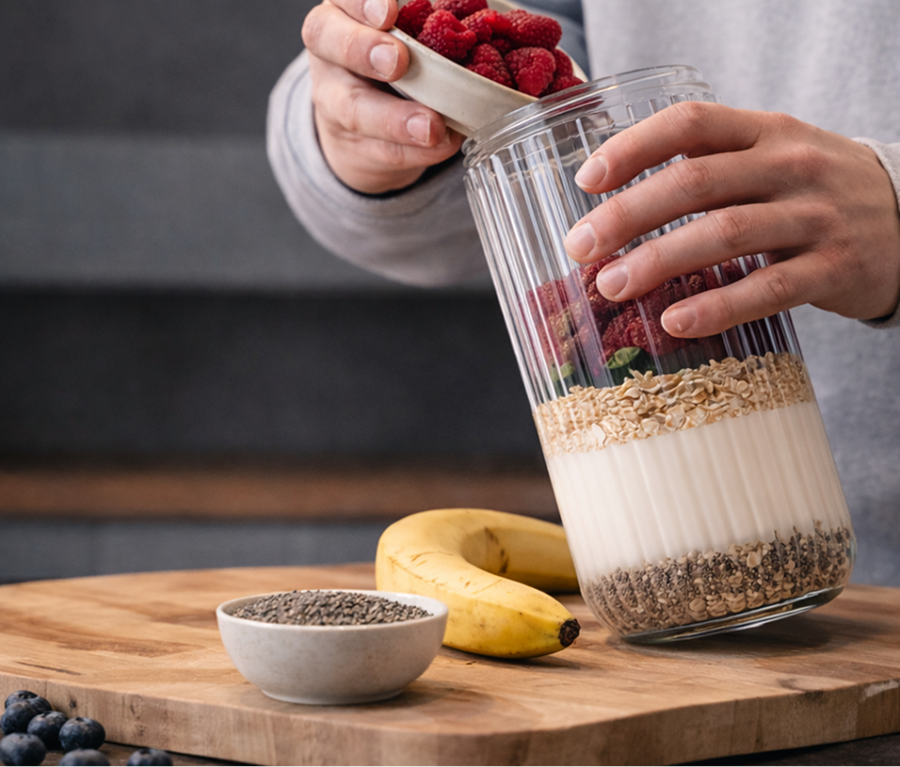
Add it to smoothies, stir it into oatmeal, use it in baking, or blend it into a warm drink with a splash of oat milk and a touch of honey. You're getting the full antioxidant profile, the magnesium, the theobromine, and the mood-boosting compounds—all without the sugar and processing of conventional chocolate.
Around 1–2 tablespoons (5–10g) per day is the most commonly recommended starting point and is plenty for most people to get meaningful antioxidants, magnesium, and mood benefits.
Cacao nibs are simply crushed cacao beans.
They have a crunchy texture and a slightly bitter, deeply chocolatey flavor. Toss them into trail mix, sprinkle them on yogurt or acai bowls, or eat them straight as a snack. They're the whole food in its most recognizable form without additives or sweeteners—just the bean.
Roughly 1–2 tablespoons per day is a good target, in line with typical cacao powder recommendations.
If you’re going with dark chocolate, make sure it’s 85%+ cacao.
Most studies showing health benefits used about 20–30 grams per day, which works out to roughly 1–2 small squares or about 1 ounce. More than that and you start tipping the calorie and sugar scales the wrong way.
For all of the above, go organic when possible. Look for certifications like USDA Organic, Fair Trade, or Regenerative Organic Certified.
Now We Know
Now we know two important things: 1. Chocolate is, in fact, good for you. 2. Chocolate makes you happy.
So we can have nice things.
You’re welcome.
Disclaimer: This newsletter is provided for educational and informational purposes only and does not constitute providing medical advice or professional services. The information provided should not be used for diagnosing or treating a health problem or disease, and those seeking personal medical advice should consult with a licensed physician.