HRV
Jeff Krasno
Longevity
Recovery
Stress
Physical Recovery Q&A with Jeff Krasno
December 12, 2025

December 12, 2025
Last Saturday, we looked at recovery through a different lens. Not as rest. As preservation. As the daily work that keeps your body from slowly slipping out from under you. When you recover well, you buy more years of performance, clarity, and mobility.
Missed it? You can catch up on the Recovery Revolution Deep Dive here.
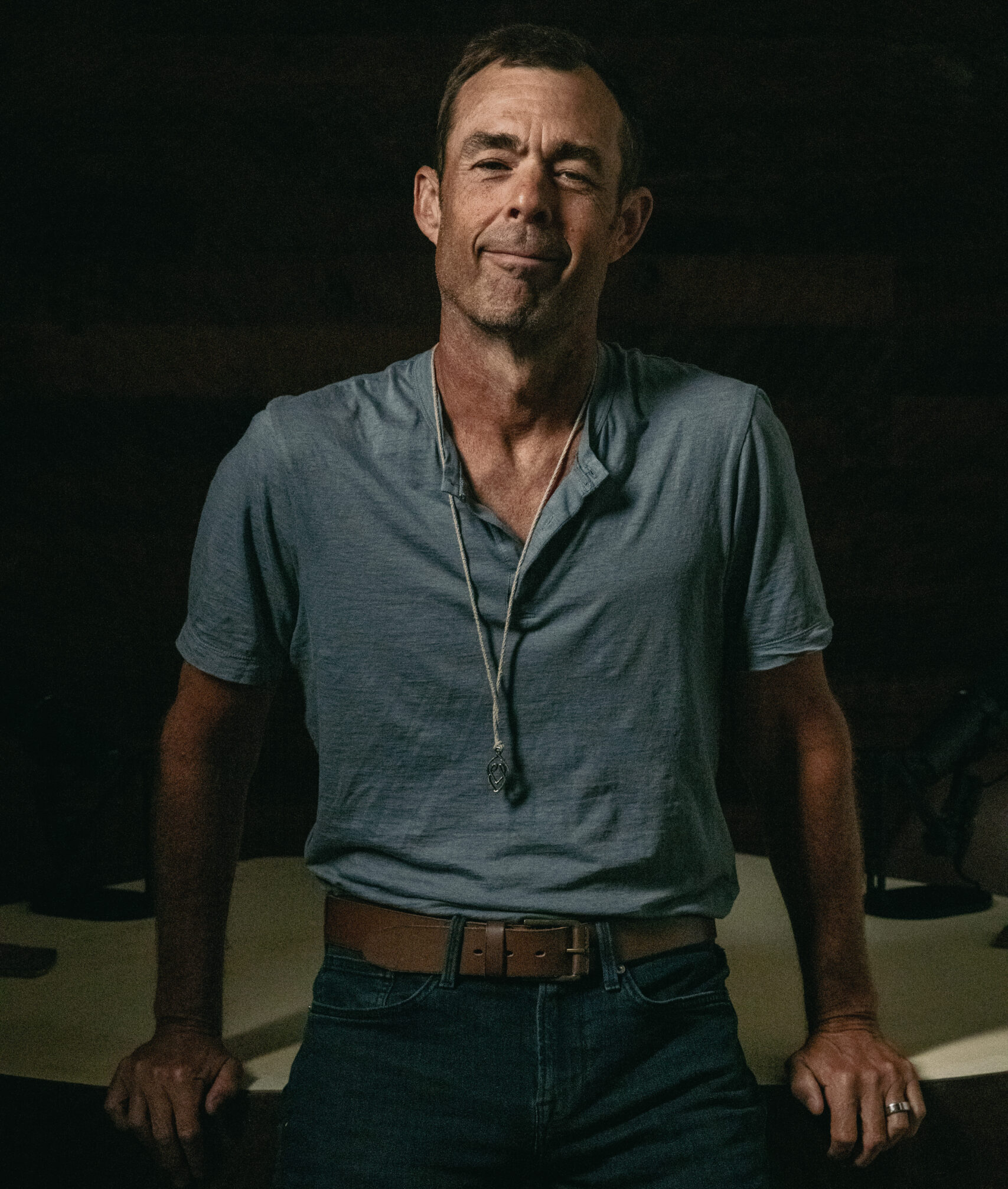
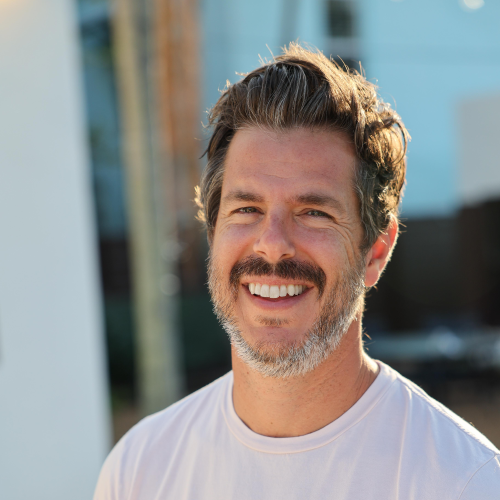
This week, we brought your biggest questions to our expert, Jeff Krasno. Jeff is a writer, speaker, and community builder known for his work at the intersection of well-being, culture, and personal growth.
He is the founder of Commune, a global learning platform dedicated to helping people live healthier, more connected lives. He hosts the widely respected Commune Podcast, where he explores ideas in mindfulness, health, spirituality, and the human condition with leading thinkers and teachers.
He is also the author of Good Stress, a book that reframes how we understand challenge, resilience, and the biology of thriving. His work centers on the idea that stress is not something to avoid but to engage with skillfully, using it as a catalyst for growth, clarity, and strength.
Jeff is a featured presenter at Eudēmonia, where he helps to facilitate hard but necessary conversations, like our 2025 panel, “Are We Really Making America Healthy Again?” He shares insights on resilience, recovery, and nervous system mastery with audiences seeking a deeper, more sustainable approach to health.
Through his writing, teaching, and the Commune community, Jeff has become a trusted voice for anyone seeking a more grounded, meaningful, and resilient way of living.
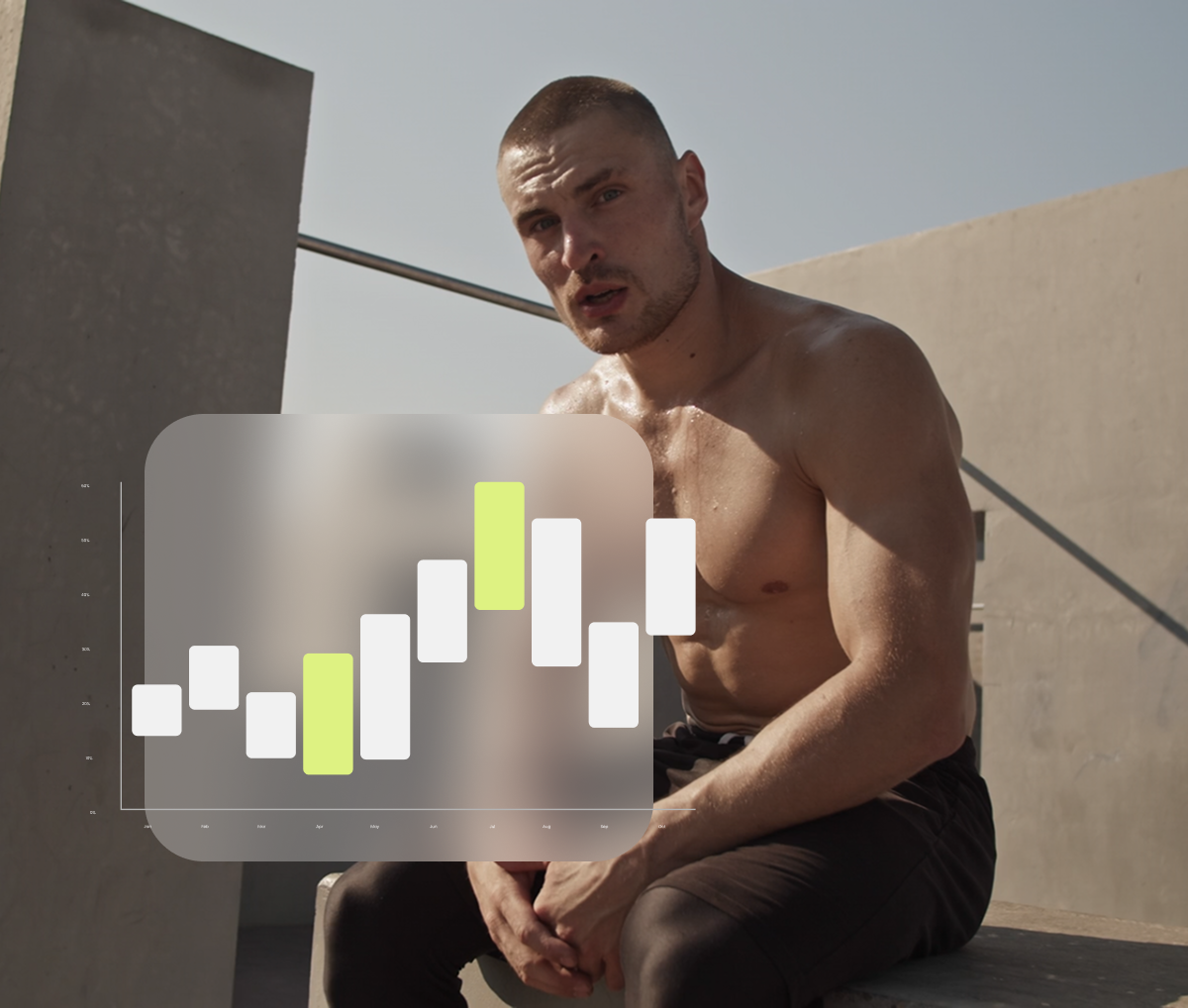
Subjectively, recovery feels like a pep in your step, a desire to move, clear thinking and peace of mind. Objectively, recovery looks like a good HRV score*, 1.5 hours of slow wave sleep, and 2 hours of REM.
*A good HRV score is one that’s high for you and trending upward over time, since individual baselines vary. In general, many healthy adults land somewhere in the 50–90 ms range, and consistently higher numbers usually signal better recovery and resilience.
When I hit my sleep window (when my body is naturally releasing melatonin) and when I take my last bite of food three hours before I hit the pillow, I almost always wake up refreshed and restored.
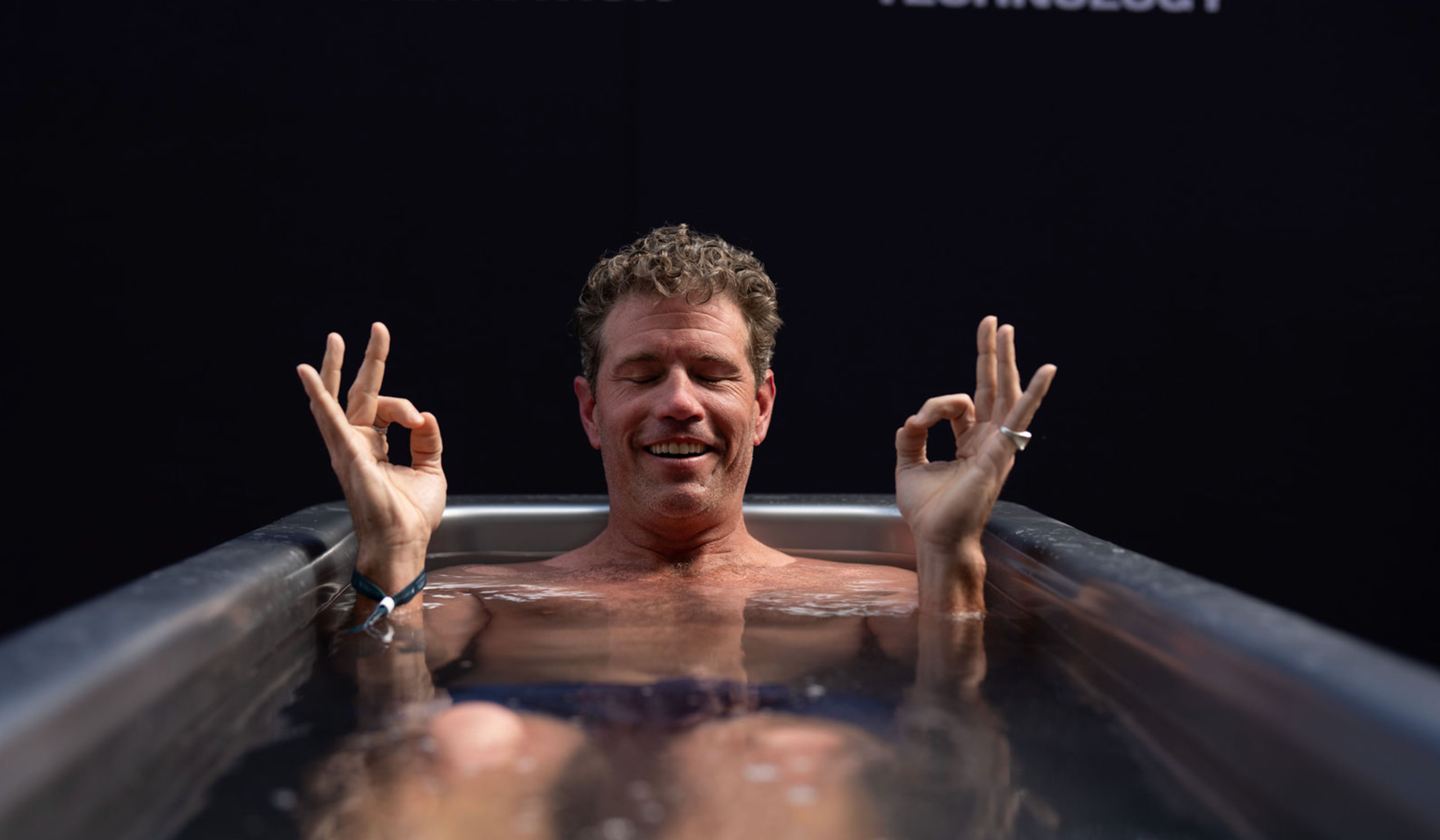
Ironically, the right dosage of stress (deliberate heat and cold, resistance training and a little time-restricted eating) confers real recovery benefits. Short-term stress generally produces long-term ease.
Low heart rate variability (anything below 40) is a good metric for poor recovery. Resting heart rate is another decent metric. Subjectively, poor recovery manifests as fatigue, brain fog, poor decision making, and general irritability
Growth and repair are mutually interdependent. They are in a yin-yang relationship. This is most obvious in muscle hypertrophy. You overload a muscle and micro-tear its fibers. This stimulates an immune response that summons proteins that are necessary for muscle synthesis. You give that muscle a little rest and eat high-quality protein (especially the amino acid leucine) and the muscle grows back bigger.
Stress → repair → growth.
This process is echoed in so many aspects of physiology and psychology.
Muscle!
For years, I was all about chronic cardio. I could expiate all my sins with 45 minutes on the elliptical at 6:00 p.m. (after a day sitting at my desk).
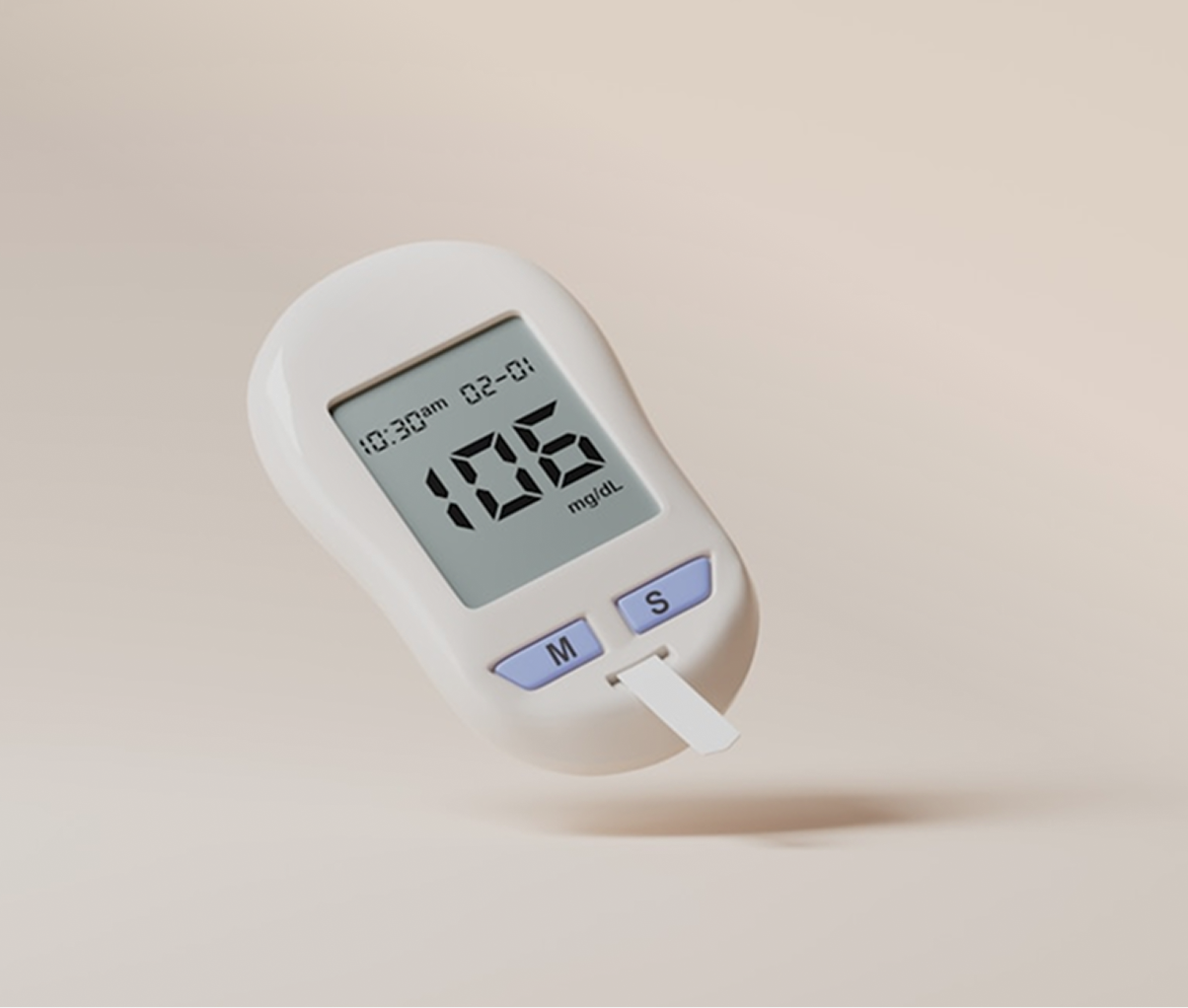
There’s nothing better for your metabolism than building muscle. It’s a glucose sink. Building muscle also enhances cognition and insulin sensitivity. Muscle is a biological savings account. It stores amino acids that you need to repair tissues, make immune cells and produce neurotransmitters.
Building muscle also increases bone density and prevents falls. In fact, it’s the strongest indicator for lifespan and health span!
Who knew I’d be a gym rat?
The views expressed by our expert are entirely their own. There is no financial, professional, or organizational affiliation between the expert featured in this Q&A and our sponsor.
Disclaimer: This newsletter is provided for educational and informational purposes only and does not constitute providing medical advice or professional services. The information provided should not be used for diagnosing or treating a health problem or disease, and those seeking personal medical advice should consult with a licensed physician.
March 27, 2026
March 21, 2026
March 13, 2026
March 6, 2026
February 28, 2026
February 21, 2026
February 14, 2026
February 7, 2026
January 23, 2026