Brain health
Mental Health
Psychedelics
The Psilocybin Q&A with Robin Carhart-Harris
February 20, 2026
February 20, 2026
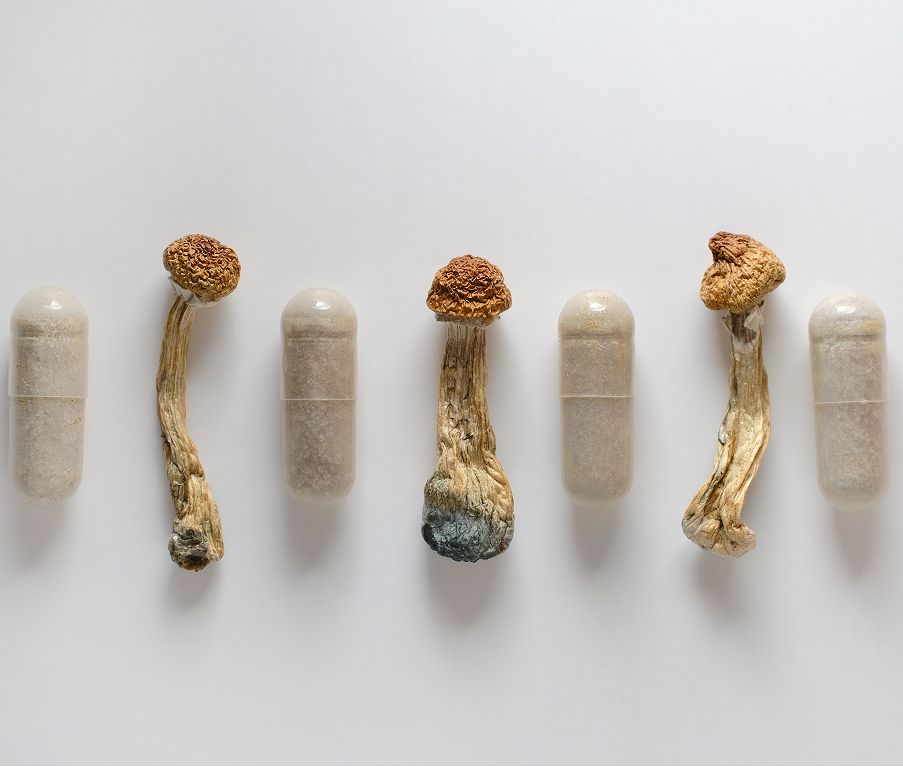
Last week, we explored the renaissance of psilocybin. We explored how respected research institutions and clinicians are studying its therapeutic use in structured, supervised settings and how the conversation is expanding beyond mental health into effects on neuroplasticity, long-term brain health, and healthy aging.
Missed it? You can still catch up on The Psilocybin Issue.
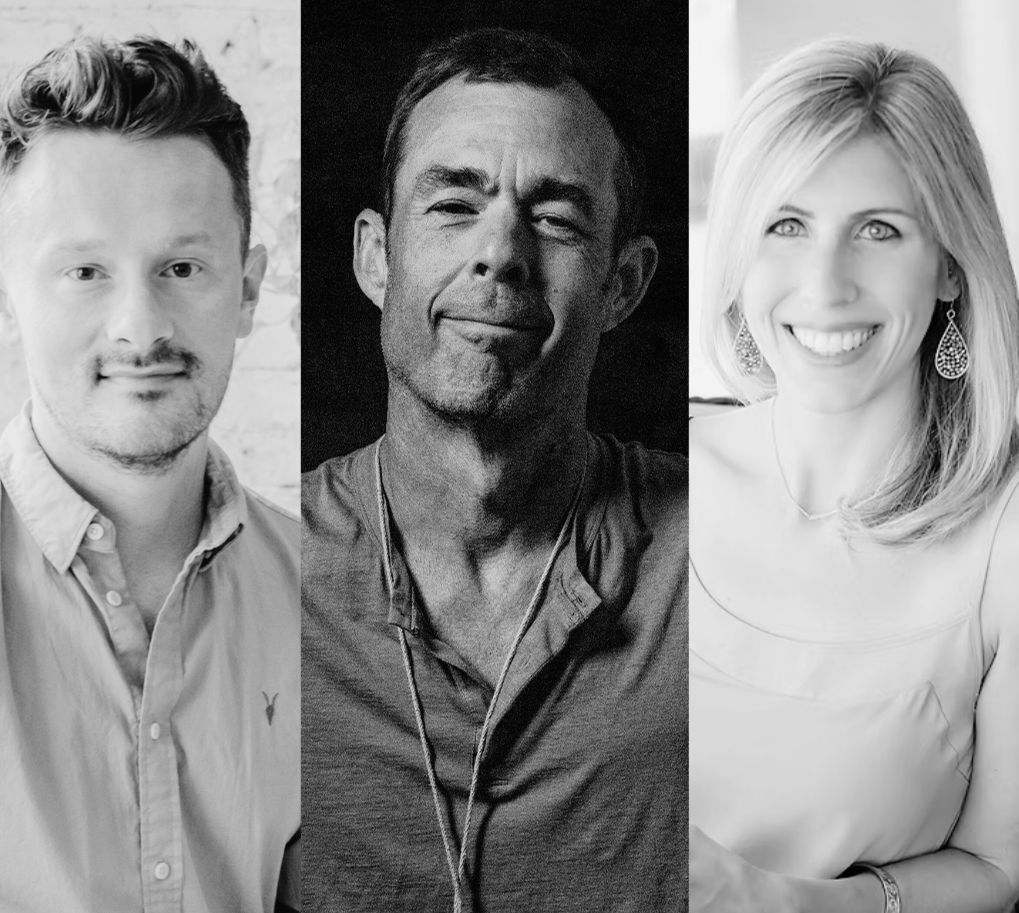
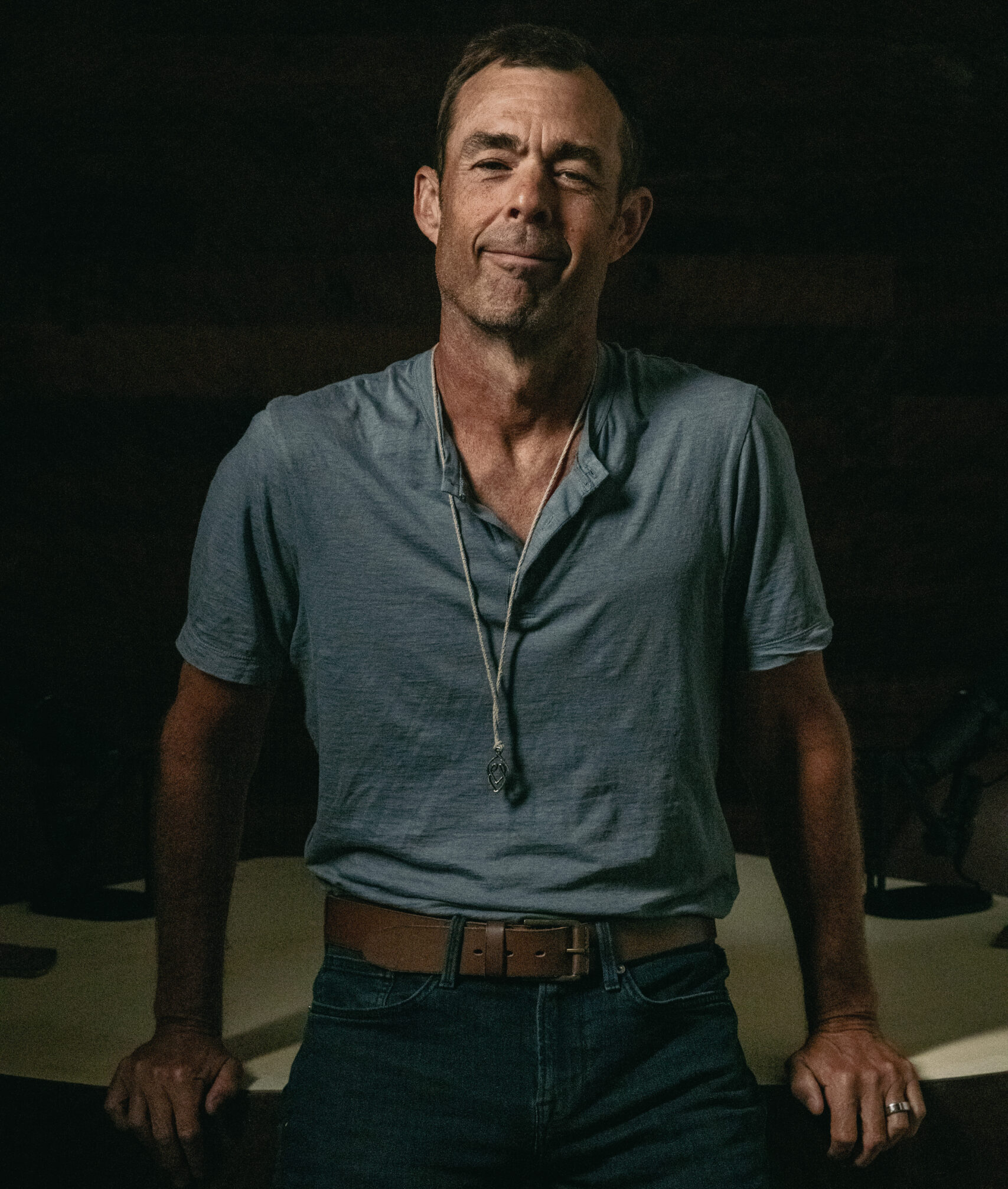
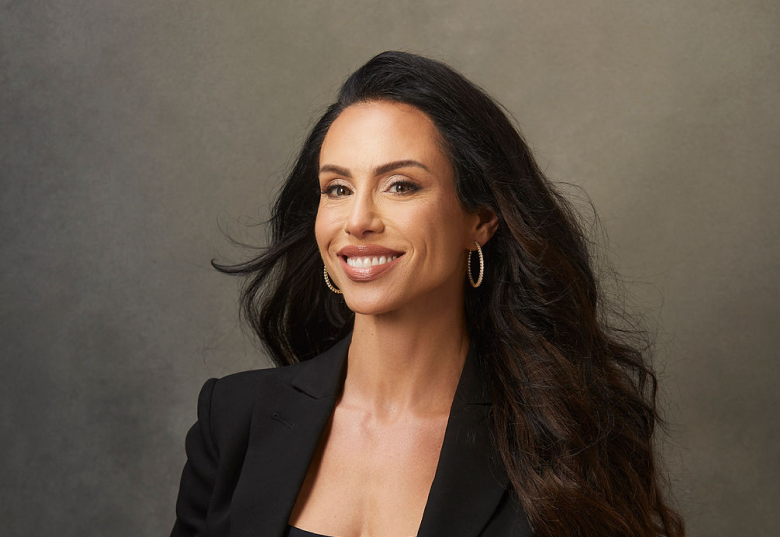
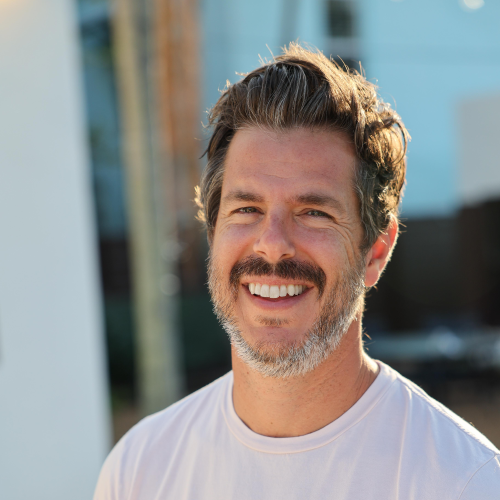
Today, Professor Robin Carhart-Harris, Eudēmonia Summit expert and a leading voice in the world of psychedelics and psychedelic-assisted therapy, takes on your questions.
Dr. CH became the Ralph Metzner Distinguished Professor in Neurology and Psychiatry at University of California, San Francisco (UCSF) in 2021. He founded the Carhart-Harris Lab at UCSF in 2023.
His lab’s research focuses on the mechanisms of action of psychedelics and psychedelic-therapy. Dr. CH obtained his PhD in psychiatry and psychopharmacology from the University of Bristol in 2008, after which he moved to Imperial College London.
With colleagues, he completed multimodal human functional neuroimaging studies with LSD, psilocybin, MDMA, DMT, and 5-MeO-DMT, and clinical trials of psilocybin therapy for depression, anorexia, and fibromyalgia syndrome.
In April 2019, Dr. CH founded the Centre for Psychedelic Research at Imperial College London, the first of its kind. He spoke at the World Economic Forum (WEF) in Davos in 2019, was listed in Time’s “100 Next” in 2021 and Vox’s “Future 50” in 2023.
His first book, How Psychedelics Work: Illuminating the Hidden Mind, will be published by Scribner and Ebury in 2026. You can subscribe to Dr. CH's newsletter for information on how to pre-order.
That’s a great question. Well, we do get an informal sense pretty early on. A colleague of mine once called those who seem especially “ripe” for this treatment "peaches."
Such people are open-minded and receptive. They may be thoroughly depressed or suffering in some other way (e.g., with an addiction), but they’re still open to learning and engaging in the treatment. For example, they might share personally revealing information in the psychological preparation sessions and be otherwise compliant with procedures.
Formally, we find that people who score high in a personality trait known as “absorption” do well. I think it’s because such people are open to lowering their defence mechanisms to trust the process—despite feelings of fear—and engage in a transformative treatment process.
Flipping this principle on its head, especially guarded, emotionally volatile and relationally prickly individuals may be not as well suited to this treatment, especially if they have a poor support network around them.
Mental health care is being rewritten, and it’s happening in Colorado.
The Wholeness Center in Fort Collins, Colorado, is the only licensed psilocybin-assisted therapy program in the country operating inside a full-service mental health clinic.
That distinction changes everything.
Most psychedelic therapy ends when the session ends. At Wholeness, it's just the beginning.
Preparation, facilitation, and integration are embedded within a true clinical ecosystem of licensed therapists, with ongoing support from a team that knows your history. This is real therapy with real continuity.
Healing from depression, trauma, or addiction isn't about one profound experience. It's about what happens in the days, weeks, and months that follow. Because real psychedelic therapy doesn't end when the session does—it deepens through follow-up, personalized treatment plans, and structured integration.
This is what responsible, effective psychedelic care looks like. And Wholeness is leading it.
To learn more about psilocybin therapy, the Wholeness method, and their amazing team, please visit their website.
Look for real clinical credentials, proper training, and a proven track record in mental health care—not a place that just gives people psychedelics. Ask direct questions about screening, preparation, integration, and what they do if a session does not go according to plan.
Then just pay attention to how they respond, because if they are receptive to that kind of inquiry, that’s usually a very good sign.
What excites me most is the prospect of regulatory approval and a real crossover into mainstream healthcare, because that would signal that these treatments have met modern standards of safety and efficacy. If handled well, it could allow psychedelic therapies to move into established clinical systems rather than staying on the margins, with proper training and oversight in place. That would be huge news for the space.
That said, the transition likely won't be simple or smooth, and the field will need to grow up responsibly as it scales. But I have hope.
The views expressed by our expert are entirely their own. There is no financial, professional, or organizational affiliation between the expert featured in this Q&A and our sponsor.
Disclaimer: This newsletter is provided for educational and informational purposes only and does not constitute providing medical advice or professional services. The information provided should not be used for diagnosing or treating a health problem or disease, and those seeking personal medical advice should consult with a licensed physician.
February 20, 2026
February 14, 2026

February 6, 2026

January 31, 2026
January 23, 2026

January 21, 2026
January 16, 2026
January 9, 2026