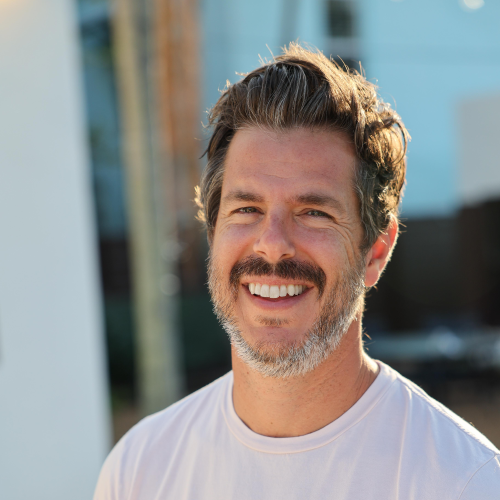
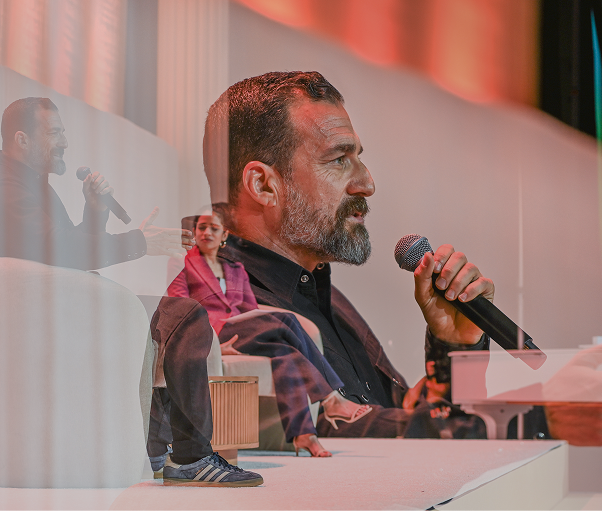
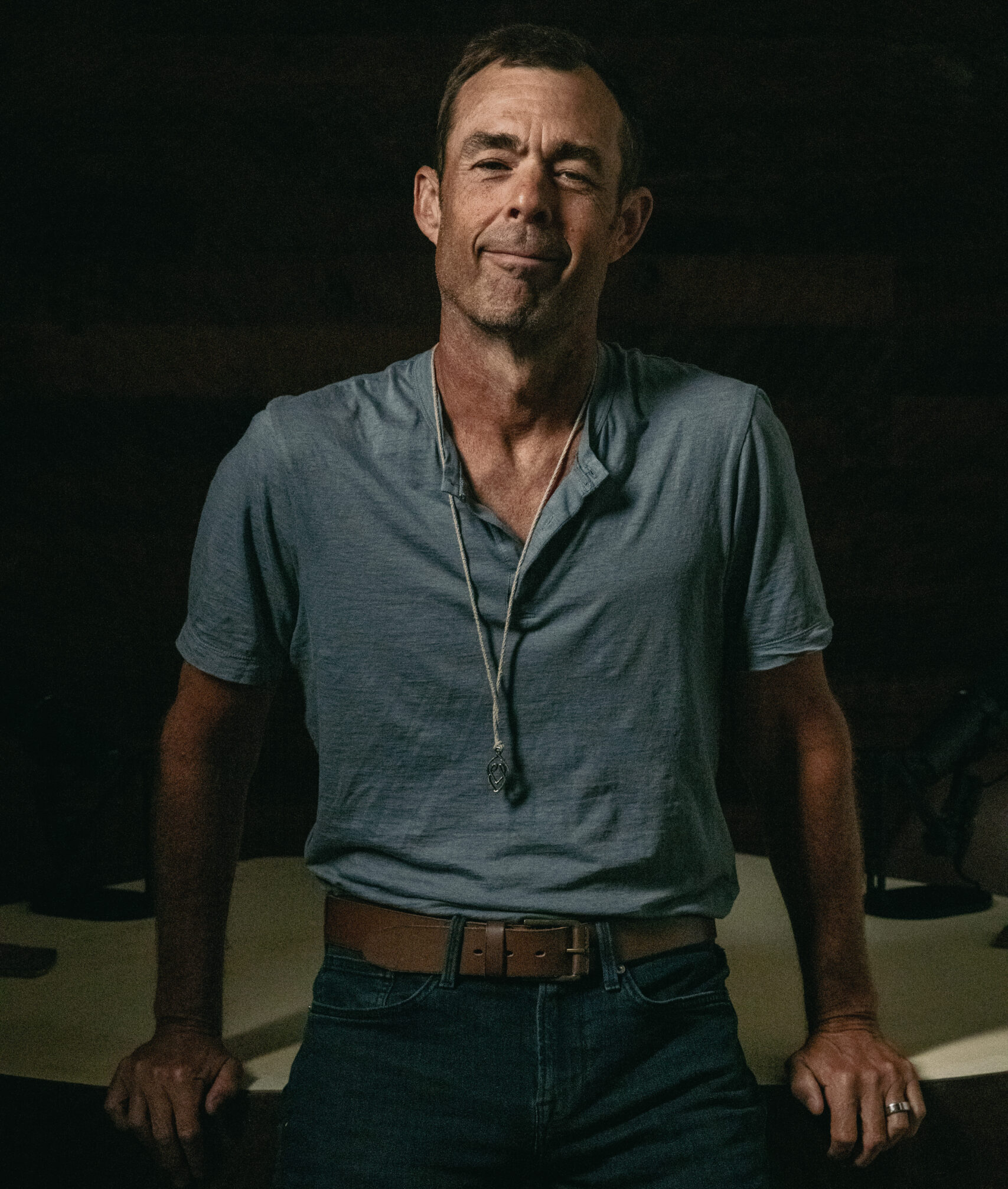
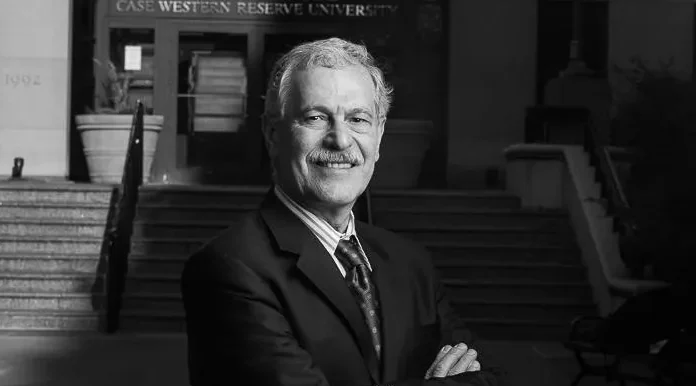
Siggi Clavien is a visionary entrepreneur dedicated to advancing liver health through innovative solutions. As the founder and CEO of The Liver Clinic and de-liver-ance, Siggi leads a mission-driven team of chemists, scientists, and medical professionals focused on preventing and treating liver diseases globally.
Siggi’s background combines viticulture from UC Davis, plant medicine from Cornell University, and a deep understanding of traditional herbal medicine and biotechnology. His personal commitment is fueled by the tragic loss of loved ones to liver disease, driving his passion to create a world free from chronic liver-related conditions.
Q. Since the liver is now part of the wellness conversation in many circles, what is considered good “liver hygiene” these days?
When people talk about “liver hygiene,” it’s important to move away from the idea of detox cleanses. The liver already performs detoxification incredibly efficiently. What it needs most is consistent, healthy habits rather than periodic extremes.
Moderation with processed foods, pharmaceuticals, and alcohol is paramount, as is maintaining good metabolic health. Staying physically active, keeping a healthy body weight, and managing blood sugar all help reduce the risk of fatty liver disease. Keep moving!
Diet also plays a critically important role. A balanced diet rich in vegetables, fiber, and whole foods supports liver function, while highly processed foods and excess sugars should be very limited.
Finally, it’s important to be mindful of medications and supplements, since many are processed by the liver. Responsible informed use helps avoid unnecessary strain. In short, good “liver hygiene” is really about long-term lifestyle habits that support our overall metabolic health.
A Message from Our Partner
How much attention do you actually give your liver?
That question matters more than most people realize. Your liver is one of your body's most important organs. Metabolic dysfunction associated fatty liver disease (MASLD) now affects nearly 40% of adults in the Western world, often developing long before people notice symptoms.
It doesn't get as much care and attention as your heart, your gut, or your brain. But it should.
That’s the idea behind de-liver-ance®, a natural antioxidant elixir developed over two decades to support liver health. It blends plant extracts, herbal compounds, and honey into a daily tonic designed to improve all 500+ functions your liver performs daily, so you can have better skin, a stronger immune system, and more mental clarity. Because when the liver functions well, many other things improve.
And if you’re curious how your liver is actually doing, The Liver Clinic will offer FibroScan® testing at this year's Eudēmonia Summit. FibroScan® is a quick, non-invasive scan that measures liver fat and stiffness, allowing you to see real data about your liver health and track progress over time.
Get 20% off your first order using the code: Eudemonia
Q. I take a ton of supplements every day—powders, herbs, peptides, etc. Does that interfere with the liver at all? At what point does that become too much for the liver to handle?
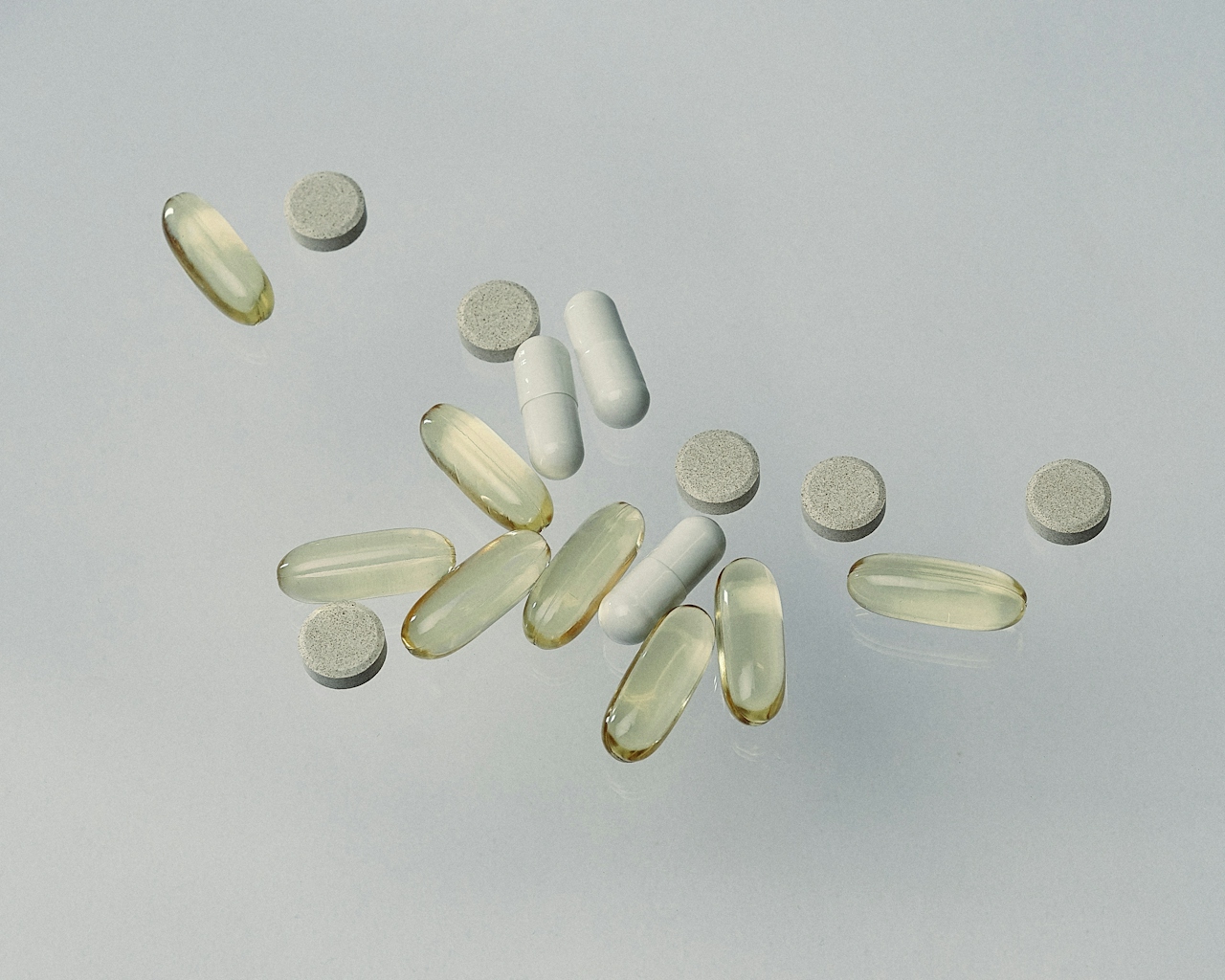
The liver is the central organ for metabolizing many substances we ingest, including medications, herbal products, and dietary supplements. So yes, in principle, a large number of supplements can place additional metabolic demand on the liver. Too much of anything is not a good idea—except laughter.
The challenge is that many supplements are not studied as rigorously as pharmaceuticals, and people often combine several of them at the same time. In those situations, it becomes difficult to predict interactions or cumulative effects, especially as there are lots of fillers and non-disclosed ingredients in supplements. Most individuals tolerate reasonable amounts without problems. But when the number and doses increase, the risk of liver stress or injury also increases. Always go for quality, not quantity.
From a clinical perspective, we do see cases of liver injury associated with supplements, particularly when products are taken in high doses or in complex combinations. The difficulty is that there is no precise number at which it suddenly becomes “too much.” It depends on the specific compounds, their doses, and the individual’s metabolic capacity. Everyone is different. The best thing you can do is be mindful and listen to your body.
My general advice is to keep supplementation as simple and purposeful as possible with the best products and the best quality. If someone is taking a large stack of products, it is wise to periodically review them, reduce unnecessary ones, and monitor liver enzymes through routine medical testing especially Liver scans like we do at The Liver Clinic. The liver is remarkably resilient, but it does better when we avoid unnecessary metabolic load and look after it.
Q. I sometimes wonder how much damage my liver might already have from things I did in my twenties. Is the liver really capable of healing decades later, or is some of that damage permanent?
The liver is quite remarkable in its ability to regenerate and recover. It is the only organ that can fully regenerate. In many cases, if the harmful exposure—such as heavy alcohol use, certain medications, or metabolic stress—stops, the liver can repair itself even years later. We often see patients whose liver function improves significantly once the underlying stress on the liver is removed. The average age of your liver is about three years old, so by the time you’re in your twenties, you’ve already had several full regenerations.
However, this depends on the degree of damage that occurred. Early changes, such as fatty liver or mild inflammation, are often reversible, which is what we work on all the time with de-liver-ance and our protocols. But if the injury progressed to significant scarring—what we call fibrosis or cirrhosis—some of that structural damage can become permanent. At that point, it becomes a much bigger issue and more challenging to heal.
That said, even in those situations, stopping the damaging factor can still stabilize the liver and sometimes allow partial improvement. So the important message is that it is rarely “too late” to support liver health. The liver has a tremendous capacity for recovery, particularly when given the right conditions and love over time.
Q. There’s so much talk about “detoxing the liver.” There are juice fasts, supplements, and cleanses. Is there any real science behind the idea of detoxing your liver, or is that mostly someone trying to sell me something?
In medicine, we don’t really use the term “detoxing the liver,” because detoxification is already one of the liver’s primary functions. Every second of every minute of every day, it processes medications, alcohol, metabolic byproducts, and environmental substances. In that sense, the liver is continuously “detoxing” the body on its own. It’s a perpetual cycle of protection and regeneration.
Most commercial detox programs—juice fasts, cleanses, or supplement regimens—have very little scientific evidence showing that they improve liver function in otherwise healthy people. Many of these products are marketed with strong claims, but the data behind them is usually quite limited.
What actually supports the liver is much more straightforward: moderation with toxins, maintaining a healthy body weight, regular physical activity, and a balanced nutritious diet. These are the things that consistently show benefits in clinical and epidemiological studies.
So I would say the concept of “detoxing” the liver through special cleanses is largely a marketing idea. The liver generally does not need to be detoxed; it needs to be protected from chronic stress over time. It needs to be given ideal support, love, and intention. Then bolstered with great modalities like grounding (anti-inflammatory), sweating and using infrared saunas (natural detoxifying), positive environments, positive people, and low stress.
Disclaimer: This newsletter is provided for educational and informational purposes only and does not constitute providing medical advice or professional services. The information provided should not be used for diagnosing or treating a health problem or disease, and those seeking personal medical advice should consult with a licensed physician.