There is a nutrient that reduces your risk of dying from any cause by almost 30%. It protects your heart, lowers your blood sugar, feeds your brain, regulates your immune system, and appears to be one of the most consistent predictors of longevity across populations and continents.
The research on it spans hundreds of millions of people. The data, by most measures, is stronger and more consistent than the evidence for almost any other single dietary intervention.
It’s unlikely you’re ordering tubs of it. Nobody brags about hitting their target. There is no influencer culture built around it.
It’s fiber. And most of us are drastically under-eating it.
The average American gets somewhere around 15–16 grams per day. The recommended daily intake is 25–30 grams for most women and 28–34 grams for most men. The intake level associated with optimal longevity outcomes in research is likely closer to 40–50 grams or higher. For most people, it represents one of the largest and most correctable deficits in their entire diet.
Fiber affects far more than digestion. If you’ve been optimizing sleep, training, stress, and supplementation while overlooking fiber, you may be missing a fundamental lever that influences all of them.
What Is Fiber?
Fiber is a type of carbohydrate that your body cannot digest. Your body doesn’t have the enzymes to break it down in the small intestine, so it passes through largely intact and arrives in the colon, where trillions of bacteria are waiting to ferment it. When gut bacteria ferment dietary fiber, they produce compounds called short-chain fatty acids, or SCFAs—primarily acetate, propionate, and butyrate. These three molecules are the active ingredient fiber has been delivering all along.
Butyrate fuels the cells lining your colon and helps maintain the integrity of the gut barrier. It also regulates inflammation and gene expression and has been linked to lower rates of colorectal cancer. Propionate supports glucose regulation and plays a role in cholesterol metabolism. Soluble fiber also directly lowers LDL cholesterol by binding bile acids, a mechanism strongly associated with reduced cardiovascular risk. Acetate circulates systemically and contributes to energy balance and satiety signaling.
This is the mechanism behind fiber’s extraordinary epidemiological record. Fiber is not simply roughage for digestion. A fiber-rich diet sustains a microbial ecosystem that influences metabolic health, cardiovascular risk, immune regulation, and long-term disease outcomes across the entire body
A Message from Our Partner
95% of American adults don’t get enough fiber
That's almost everyone.
As we're learning today, fiber isn't optional; it's foundational. It feeds your gut microbiome, which influences inflammation, blood sugar, cholesterol, immune signaling—even mood. Higher fiber intake is associated with a roughly 25% reduction in all-cause mortality risk.
The minimum recommendation is 25–30 grams per day. Some research suggests 40–50 grams may be even better.
Most don't get close, and achieving that through food alone isn't always realistic.
That's where Momentous Fiber+ comes in.
It’s a triple-pathway formula: soluble fiber to help regulate blood sugar and cholesterol, insoluble fiber to support digestion, and resistant starch to feed beneficial gut bacteria. Each serving delivers 6 grams of well-tolerated, functional fiber to help close the gap.
And unlike most fiber supplements, Fiber+ actually tastes good.
Visit Momentous and use code EUDEMONIA for 35% off your first Fiber+ subscription order, or 14% off a one-time order.
What Chronic Fiber Deficiency Is Actually Doing to You
It’s hard to overstate the importance of dietary fiber.
If you looked at a list of the most common chronic conditions in the modern world, fiber deficiency would be implicated in nearly every one of them.
Here’s what the research consistently links to chronically inadequate fiber intake:
- Insulin resistance and type 2 diabetes
- Cardiovascular disease
- Colorectal cancer
- Gut dysbiosis and intestinal permeability (leaky gut)
- Cognitive decline and mood disorders
- Obesity
- Diverticulosis
- Elevated LDL cholesterol
- Hormonal disruption
Read that list again.
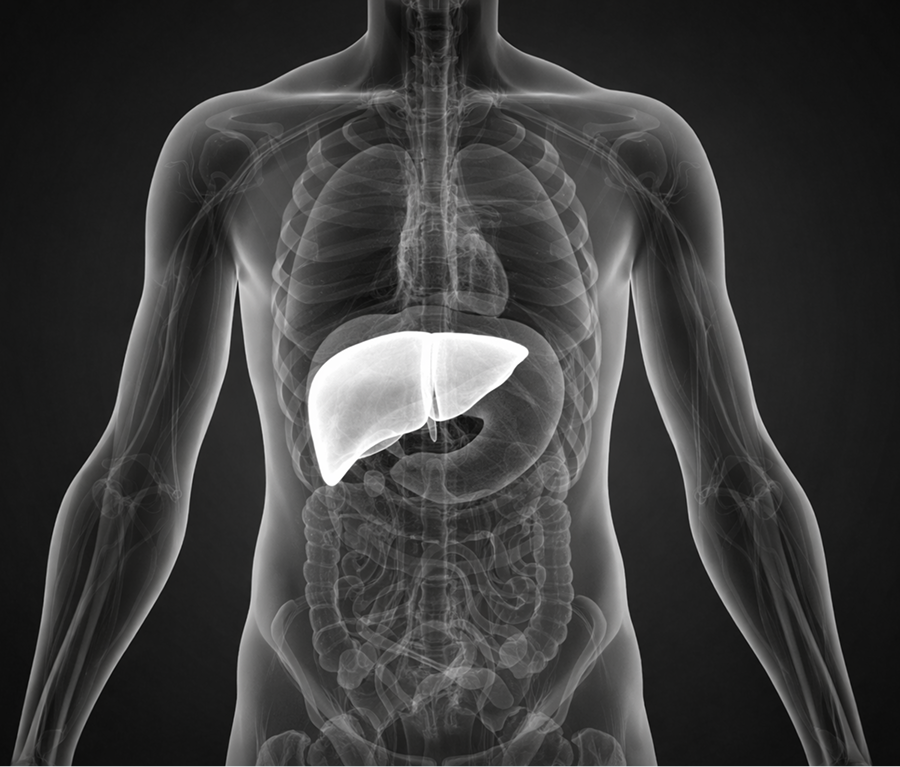
What it describes is not a collection of unrelated conditions. It is a single biological environment—a gut ecosystem starved of its primary substrate—expressing itself across every system in the body. The heart, the brain, the liver, the immune system, the endocrine system. All of them, to varying degrees, downstream of what’s happening in your colon.
This is what it means to say that so much of chronic disease is downstream of fiber.
Chronic inflammation is the common thread running through nearly everything on that list. When fiber intake is low, beneficial gut bacteria decline. The gut barrier weakens. Bacterial fragments can enter circulation and keep the immune system slightly activated over time. That persistent, low-grade inflammation is strongly linked to cardiovascular disease, metabolic dysfunction, neurodegeneration, autoimmunity, and accelerated aging.
If inflammation sits at the root of modern chronic disease, inadequate fiber is one of its most consistent and most correctable upstream drivers.
The corollary is simple: restoring adequate fiber intake may be one of the most leverageable interventions available for shifting that entire biological environment in the opposite direction.
What the Research Shows
The research on fiber is extensive and consistent.
A 2025 umbrella review in Clinical Nutrition pooled data from 33 meta-analyses representing more than 17 million individuals. Of the 38 health outcomes examined, 76% showed a significant inverse association between higher fiber intake and disease risk. The evidence linking fiber to lower cardiovascular mortality, pancreatic cancer, and diverticular disease reached the highest category of certainty, classified as “convincing.” Protection against all cause mortality was rated “highly suggestive,” just one tier below, and still among the strongest and most consistent signals in nutritional science.
A large-scale analysis that followed 86,642 participants over more than 1.4 million person-years found that those consuming the most fiber had a 29% lower risk of death from any cause compared to those consuming the least. The reduction in cardiovascular mortality was even greater.
A 2025 analysis of NHANES data found a clear threshold effect. Below roughly 22 grams per day, every additional 5 grams of daily fiber intake was associated with a 7 % reduction in all-cause mortality risk. When comparing people with the highest fiber intake to those with the lowest, cardiovascular mortality was 39% lower.
To put that in perspective: across large cohort studies, higher fiber intake is associated with cardiovascular mortality reductions of a similar order of magnitude to those seen with statins in high‑risk patients, and can be achieved via food.
Higher fiber intake is linked to lower risk of type 2 diabetes, stroke, colorectal cancer, breast cancer, hypertension, kidney disease, and metabolic syndrome.
That’s how powerful fiber is.
Fiber and Insulin Resistance
Insulin sensitivity is one of the first dominoes in the metabolic cascade. When it shifts toward resistance, nearly every biological system downstream feels it. Insulin resistance is what happens when your cells stop responding well to insulin’s signal to absorb glucose. The pancreas compensates by producing more. Over time, that excess insulin drives inflammation, fat gain, and Type 2 diabetes. From there, the risks extend to heart disease, cognitive decline, fatty liver, and accelerated aging.
Solve for insulin resistance, and some things clear up on their own. Fiber works against insulin resistance through several distinct and complementary mechanisms.
The most immediate is physical. Soluble fiber forms a gel in the small intestine that slows how quickly glucose enters the bloodstream and prevents spikes. Without enough soluble fiber, over years, those repeated spikes are what strain the pancreas and push metabolism toward insulin resistance. The more soluble fiber you consume, the stronger the effect, particularly with beta glucan from oats and barley, psyllium, and pectin. If you wear a continuous glucose monitor, fiber is one of the most reliable ways to smooth the line in real time.
As mentioned earlier, fiber’s fermentation impacts matter just as much. Propionate helps regulate glucose production in the liver, while butyrate strengthens the gut barrier and reduces the inflammatory signals that interfere with insulin action. When the gut barrier breaks down, bacterial fragments enter circulation and impair insulin signaling. Fiber is one of the primary dietary tools for preventing that sequence of events.
The third mechanism is its effects on GLP-1.
GLP-1 is an incretin hormone released from the gut in response to food. It stimulates insulin, suppresses glucagon, slows gastric emptying, and reduces appetite. It is also the pathway targeted by drugs like Ozempic and Wegovy, now among the most commercially successful medications in history.
Dietary, fermentable fiber increases the body’s own GLP-1 production. When gut bacteria break down fiber, they produce short chain fatty acids that signal cells in the gut lining to release more GLP-1. In practical terms, eating fiber stimulates the same appetite and blood sugar regulating hormone that blockbuster weight loss drugs are designed to mimic.
The gut, given the right substrate, can produce its own metabolic signals. And for individuals using GLP-1 medications, a well nourished microbiome may enhance both effectiveness and tolerability.
High fiber intake is consistently linked to a 20–30% lower risk of developing Type 2 diabetes in large cohort studies. Whole-grain fiber shows a clear dose-response pattern, meaning the more people consume, the lower their risk. Major long-term studies, including the Nurses’ Health Study and the Health Professionals Follow Up Study, find that those eating the most fiber have substantially lower diabetes rates. Importantly, the association remains even after adjusting for body weight, physical activity, and overall diet quality.
Fiber isn't just metabolically protective. In the context of the insulin resistance epidemic, it may be one of the most powerful and accessible corrective tools we have.
Soluble vs. Insoluble: Why You Need Both
Fiber isn’t one thing. The two primary categories (soluble and insoluble) work through different mechanisms, affect different systems, and are not interchangeable. Most people are deficient in both, but they're deficient in different ways, for different reasons, with different consequences.
Soluble fiber dissolves in water and forms a thick, gel-like substance in the gut. It slows the rate at which food leaves the stomach, flattens post-meal glucose spikes, and binds bile acids, helping lower LDL cholesterol. As we mentioned above, it is also highly fermentable. Gut bacteria convert it into short chain fatty acids, particularly butyrate, which support gut barrier integrity, regulate inflammation, and influence metabolic signaling throughout the body.
In practical terms, soluble fiber is responsible for much of fiber’s metabolic and microbiome impact.
Key sources: oats, barley, legumes (beans, lentils, chickpeas), apples, pears, citrus, psyllium husk, flax seeds, chia seeds, and root vegetables.
Insoluble fiber does not dissolve in water. It is also less fermentable, so it doesn’t drive the microbiome effects the way soluble fiber does.
Its role is structural and functional. It increases stool volume and structure, helps move material through the intestine more efficiently, lowers pressure inside the colon, and supports consistent elimination. These effects may sound simple, but they matter. They are a major reason higher fiber intake is linked to lower rates of constipation, diverticulosis, and part of the protective signal seen in colorectal cancer research.
A gut that moves well tends to stay healthier over decades.
Key sources: wheat bran, whole grains (brown rice, quinoa), the skins of fruits and vegetables, nuts, seeds, and green vegetables like broccoli and green beans.
How to Actually Close the Gap
Fiber exists only in plant foods. Every gram you consume comes from a plant: a legume, a grain, a vegetable, a fruit, a nut, or a seed. Animal products contain no fiber at all. This might be obvious, but it’s worth reiterating.
Getting from 12 grams to 40+ grams per day is less dramatic than it sounds, but it requires intention—and a clear picture of which foods are doing the most work. The single most important thing to understand before diving into the specifics: go slow.
Dramatically increasing fiber intake too quickly causes gas, bloating, and discomfort that leads most people to blame fiber rather than pacing. Increase by roughly 5 grams per week, drink significantly more water than you think you need, and give your microbiome 2–4 weeks to adapt at each new intake level.
With that said, here is where the fiber actually comes from—organized by type, with the sources that matter most.
Legumes
If there is one change that moves the needle more than any other, it's this: eat beans every day.
One cup of cooked lentils delivers roughly 15 grams of fiber. Black beans, chickpeas, kidney beans, white beans, and split peas are in the same range. They provide both soluble and insoluble fiber, along with resistant starch (especially when cooked and cooled) that reliably fuels butyrate production.
Whole Grains
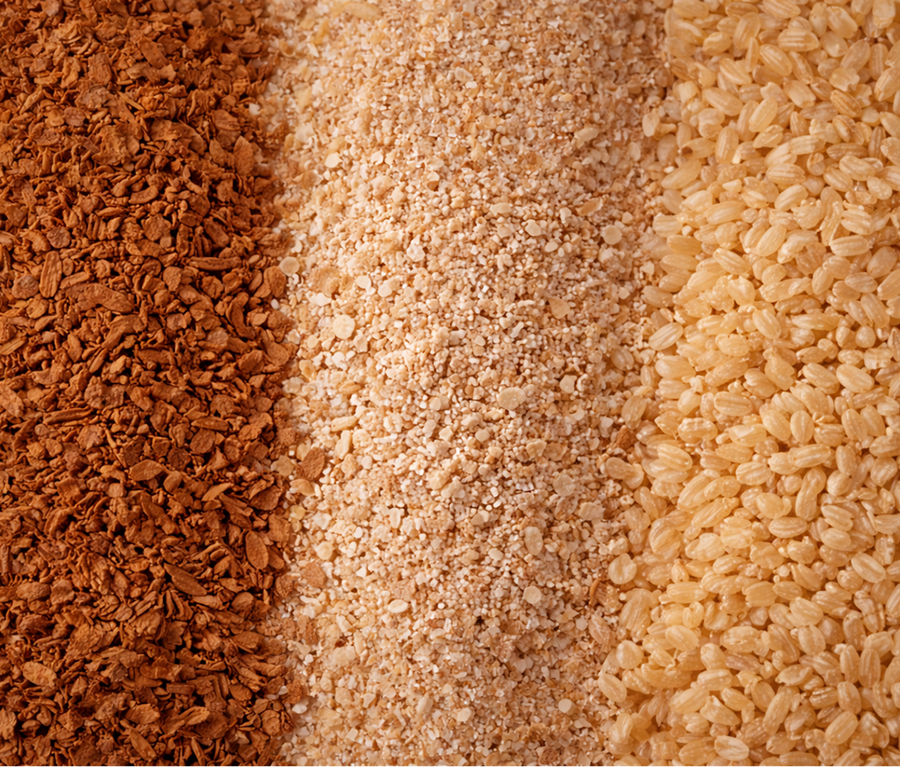
Not all whole grains are created equal, and bread—even good whole grain bread — is the weakest expression of grain-based fiber. The grains worth knowing and eating regularly are the ones closest to their original form.
- Oats stand out for fiber quality. Their beta glucan is strongly supported for lowering LDL and improving glucose control. A cup provides about 4 grams of fiber, modest in amount but meaningful in effect. Steel cut or rolled both work.
- Barley may be the most underrated grain. It contains more beta glucan than oats and delivers about 6 grams of fiber per cooked cup. It has largely disappeared from modern diets and deserves a return. Use it in soups, bowls, or in place of rice.
- Bulgur is one of the highest-fiber grains by volume (roughly 8 grams per cooked cup) and one of the fastest to prepare. It's a legitimate fiber anchor for a meal and works well as a base for salads and bowls.
- Quinoa offers a lower fiber profile than bulgur (about 5 grams per cooked cup) but pairs complete protein with fiber in a single food, making it a practical and well-tolerated option for many people.
Whole grains play a different role than legumes. Their insoluble fiber helps maintain healthy transit and lower pressure in the colon, while their beta glucan supports LDL reduction and glucose control. They complement legumes rather than replace them. A high-fiber diet uses both, consistently.
Vegetables
Vegetables are not fiber powerhouses per serving. But they accumulate across the day and add something just as important: plant diversity that supports microbiome richness.
Standouts include artichokes, Brussels sprouts, broccoli, carrots, beets, and sweet potatoes. Avocado deserves special mention. Half an avocado delivers about 5 grams of fiber, making it unusually dense for its size.
When edible, keep the skin on. A meaningful share of the fiber and resistant starch lives there.
Fruit
Berries are the fiber leaders in the fruit category. Raspberries and blackberries deliver about 8 grams per cup, making them meaningfully high in fiber, not just antioxidants. Apples, pears, and guava are also strong choices. The skin matters. More than half the fiber in an apple is in its peel.
Eat fruit whole, not juiced.
Seeds
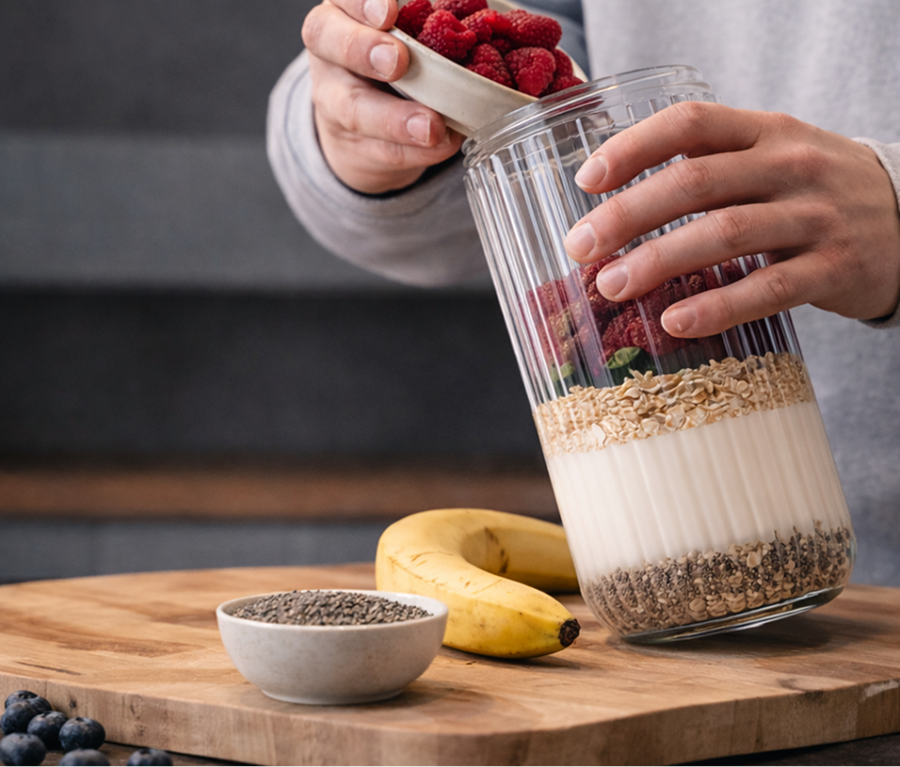
Chia seeds deliver about 10 grams of fiber per 2 tablespoons. Ground flax adds roughly 4 grams in the same amount. Both provide a mix of soluble and insoluble fiber without requiring you to redesign your meals. Chia, especially, disappears easily into oatmeal, smoothies, or yogurt while meaningfully increasing daily intake.
Resistant Starch
If you want to increase the microbiome benefits of your diet quietly, add more resistant starch.
Resistant starch behaves like fermentable fiber. It resists digestion in the small intestine, reaches the colon intact, and is converted by gut bacteria into short chain fatty acids, particularly butyrate.
The simplest way to get more of it is through cooking, then cooling your starches. Cook potatoes, rice, lentils, or grains, then cool them overnight. Eat them cold or reheated the next day. Cooling converts a portion of the digestible starch into resistant starch. Reheating does not undo the benefits.
This cooling and reheating gives the starch a stronger prebiotic effect.
It is one of the easiest upgrades you can make to amplify the fiber impact of what you are already eating.
Should You Supplement?
The honest answer: food first, then supplement strategically.
The research on fiber overwhelmingly comes from dietary fiber—meaning fiber consumed as part of whole foods, which come with additional phytonutrients, vitamins, minerals, and plant compounds that likely contribute to fiber's effects in ways not yet fully understood. A diet built around legumes, vegetables, whole grains, fruits, and nuts is going to deliver a complexity of fiber types, microbial substrates, and synergistic nutrients that no supplement can replicate.
That said, the gap between where most people are (10–15g) and where they need to be (35–50g) is significant enough that supplementation makes genuine sense as a bridge — particularly during dietary transitions, travel, or periods of lower dietary quality.
If you're going to supplement:
- Psyllium husk is the most evidence-backed choice for general use. Start with 5 grams per day and increase gradually. The upper end of general use tends to land around 10–15 grams per day, which is the range most studied for LDL reduction and glucose benefits. It works best taken with a full glass of water and away from other supplements and medications (it can reduce absorption if taken simultaneously).
- Partially hydrolyzed guar gum (PHGG) is an excellent option for people who are sensitive to bloating and gas — it's very well-tolerated and has a strong prebiotic effect without the fermentation intensity of inulin.
- Inulin or chicory root powder is worth considering specifically for microbiome diversity support. But start low, and go slow.
The critical piece most people miss: when adding fiber—from food or supplements—increase your water intake proportionally. Fiber absorbs water. Without adequate hydration, adding fiber quickly can cause constipation rather than relieving it.
Always consult your physician or a qualified nutrition professional before adding any supplement, especially if you have underlying conditions or take medications.
What Can’t Fiber Do?
Fiber is not a wellness trend. It is foundational. The evidence is deep, consistent, and remarkably hard to argue with. Any serious conversation about long-term health that ignores fiber is missing something central.
We are still learning how much the gut microbiome shapes human physiology. What is already clear is this: higher fiber intake supports a healthier microbial environment. That environment is tied not only to metabolic and cardiovascular health, but also to mood and cognitive function.
The associations are not speculative. Higher fiber intake is linked to lower rates of depression and anxiety and modest improvements in cognition. The data is not as strong as it is for heart disease or diabetes, but it points in the same direction. Over time, a higher fiber diet appears to support a more resilient brain, as well as a healthier body.
And adding more fiber to your diet is not that drastic an intervention. It does not require eliminating entire food groups, buying expensive supplements, or overhauling your life. It means reorganizing your plate around legumes, whole grains, vegetables, fruit, nuts, and seeds. Small shifts that compound quietly over years.
It’s also a change you can feel. When digestion is steady, blood sugar is stable, and inflammation is lower, you feel it. Your energy is more consistent and hunger is less chaotic. So fiber is not just about preventing disease decades from now (which it absolutely does).
It’s about feeling better right now.
Disclaimer: This newsletter is provided for educational and informational purposes only and does not constitute providing medical advice or professional services. The information provided should not be used for diagnosing or treating a health problem or disease, and those seeking personal medical advice should consult with a licensed physician.