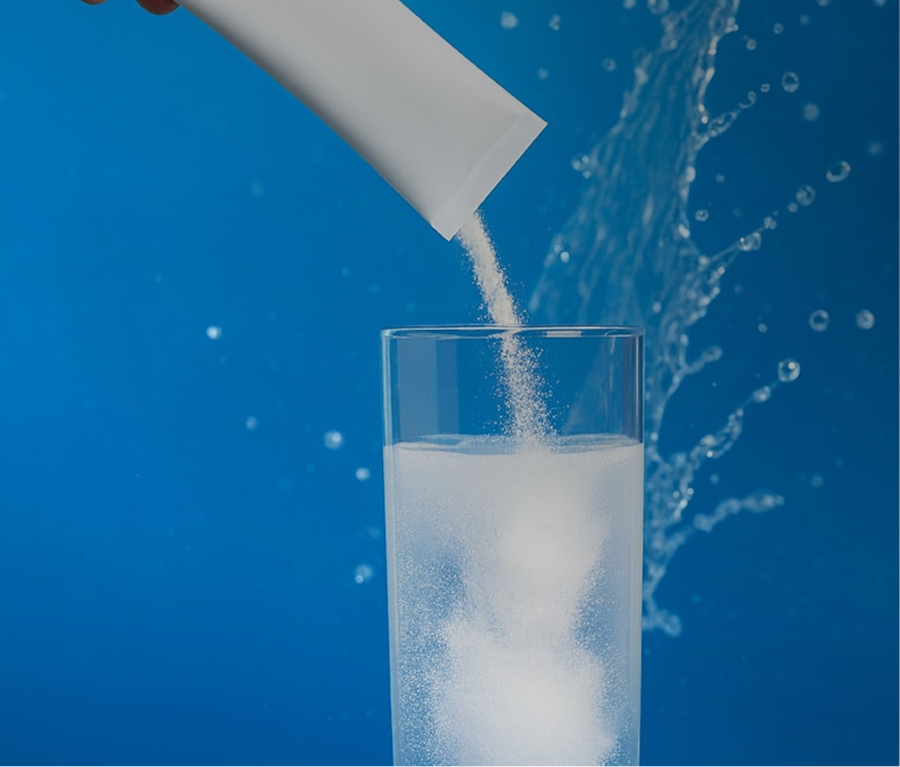
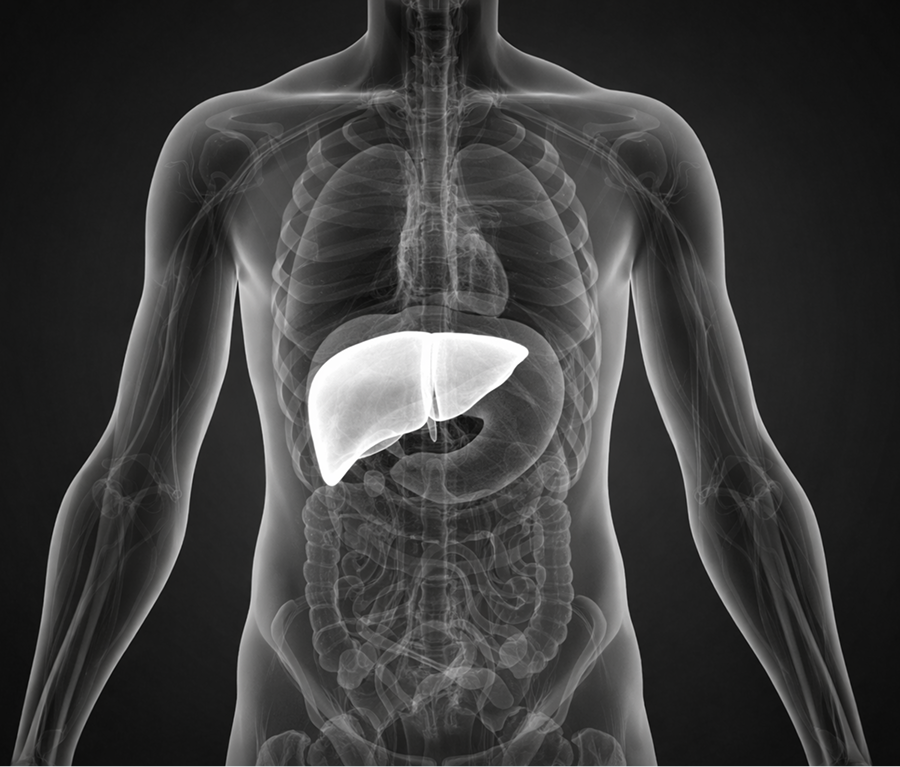
Electrolytes. Everyone thinks they know what they do. Almost nobody actually understands the physiology. The market is flooded with neon sugar water masquerading as health products.
Walk into any gym, scroll any health feed, open any wellness person's fridge, and you'll find packets, powders, drops, and tabs—all promising to “optimize hydration” or “replenish what you've lost.” The electrolyte supplement market has exploded, fueled by influencer endorsements, aggressive branding, and the vague but persistent feeling that water alone isn't cutting it anymore.
Here’s the thing: Electrolytes are real. They matter. The science behind them is genuinely fascinating. But the gap between what electrolytes actually do in the body and what the supplement industry suggests they do is questionable.
Most people are not losing meaningful amounts of electrolytes on a day-to-day basis. And most products on the market are not calibrated to individual needs, but to taste, branding, and the assumption that you’ll keep using them.
Electrolytes are not the problem. The framing is.
So before you default to adding them to everything you drink, it’s worth understanding when they actually matter, how much you need, and what problem you’re trying to solve.
What Electrolytes Actually Are
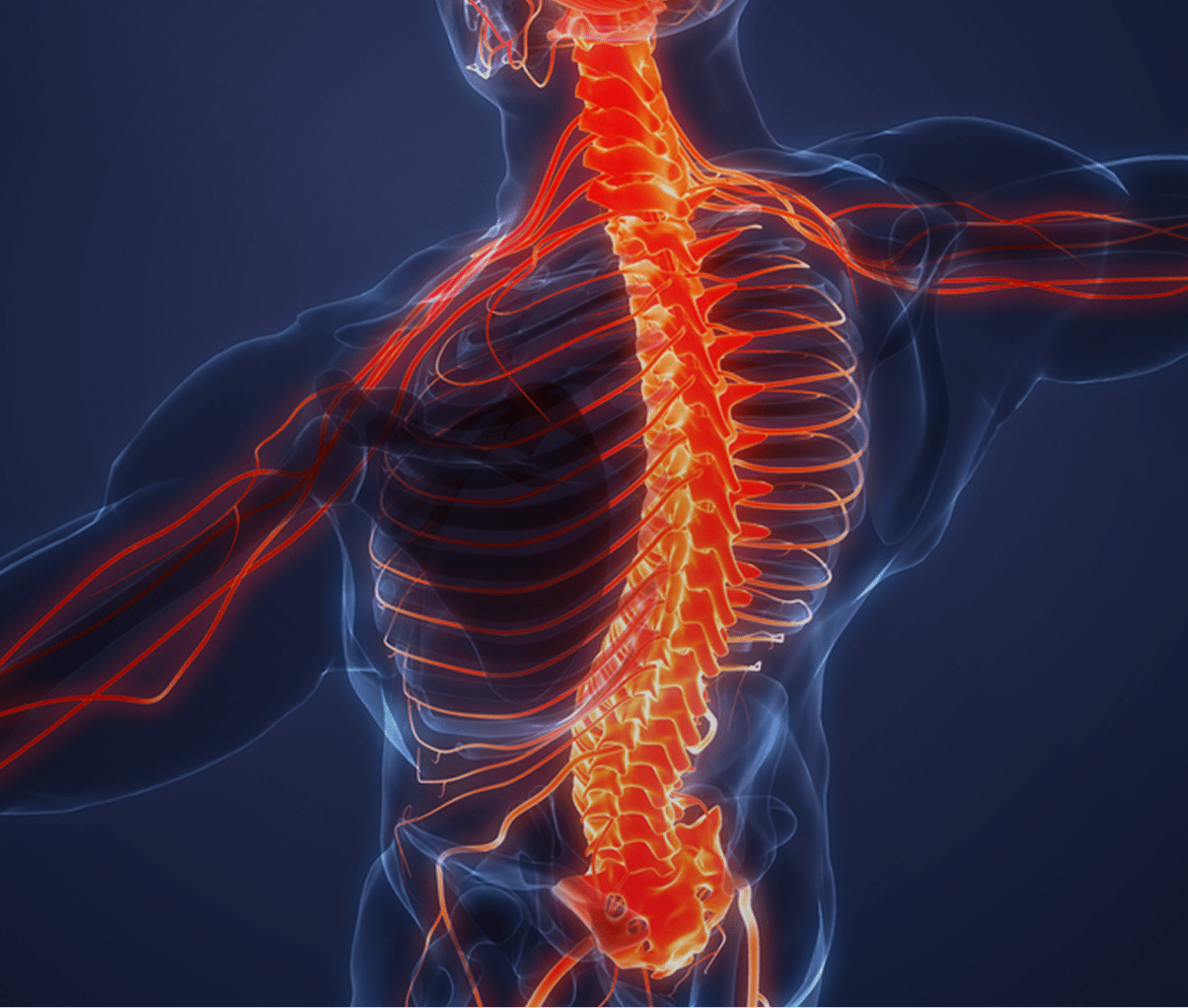
Electrolytes are minerals that carry an electrical charge when dissolved in fluid. That charge is the whole point. It’s what allows your cells to communicate, your muscles to contract, your heart to beat in rhythm, and your nervous system to fire signals at the speed of thought.
The main players are: sodium, potassium, magnesium, calcium, chloride, phosphate, and bicarbonate. Each has a specific job. But the two that matter most for this conversation—and the two the supplement industry is most obsessed with—are sodium (salt) and potassium (and a little bit magnesium).
Every cell in your body has a protein embedded in its membrane called the sodium-potassium pump. It runs 24 hours a day, pushing three sodium ions out of the cell and pulling two potassium ions in, over and over, burning ATP to do it. This helps maintain your cells' electrical charge, controls how water moves in and out of them, and powers everything from nerve conduction to nutrient absorption. It’s so essential that it accounts for roughly a quarter of all the energy your body uses at rest.
While you’re sitting there reading this, about 25% of your resting metabolic energy is going to sodium-potassium pumps.
When this system is in balance, water distributes correctly between your cells and your bloodstream; your muscles contract and release properly; your brain functions cleanly.
When it's out of balance (too little sodium, too little potassium, or the wrong ratio of one to the other), things start to break down. Muscle cramps, fatigue, brain fog, irregular heartbeat, nausea. In severe cases, seizures.
So there’s good reason to make sure these minerals are in good supply and well-balanced.
Do You Actually Need an Electrolyte Supplement?
This is the question the supplement industry would prefer you didn’t ask.
The honest answer? Most people, most of the time, do not need an electrolyte supplement. If you eat a reasonably varied diet and drink water when you’re thirsty, your kidneys (which are spectacularly good at this) will regulate your electrolyte balance without any outside help.
Excess gets excreted. Deficits get corrected through dietary intake.
The American Heart Association, Harvard’s School of Public Health, Johns Hopkins, and multiple sports medicine organizations have all said some version of the same thing: for the average person doing moderate exercise, water is sufficient.
So when do electrolytes actually matter? Here's who genuinely benefits.
Endurance Athletes and Those Who Sweat Heavily
If you're exercising intensely for more than 60–90 minutes—running long distances, cycling, playing competitive sports in heat—then you're losing meaningful amounts of sodium and chloride through sweat.
Research suggests sodium losses in sweat can range from well under 1 gram per hour to as high as 7–8 grams per hour in extreme heavy sweaters, depending on sweat rate, sodium concentration, exercise intensity, and environmental conditions. That's a lot. Water alone won't replace it. This is the original use case for electrolyte supplementation, and it's well-supported by evidence.
People in Extreme Heat
If you live somewhere that pushes your body into sustained sweating for hours, the calculus changes. For outdoor laborers, construction workers, or anyone doing sustained physical work in hot and humid conditions, electrolyte replenishment is genuinely protective. Sauna users, too. If you are getting into a sauna regularly, electrolytes are important.
People Recovering from Illness
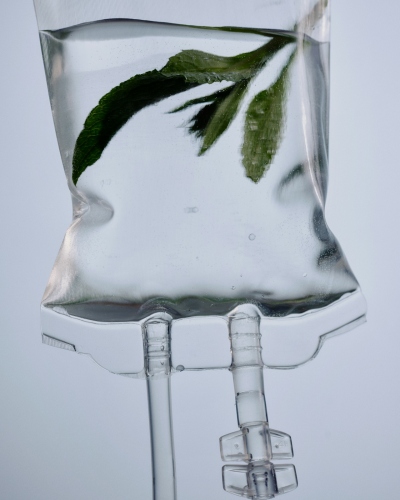
Vomiting, diarrhea, and fever all drain electrolytes rapidly. This is actually what oral rehydration solutions were originally designed for. The WHO developed the formula in the 1970s specifically to combat dehydration from cholera and acute diarrheal disease. That science is rock solid.
People on Very Low-Carb or Ketogenic Diets
When you dramatically reduce carbohydrate intake, your body excretes more sodium through the kidneys. This is a real physiological effect, and it's one reason people on keto diets often feel terrible in the first week. The so-called "keto flu" is largely an electrolyte issue. If this is you, some supplementation makes sense.
For everyone else—the person doing a 30-minute gym session, the person taking a walk, the person sitting at a desk—the electrolyte packet in your water bottle is mostly an expensive placebo. It's probably not hurting you, but it's not doing what you think it's doing either.
What’s the Real Story About Sodium?
This is not a newsletter about salt, but the electrolyte conversation has become, in many corners of the wellness world, a sodium conversation. And there seem to be two different stories.
Story one comes from mainstream medicine, the FDA, WHO, and American Heart Association. Their position: Keep sodium under 2,300 mg per day, ideally closer to 1,500 mg. This is grounded in a well-established relationship between sodium intake and blood pressure. A 2025 umbrella review covering 21 meta-analyses found that lower sodium intake was associated with a 17% reduction in cardiovascular mortality, a 26% reduction in stroke mortality, and a 12% reduction in all-cause mortality.
Story two comes from a growing group of researchers, clinicians, and yes, supplement companies, who argue that the official guidelines are too aggressive and that moderate-to-higher sodium intake is not only safe but optimal.
Some of the science here is legitimate. Some of the points they make have merit. There is genuine scientific debate about optimal sodium intake, and the relationship between sodium and blood pressure is more nuanced than "salt is bad." People who are active and eating whole foods may not need to worry about sodium restriction. Though people eating a lot of processed foods, which account for the vast majority of sodium in the standard American diet, may need to keep a close eye on their salt intake.
The 2,300–4,500 mg range for sodium intake is probably where most healthy, active people land naturally when they're eating whole foods and not aggressively restricting or supplementing. And that range, it turns out, is roughly where the science from both camps converges.
What's not supported by the evidence is the claim, promoted heavily by electrolyte brands, that most people should target 4–6 grams of sodium per day. That recommendation rests heavily on a single 2011 JAMA study, while downplaying the larger body of evidence pointing in the other direction.
But "the science is more nuanced than you were told" is very different from "you should consume 4–6 grams of sodium per day.” The preponderance of evidence—from a DASH trial, from large population studies, from meta-analyses—still points toward keeping sodium moderate for most people.
Don't let a supplement company rewrite your relationship with salt based on a handful of studies that support their business model. Talk to your doctor, assess your needs, and supplement accordingly.
The Mineral You're Probably Actually Missing
If you want to worry about an electrolyte that you may not be getting enough of, worry about potassium. And then worry about magnesium.
The vast majority of Americans don’t get enough potassium. The adequate intake is 2,600 mg/day for women and 3,400 mg/day for men, and most people fall well short. Potassium is abundant in fruits, vegetables, beans, and potatoes—which is to say, the foods most Americans aren't eating enough of.
Magnesium is similarly underdone. It's involved in over 300 enzymatic reactions in the body, supports ATP production (the energy currency that powers your sodium-potassium pump, among everything else), and plays a role in sleep quality, muscle function, and stress response.
Good sources include dark leafy greens, nuts, seeds, and whole grains.
The irony is that the electrolyte supplement industry is overwhelmingly focused on sodium—the one electrolyte most Americans likely get too much of through their diet—while potassium and magnesium, the ones people are actually likely to be deficient in, are often included in token amounts or left out entirely.
One thing to think about: If you rely on reverse osmosis or heavily filtered water—and many health‑conscious households do—you’re stripping out over 90% of the naturally occurring minerals like calcium, magnesium, and potassium. Over time, consistently drinking very low‑mineral water has been flagged by the WHO as a potential concern, partly because your body has to supply electrolytes during absorption, which can draw on internal reserves.
Still, drinking water was never meant to be your primary mineral source; food is. If you are low in magnesium, the real culprit is almost always your diet, not your filtration system—though demineralized water can add an extra layer of stress when your overall intake is borderline. A simple workaround is to lightly remineralize your water with some high‑quality salt and, if you like, a squeeze of lemon juice for a bit of potassium and flavor.
The TL;DR Version
Electrolytes are essential. Your body cannot function without them. But essential does not mean you are necessarily deficient.
If you eat a varied diet with plenty of fruits, vegetables, and whole foods, and you drink water throughout the day, you're likely fine. Your kidneys are doing their job.
If you train hard, sweat heavily, sauna often, follow a very low-carb diet, or are recovering from illness, supplementation can make a real difference.
Make sure you read the labels of these products. Choose one with a balanced sodium-to-potassium ratio, be skeptical of anything with dramatically high sodium unless you know you need it, and consider whether a simple homemade solution might work just as well.
And above all: before you spend $1.50 per packet on designer salt water, make sure you're eating your fruits and vegetables. That's where the real electrolyte optimization starts.
Disclaimer: This newsletter is provided for educational and informational purposes only and does not constitute providing medical advice or professional services. The information provided should not be used for diagnosing or treating a health problem or disease, and those seeking personal medical advice should consult with a licensed physician.