Longevity
Stress
Recovery
Inflammation
Jeffrey Bland
Inflammation Q&A with Dr. Jeffrey Bland
December 24, 2025

December 24, 2025
Last week, we explored inflammation. What it really is, why it matters, and how it quietly shapes aging, disease risk, and recovery.
Missed the deep dive? You can still catch up on The Inflammation Issue.
But as always, that conversation sparked more questions. The kind that sit at the intersection of biology, environment, and long-term health.
So we turned to one of the people most responsible for shaping how we think about inflammation today.
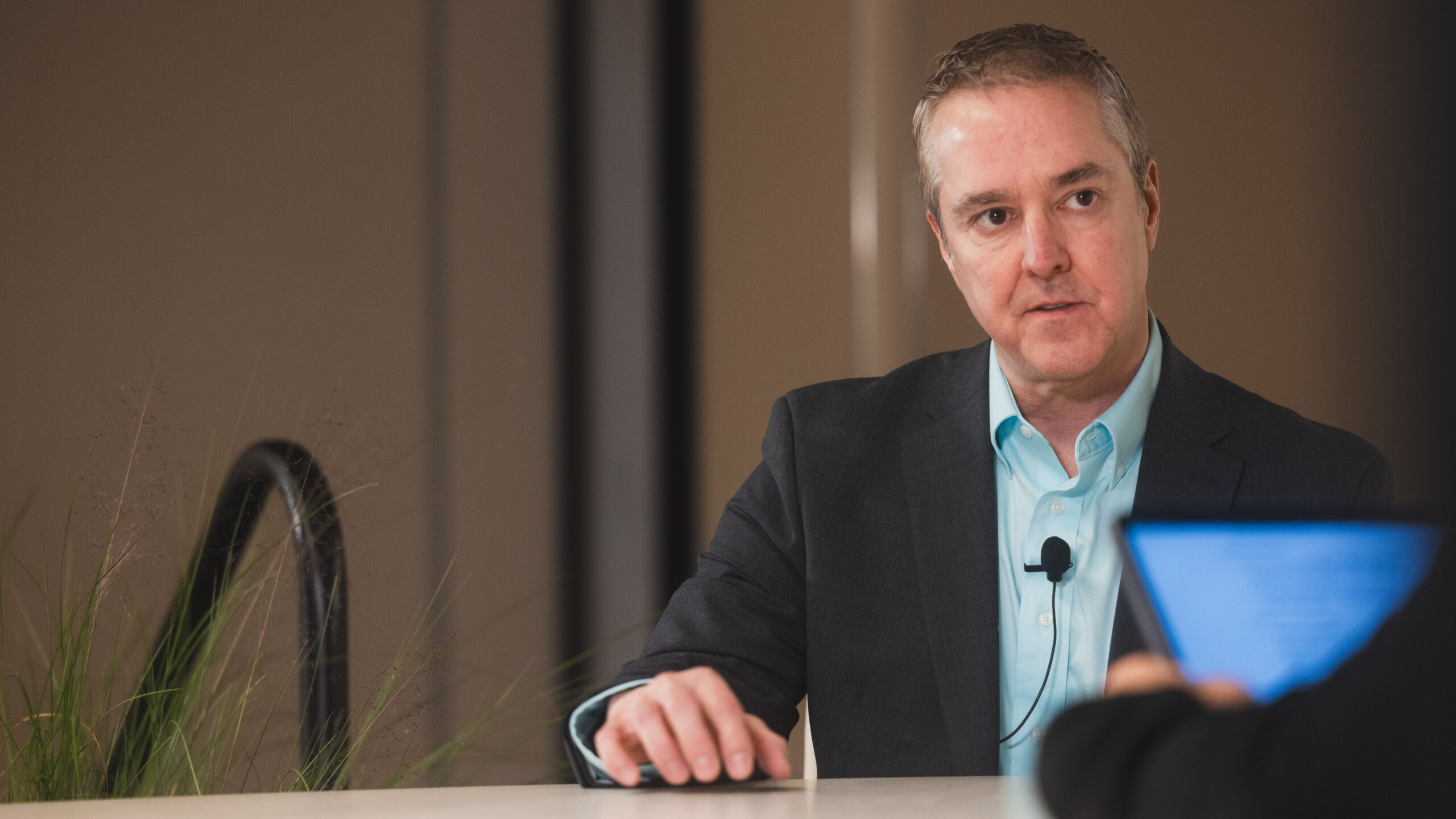
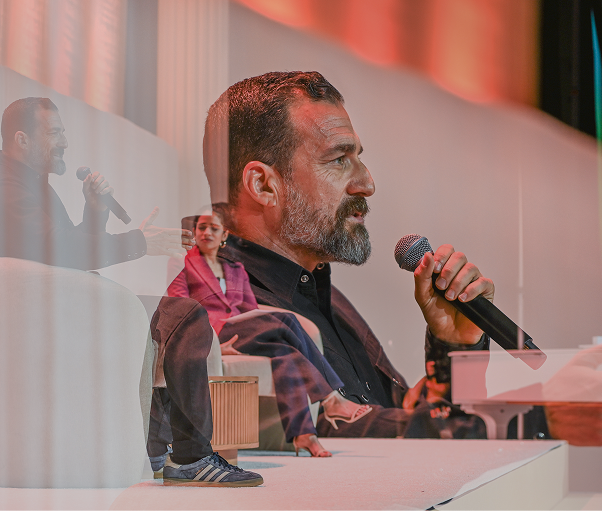
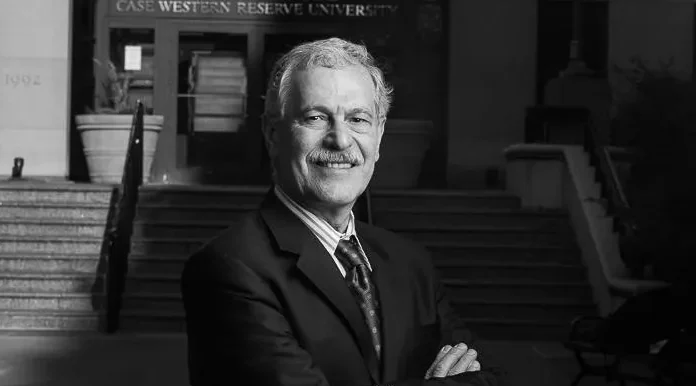
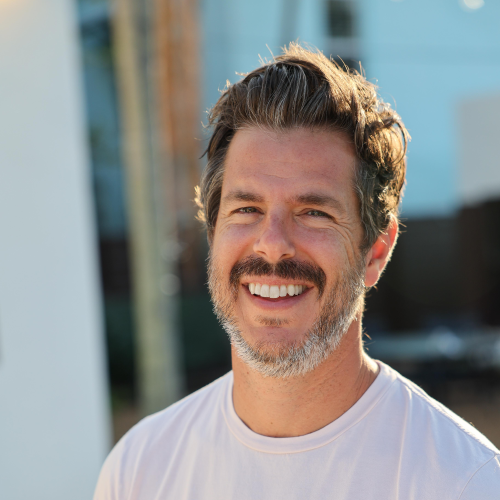
Globally recognized as “the father of functional medicine,” Jeffrey Bland, PhD, has dedicated his career to improving human health. He has authored over 120 peer-reviewed research publications and bestselling books. He founded the Personalized Lifestyle Management Institute (PLMI) and played pivotal roles in the founding of the Institute for Functional Medicine (IFM) and the Natural Products Quality Assurance Alliance.
Through his latest venture, Big Bold Health, Dr. Bland advances the concept of Immuno-Rejuvenation™, furthering his mission to strengthen immune resilience at a global level. This purpose-driven work also reflects his commitment to regenerative agriculture, environmental stewardship, and planetary health.
Today, he’s turning his attention to our community’s biggest questions about inflammation.
We are getting inflammation wrong.
There are many types of inflammation—some are damaging to long-term health, and others are beneficial to health. Inflammation is a process that can damage, and a process that can heal.
The secret to managing inflammation is to make the immune system resilient so that it knows when to turn off and turn on specific inflammatory processes to promote health and longevity.
When I hit my sleep window (when my body is naturally releasing melatonin) and when I take my last bite of food three hours before I hit the pillow, I almost always wake up refreshed and restored.
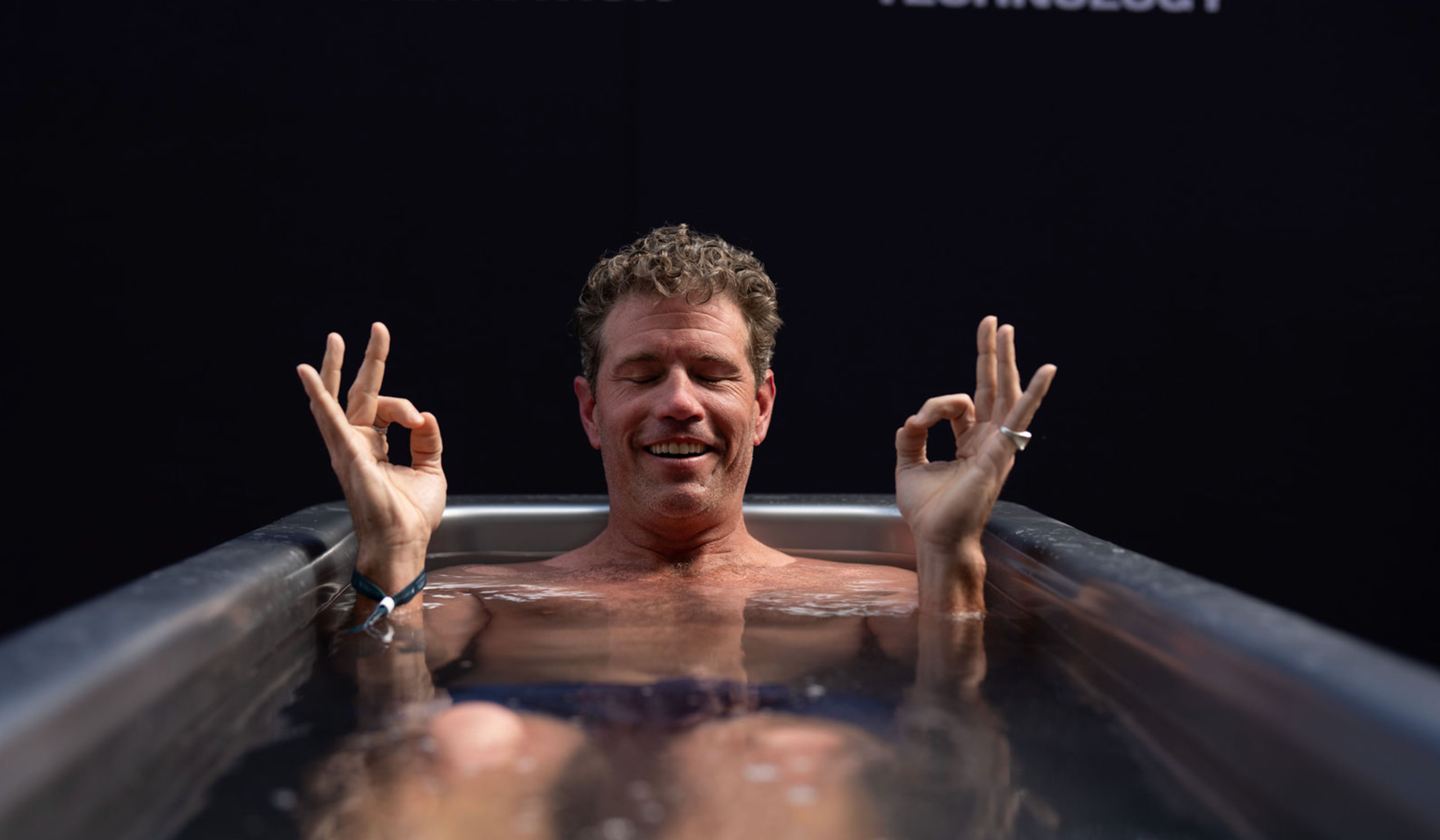
Ironically, the right dosage of stress (deliberate heat and cold, resistance training and a little time-restricted eating) confers real recovery benefits. Short-term stress generally produces long-term ease.
Chronic inflammation, called “inflammaging,” is generally considered a process associated with aging in adults that occurs over many years. Its origin, however, can start very early in life as pediatric immune dysfunction associated with things like intestinal dysbiosis, exposure to toxic metals and chemicals, and stress response.
Inflammation presents itself in many ways, so biomarkers associated with inflammation are varied, from high sensitivity C-reactive protein (hs CRP) to elevated serum oxidized triglycerides and cholesterol, changes in the blood levels of white blood cells lymphocytes, neutrophils, and platelets (called the systemic inflammatory index or SII), and serum glycosylated blood proteins (GlyA).
Each of these biomarkers except for hsCRP measure longer-term chronic inflammation associated with biological aging.
The most important thing to focus on in order to keep inflammation balanced and resilient are characteristics associated with long life and good health. The immune system can be rejuvenated through personalized diet, nutrient support, lifestyle, and stress and environmental management. The emerging science is demonstrating that this is the best approach to maximizing health span and longevity.
The Nobel Prizes in Physiology and Medicine in 2012 and 2025 have opened the door to a new exciting era of how to manage your immune system and its impact on inflammation-related conditions.
The discovery by Yamanaka of genetic factors that control the ability of cells to be “reprogrammed” has led to the revolutionary evolution in the field of longevity medicine. The Nobel Prize to Ramsdell, Brunkow was awarded for their discovery of the T regulatory immune cell and its controlling gene FOX P3 that regulates immune system inflammation and how these can be influenced by diet, specific nutrients and lifestyle factors.
These discoveries are opening the door to an extraordinary step forward in knowing how to rejuvenate the immune system and reduce the inflammatory disorders associated with an imbalanced immune system.
It was thought over the past fifty years that there was only one type of inflammation, and it was always bad and needed to be eliminated.
We now know this concept was incomplete, and that the goal is not to eliminate inflammation, but to properly regulate it. A well-functioning immune system has the intelligence to initiate inflammation when needed, resolve it appropriately, and maintain balance. It is this controlled, balanced inflammatory response that underlies positive health outcomes, long-term health, and longevity.
The views expressed by our expert are entirely their own. There is no financial, professional, or organizational affiliation between the expert featured in this Q&A and our sponsor.
Disclaimer: This newsletter is provided for educational and informational purposes only and does not constitute providing medical advice or professional services. The information provided should not be used for diagnosing or treating a health problem or disease, and those seeking personal medical advice should consult with a licensed physician.

October 16, 2026

September 30, 2026

September 29, 2026

September 24, 2026

September 24, 2026

September 18, 2026
September 11, 2026

September 4, 2026

August 29, 2026