Longevity
Preventative Health
Inflammation
Sleep
The Inflammation Issue

December 19, 2025

December 19, 2025
Inflammation will save your life. It's the reason a cut heals, an infection clears, and a broken bone mends. When you sprain your ankle and it swells, that's your immune system beginning reconstruction. Acute inflammation is one of the most elegant systems in human biology, a biological response designed to protect, repair, and restore.
But here's the paradox: inflammation can slowly destroy you.
Chronic inflammation is when the initial injury is gone or the tissue is repaired, but the immune system continues to behave as if repair is still underway. Resources stay diverted to a job that’s already done. Other systems get less attention. Wear accumulates.
Mitochondrial stress, metabolic dysfunction, gut permeability, sleep loss, psychological stress, senescent cells, and environmental exposures all generate signals that look like ongoing damage.
Chronic, unresolved inflammation is quietly driving most of what we call aging and disease. The result is not constant pain or visible illness. It’s a persistent shift in baseline physiology. And you might not feel it until it shows up as joint pain, brain fog, insulin resistance, skin issues, autoimmune disease, or accelerated aging.
At its core, inflammation is your immune system’s alarm-and-repair response. Something threatens the body—a pathogen, an injury, a toxin—and the immune system mobilizes. Blood flow increases to the affected area. Immune cells rush in. Chemical messengers called cytokines coordinate the response.
The classic signs of acute inflammation are redness, heat, swelling, and pain. These aren't symptoms of something going wrong; they're symptoms of something going right. The redness and heat come from increased blood flow. The swelling comes from fluid carrying immune cells into the tissue. The pain keeps you from using the injured area while it heals.
The key players in this chemical cascade have names you might recognize from lab work: interleukin-6 (IL-6), tumor necrosis factor-alpha (TNF-α), and C-reactive protein (CRP). Think of these as the messengers and amplifiers of the inflammatory response. When threat levels are high, they surge. When the threat resolves, they're supposed to recede.
The problem begins when they don't.
Chronic inflammation is what happens when the alarm stays on. The cytokines keep circulating. Instead of a targeted response to a specific threat, you get something that persists for months or years. It's not dramatic enough to cause obvious symptoms, but it's corrosive enough to degrade virtually every system in your body.
This happens when you're not fighting a single battle but are exposed to inflammatory inputs continuously.
Daily consumption of ultra-processed foods. A leaky gut. Extra fat tissue that quietly releases inflammatory signals all day. Chronic psychological stress.
The system doesn’t turn off because the threat (or what the body perceives as threat) is still present.
Inflammation resolution is an active process requiring its own set of molecular signals. Your body has a built-in cleanup and reset system that tells immune cells when the job is done.
That system depends on having the right raw materials and enough cellular capacity to do the work. Many people don’t.
Chronic inflammation is self-perpetuating. Inflammation damages mitochondria; damaged mitochondria produce reactive oxygen species that trigger more inflammation.
It weakens the gut lining, allowing more irritating material to enter circulation. It interferes with insulin signaling and encourages visceral fat accumulation, which quietly releases inflammatory messengers of its own.
These feedback loops can sustain chronic inflammation long after the original trigger has been addressed—which is why lifestyle changes sometimes take months to shift inflammatory markers fully.
As we age, or under conditions of chronic stress and damage, cells that are too damaged to function properly but don't die enter a “senescent” state. They stop dividing but remain active and begin releasing inflammatory signals into their surroundings—not because there’s an injury or infection, but because the cell itself is dysfunctional.
These “zombie cells” become their own source of chronic inflammation, independent of any external trigger. Their accumulation is one of the key mechanisms behind “inflammaging”—the age-related rise in baseline inflammation that occurs even in otherwise healthy individuals.
This is where things get tricky. Chronic inflammation doesn't announce itself the way acute inflammation does. There's no swelling you can point to, no fever, no obvious pain. It operates below the threshold of perception—until it doesn't.
Some signs are relatively obvious.
But the subtler signs are the ones most people miss:
And then there are the silent signs, the ones you'll only catch with testing.
These are early warning signals that inflammation is doing damage you can't yet feel. The rest of this article is about understanding why that matters, and what to do about it.
Here’s why this matters beyond vague notions of “wellness”: chronic inflammation sits upstream of almost every disease that cuts healthspan short.
For decades, cholesterol was framed as the main driver of heart disease. But it is only part of the picture. Inflammation is what turns plaques dangerous. It destabilizes them, makes them rupture prone, and damages the endothelium, the fragile inner lining of blood vessels, long before a heart attack ever happens.
You can live with elevated cholesterol and never develop heart disease. Add chronic inflammation to the mix, and the math changes completely.
Inflammation and insulin resistance reinforce each other. Inflammatory signals disrupt insulin signaling. Insulin resistance drives visceral fat accumulation. And visceral fat actively produces inflammatory signals of its own. That’s why inflammation and metabolic dysfunction so often appear together.
Mitochondria are forced to operate under stress. Energy production becomes less efficient. More reactive byproducts are generated. Cells spend more effort maintaining basic function and less on repair, turnover, and resilience.
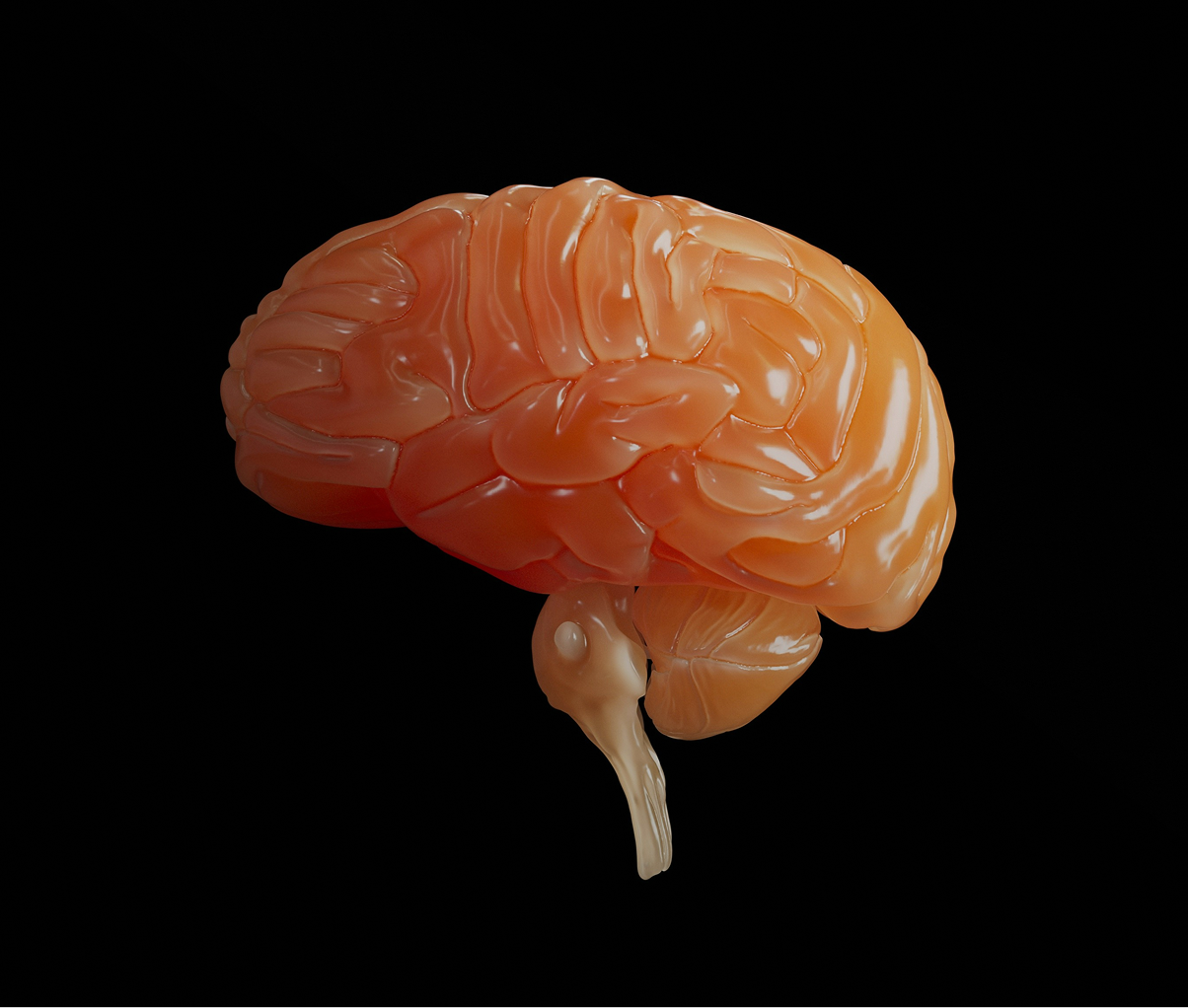
The brain is not immune to systemic inflammation. Elevated inflammatory signals can activate the brain’s resident immune cells, driving neuroinflammation linked to cognitive decline and neurodegenerative disease. Inflammatory states also weaken the blood–brain barrier, allowing more inflammatory signals to reach the brain.
Researchers have coined the term “inflammaging” to describe the age-related rise in baseline inflammation that occurs even in the absence of obvious disease. Your inflammatory setpoint creeps up decade by decade. This isn't inevitable—it's modifiable—but it's the default trajectory if nothing intervenes.
The insidious part is that you don't feel most of this happening. There are no pain receptors for systemic inflammation. By the time it manifests as a diagnosable condition, the underlying process has been running for years.
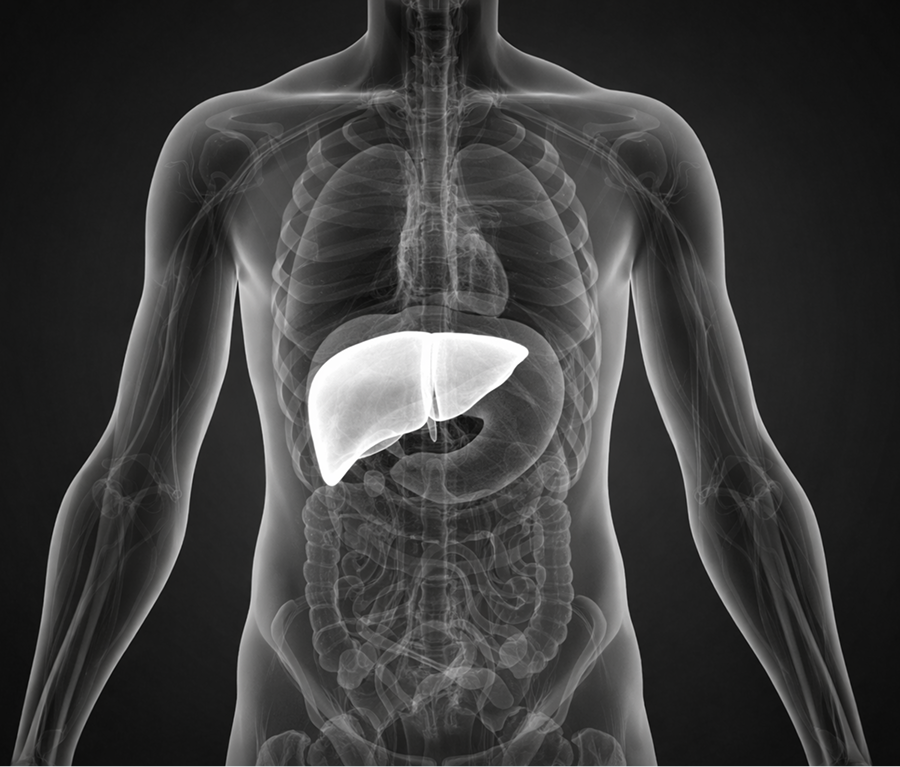
Roughly 70% of your immune system is located in and around the digestive tract. When the gut lining becomes compromised—through poor diet, stress, dysbiosis, or medications—it becomes more permeable than it should be. This allows bacterial fragments and undigested proteins to slip into the bloodstream, triggering immune responses that were never meant to be triggered.
The result is a self-perpetuating loop: inflammation damages the gut, and a damaged gut produces more inflammation.
Check Out Our Issue On the Gut Microbiome
Chronic inflammation gradually damages the endothelium, the thin lining that regulates blood flow and vascular tone. As this layer becomes impaired, blood vessels grow stiffer and less responsive. Circulation worsens. Blood pressure rises. Conditions for atherosclerosis take hold.
Endothelial health is now recognized as a strong marker of biological age. Inflammatory burden is one of its most powerful and persistent adversaries
Understanding the root causes is essential, because addressing downstream inflammation without fixing the upstream drivers is a losing game.
Sleep may be the single most underrated factor. Even one night of poor sleep measurably elevates inflammatory markers. Chronic sleep deprivation or disrupted circadian rhythms keep the inflammatory dial turned up indefinitely.
This isn't optional; it's foundational. No supplement or intervention can fully compensate for consistently inadequate sleep.
Nutrition plays an enormous role, though the specifics are more nuanced than the “anti-inflammatory foods” headlines suggest. Ultra-processed foods reliably promote inflammation, both through their direct effects and through their impact on the gut microbiome.
The ratio of omega-6 to omega-3 fatty acids matters—modern diets skew heavily toward omega-6, which is pro-inflammatory in excess. Refined sugars and starches that spike blood glucose also spike inflammation. But food quality isn't just about what to avoid. Diets rich in polyphenols, fiber, and omega-3s actively support inflammatory resolution.
Fat stored around the organs behaves very differently from fat stored under the skin. Visceral fat is metabolically active. It acts like an endocrine organ, continuously releasing inflammatory signals into the bloodstream. This is why location matters more than total weight. Subcutaneous fat is comparatively inert. Visceral fat, even in modest amounts, can meaningfully raise baseline inflammation. Measures like waist circumference and waist-to-hip ratio are often better indicators of inflammatory risk than the number on the scale.
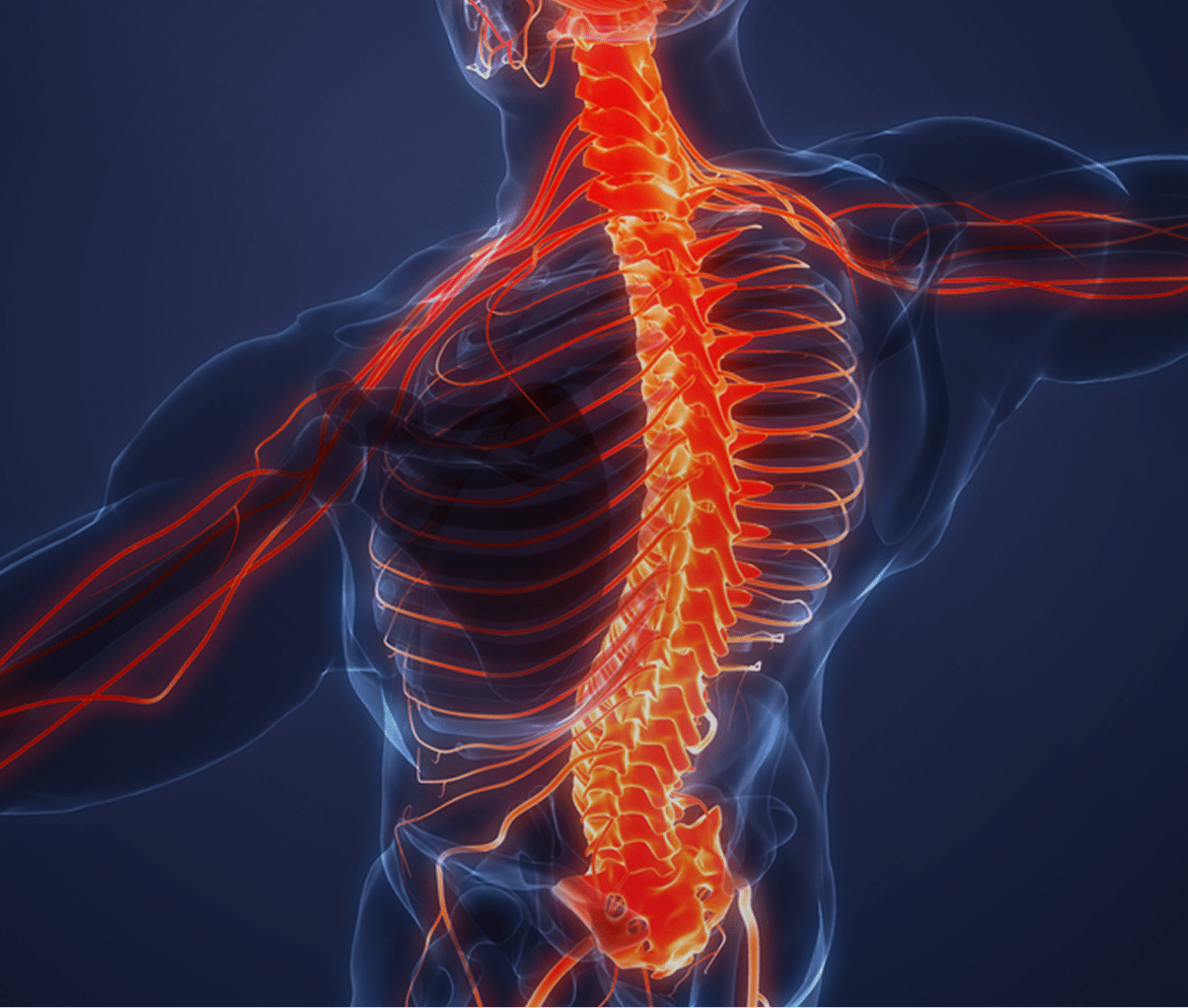
Persistent stress keeps the HPA axis switched on and cortisol chronically elevated. In the short term, cortisol is anti-inflammatory. That is why corticosteroids reduce inflammation. Over time, though, constant cortisol exposure disrupts immune regulation and raises baseline inflammation instead of lowering it. The relationship runs both ways. Chronic stress fuels inflammation, and inflammation makes the nervous system more reactive to stress.
Long periods of inactivity raise inflammation, even in people who are not overweight. Movement plays a direct role in keeping inflammatory signaling in check.When you move regularly, muscles help regulate blood sugar, immune activity, and circulation. When movement is absent, those systems drift in the wrong direction and inflammation builds.
Air pollution, heavy metals, mold, microplastics, and endocrine-disrupting chemicals all trigger inflammatory responses.
Air pollution, heavy metals, mold, microplastics, and endocrine-disrupting chemicals all trigger inflammatory responses.
Addressing chronic inflammation isn't about any single intervention. It's about building a system—a stack of behaviors, habits, and targeted support that shifts your body's inflammatory equilibrium. It’s about lifestyle.
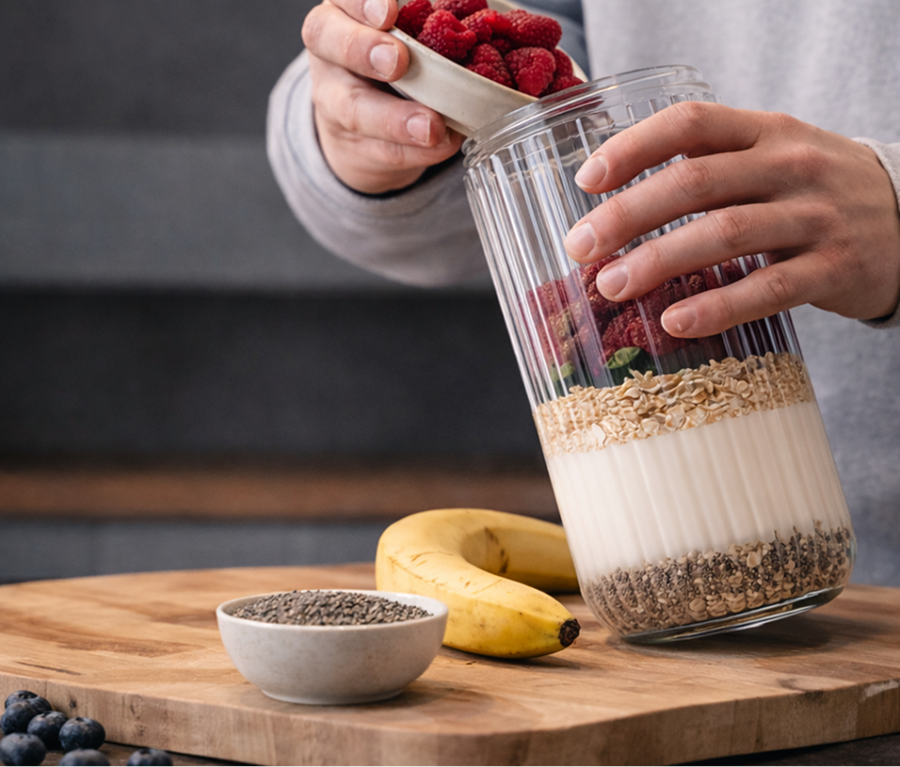
The Mediterranean pattern has the strongest evidence for lowering inflammation, largely due to olive oil, fatty fish, vegetables, and polyphenols. The principles translate across diets. Emphasize whole foods, omega-3 sources, fiber-rich plants, and minimize ultra processed foods. The goal is not perfection but a better overall pattern.
Check Out Our Issue On Superfoods
Most people need 7–9 hours, but consistency and quality matter as much as duration. Keep regular sleep and wake times, manage light exposure, and address issues like sleep apnea if present. Get out into early morning sunlight. Everything else works better when sleep is solid.
Regular moderate exercise lowers inflammatory markers, while excessive training without recovery can increase them. For most people, too little movement is the bigger problem. Aim for consistency, not intensity, and treat recovery as part of the plan.
Check Out Our Issue On Longevity Fitness
Practices like slow breathing, meditation, and brief cold exposure help shift the body into a calmer state that allows inflammation to resolve. The nervous system directly influences immune tone. Training this response matters.
Check Out Our Issue On Breathwork And Meditation
Cold exposure appears to reduce inflammation through stress response pathways. Sauna use is linked to lower inflammation and better cardiovascular outcomes in observational studies.
Check Out Our Issue On Heat And Cold Exposure
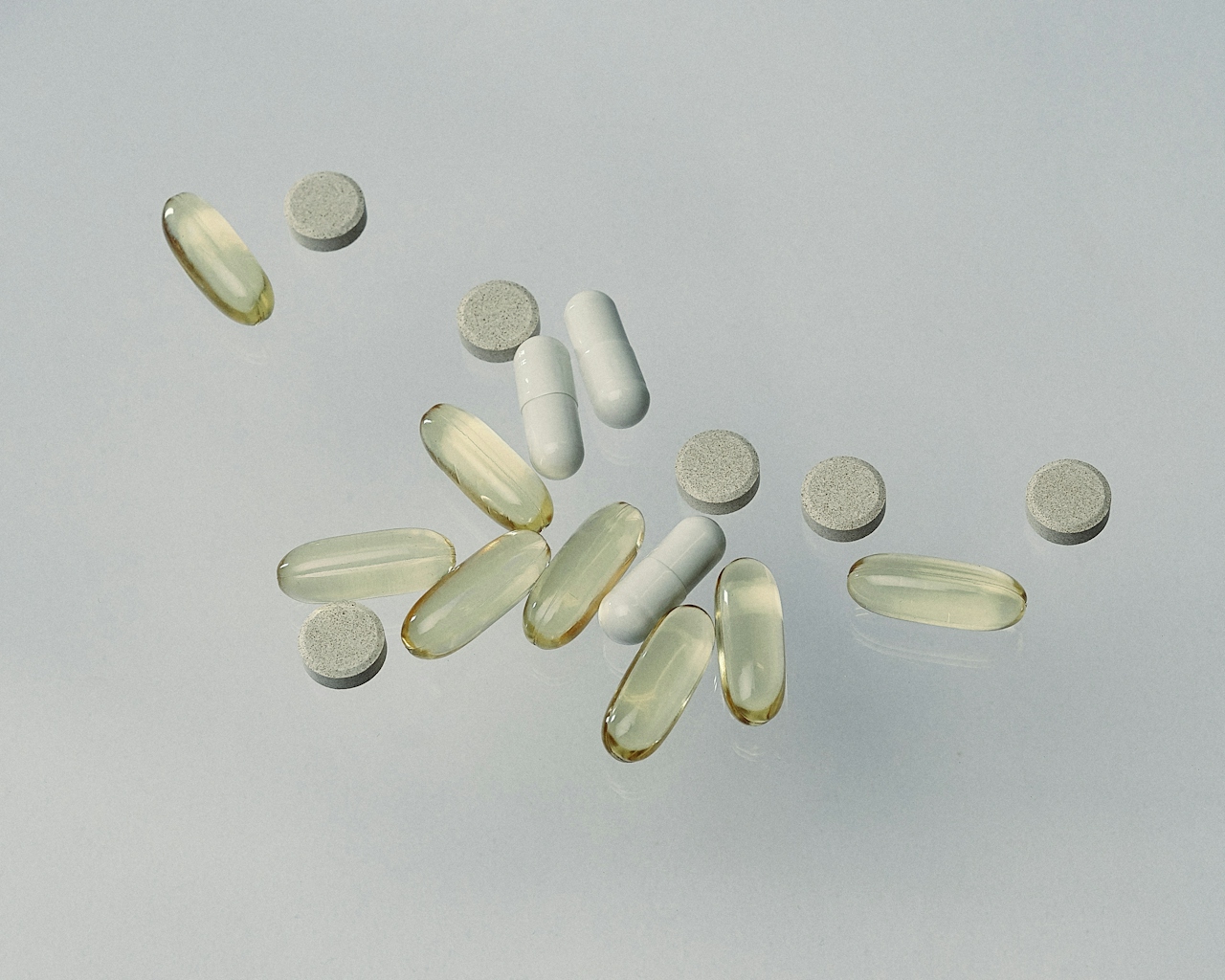
Omega 3s have the strongest evidence, often at higher doses. Curcumin can reduce inflammation, though absorption matters. SPMs derived from omega 3s support inflammation resolution and are an emerging area. Vitamin D and magnesium support immune regulation and should be corrected if deficient.
Check Out Our Issue On Supplements
Advanced interventions belong in a separate category. Peptides like BPC 157 and Thymosin Alpha 1 show immune modulating effects but remain limited by regulation and evidence. Low dose naltrexone has growing support in inflammatory and autoimmune conditions. Fasting and time-restricted eating can lower inflammation, likely through metabolic improvements rather than fasting itself.
Check Out Our Issue On Peptides
If you want to know where you stand, testing helps—but context matters.
High-sensitivity C-reactive protein (hs-CRP) is the most common and accessible marker. It reflects overall systemic inflammation and has predictive value for cardiovascular disease. Optimal is generally considered below 1.0 mg/L; above 3.0 mg/L indicates elevated risk. But a single reading is just a snapshot. Trends over time are more informative than any one number.
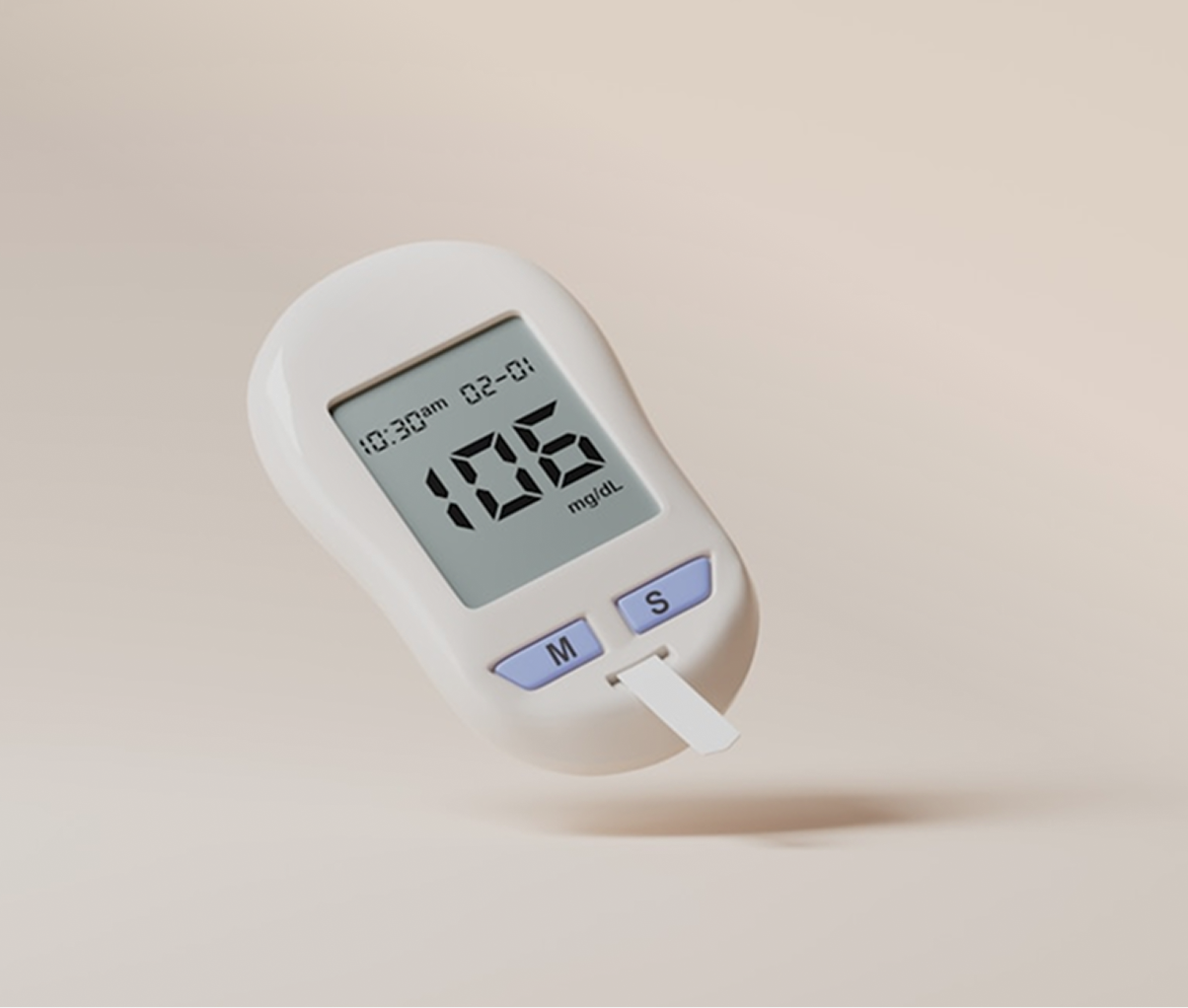
IL-6 and TNF-α can be measured directly, though they're less commonly ordered. Fibrinogen and homocysteine provide additional data points. Fasting insulin and glucose, while not inflammatory markers per se, reflect metabolic health that's tightly linked to inflammation.
The goal isn't to obsess over numbers. It's to establish a baseline, make changes, and track whether those changes are moving the needle. Inflammation is modifiable. Measurement tells you if your interventions are working.
Reducing inflammation often improves multiple diseases at once. When inflammation comes down, blood pressure falls, insulin sensitivity improves, cognitive clarity returns, joint pain eases, and cardiovascular risk drops together. This is not a coincidence. It reflects the fact that inflammation sits upstream of many seemingly unrelated conditions.
The good news is that chronic inflammation is not a fixed state. It responds to how you live. Sleep, movement, food, stress, environment—these aren't just “lifestyle factors.” They're the inputs that determine your inflammatory baseline.
The goal isn’t to eliminate inflammation. It’s to restore the system’s ability to respond forcefully when needed and resolve completely when the threat has passed. That return to baseline is where modern life breaks the system most often.
Nearly everything that degrades healthspan traces back to this one imbalance. Which means nearly everything that extends healthspan involves getting this right. You don’t age because inflammation exists. You age because it never fully turns off. Learning how to restore that off switch may be the most important health decision you ever make.
Disclaimer: This newsletter is provided for educational and informational purposes only and does not constitute providing medical advice or professional services. The information provided should not be used for diagnosing or treating a health problem or disease, and those seeking personal medical advice should consult with a licensed physician.

September 30, 2026

September 29, 2026
September 24, 2026

September 18, 2026
September 11, 2026

September 4, 2026

August 29, 2026

August 21, 2026

August 15, 2026