community
Supplements
Wearables
What We’re Leaving Behind in 2025
January 9, 2026

January 9, 2026
Leaving things behind is not failure. It’s discernment.
And sometimes, it is the most meaningful form of progress.
Here are a few of the things we’re leaving behind in 2025.
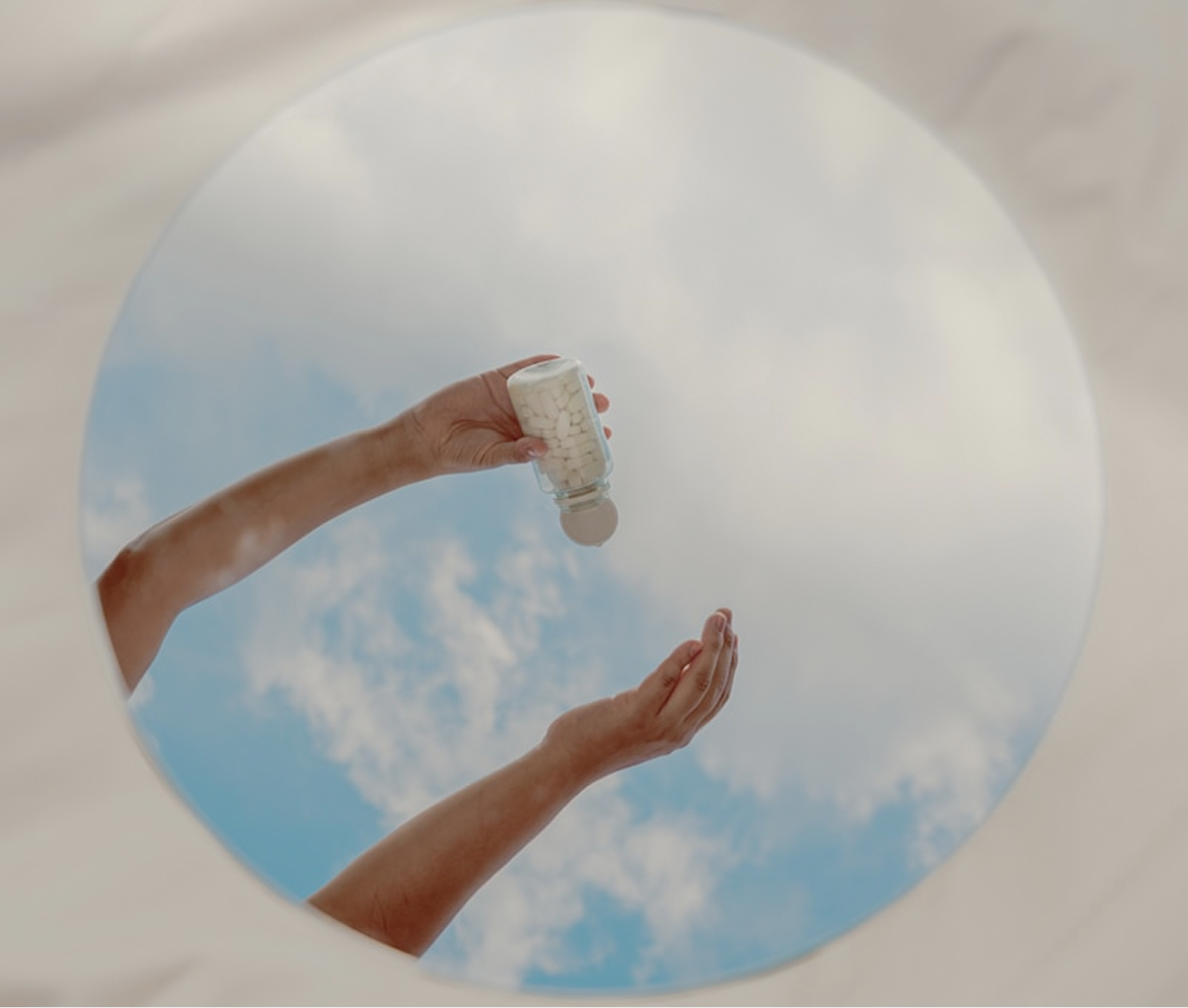
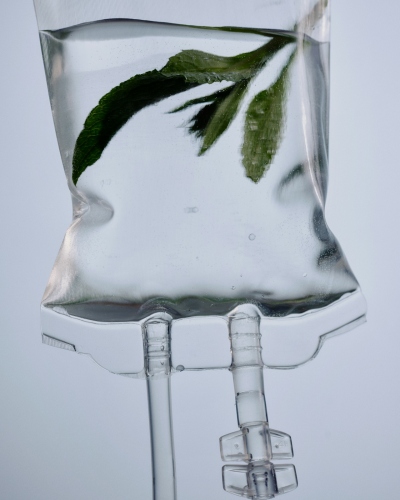
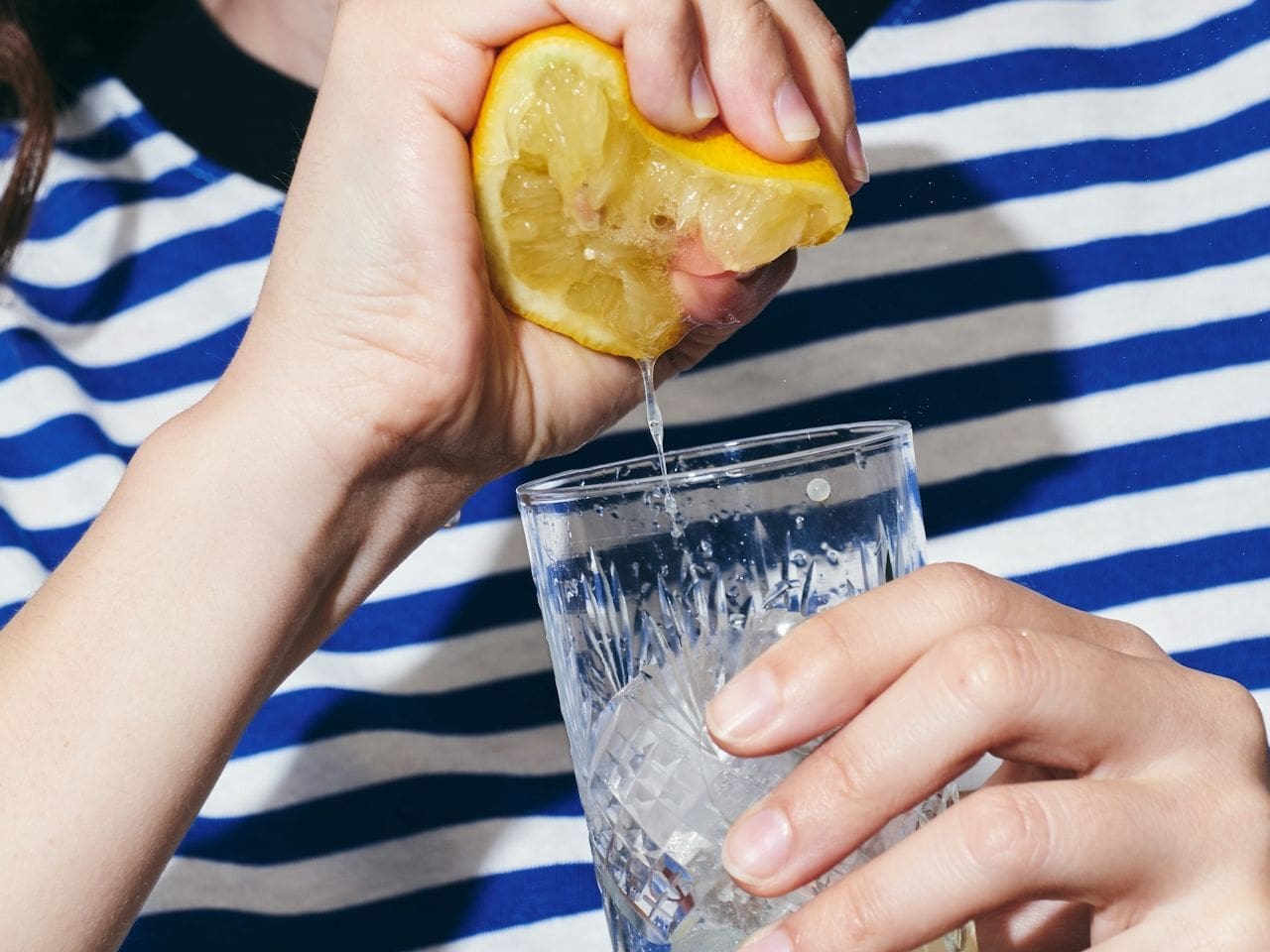
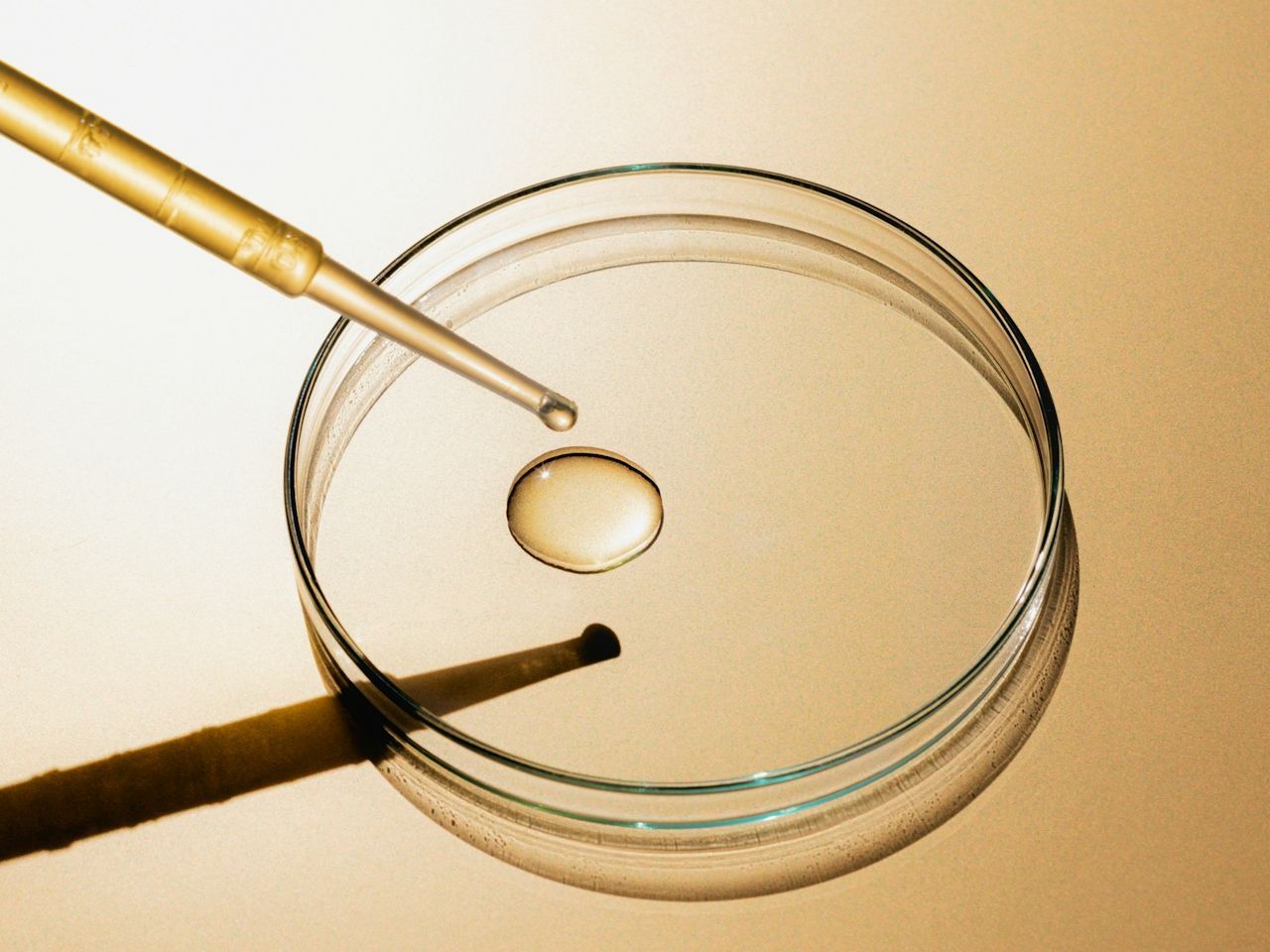
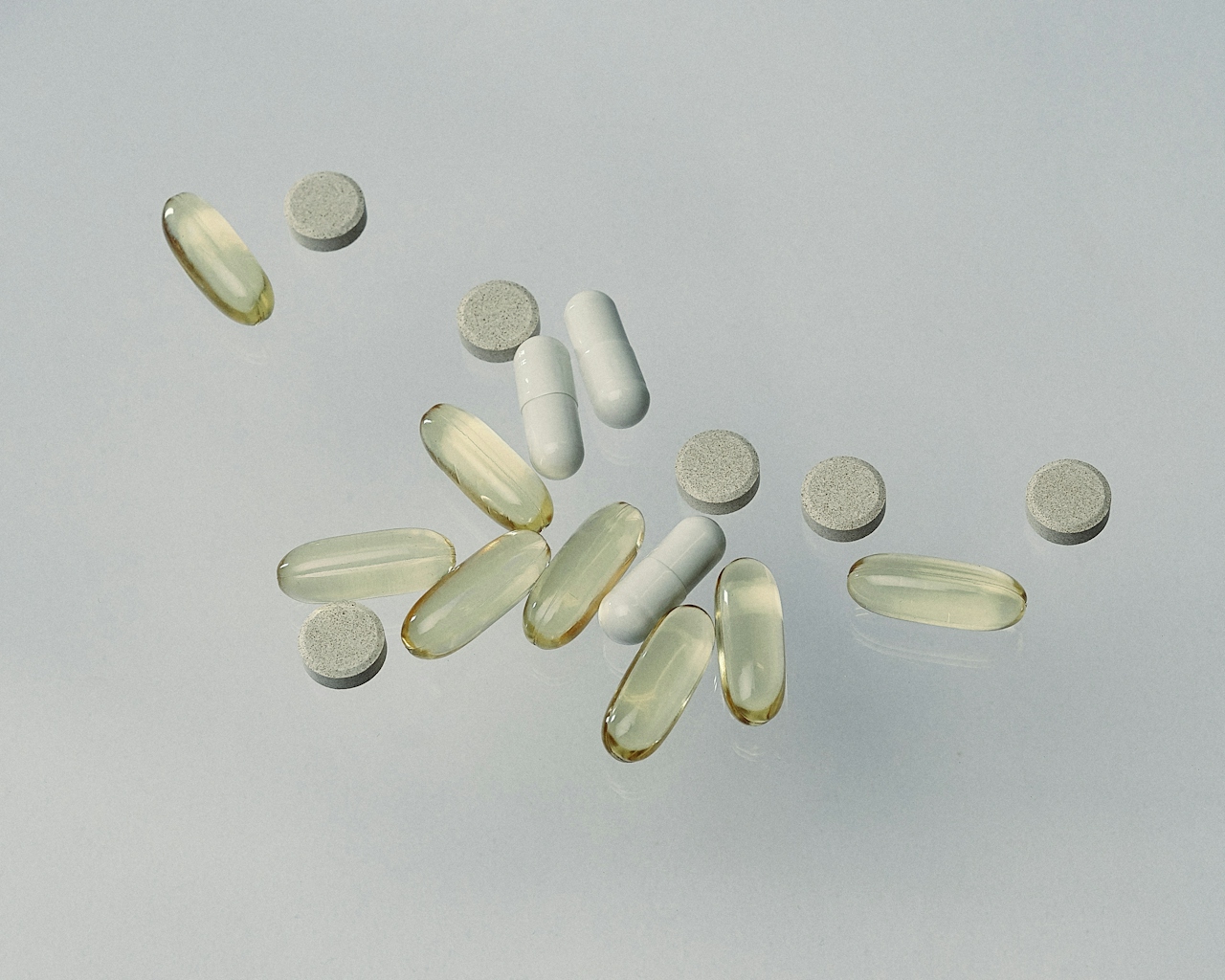
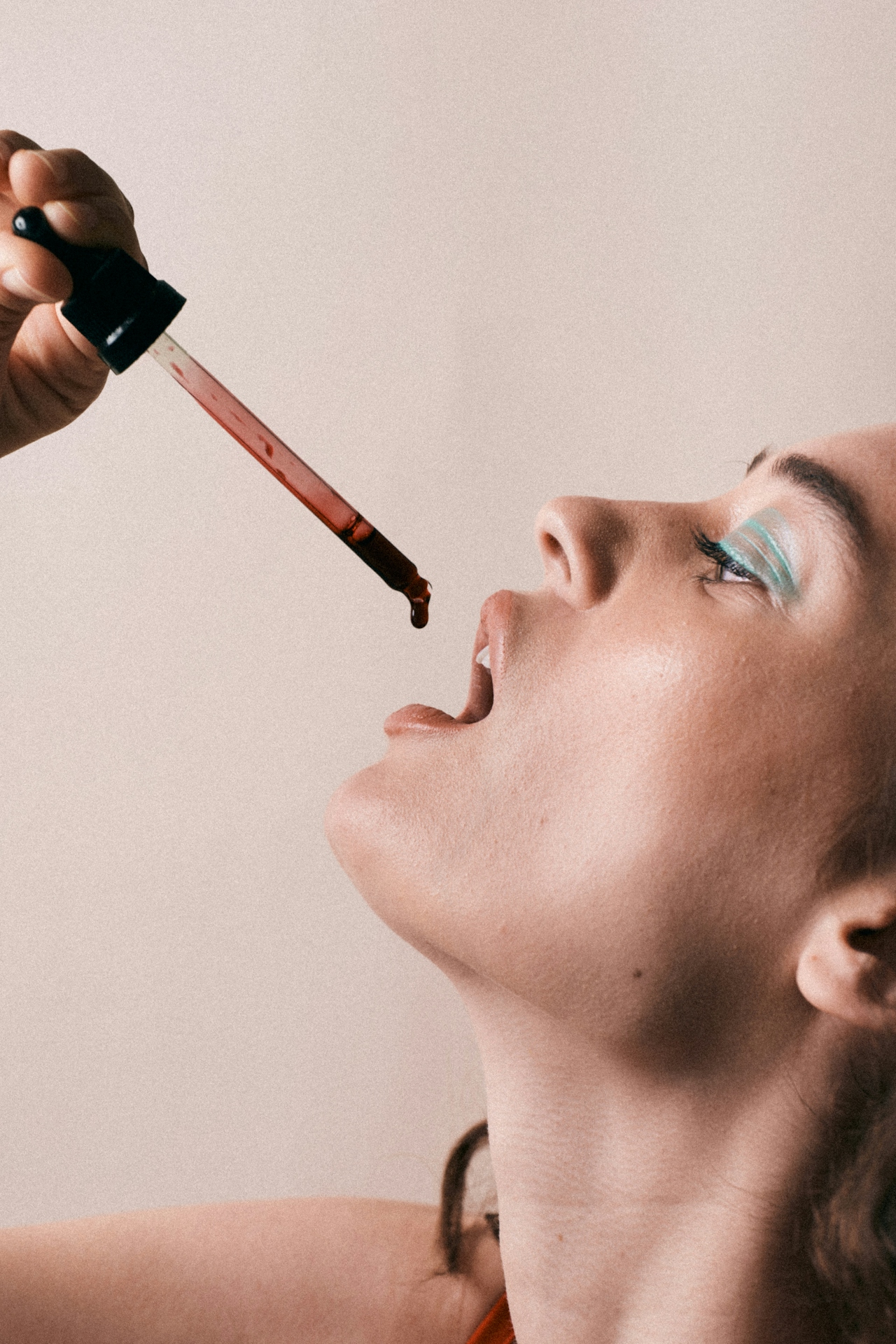
Supplements can be effective. Peptides can be transformative. They’re powerful accelerants of healing, recovery, and performance.
But used blindly, they can create confusion, imbalance, and disappointment.
Biology is not one size fits all. What helps one person feel energized and focused can leave another anxious, depleted, or stuck. Dosage matters. Timing matters. Interactions matter. Baseline health matters.
Stacking compounds without understanding your own physiology is not optimization. It’s guesswork with better branding.
The future of supplementation is not more products. It’s better context.
That means testing when appropriate, interpreting results intelligently, and adjusting protocols over time. And most importantly, it means having knowledgeable support in your corner.
The goal is not to take more. It is to take what actually works for you
The wellness algorithm is very good at amplifying confidence. It does not reward nuance, experience, or accountability. It rewards certainty and spectacle.
As a result, many people are taking health advice from individuals who are not trained or credentialed. Confident strangers with strong opinions are shaping decisions about hormones, supplements, fasting, and medical care (while often trying to sell you something).
Curiosity and peer sharing are not the problem. Confusing relatability with expertise is.
Human biology is complex, and context matters—tradeoffs matter, too. When advice is compressed to fit a short video, the most important nuances are usually the first details to disappear.
While it’s wonderful that health, wellness, and longevity are a bigger part of the cultural conversation than ever before, we must take that inspiration and find our way back to discernment and, ultimately, education.
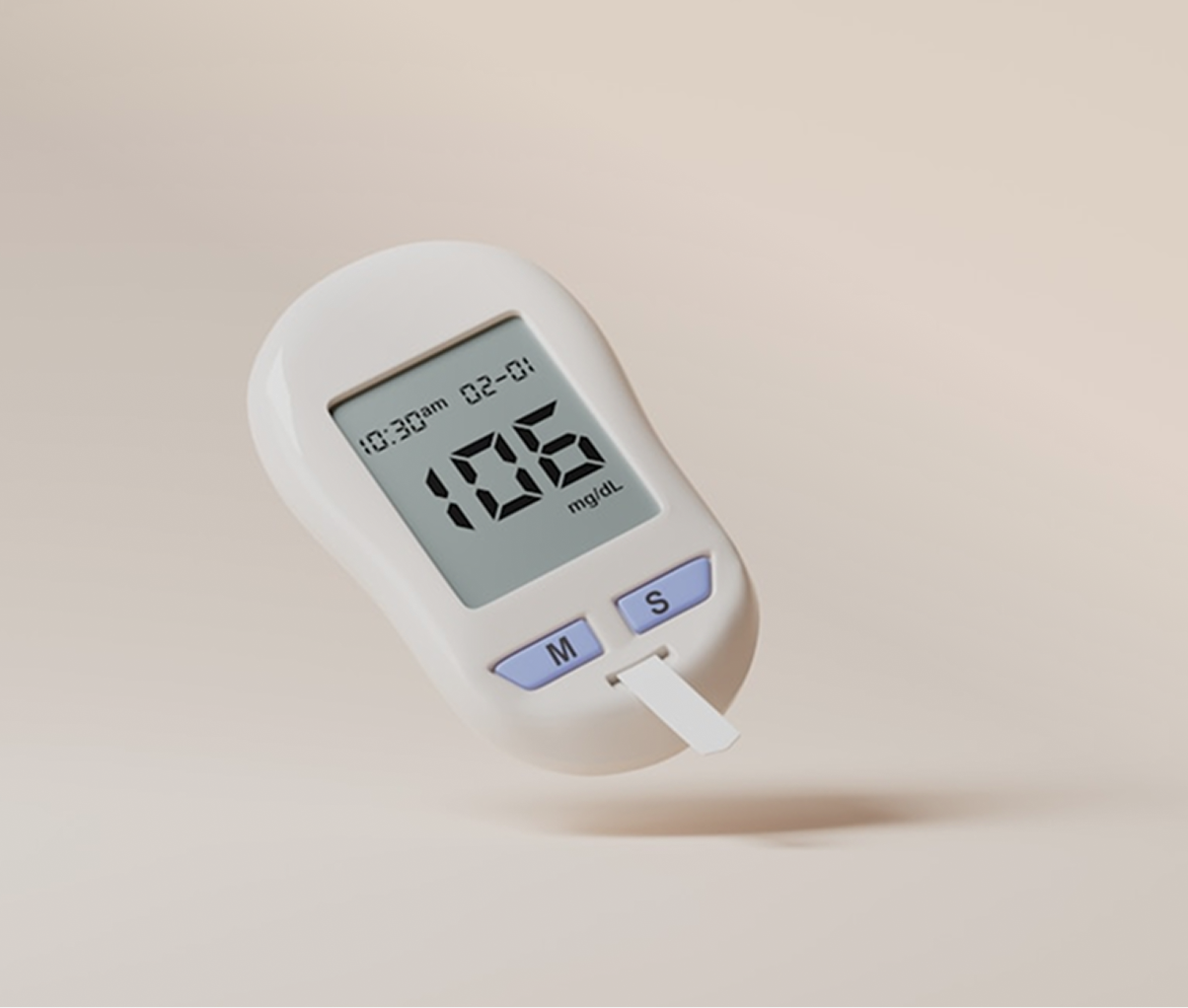
Wearables have given us incredible insight into sleep, recovery, activity, and physiology.
But somewhere along the way, we started to hand them too much authority.
Readiness scores and HRV decide whether today is a good day. A bad night of sleep turns into a bad day before it even begins.
Data is useful, but it is not destiny.
When metrics replace intuition, we lose some important things: The ability to check in with our own bodies. To notice how we actually feel. To respond with flexibility rather than obedience to an algorithm.
Wearables should inform awareness, not override it
Loneliness is not a soft issue. It is a measurable health risk. Chronic isolation is associated with higher rates of depression, cognitive decline, cardiovascular disease, and early mortality. It affects sleep, immunity, hormones, and resilience.
And yet, it is rarely treated with the same seriousness as diet, exercise, or sleep.
Humans are social organisms. We regulate each other. We recover together. We find meaning through shared experience. No supplement or protocol can replace that.
We are leaving behind the idea that community is optional, that social connection is a bonus if life allows it.
Health is not just built in the kitchen or the gym. It’s built around tables, on walks, in conversations, shared effort, and belonging.
Longevity without connection misses the point entirely.
If you’re reading this, you’re lucky. You’re someone who prioritizes your health and well-being. And if you’re consistent in that pursuit, it’s likely you’re happier than the average person. You have more energy, more vitality, and more love to give. You feel more comfortable in your own skin.
And that feeling wants to be shared.
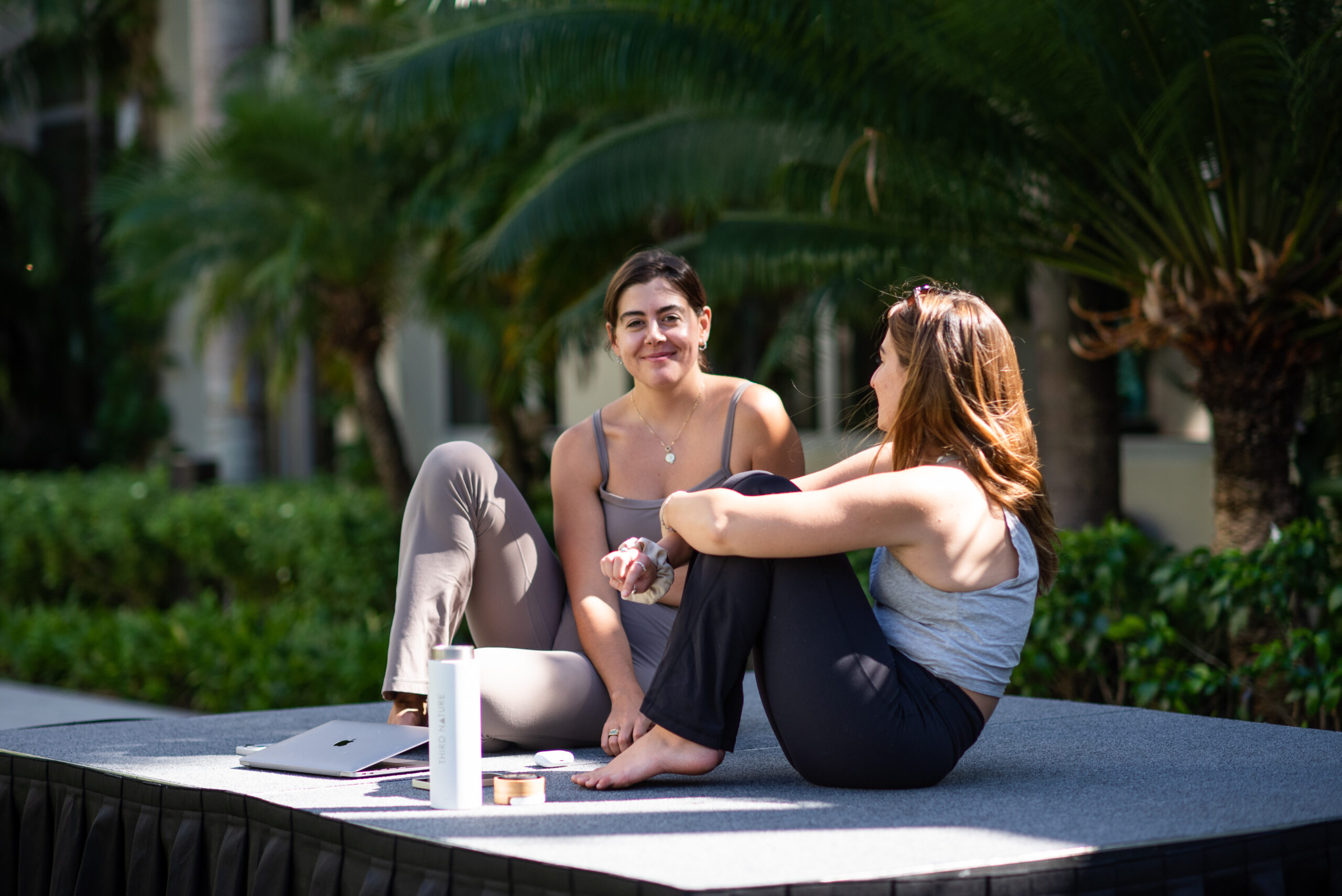
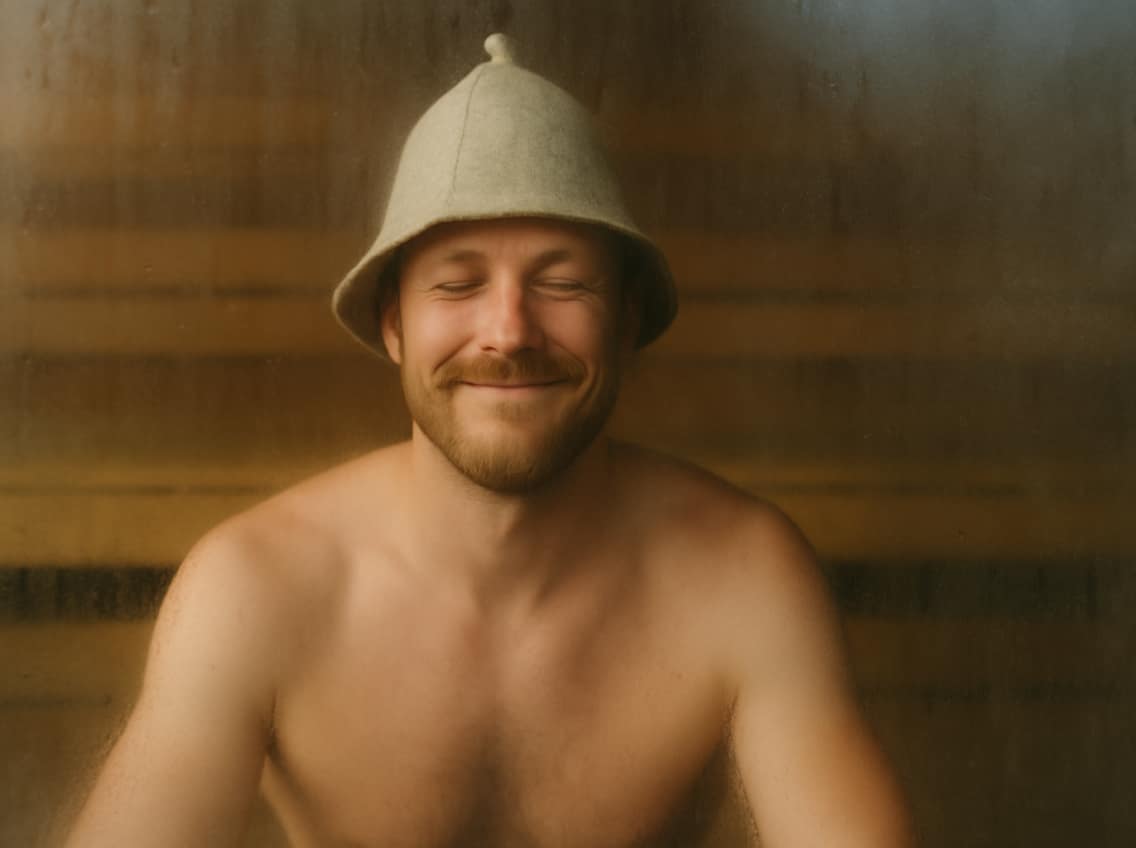
Wellness naturally creates community. When we feel good, we want to be together. We want to congregate. We want to dance together, work out together, walk together, and laugh together.
Let’s walk into 2026 knowing what we’re letting go of, holding close to what we’re keeping, and eager to learn more.
Disclaimer: This newsletter is provided for educational and informational purposes only and does not constitute providing medical advice or professional services. The information provided should not be used for diagnosing or treating a health problem or disease, and those seeking personal medical advice should consult with a licensed physician.

April 4, 2026

March 27, 2026
March 21, 2026
March 13, 2026

March 6, 2026
February 28, 2026
February 21, 2026
February 14, 2026
February 7, 2026