We learned a lot together in 2025. And there is so much more to come.
But before we rush ahead, let’s pause and look at some of the biggest dominos that are shaping how we think about health, how we care for ourselves, and how we want to move forward into the year ahead.
Here are a few things we’re keeping in 2026.
Functional Medicine and Root Cause Thinking
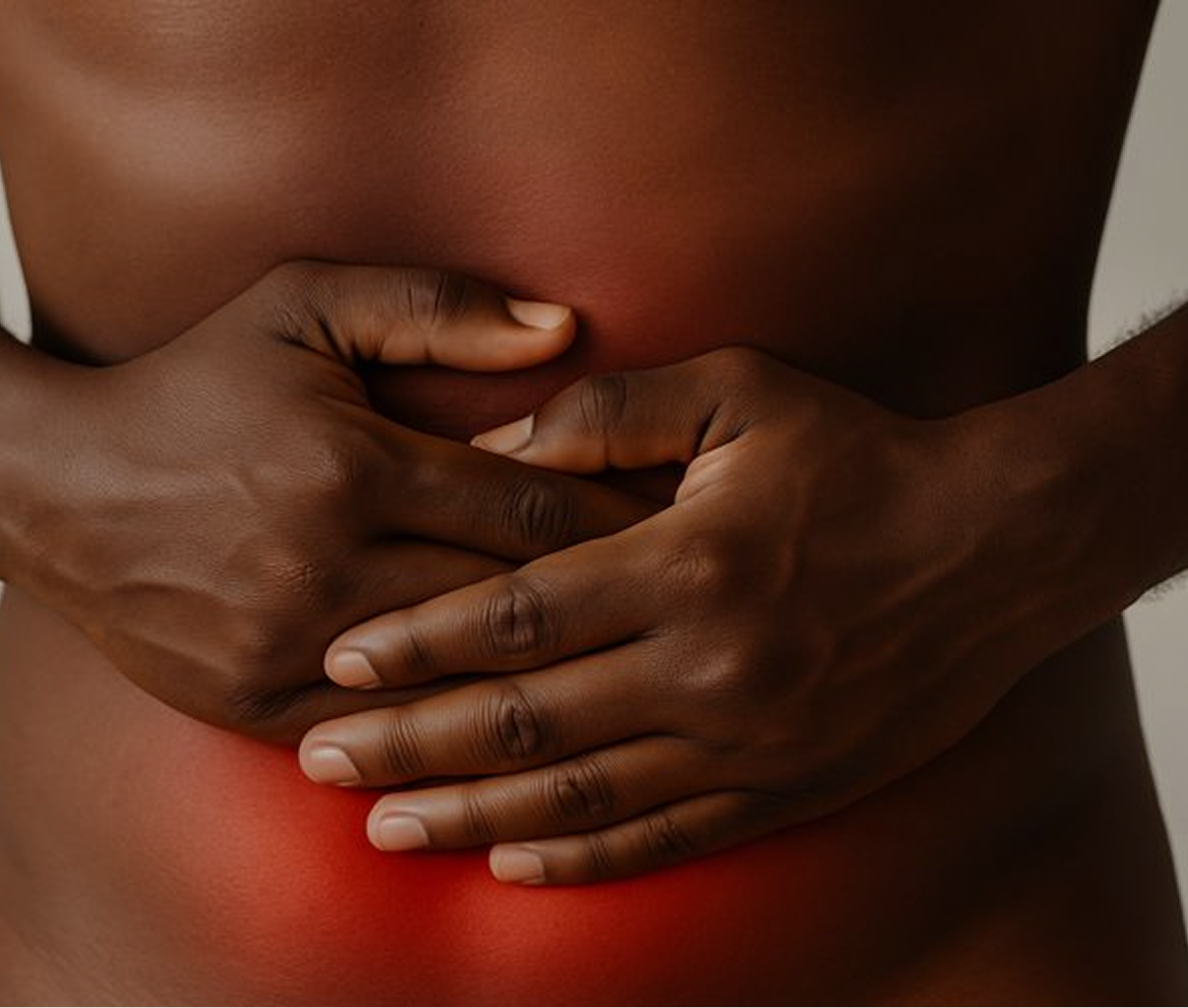
For decades, healthcare has largely focused on managing symptoms. But functional medicine asks a different question: Why is the system dysregulated in the first place?
Instead of treating isolated symptoms, it looks at interconnected systems. Hormones. Inflammation. Metabolism. Gut health. Immune balance. Mitochondrial function. When one system is off, others follow.
What makes this approach powerful is its emphasis on optimization rather than suppression. Support the system. Remove friction. Restore balance. Then let the body do what it is designed to do.
This shift is not about rejecting conventional medicine. It’s about using it more thoughtfully and less reactively.
More than anything, we are taking with us this idea of agency. Health is no longer something we fully outsource. People are learning how their bodies work and taking an active role in protecting and improving them.
Muscle as an Insurance Policy for Aging
One of the most encouraging trends is who is showing up in the weight room. Older adults are finally being told the truth.
Muscle is not about vanity. It is about survival.
Strength determines how well you age, how long you stay independent, and how resilient your body remains under stress. Loss of muscle is one of the strongest predictors of frailty, falls, metabolic decline, and loss of autonomy. And unlike many aspects of aging, it is highly modifiable.
We are seeing more people in their 50s, 60s, and beyond embracing resistance training. Lifting weights. Building strength. Reclaiming confidence in their bodies.
This is about preserving the ability to carry groceries, get off the floor, travel freely, and live without fear of physical limitation. It’s about aging well.
Muscle is not optional as we age. It is protective tissue. And it is never too late to build it.
Sleep as a Non-Negotiable
Sleep is finally being treated like the biological necessity it is.
The conversation has matured. Less obsession with perfect scores. More attention to light exposure, timing, temperature, alcohol, and consistency.
When sleep improves, everything else tends to improve with it. Hormones regulate more easily. Recovery accelerates. Mood stabilizes. Decision making sharpens.
Few habits offer this kind of quiet leverage.
For most people, the biggest gains come from doing a few basic things consistently.
Get out of bed at the same time every morning, even after a bad night.
Get real daylight in your eyes as soon as possible for 15–20 minutes.
Turn screens off about an hour before bed.
It doesn’t have to be complicated.
Paying Attention to Hormones
For decades, hormone disruption was minimized, dismissed, or misunderstood.
Endocrine-disrupting chemicals. Chronic stress. Poor sleep. Processed food. Environmental exposures. Over time, these forces have reshaped hormonal health at a population level.
Now people are waking up to the reality that hormones govern far more than reproduction. They shape energy, mood, metabolism, body composition, libido, motivation, and cognitive clarity.
When hormones are balanced, life feels different. Energy becomes steadier. Recovery improves. Fat loss becomes possible. Focus sharpens. Emotional resilience increases.
The growing awareness around hormone health is not about chasing extremes or quick fixes. It’s about restoring balance and respecting how sensitive these systems are.
Understanding hormones gives people language for symptoms they were told to ignore and tools to address the root causes rather than just endure them.
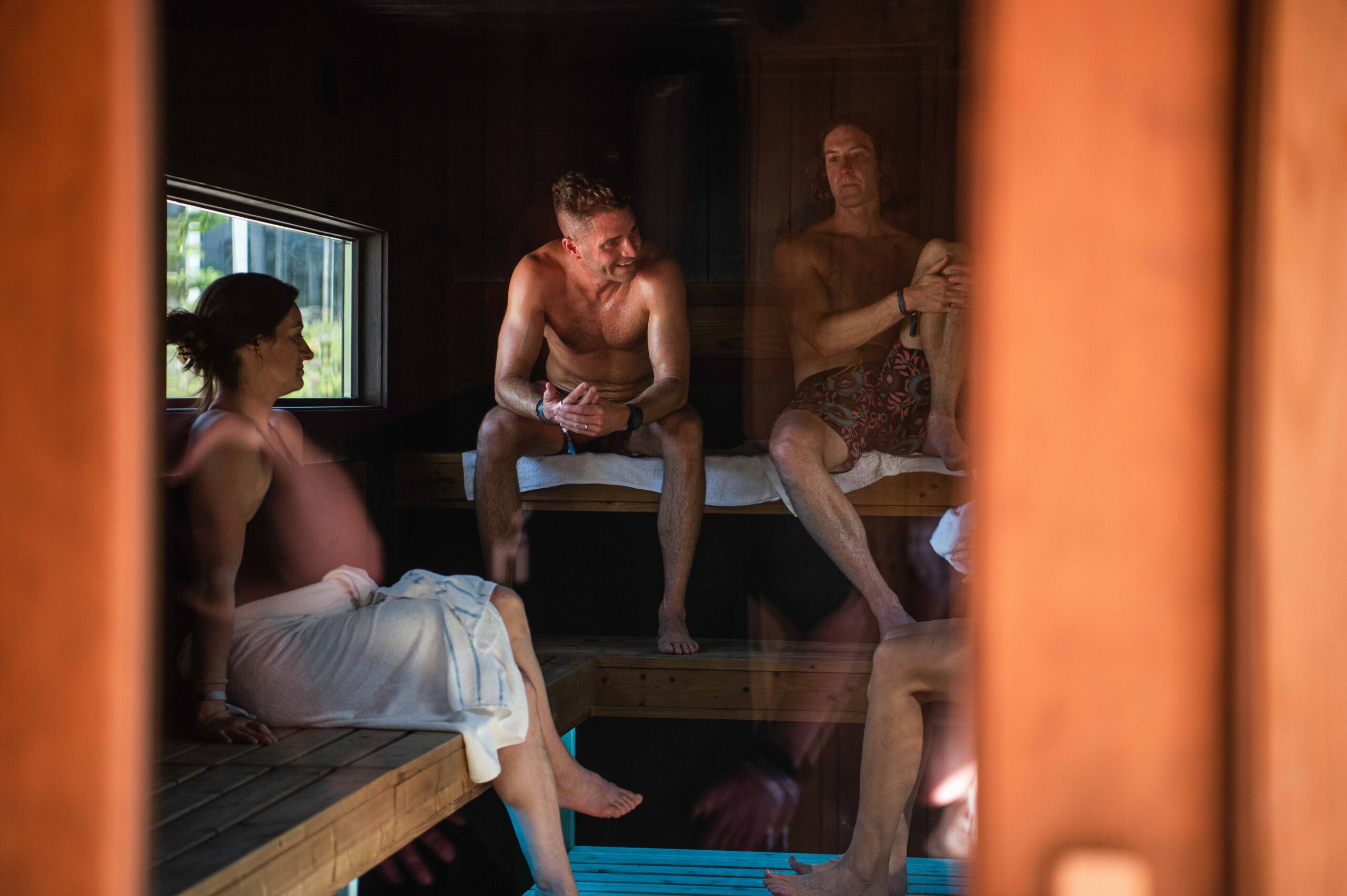
Sauna Culture
For generations, sauna has been a cultural ritual in places like Finland. In the US, it was largely treated as a luxury or a gym afterthought.
That is changing.
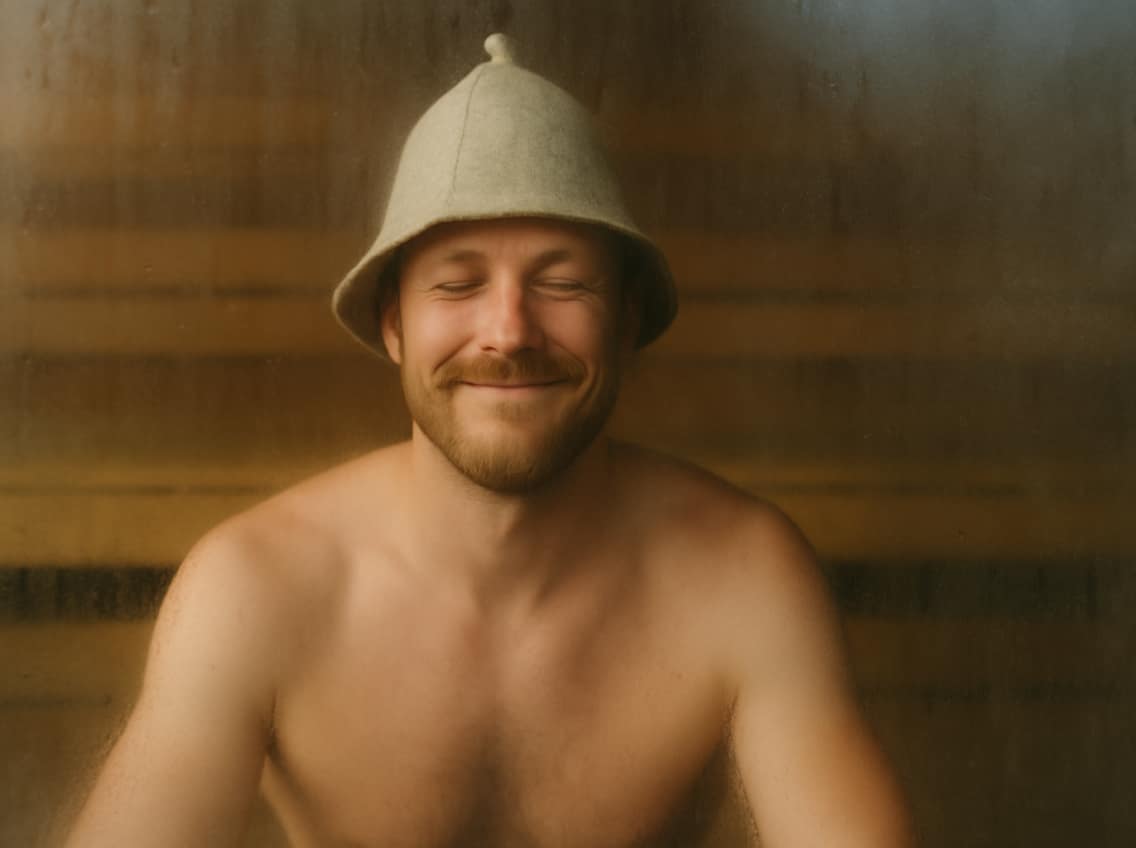
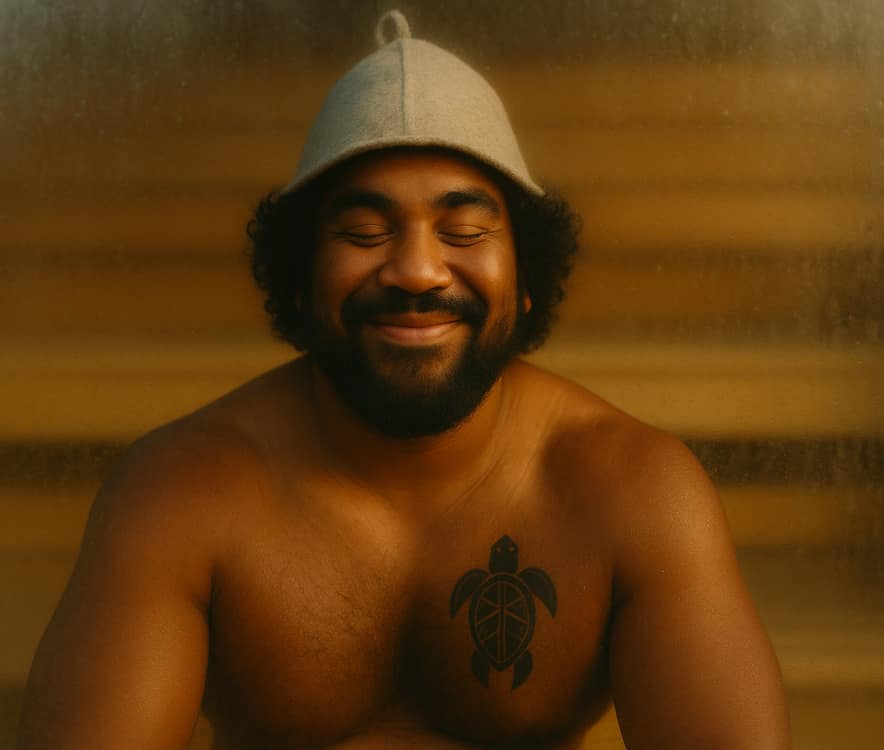
Sauna is now being recognized as a powerful form of hormetic stress. Heat exposure supports cardiovascular health, insulin sensitivity, vascular function, and cellular resilience.
What we like most about this shift is the mindset behind it. Sauna is not about relaxation. It’s about deliberate stress followed by recovery.
As sauna culture takes hold in the US, we hope it keeps its original spirit. Simple. Social. Consistent. Few rituals have more of an impact on our health than sauna.
Disclaimer: This newsletter is provided for educational and informational purposes only and does not constitute providing medical advice or professional services. The information provided should not be used for diagnosing or treating a health problem or disease, and those seeking personal medical advice should consult with a licensed physician.