Creatine is everywhere. Pretty soon it’ll be in your toothpaste and they’ll be handing it out with snacks on airplanes. You can’t escape it. Every influencer is touting its benefits, issuing decrees and warnings, and pulling from new studies to show its superpower.
A quick scroll through social media displays these headlines:
- Creatine intake reduces irregular periods and improves fertility in women, study finds
- Women taking creatine saw their depression drop by 35% after just one week
- What no one tells you about creatine and the brain
- Don’t drink water with creatine
And the subtext is starting to feel unavoidable. If you aren’t taking it, you must not be serious about your fitness, your brain, or how well your body holds up over time. So the question isn’t whether or not creatine is popular, it’s why.
Does the hype outrun the evidence, or does it deserve its seat at the table of longevity? The short answer is yes.
Creatine is probably the most thoroughly studied supplement in existence, with research spanning three decades across diverse populations. Studies have tracked athletes taking creatine daily for four years or more with no adverse outcomes. The International Society of Sports Nutrition has repeatedly affirmed its safety profile.
Dr. Layne Norton—a PhD in nutritional sciences, coach, author, and competitive strength athlete—says about creatine, “In my opinion, creatine monohydrate is the single most effective ergogenic supplement on the market.”
But what’s right for you? Unfortunately, you’ll have to figure it out on your own. But fortunately, I think you’ll likely discover that it can and should have a spot in your wellness regimen. How much to take and how it’ll make you feel will depend on a lot of other factors.
What Is Creatine?
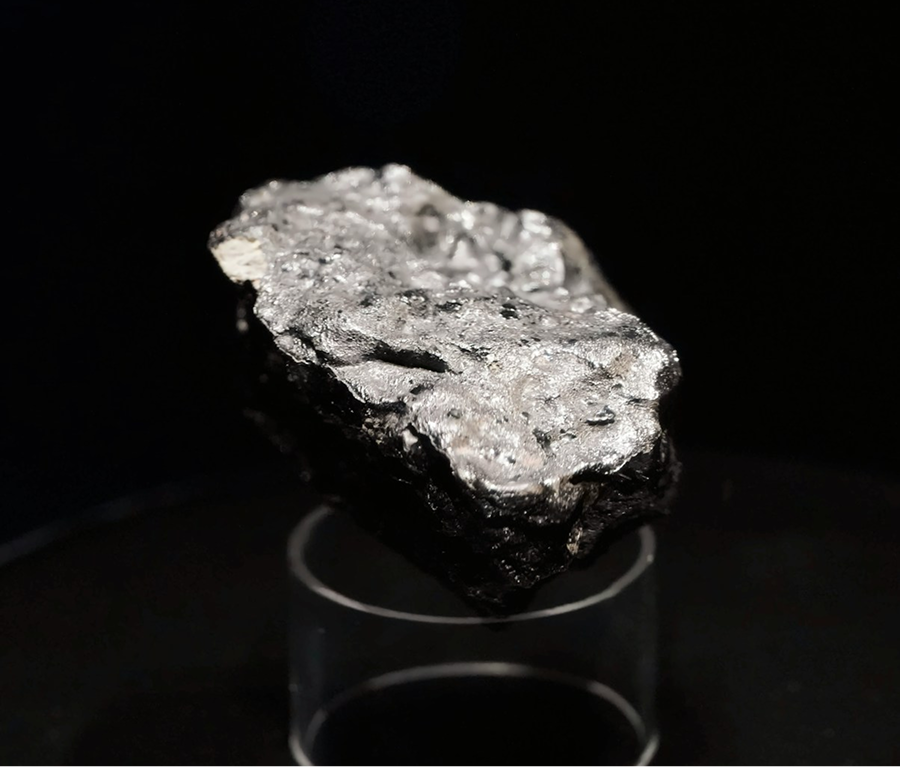
Creatine is a compound your body makes naturally, primarily in your liver and kidneys. Most of it ends up stored in your muscles. That’s where it helps with fast energy. When demand spikes—like when you’re lifting something heavy, sprinting, or even during intense mental effort—creatine helps recycle ATP, the molecule your cells use as immediate fuel.
You also get creatine from food, especially red meat and fish. A pound of raw beef contains roughly two grams, less once it’s cooked. In total, the average person carries about 120 grams of creatine in their body and uses around two grams each day.
Supplementing simply raises your phosphocreatine stores beyond what your body makes and what food alone can provide.
Something interesting to note is that because creatine is naturally found in meat, vegetarians and vegans may show lower muscle and brain stores than omnivores. A double-blind crossover trial in 45 young vegetarian adults found 5 g/day creatine for 6 weeks significantly improved working memory and abstract reasoning. So this may prove that plant-based eaters have more of a reason to supplement.
What Does Creatine Do for You?
This happens when you're not fighting a single battle but are exposed to inflammatory inputs continuously.
Daily consumption of ultra-processed foods. A leaky gut. Extra fat tissue that quietly releases inflammatory signals all day. Chronic psychological stress.
The system doesn’t turn off because the threat (or what the body perceives as threat) is still present.
Creatine and the Brain
Your brain requires enormous amounts of ATP to function well, making the creatine phosphate system critical for maintaining cognitive function, especially when demand is high.
Emerging research suggests that supplementation can meaningfully increase brain creatine levels, particularly in people with lower baseline stores.
Creatine and Cognitive Performance
Research led by Dr. Scott Forbes at Brandon University suggests that creatine may act as a kind of mental safety net. When the brain is pushed by sleep loss, aging, or heavy cognitive load, creatine seems to help preserve mental performance by supporting the brain’s energy supply. It is not about increasing intelligence. It is about helping the brain meet its energy demands and function more reliably when conditions are less than ideal.
A 2024 sleep‑deprivation study using a high single oral dose of creatine showed improved processing speed and cognitive performance, with changes in brain phosphocreatine, ATP, and pH, consistent with the idea that it’s a “cognitive buffer” under metabolic strain.
There’s a lot of evidence that creatine supplementation can have a positive impact on brain health, but mainly for those with already low levels in their brain. If you’ve maxed out your storage, you likely won’t see or feel the benefits of supplementation.
Neuroprotection and Brain Health
Beyond acute cognitive performance, an even more compelling question is whether creatine can support long‑term brain health and resilience.
Human research in this area remains early-stage but promising. Small studies in patients with mild traumatic brain injury show reduced symptoms and faster recovery with creatine supplementation. Research in Parkinson’s and Huntington’s disease has shown mixed results. Some studies suggest modest benefits; others show no effect. But the safety profile supports continued investigation.
And while the impacts and effects likely won’t reverse or prevent disease, it will likely help.
Creatine and Depression
Depression has been associated with disrupted brain energy metabolism, and several small clinical trials suggest that creatine—used alongside standard antidepressant treatments (particularly SSRIs)—may accelerate or enhance symptom improvement. The evidence is still preliminary and not yet definitive.
The research is most developed in women. A 2012 study published in the American Journal of Psychiatry found that women with major depressive disorder who added creatine to their SSRI regimen showed significantly faster and more robust improvements compared to those on SSRIs alone. Subsequent research has explored whether this relates to differences in brain energy metabolism between sexes, particularly during hormonal fluctuations.
The mechanism likely involves phosphocreatine’s role in maintaining ATP levels in brain regions implicated in mood regulation (the prefrontal cortex, hippocampus, and anterior cingulate cortex). When these regions can maintain optimal energy metabolism, they function more effectively.
High-Dose Creatine
One complicating factor: getting creatine into the brain appears more challenging than getting it into muscle. The blood–brain barrier limits creatine transport. While supplementation does increase brain creatine levels (confirmed through magnetic resonance spectroscopy studies), the magnitude of increase is smaller than what occurs in muscle.
This has led researchers to investigate higher doses for neurological applications—some trials use 10–20 grams daily when targeting brain outcomes, compared to the 3–5 grams standard for muscle benefits.
In traumatic brain injury studies, doses of 0.4 grams per kilogram of body weight (roughly 30 grams for a 165-pound person) given immediately after injury and continued for several weeks have shown promise in reducing post-concussive symptoms and accelerating recovery. The theory: the injured brain has massively elevated energy demands, and saturating it with creatine helps meet those demands during the critical recovery window.
What seems certain is that brain creatine levels can be increased through supplementation, and that these increases correspond with measurable functional improvements—particularly in people with lower baseline stores or those under metabolic stress. But once muscle and brain stores are saturated, they are saturated.
Creatine Might Be Different For Women
The emerging picture suggests women may benefit uniquely from supplementation.
Women tend to have lower baseline creatine stores than men. Part of this is dietary, since women on average eat less meat, and part is biological.
Estrogen appears to support the body’s own creatine production. But that support isn’t constant. It fluctuates across the menstrual cycle and drops sharply during menopause. Because of this, research suggests that women in their 30s and 40s, especially those entering perimenopause, may see meaningful benefits from creatine supplementation.
The evidence for mood and cognitive benefits appears particularly strong in women. Several studies have found that creatine supplementation reduces symptoms of depression and improves cognitive performance during hormonally mediated states like the luteal phase of the menstrual cycle or during sleep deprivation—conditions in which brain energy metabolism is compromised.
The dosing question for women remains somewhat open. But there’s no evidence that creatine interferes with hormones or menstrual cycles, and the safety profile in women mirrors that in men.
Creatine and Older Adults
Creatine won’t stop aging. But it might make it a little easier.
The gradual loss of muscle and strength with age is tightly linked to falls, loss of independence, insulin resistance, and increased mortality. Once muscle and strength deteriorate, everything downstream gets harder.
In older adults, creatine supplementation shows greater gains in lean mass, strength, and functional performance compared to training alone. That matters because strength is one of the strongest predictors of longevity and independence in later life.
The cognitive angle is just as interesting. Aging brains tend to become less efficient at energy production, particularly under stress. Several trials in older adults have shown modest but meaningful improvements in memory, processing speed, and executive function with creatine supplementation. These effects are most apparent during tasks that require sustained attention or rapid decision making—situations where energy demand is highest.
Creatine does not reverse dementia. That claim would be irresponsible. But by supporting cellular energy availability in both muscle and brain, it may help delay the slide from independence to dependence. And in aging, delaying decline is often the difference that matters most.
Is Creatine Safe?
Yes. We have decades of data.
Studies have tracked athletes taking creatine daily for four years or more with no adverse outcomes. Population-level safety surveillance through regulatory agencies has identified no significant safety signals
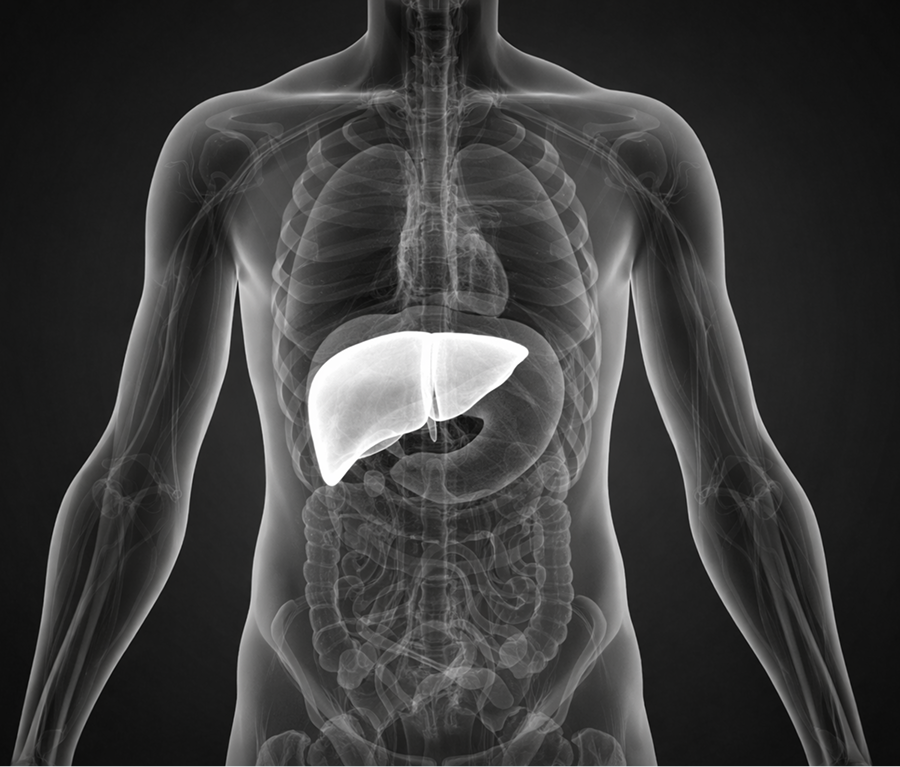
Does Creatine Damage Your Kidneys or Liver?
The short answer is no, not in healthy people.
Creatine can raise creatinine on blood tests, which can look concerning but does not mean kidney damage. When kidney function is measured properly, creatine does not show harmful effects, even with long-term use.
Liver studies show the same pattern. No consistent evidence of harm at standard doses. If you have kidney disease, talk with your doctor. Otherwise, the fear is not supported by the bulk of available data.
Does Creatine Make You Retain Water?
Yes, but it’s not the kind of water people worry about.
Creatine pulls water into muscle cells, not under the skin. This can mean a small, temporary increase in scale weight and slightly fuller muscles, not bloating or puffiness.
A small number of people experience digestive discomfort. When that happens, smaller doses or switching forms often solves it.
What Kind of Creatine Should You Take?
There are many forms of creatine on the market. Most exist for marketing reasons.
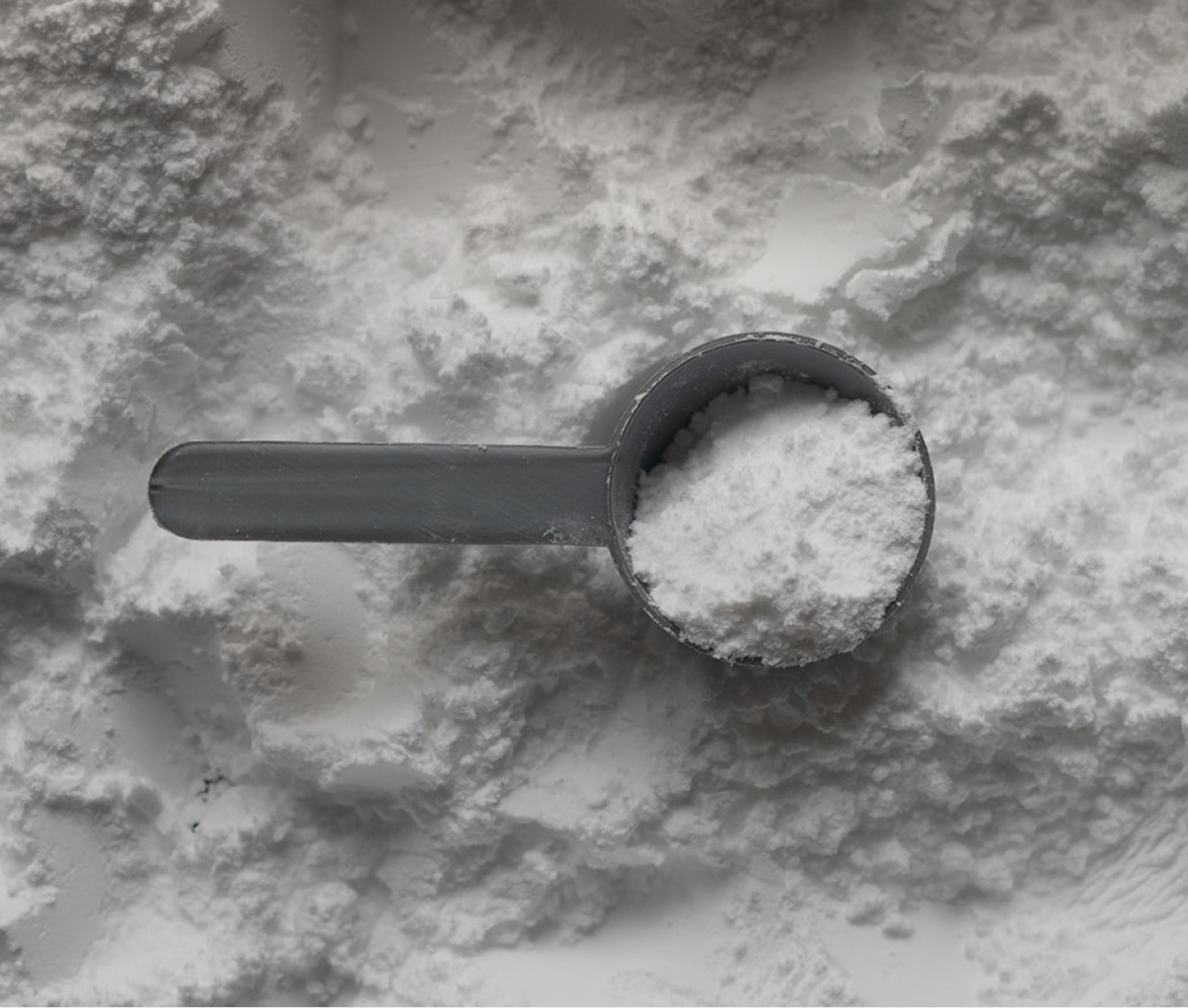
The one that matters is creatine monohydrate. It is the most studied form by a wide margin. It consistently works. It is stable and inexpensive.
Creatine HCL is often marketed as more absorbable or gentler on the stomach. In practice, performance outcomes are broadly similar. If someone tolerates monohydrate, there is no clear reason to switch. If someone does not, HCL can be a reasonable alternative.
What matters far more than form is quality. Choose a product that is third party tested and transparent about sourcing.
So How Much Should I Take?
Like we established at the outset, it depends. It depends on your current biological levels of creatine in your body and brain. It depends on how you respond to it. It depends on what you can tolerate. It depends if you are a man or woman. It depends how old you are.
Some individuals may have genetic variations that make them “non-responders” to standard doses but responders to higher doses.
But for most healthy adults, the evidence converges to a simple answer: Three to five grams per day. Every day, long-term. Training or not.
That dose saturates muscle and brain creatine stores over time. Larger people may gravitate toward the higher end. Smaller people often do just fine at three grams. For general health, performance, and longevity purposes, there’s no compelling reason to exceed five grams daily.
Here’s a list of the benefits you can reasonably expect from consistent creatine supplementation:
- Improves strength output, exercise performance, and post workout recovery
- Improves overall brain energy efficiency and metabolic resilience
- Helps reduce perceived fatigue during physical and mental effort
- Supports faster ATP production and cellular energy availability
- Supports cognitive performance during stress, sleep restriction, or high demand periods
- Enhances hydration within muscle cells, supporting fuller and more resilient muscle tissue
- Can improve glucose handling and metabolic efficiency in certain individuals
- May provide subtle mood and emotional regulation support
The context where high doses of creatine supplementation might make sense are limited and specific:
- Acute traumatic brain injury under medical supervision
- Part of a clinical trial for neurodegenerative disease
- As an adjunct to psychiatric treatment in treatment-resistant depression (again under medical supervision)
- In individuals who have undergone genetic testing showing impaired creatine synthesis or transport
You should work with a skilled medical professional who understands how to assess these things, and how to measure the efficacy of supplementation. But mainly, you will have to notice if supplementation has any impact on your mood, strength, recovery, energy, and cognitive function.
Only you can truly know.
So with all the real and potential benefits of creatine, all the research, all the experts who swear by it, and all the overwhelming safety profile, I think we can agree that more than likely, it should find a spot in your supplement routine.
Good luck, and let us know if you have any questions.
Disclaimer: This newsletter is provided for educational and informational purposes only and does not constitute providing medical advice or professional services. The information provided should not be used for diagnosing or treating a health problem or disease, and those seeking personal medical advice should consult with a licensed physician.